
Paying for Dental Work Abroad
Options (2026)
Home › Guides › Paying for Dental Work Abroad: Options (2026)

Dental work abroad from around £450 an implant is cheaper than the UK, but you still need to budget for treatment, flights, two trips and a repair buffer. This guide covers how to pay, saving versus finance, budgeting the full cost, and the watch-outs. General information, not advice.
Start with the real total, not the headline
The number a clinic advertises is rarely the number you spend. Before thinking about how to pay, work out the true all-in cost, because that is what you're actually financing.
For implants especially, the full cost includes treatment, return flights for two trips, any hotel nights not covered by a package, time off work, and a sensible buffer in case something needs fixing later. Budget from that total and you avoid the classic mistake of financing the treatment price and then scrambling for the flights.
This guide is general information to help you plan, not financial advice. For anything involving credit or borrowing, check the terms carefully and consider speaking to a qualified adviser.
Ask us about dental treatment abroad, free
Tell us what you're looking into. We send your enquiry to relevant, pre-vetted clinics, and up to 3 that can help contact you directly.
Thera is free for patients. No clinic can pay to change the prices we publish.
How people pay for treatment abroad
There are a few common routes, each with trade-offs.
- Savings. Paying outright from money you already have. No interest, no debt, and no monthly commitment. The cleanest option if you can manage it.
- Credit card. Convenient, and in the UK a card may add purchase protections on some transactions, though how these apply to treatment abroad varies. Interest applies if you don't clear the balance.
- Personal loan. A fixed sum repaid over a set term. Predictable monthly payments, but interest adds to the total cost, so the "saving" versus UK prices shrinks by whatever interest you pay.
- Clinic payment plans. Some clinics let you pay in stages tied to treatment milestones. Useful for cash flow, but read what each stage commits you to.
- Medical finance providers. Third-party lenders that specialise in treatment costs. Compare the total repayable, not just the monthly figure.
Deposits are normal: most clinics take one to secure the booking, with the balance due around treatment. Always get the payment schedule in writing as part of the treatment plan, as the General Dental Council advises for going abroad.
Savings vs finance: the trade-off
The whole appeal of treatment abroad is the saving, so it's worth seeing how borrowing affects it.
| Payment route | Upfront cost | Ongoing cost | Effect on the saving |
|---|---|---|---|
| Savings | Full amount now | None | Full saving kept |
| Credit card (cleared monthly) | Spread short-term | None if cleared | Full saving kept |
| Credit card (carried) | Lower now | Interest builds | Saving eroded by interest |
| Personal loan | Deposit only | Fixed interest over term | Saving reduced by interest |
| Clinic staged plan | Deposit, then stages | Varies | Depends on terms |
Already have a clinic in mind? See what the official records say about it →
The point is simple. Paying from savings keeps the full 55–80% saving that made treatment abroad attractive. Borrowing keeps the treatment cheaper than the UK, but interest eats into the gap, so compare the total repayable against a UK quote before assuming abroad still wins. On a large case the saving is big enough to absorb some interest. On a single implant, interest can close the gap fast.
Considering a particular clinic? See what the official records say about it, free →
Budgeting the full cost
Build your budget from every line, not just the treatment. A realistic implant budget looks like this:
- Treatment. From £450 for a single implant, £3,000–£6,000 per arch for All-on-4 (typical 2026 prices).
- Flights. £30–£250 return per trip, times two for implants.
- Accommodation. Often in a package, but check which nights are covered.
- Time off work. Two trips of several days each.
- Currency and card fees. Overseas transaction and exchange costs add up.
- A repair buffer. Because the NHS won't repair private work done abroad, and private UK repairs commonly cost £500–£1,000 per tooth per the British Dental Association, keeping a buffer is prudent.
That last line is the one people skip. It isn't pessimism, it's planning. Our what can go wrong guide explains why the repair buffer matters, and the UK vs Turkey cost comparison shows how travel and aftercare change the true total.
Watch-outs
A few things to keep an eye on when paying.
- Pressure to pay in full upfront. A clinic demanding the whole sum before you've arrived or seen a plan is a red flag. Deposits are normal; full prepayment for unseen treatment isn't.
- Money-transfer-only deals. Be cautious if a clinic will only take bank transfer and won't accept a card, as it can reduce your protections.
- "Finance" that pressures the decision. Easy monthly figures can make an expensive or unnecessary treatment feel affordable. The treatment being right for you comes first; how you pay comes second.
- Ignoring the second trip. Financing trip one and forgetting trip two is a common and avoidable squeeze — plan both from the start using our two-trip timeline guide.
- Currency swings. A quote in euros or lira can move between booking and paying.
Above all, don't let the financing rush the clinical decision. Vetting the clinic properly, covered in our how to choose a dentist abroad guide and the safety pillar, protects you far more than any payment structure.
Where to compare before you commit
Because interest and travel change the maths, comparing real prices for your specific case matters before you decide how to pay. Line up the true all-in cost of a few clinics, each with an itemised written quote, then choose the payment route that keeps the most of your saving. The dental implants abroad hub and best country for dental implants comparison are the places to start. Thera Travel does not recommend a clinic. If you have a clinic in mind, you can see what the official records say about it, free.
Frequently Asked Questions
How do people pay for dental work abroad?
Most pay from savings, by credit card, with a personal loan, through a clinic staged payment plan, or via a medical finance provider. Clinics usually take a deposit to book, with the balance due around treatment. Get the full payment schedule in writing as part of your treatment plan.
Is it cheaper to save up or use finance for treatment abroad?
Paying from savings keeps the full 55–80% saving with no interest. Finance keeps treatment cheaper than the UK but interest eats into the gap, so compare the total repayable against a UK quote. On large cases the saving absorbs some interest; on a single implant it can close the gap fast.
What should my budget for dental implants abroad include?
Treatment (from £450 a single implant), return flights for two trips, accommodation not covered by a package, time off work, currency and card fees, and a repair buffer. The buffer matters because the NHS won't fix private work done abroad and UK repairs commonly cost £500–£1,000 per tooth.
Can I pay for treatment abroad in instalments?
Sometimes. Some clinics offer staged payments tied to treatment milestones, and third-party medical finance providers offer loans. Compare the total repayable rather than the monthly figure, read what each stage commits you to, and be wary of any clinic pressuring full prepayment for treatment you haven't seen planned.
Are there risks with how I pay a clinic abroad?
Yes. Be cautious of clinics demanding full payment upfront before you've seen a plan, or that only accept bank transfer, as that can reduce your protections. Currency swings can move a quote between booking and paying. Keep the clinical decision separate from the financing so an easy monthly figure doesn't push an unnecessary treatment.
Does the saving still hold if I borrow to pay?
It can, but only partly. Treatment abroad starts far below UK prices, so even with interest a large case like All-on-4 or full-mouth work usually stays cheaper. On smaller cases, interest plus two sets of flights can erode much of the saving, so compare the full financed total against a UK quote first.
Clinics UK patients look at
The four with the most Google reviews among the dental clinics we hold. Each has a free page with its records.
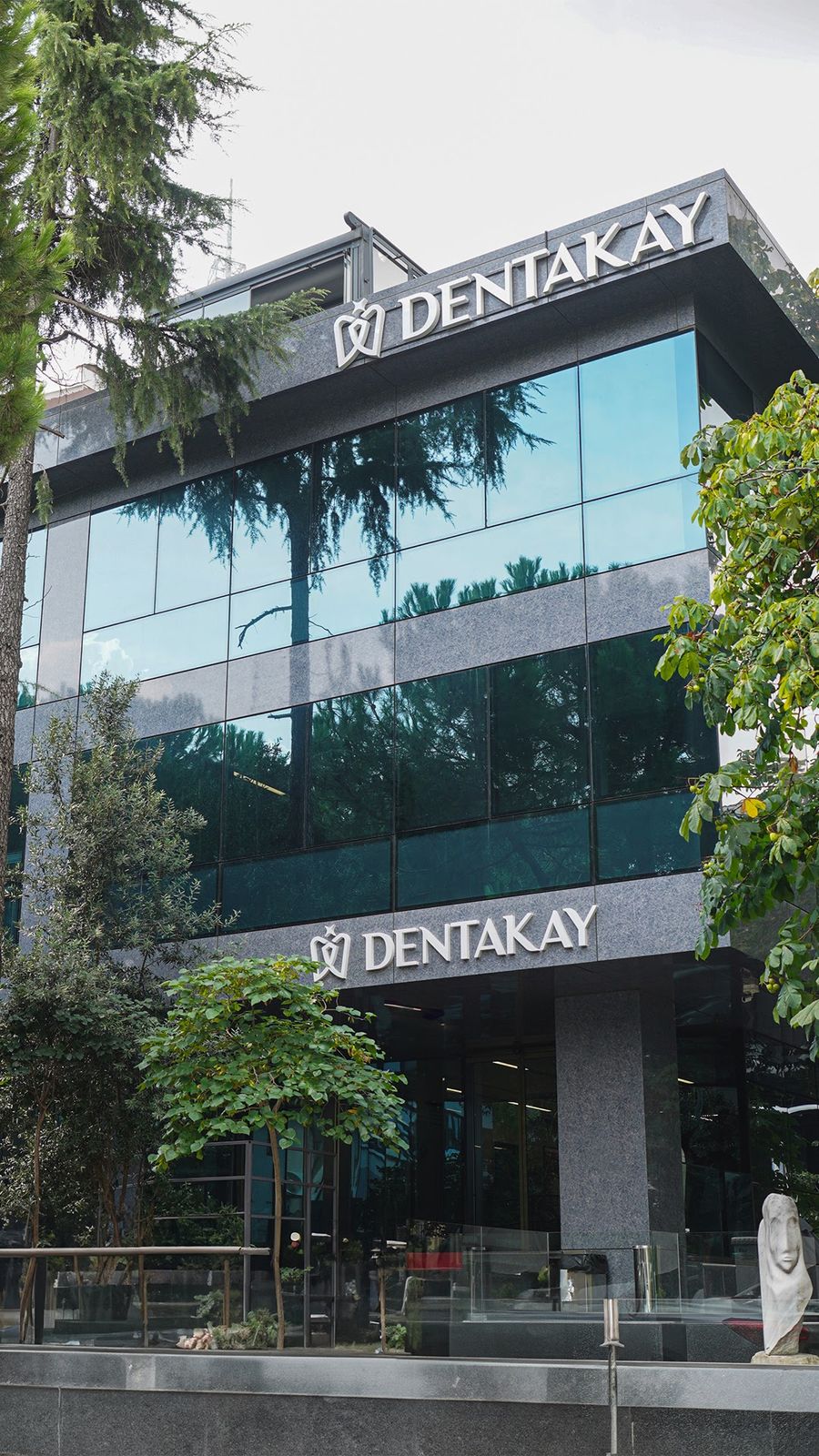 Dentakay Dental ClinicIstanbul, Turkey
 Attelia Oral and Dental Health CenterAntalya (Kızıltoprak, Muratpaşa), Turkey
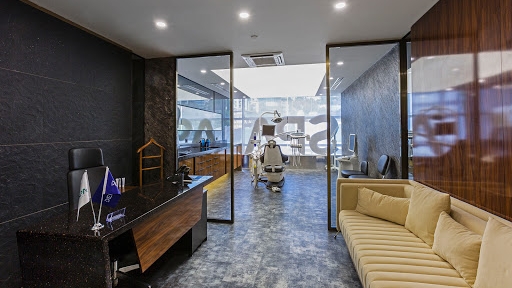 DentSpaIstanbul, Turkey
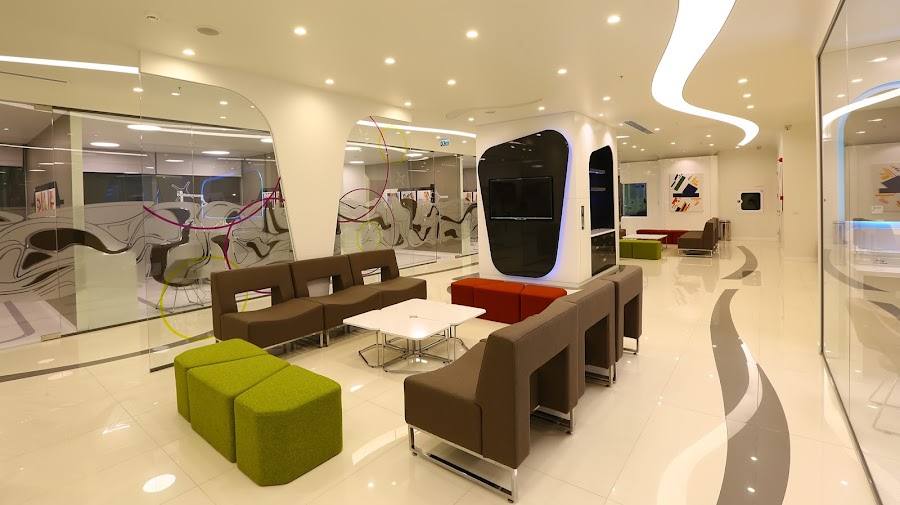 Esnan Dental Clinics Topkapı (Istanbul)Istanbul (Topkapı, Zeytinburnu), Turkey

Written by Saher Shodhan
Saher Shodhan is the founder of Thera Travel, which publishes what the official records show about clinics abroad, each fact with the date it was checked, and answers patients' enquiries, free. More about Thera → How we write and check our guides →
Related posts

Is It Safe to Get Dental Implants Abroad? What to Check in 2026
Turkey teeth: what they are, what they cost and how to check a dentist