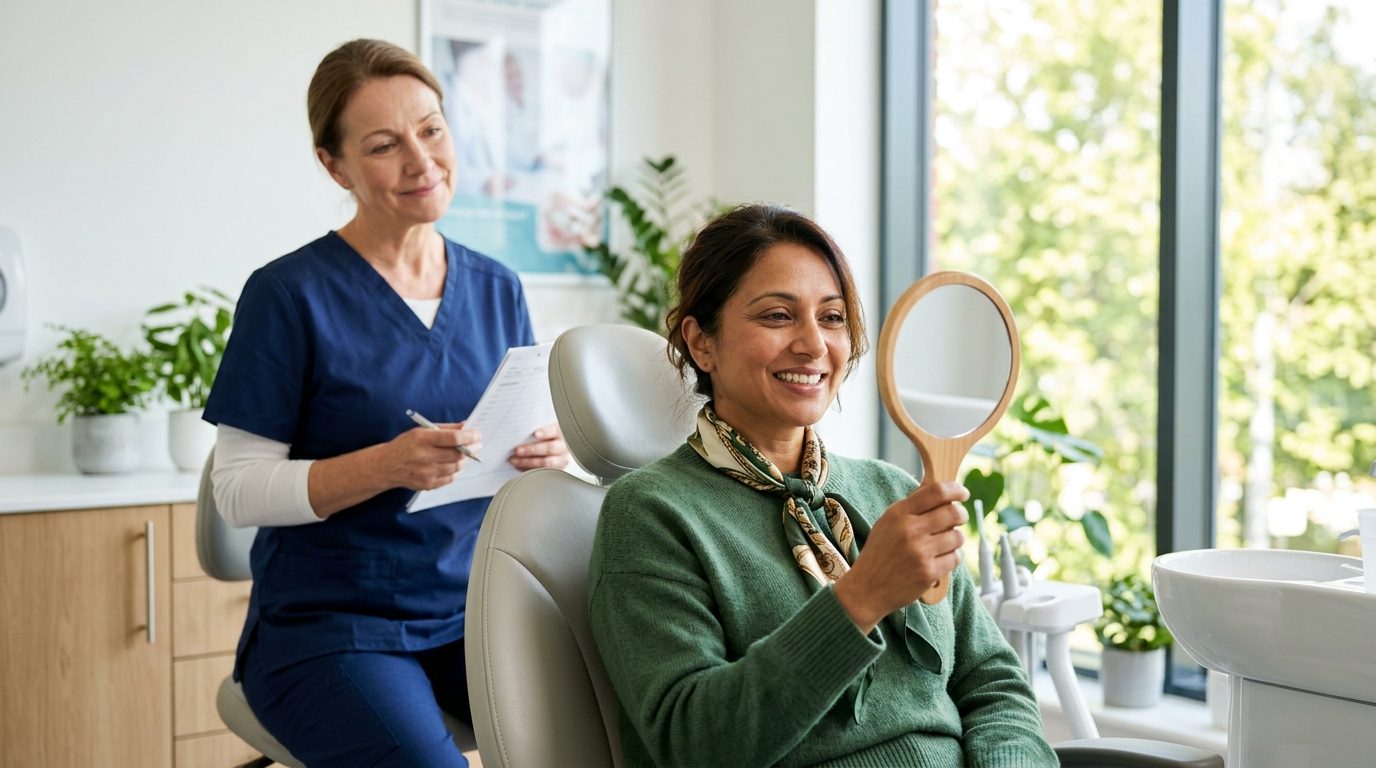

Is Dental Work in Turkey Safe? (2026 Honest Guide)
Home › Guides › Is Dental Work in Turkey Safe? (2026 Honest Guide)

Dental work in Turkey can be safe at a carefully checked clinic, but 86% of UK dentists have treated complications from treatment abroad. This guide gives the honest answer, the red and green flags, a vetting checklist, and the aftercare gap nobody warns you about.
The honest answer
Turkey has excellent dentists working in modern, well-equipped clinics, and thousands of UK patients travel there every year and come home happy. It also has high-pressure sales operations that will crown a mouth of healthy teeth to hit a package price. Both exist in the same city, often on the same street. The country itself is not the risk. The specific clinic is.
So "is dental work in Turkey safe?" is the wrong question. The useful question is: is this clinic safe, for this treatment, for my teeth? That is what this guide helps you answer.
The most important fact to start with comes from the British Dental Association. A BDA survey found 86% of UK dentists have treated patients with complications from dental treatment abroad, with crowns and implants the most common. That does not mean most treatment abroad goes wrong. It means enough does that vetting is not optional.
Ask us about dental treatment abroad, free
Tell us what you're looking into. We send your enquiry to relevant, pre-vetted clinics, and up to 3 that can help contact you directly.
Thera is free for patients. No clinic can pay to change the prices we publish.
The common complications
Different treatments fail in different ways. Knowing the failure modes helps you ask the right questions.
Crowns and "Turkey teeth." The most reported problem. To fit a crown, a dentist files the natural tooth down to a peg, which cannot be undone. Over-aggressive filing near the nerve can leave a tooth sensitive or dead, needing root canal treatment later. Poorly fitted crowns trap food and bacteria at the gum line, causing decay underneath the crown where you cannot see it.
Implants. These can fail to fuse with the bone (osseointegration failure), become infected, or develop peri-implantitis, a gum-and-bone infection around the implant that can eventually loosen it. Placement matters too: an implant put in at the wrong angle or without enough bone can fail months or years later.
Veneers. Less destructive than crowns, but still involve removing enamel. Badly bonded veneers can debond, chip, or leave dark margins at the gum. Over-preparation causes the same sensitivity problems as crowns.
Bite and gum problems. Rushing a full-mouth case in a few days leaves no time to check how the new teeth meet. A bite that is even slightly off can cause jaw pain, headaches and premature wear.
For a fuller breakdown of what fails and why, see our guide to what can go wrong with dental implants abroad.
Red flags and green flags
Use this table before you pay a deposit. The pattern matters more than any single item.
| Green flags | Red flags |
|---|---|
| Written treatment plan naming each tooth and material | "We'll decide when you arrive" |
| Named implant brand with a warranty card | Won't confirm the implant system |
| Full medical history taken before treatment | No questions about your health |
| Realistic timeline (implants over two trips) | Everything promised in 3–5 days |
| Happy to give a second-opinion cooling-off period | Same-day, deposit-now pressure |
| Copies of your X-rays and records to take home | Records kept, none handed over |
| A UK follow-up plan discussed upfront | Aftercare not mentioned |
Already have a clinic in mind? See what the official records say about it →
If a clinic recommends 20 crowns for healthy teeth, treat that as a red flag on its own. Wanting a whiter smile is not a clinical reason to crown healthy teeth, and the destruction is permanent. Our Turkey teeth guide explains why crowns are usually the wrong choice for healthy teeth.
Considering a particular clinic? See what the official records say about it, free →
The vetting checklist
Do this before you book, not after you land.
- Get a UK dentist to assess you first, so you know what you actually need before anyone tries to sell you more.
- Ask for a written treatment plan that names the material for each tooth and, for implants, the exact brand and whether bone grafting is included.
- Check the clinic's regulation and any international accreditation such as JCI. Regulation in Turkey is not the same as CQC oversight in England, so your own checks carry more weight.
- Confirm what happens if something needs adjusting. Is a revision visit covered, and who pays for the return flight?
- Insist on taking copies of all X-rays, CT scans, prescriptions and records home. The General Dental Council's guidance on going abroad for dental treatment makes this explicit, because a UK dentist will need them to help you later.
- Refuse same-day, high-pressure decisions. A clinic confident in its work will give you time.
The GDC also stresses that regulation varies by country and that a full medical history should be taken before any treatment is agreed. If a clinic skips that step, it is skipping a basic safety check.
The aftercare gap
This is the part patients discover too late, so understand it before you go.
If your treatment fails after you return home, the NHS will not repair private cosmetic dental work done abroad. NHS guidance is clear that it may only offer limited help such as pain relief or removal of a failed crown or implant, not a rebuild. Any actual repair is private, and private repairs are not cheap. The BDA reports that fixing complications from treatment abroad commonly costs £500–£1,000 per tooth, and complex cases can run to several thousand pounds.
That changes the maths. A saving of a few thousand pounds looks very different if one failed implant costs you a private redo plus another flight. It does not mean don't go. It means budget for the risk, keep every document, and arrange a UK dentist willing to see you for follow-up before you travel.
What the records can tell you
The core problem with Turkey is not price, it is signal. Every clinic's website shows white teeth and five-star reviews, and price alone tells you nothing about which clinic is careful and which is a sales operation.
The records cut through the marketing: the clinic's official registration, the named dentists on their professional register, and the full spread of its Google reviews, low ratings included. Thera Travel never recommends a clinic. You can see what the records say about a clinic, free. You still decide, and your own dentist still assesses your case.
If you are weighing Turkey against EU options, our dental implants abroad hub and the best country for dental implants comparison put the trade-offs in one place, and the Turkey medical tourism guide covers the wider picture of travelling there.
Frequently Asked Questions
Is dental work in Turkey actually safe?
It can be at a carefully checked clinic, but standards vary widely. The British Dental Association found 86% of UK dentists have treated complications from treatment abroad. Safety comes from choosing the right clinic — regulation, named materials, a written plan and no pressure selling — not from the country itself.
What is the most common problem with Turkey teeth?
Crowns fitted on healthy teeth. To cap a tooth it must be filed down permanently, and aggressive preparation can damage the nerve and need root canal work later. The BDA reports crowns are among the most common complications UK dentists see from treatment abroad.
Will the NHS fix dental work done in Turkey if it goes wrong?
No. The NHS will not repair private cosmetic dental work done abroad. It may only offer limited help such as pain relief or removing a failed crown or implant. Private UK repairs commonly cost £500–£1,000 per tooth, so budget for that risk before you travel.
How do I check a Turkish dental clinic is safe?
Get a written treatment plan naming each material and implant brand, check for international accreditation such as JCI, confirm a full medical history is taken, take copies of all your X-rays and records home, and walk away from same-day pressure selling. Have a UK dentist assess you first.
Are dental implants in Turkey safe?
They can be at a reputable clinic using named implant systems such as Straumann, Osstem or Dentium with warranty cards. Implants can fail through infection or poor placement, so a written plan, a realistic two-trip timeline and proper records matter. See our dental implants in Turkey cost guide.
Is it safer to go to Hungary or Poland instead?
Those are EU countries, so clinics work under EU regulation, which some patients prefer as a safety net. Prices are a little higher than Turkey. It is a genuine trade-off rather than a clear winner — compare them in our best country for dental implants guide.
Clinics we hold in Turkey
The dental clinics and hospitals in Turkey that have a free summary page: the register entry we found, the Google listings and any published prices. Thera is free for patients. No clinic can pay to change the prices we publish.

Istanbul (Ataköy, Bakırköy — European side)

Istanbul (Beşiktaş — European side)

Istanbul (Fenerbahçe, Kadıköy — Asian side)

Istanbul (Tuzla — Asian side)

Bodrum (town centre, Muğla)
Antalya (Çaybaşı, Muratpaşa)
Clinics UK patients look at
The four with the most Google reviews among the dental clinics we hold. Each has a free page with its records.
 Dentakay Dental ClinicIstanbul, Turkey
 Attelia Oral and Dental Health CenterAntalya (Kızıltoprak, Muratpaşa), Turkey
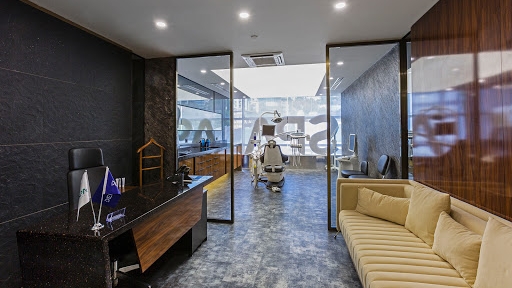 DentSpaIstanbul, Turkey
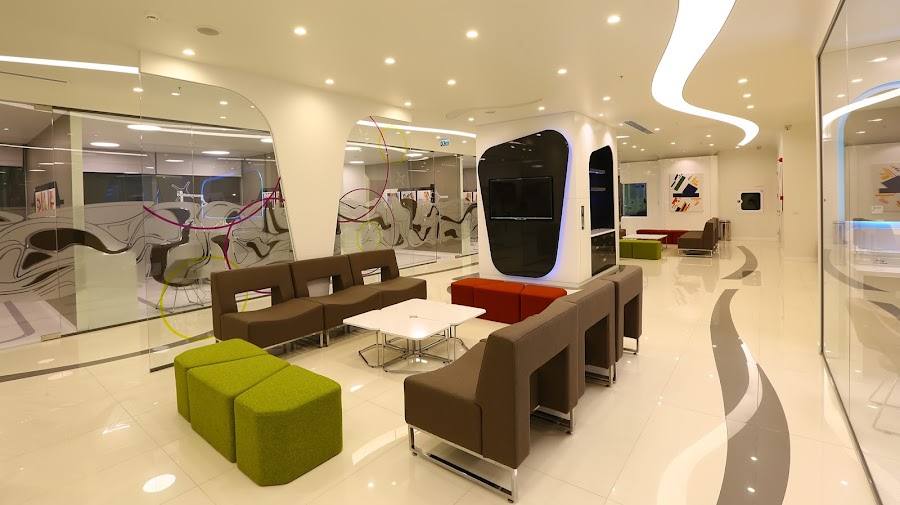 Esnan Dental Clinics Topkapı (Istanbul)Istanbul (Topkapı, Zeytinburnu), Turkey

Written by Saher Shodhan
Saher Shodhan is the founder of Thera Travel, which publishes what the official records show about clinics abroad, each fact with the date it was checked, and answers patients' enquiries, free. More about Thera → How we write and check our guides →
Related posts

Is It Safe to Get Dental Implants Abroad? What to Check in 2026
Turkey teeth: what they are, what they cost and how to check a dentist