
Dental Implants Abroad
What Can Go Wrong? (2026)
Home › Guides › Dental Implants Abroad: What Can Go Wrong? (2026)
Dental implants abroad can fail, get infected or be poorly placed, and 86% of UK dentists have treated complications from treatment overseas. This honest guide covers the real risks, how to reduce them, and what to do if an implant fails after you get home.
The honest starting point
Most dental implants placed abroad succeed. But "most" is not "all," and the failure rate is high enough that the British Dental Association found 86% of UK dentists have treated patients with complications from dental treatment abroad, with implants among the most common. Pretending nothing goes wrong helps no one.
The point of knowing the risks is not to scare you off. It is to help you spot the clinics that cause them, reduce your own odds of a problem, and know what to do if one happens. Implants can and do fail even in the best hands. The job is to stack the odds and be prepared.
Ask us about dental treatment abroad, free
Tell us what you're looking into. We send your enquiry to relevant, pre-vetted clinics, and up to 3 that can help contact you directly.
Thera is free for patients. No clinic can pay to change the prices we publish.
The main things that go wrong
Implant problems fall into a handful of categories.
Implant failure (osseointegration failure). The implant doesn't fuse with the bone and comes loose. This can happen early, if the implant is disturbed or infected before it integrates, or late, from bone loss around it. Smoking, uncontrolled diabetes and poor bone quality all raise the risk.
Infection. Bacteria at the surgical site can infect the implant during healing. Rushed procedures, poor sterilisation and inadequate aftercare all increase the chance.
Peri-implantitis. A gum-and-bone infection around an established implant, similar to gum disease. Left untreated it destroys the bone holding the implant and can eventually lose it. It often develops silently over months or years, which is why long-term maintenance matters.
Poor placement. An implant put in at the wrong angle, too close to a nerve, or without enough bone can cause pain, numbness, or a crown that doesn't fit or bite correctly. Placement errors sometimes only show up once the final teeth go on.
Bite and crown problems. Crowns that meet the opposing teeth wrong cause jaw pain and premature wear. Rushing a full case in too few days leaves no time to check and adjust the bite.
Why these happen more with rushed treatment
None of these risks are unique to treatment abroad. They rise sharply, though, when the timeline is compressed to fit a short trip. Skipping the three-to-six-month healing window, loading implants before they've integrated, and cramming placement and final teeth into a few days all push against the biology. Our two-trip timeline guide explains why the healing gap can't safely be skipped.
The General Dental Council's guidance on going abroad makes the same underlying point: understand exactly what will be done and over what timescale, and make sure a full medical history is taken, because conditions like diabetes change the risk.
Considering a particular clinic? See what the official records say about it, free →
The risks at a glance
| Problem | Why it happens | How to reduce it |
|---|---|---|
| Implant failure | Poor integration, smoking, disturbed healing | Good bone assessment, full healing time, stop smoking |
| Infection | Poor sterilisation, rushed surgery, weak aftercare | Accredited clinic, clear aftercare plan |
| Peri-implantitis | Gum disease around the implant over time | Ongoing UK maintenance and cleaning |
| Poor placement | Wrong angle, too little bone, no scan planning | 3D-scan planning, named surgeon, written plan |
| Bite problems | Rushed fitting, no adjustment time | Two trips, proper bite checks |
Already have a clinic in mind? See what the official records say about it →
The common thread is that most of these are reduced by the same things: a clinic you have checked properly, a realistic timeline, and good aftercare.
How to reduce the risk
You can meaningfully improve your odds before you ever fly.
- Get a UK assessment first. Know your bone quality and any risk factors before a clinic sells you a plan.
- Check the clinic before you choose it. Look it up on its country's official register under the legal name on the quote. Ask for named implant brands such as Straumann, Nobel Biocare, Osstem or Dentium, with warranty cards, and international accreditation such as JCI.
- Insist on scan-based planning. 3D CT planning reduces placement errors.
- Respect the healing time. Two trips over three to six months, not one rushed visit.
- Manage your own risk factors. Stopping smoking and controlling conditions like diabetes genuinely improves implant survival.
- Refuse pressure selling. Same-day, deposit-now decisions correlate with the clinics that cut corners.
Our safety pillar on dental work in Turkey and the guide to choosing a dentist abroad have the full vetting checklists.
The aftercare gap
This is what makes a failure abroad worse than a failure at home, so plan for it.
If your implant fails once you're back in the UK, the NHS will not repair private work done abroad. NHS guidance is clear that it may only offer limited help such as pain relief or removal, not a rebuild. The repair is private, and the BDA reports these repairs commonly cost £500–£1,000 per tooth, with complex cases running to several thousand pounds. That is on top of what you already paid.
Peri-implantitis makes aftercare matter even more, because it develops slowly and needs ongoing monitoring. An implant placed abroad still needs a UK dentist to maintain it for years.
What to do if an implant fails
If something goes wrong, act methodically.
- Contact the original clinic. A reputable clinic will have a revision policy; find out what it covers and whether it pays for a return trip.
- See a UK dentist promptly. For assessment, pain management and to stop a problem worsening, even if the repair itself is private.
- Gather your documents. Your treatment plan, X-rays, scans and implant warranty card are what a UK dentist needs to help. This is why the GDC insists you take copies of everything home.
- Check your insurance. Some medical or travel policies cover complications; know before you need it.
- Weigh repair options. Sometimes the original clinic redoes it, sometimes a UK redo is safer despite the cost.
For the fuller cost picture behind these repairs, see our UK vs Turkey cost comparison, and for the destination detail the dental implants in Turkey cost guide and dental implants abroad hub.
Frequently Asked Questions
How often do dental implants abroad go wrong?
Most succeed, but complications are common enough that the British Dental Association found 86% of UK dentists have treated patients with problems from treatment abroad, implants among the most common. Risk drops sharply with a clinic you have checked properly, scan-based planning and a full healing timeline rather than rushed treatment.
What are the most common problems with implants abroad?
Implant failure to fuse with the bone, infection during healing, peri-implantitis (a gum-and-bone infection around the implant), poor placement, and bite problems from rushed fitting. Most are reduced by the same things: an accredited clinic, 3D-scan planning, proper healing time and good UK aftercare.
What is peri-implantitis?
A gum-and-bone infection around an established implant, similar to gum disease. It develops slowly, often silently over months or years, and if untreated destroys the bone holding the implant, which can eventually loosen it. Ongoing UK dental maintenance and cleaning are the main defence.
What happens if my implant fails after I get home?
Contact the original clinic about its revision policy, and see a UK dentist promptly. The NHS won't repair private work done abroad — it may only offer pain relief or removal. Private UK repairs commonly cost £500–£1,000 per tooth, so keep all records and check any insurance cover.
Can I reduce the risk of an implant failing?
Yes. Get a UK assessment first, choose an accredited clinic using named implant brands with warranties, insist on 3D-scan planning, respect the three-to-six-month healing time over two trips, stop smoking, and control conditions like diabetes. Refusing pressure selling also filters out corner-cutting clinics.
Will the NHS fix a failed implant from abroad?
No. The NHS won't repair private cosmetic or implant work done overseas. It may only offer limited help such as pain relief or removing a failed implant, not a rebuild. Any actual repair is private, which is why budgeting for the risk and keeping all your documentation matters.
Clinics UK patients look at
The four with the most Google reviews among the dental clinics we hold. Each has a free page with its records.
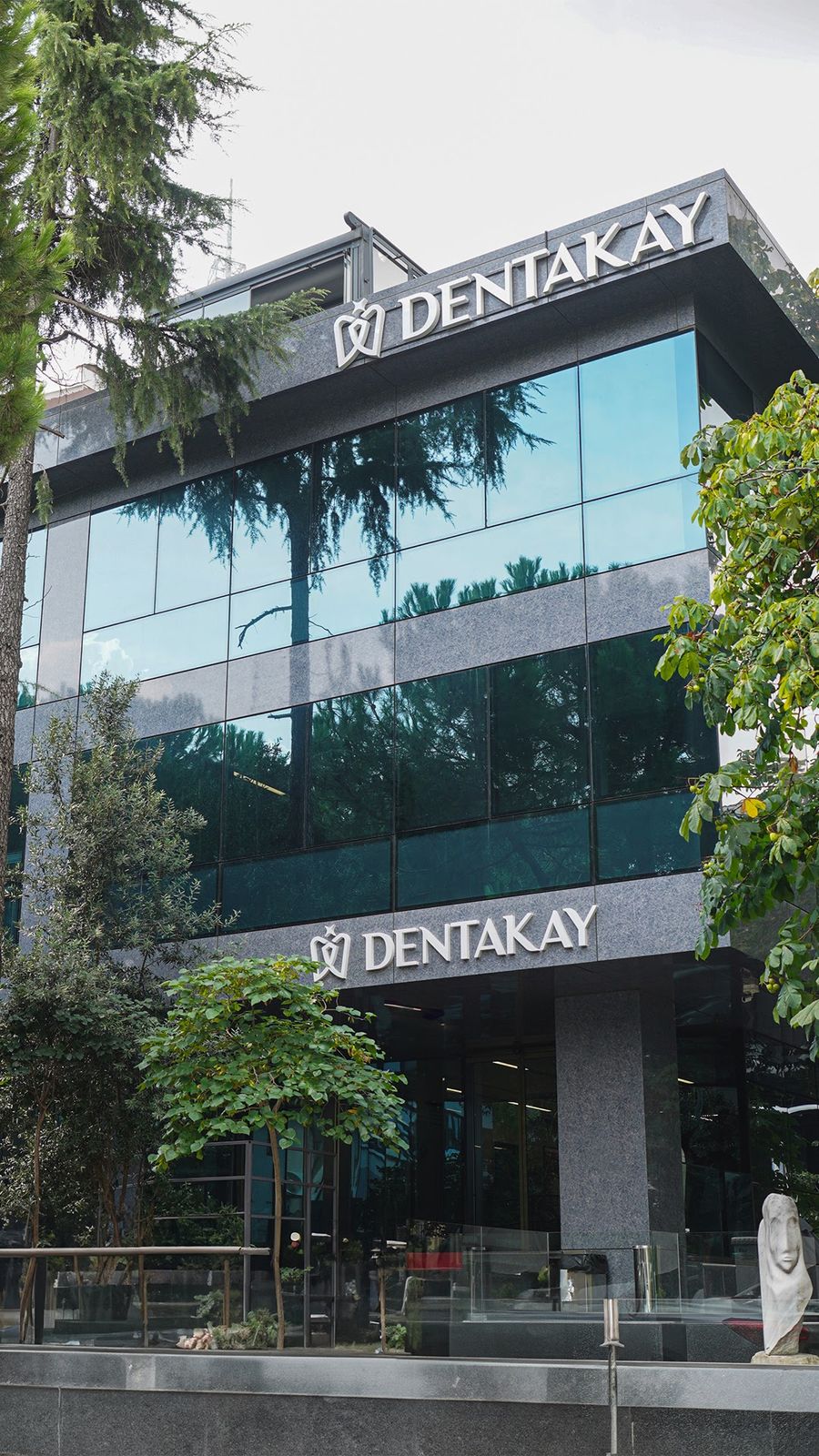 Dentakay Dental ClinicIstanbul, Turkey
 Attelia Oral and Dental Health CenterAntalya (Kızıltoprak, Muratpaşa), Turkey
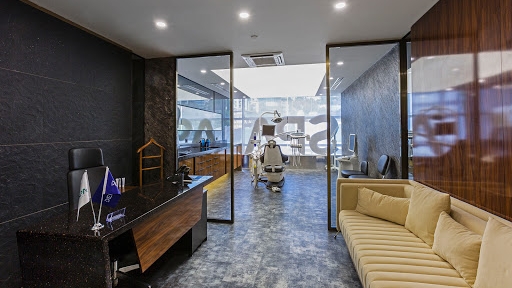 DentSpaIstanbul, Turkey
 Esnan Dental Clinics Topkapı (Istanbul)Istanbul (Topkapı, Zeytinburnu), Turkey

Written by Saher Shodhan
Saher Shodhan is the founder of Thera Travel, which publishes what the official records show about clinics abroad, each fact with the date it was checked, and answers patients' enquiries, free. More about Thera → How we write and check our guides →
Related posts

Is It Safe to Get Dental Implants Abroad? What to Check in 2026
Turkey teeth: what they are, what they cost and how to check a dentist