

Dental Implants Abroad
The Two-Trip Timeline (2026)
Home › Guides › Dental Implants Abroad: The Two-Trip Timeline (2026)

Most dental implants abroad need two trips over three to six months, because the implant must fuse with your jawbone before final teeth go on. This guide explains why, what happens on each trip, the "teeth in a day" caveat, and a full timeline table to plan around.
Why implants need two trips
An implant is a titanium screw placed into your jawbone to replace a missing tooth root. For it to hold a crown that you can bite and chew on, the bone has to grow around and bond to it. That biological process is called osseointegration, and it cannot be rushed. It takes months, not days.
So a proper implant plan splits into two stages. First the implant goes in and is left to integrate. Then, once the bone has locked it in place, the final crown or bridge is fitted on top. Done abroad, each stage is a separate trip, with the healing happening at home in between.
This is why any clinic promising a full set of permanent implant teeth in a single short trip deserves close scrutiny. Sometimes it is genuinely possible. Often it is a sales line that skips the biology. The General Dental Council's guidance on going abroad stresses understanding exactly what will be done and over what timescale before you agree, and the timeline is a big part of that.
Ask us about dental treatment abroad, free
Tell us what you're looking into. We send your enquiry to relevant, pre-vetted clinics, and up to 3 that can help contact you directly.
Thera is free for patients. No clinic can pay to change the prices we publish.
Trip one: placement
The first trip is when the surgery happens. Typically it runs three to seven days and covers:
- Consultation and 3D scans to check bone quality and plan placement.
- Any preparation such as extractions, bone grafting or a sinus lift if you need more bone.
- Implant placement surgery, usually under local anaesthetic.
- Temporary teeth fitted so you are not left with gaps while you heal.
You fly home with the implants in place but not yet loaded with permanent teeth. Some tenderness and swelling for a few days is normal. If bone grafting was needed, healing can take longer before the implant is ready for the next stage.
The healing gap: three to six months
This is the part you cannot compress. Osseointegration typically takes three to six months, depending on the implant site, your bone quality and whether grafting was involved. Lower-jaw implants often integrate faster than upper-jaw ones because the bone is denser.
During this window you wear your temporary teeth, eat sensibly, and keep the area clean. There is nothing to do abroad, so you simply heal at home and stay in touch with the clinic. Rushing this stage is how implants fail, so a clinic that builds in the full healing time is following the biology, not padding the schedule.
Considering a particular clinic? See what the official records say about it, free →
Trip two: fitting the final teeth
Once the implants have integrated, you return for the second trip, usually five to seven days. This covers:
- Uncovering the implants and fitting the abutments that connect implant to crown.
- Impressions or digital scans for the final crowns or bridge.
- Fitting the permanent teeth, often made in an in-house lab during your stay.
- Bite checks and adjustments to make sure the new teeth meet correctly.
The bite check matters more than it sounds. Teeth that meet even slightly wrong can cause jaw pain and premature wear, and this second trip is when there is time to get it right. This is one reason two trips produce better outcomes than one rushed visit.
The timeline at a glance
Here is how a typical single-implant or All-on-4 case spreads out at 2026 timescales.
| Stage | When | What happens | Where |
|---|---|---|---|
| Consultation & scans | Trip 1, day 1–2 | Assessment, 3D imaging, plan confirmed | Abroad |
| Placement surgery | Trip 1, day 2–4 | Implants placed, temporaries fitted | Abroad |
| Healing | Months 1–6 | Osseointegration; wear temporaries | Home |
| Final fitting | Trip 2, day 1–5 | Permanent crowns/bridge, bite check | Abroad |
| Follow-up | Ongoing | UK dentist checks and maintenance | Home |
Already have a clinic in mind? See what the official records say about it →
Two return trips means two sets of flights and two blocks of time off, which is why flight distance and cost matter so much. Short, cheap EU flights make this easier than a long haul — a point our best country for dental implants guide weighs up.
The "teeth in a day" caveat
Some clinics advertise immediate-load implants, or "teeth in a day," where fixed teeth are placed at the same visit as the implants. This is a real technique, not a con, and for the right patient it can genuinely mean one trip.
The caveat is who qualifies. Immediate loading needs good bone density and stable implant placement, so it suits some patients and not others. A clinic that offers it to every enquirer without seeing scans is prioritising the sale over the outcome. Your dentist should assess your bone quality before promising it, and even immediate-load cases often need a return visit to swap the initial fixed teeth for the definitive ones. If you are looking at full-arch work, our All-on-4 abroad cost guide and full-mouth implants guide cover how loading is handled.
Planning around two trips
A few practical points make the timeline manageable.
- Book flights flexibly. The healing gap is a range, not a fixed date, so avoid committing to trip-two flights until the clinic confirms you're ready.
- Budget both trips. Two sets of flights, time off and any hotel nights not in the package.
- Keep your records. Take home all scans, X-rays and the implant warranty card after trip one, as the GDC advises, so a UK dentist can help if anything comes up during healing.
- Line up UK follow-up. Arrange a UK dentist for maintenance before you start.
For the wider process and safety checks, see the dental implants abroad hub, the dental implants in Turkey cost guide, and the is dental work in Turkey safe pillar.
Frequently Asked Questions
Why do dental implants take two trips abroad?
Because the implant must fuse with your jawbone, a process called osseointegration that takes three to six months, before the final crown can be loaded on. Trip one places the implant, then you heal at home, then trip two fits the permanent teeth. Rushing this stage is a common cause of failure.
How long between the two implant trips?
Usually three to six months, depending on the implant site, your bone quality and whether bone grafting was needed. Lower-jaw implants often heal faster than upper-jaw ones. The gap is a range, so wait for the clinic to confirm you're ready before booking your second trip's flights.
Can I get dental implants in one trip abroad?
Sometimes, with immediate-load "teeth in a day" implants, but only if you have good bone density and stable placement. It doesn't suit everyone, and even then a return visit is often needed for the definitive teeth. Be wary of any clinic promising it without seeing your scans first.
How long is each implant trip abroad?
Trip one is typically three to seven days for scans, placement surgery and temporary teeth. Trip two is usually five to seven days for the final crowns or bridge and bite adjustments. Both build in a little recovery and lab time, so don't book the tightest possible schedule.
What happens during the healing period?
You heal at home wearing temporary teeth while the implants integrate with your bone. There's nothing to do abroad. Eat sensibly, keep the area clean, and stay in touch with the clinic. Keep all your records and warranty cards so a UK dentist can help if any issue arises.
Does two trips make implants abroad more expensive?
It adds two sets of flights and time off, which matters most on a single implant where it can eat much of the saving. On larger cases like All-on-4 or full-mouth work the saving of 55–75% easily absorbs the extra travel. Short EU flights keep the cost down.
Clinics UK patients look at
The four with the most Google reviews among the dental clinics we hold. Each has a free page with its records.
 Dentakay Dental ClinicIstanbul, Turkey
 Attelia Oral and Dental Health CenterAntalya (Kızıltoprak, Muratpaşa), Turkey
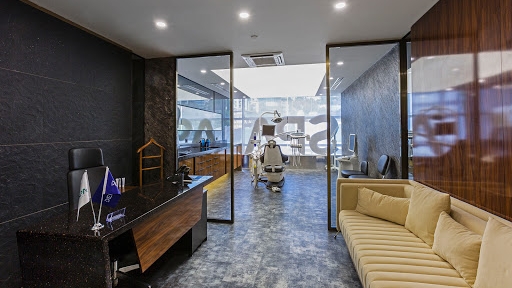 DentSpaIstanbul, Turkey
 Esnan Dental Clinics Topkapı (Istanbul)Istanbul (Topkapı, Zeytinburnu), Turkey

Written by Saher Shodhan
Saher Shodhan is the founder of Thera Travel, which publishes what the official records show about clinics abroad, each fact with the date it was checked, and answers patients' enquiries, free. More about Thera → How we write and check our guides →
Related posts

Is It Safe to Get Dental Implants Abroad? What to Check in 2026
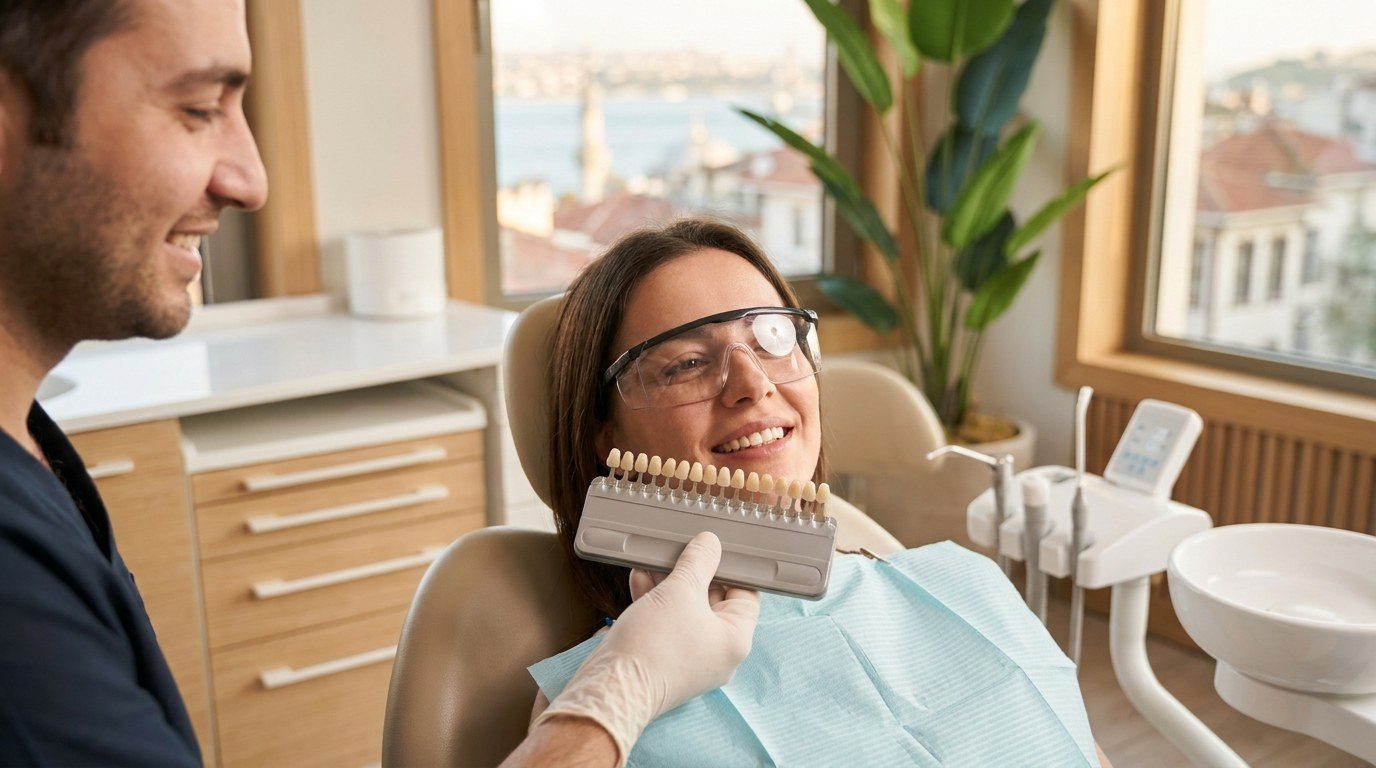
Turkey teeth: what they are, what they cost and how to check a dentist