
Choosing a dentist abroad is the biggest factor in whether treatment succeeds, and 86% of UK dentists have treated complications from overseas work. This guide gives the vetting checklist, the questions to ask, and the red flags that should make you walk away.
Why the clinic matters more than the country
Every dental-tourism country has excellent clinics and poor ones. The price you pay and the flight you take barely move your odds of a good result. The clinic you choose is almost everything. This is why the British Dental Association's finding that 86% of UK dentists have treated complications from treatment abroad should shape how you shop, not scare you off entirely. Those complications cluster in the clinics that skip the basics below.
So treat clinic selection as the main job, not an afterthought once you've picked a country. The following checklist is what separates a safe choice from a gamble.
Ask us about dental treatment abroad, free
Tell us what you're looking into. We send your enquiry to relevant, pre-vetted clinics, and up to 3 that can help contact you directly.
Thera is free for patients. No clinic can pay to change the prices we publish.
The vetting checklist
Work through this before you pay any deposit.
- Regulation and accreditation. Check how the clinic is regulated in its country and whether it holds international accreditation such as JCI. In the EU, clinics work under EU regulation, which is closer to what UK patients expect. Outside it, your own checks carry more weight.
- Named clinician. Find out who will actually perform your treatment, not just the clinic brand. A named dentist you can look up is a good sign.
- Written treatment plan. Insist on a plan that names each tooth, each material, and for implants the exact brand and whether bone grafting is included.
- Implant brand and warranty. Reputable clinics fit named systems such as Straumann, Nobel Biocare, Osstem, Dentium or AlphaBio, and provide a warranty card recording the exact system fitted.
- Medical history. A safe clinic takes a full medical history before agreeing treatment. If nobody asks about your health, that is a safety check being skipped.
- Realistic timeline. Implants need three to six months to heal, so a genuine plan spans two trips. Be wary of everything promised in a few days.
- Aftercare and revisions. Confirm what happens if something needs adjusting, who pays for a return, and how the clinic supports UK follow-up.
The General Dental Council's guidance on going abroad for dental treatment reinforces most of this: understand exactly what will be done, make sure a full medical history is taken, and get copies of all your records before you leave.
Considering a particular clinic? See what the official records say about it, free →
The questions to ask
Send these before booking. How a clinic answers tells you as much as what it answers.
| Question | What a good answer looks like |
|---|---|
| Who will carry out my treatment? | A named dentist you can verify |
| What implant brand do you use? | A specific named system, confirmed in writing |
| Can I have a written treatment plan? | Yes, itemised by tooth and material |
| How long will treatment really take? | Two trips for implants, with a healing gap |
| Is bone grafting included if I need it? | A clear yes or a priced add-on, not a shrug |
| What happens if it fails after I go home? | A stated revision policy, not "it won't" |
| Will I get copies of all my records? | Yes, X-rays, scans and prescriptions |
Already have a clinic in mind? See what the official records say about it →
A clinic that answers these clearly and in writing is showing you how it works. One that dodges them, or keeps steering back to the package price, is telling you something too.
Verifying qualifications
You can do more checking than most patients realise.
In the EU, dentists are registered with a national regulator, and you can ask which body and for a registration number. In Turkey, dentists register with the Turkish Dental Association and health ministry; ask for the clinician's name and credentials and check they hold a dental degree, not just that the clinic looks modern.
Be specific about who does what. In some clinics, coordinators and assistants handle far more than they should. You want the person filing your teeth or placing your implants to be a qualified dentist or oral surgeon, and you want their name. If a clinic won't tell you who is treating you, that is a serious problem.
Cross-check reviews across more than one platform, and weight recent, detailed reviews over a wall of five-star ratings. Look specifically for patients describing the same clinician and the aftercare they received, not just the airport transfer.
Documentation you must get
Paperwork is not bureaucracy here. It is what lets a UK dentist help you later, and what protects you if something fails.
- Full treatment plan naming materials and procedures.
- Implant passport or warranty card recording the exact system and batch.
- All X-rays and CT scans, taken home with you.
- Prescriptions for any medication given.
- A written aftercare plan and revision policy.
The GDC is explicit that you should get copies of all records, scans, X-rays and prescriptions before you leave the country. A clinic that keeps everything and hands you nothing has taken away your ability to get help at home. Our safety pillar explains why the aftercare gap makes this documentation so important.
Red flags: walk away if you see these
- Pressure selling. Same-day decisions, deposit-now discounts and countdown timers. Confident clinics give you time.
- Overtreatment. Recommending 20 crowns for healthy teeth. Wanting a whiter smile is not a clinical reason to crown healthy teeth — our Turkey teeth guide explains why crowns are usually the wrong choice here.
- No named clinician or brand. "We'll decide when you arrive" for either the dentist or the implant system.
- Everything in days. Full-mouth implant work promised in one short trip, ignoring healing time. See the two-trip timeline.
- No aftercare answer. A clinic that won't say what happens if treatment fails.
How a comparison engine helps you choose
The hard part of choosing a dentist abroad is that every clinic markets the same white smiles and five-star reviews, so the signal that predicts a good result gets buried. A comparison engine surfaces it. So Thera Travel has no reason to push you towards any clinic or package. You see clinics side by side on regulation, named implant brands and documented plans rather than on marketing. You still choose, and your own dentist still assesses your case. For the destinations themselves, see the dental implants abroad hub and the best country for dental implants comparison.
Frequently Asked Questions
How do I choose a good dentist abroad?
Vet the clinic, not the package. Get a written treatment plan naming each material and implant brand, confirm who will treat you, check regulation or accreditation, take home all your records, and walk away from pressure selling. Have a UK dentist assess you first so you know what you actually need.
How can I check a foreign dentist's qualifications?
Ask for the treating clinician's name and registration. EU dentists register with a national regulator; Turkish dentists register with the health ministry and dental association. Confirm the person doing the work is a qualified dentist, not an assistant, and cross-check reviews across more than one platform.
What questions should I ask a dental clinic abroad?
Who will carry out my treatment, what implant brand do you use, can I have a written plan, how long will it really take, is bone grafting included, what happens if it fails, and will I get copies of all my records. How clearly a clinic answers in writing is itself a signal.
What documents should I take home from treatment abroad?
Your full treatment plan, the implant passport or warranty card, all X-rays and CT scans, prescriptions, and a written aftercare plan. The General Dental Council advises getting copies of all records before you leave, because a UK dentist needs them to help you later.
What are the biggest red flags with a dentist abroad?
Pressure selling and same-day discounts, recommending many crowns on healthy teeth, refusing to name the clinician or implant brand, promising full implant work in a few days, and no answer on what happens if treatment fails. Any of these is a reason to look elsewhere.
Is it safer to choose a dentist in the EU?
EU clinics work under EU regulation, which some patients prefer as a safety net, and flights are shorter for the two-trip implant process. It is a genuine trade-off against Turkey's lower prices. The clinic still matters more than the country — compare them in our best country guide.
Clinics UK patients look at
The four with the most Google reviews among the dental clinics we hold. Each has a free page with its records.
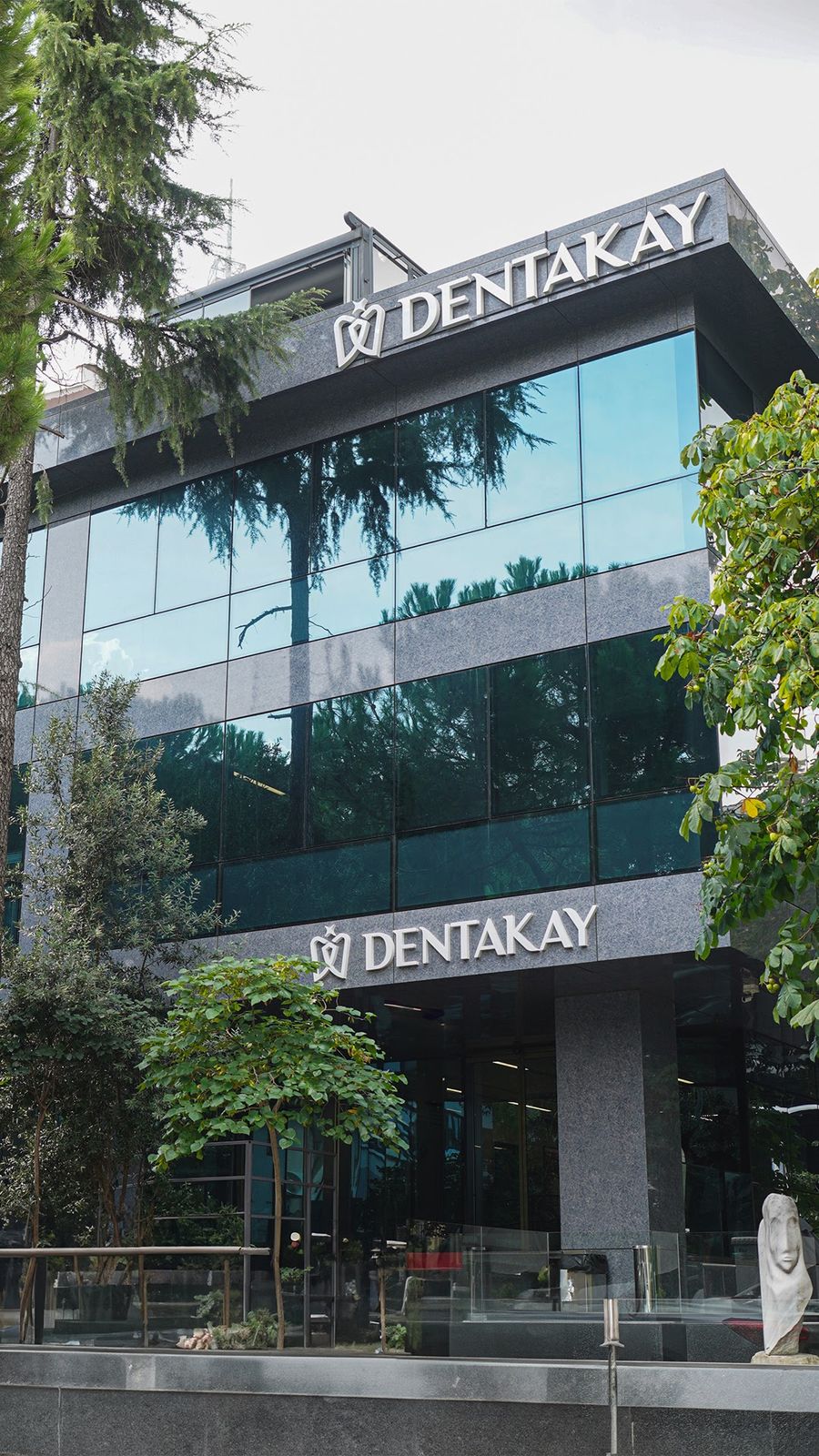 Dentakay Dental ClinicIstanbul, Turkey
 Attelia Oral and Dental Health CenterAntalya (Kızıltoprak, Muratpaşa), Turkey
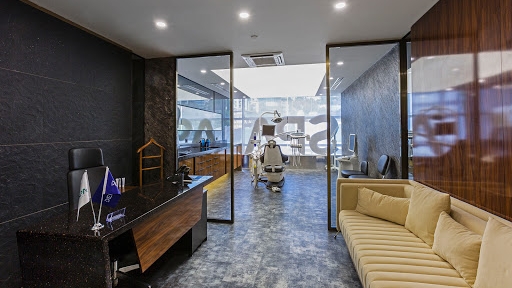 DentSpaIstanbul, Turkey
 Esnan Dental Clinics Topkapı (Istanbul)Istanbul (Topkapı, Zeytinburnu), Turkey

Written by Saher Shodhan
Saher Shodhan is the founder of Thera Travel, which publishes what the official records show about clinics abroad, each fact with the date it was checked, and answers patients' enquiries, free. More about Thera → How we write and check our guides →
Related posts

Is It Safe to Get Dental Implants Abroad? What to Check in 2026
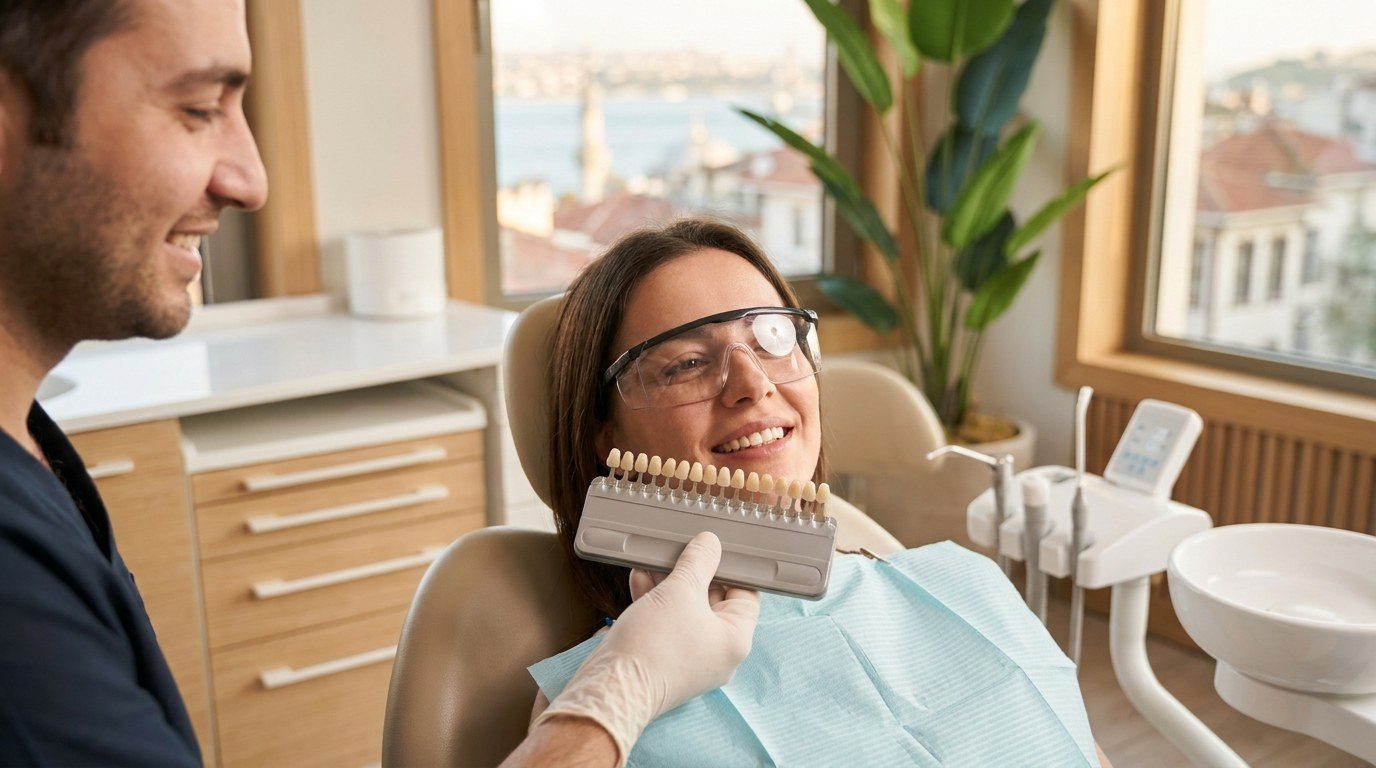
Turkey teeth: what they are, what they cost and how to check a dentist