

Scoliosis Surgery in Poland
The UK Patient's Complete Guide (2026)
Home › Guides › Scoliosis Surgery in Poland: The UK Patient's Complete Guide (2026)
Executive Summary
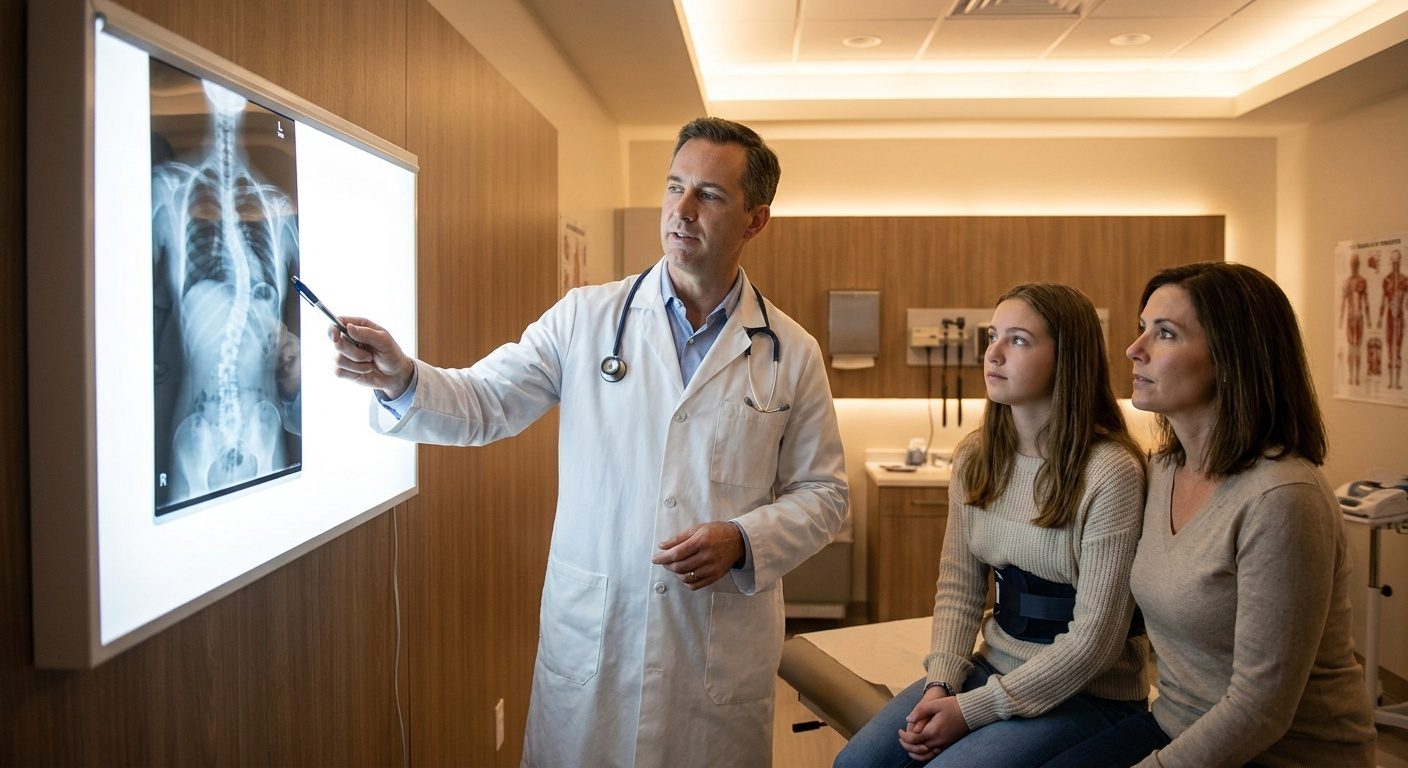
Scoliosis correction is one of the most significant and costly orthopaedic procedures available — and for UK families facing UK private quotes of £18,000–£50,000, Poland offers a clinically credible alternative at 50–65% lower cost. Polish specialist spinal centres perform posterior fusion, vertebral body tethering, and complex multi-curve corrections using Medtronic and DePuy Synthes hardware at EU-accredited facilities. This guide covers procedure types, the clinical criteria for operating, what Polish packages include, what the patient journey looks like from UK referral to return flight, and the questions families should ask before committing.
Who scoliosis surgery is for
Scoliosis surgery is not performed on most patients with scoliosis. The decision to operate is driven by a combination of curve severity, progression rate, patient age, and the impact on breathing and quality of life.
General surgical thresholds
- Curves over 45–50 degrees (Cobb angle): Surgical correction is typically recommended. Curves above this threshold tend to progress even after skeletal maturity.
- Progressive curves in skeletally immature patients: Faster-growing patients may be offered growing-rod systems or vertebral body tethering to control progression while preserving growth.
- Curves causing significant cosmetic deformity, pain, or cardiorespiratory compromise: May be considered for surgery at lower thresholds in selected cases.
If your spinal consultant has recommended surgery, the Polish surgeon will review the same imaging and confirm or modify that assessment. Polish clinics will not operate on patients they do not believe meet the clinical threshold — this is stated explicitly in the pre-operative assessment process.
Ask us about an operation abroad, free
Tell us what you're looking into. We send your enquiry to relevant, pre-vetted clinics, and up to 3 that can help contact you directly.
Thera is free for patients. No clinic can pay to change the prices we publish.
Procedures available in Poland
Posterior Spinal Fusion (PSF)
The most common scoliosis correction procedure globally. Pedicle screws are placed in the vertebrae on both sides of the curve, connected by rods that correct the alignment and hold the spine in position while bone fuses across the segments. The surgery is performed through an incision on the patient's back (posterior approach).
Posterior fusion is the standard for adolescent idiopathic scoliosis and most adult degenerative scoliosis. It is a long and technically demanding operation — typically 4–8 hours depending on curve length — with neuromonitoring used throughout to protect the spinal cord. Inpatient stay is 7–10 nights.
Vertebral Body Tethering (VBT)
A growth-modulation technique for skeletally immature patients with curves typically in the 40–65 degree range. Screws are placed in the vertebral bodies from an anterior (front) approach; a flexible cord runs through them. As the patient continues to grow, the tether corrects the curve progressively. It preserves spinal movement rather than fusing segments.
VBT is technically complex and only suitable for specific patients — curve pattern, flexibility, and remaining growth are all criteria. Not every clinic performs it; only some Polish centres have a dedicated VBT programme, so ask before you go further.
Complex / Revision Correction
Multi-curve deformity corrections, adult degenerative scoliosis with multiple levels, or revision of failed prior surgery. These are the longest and most involved procedures, requiring the highest surgical volume and experience. Quoted individually.
Cost comparison: Poland vs UK private
| Procedure | UK Private (self-pay) | Poland Package (typical) | Typical Saving |
|---|---|---|---|
| Posterior Spinal Fusion (single curve) | £16,000 – £20,000 | From £8,000 | ~55% |
| Vertebral Body Tethering (VBT) | £20,000 – £35,000 | From £12,000 | ~50% |
| Complex / Multi-Curve / Revision | £30,000 – £50,000+ | From £16,000 | ~50% |
Already have a clinic in mind? See what the official records say about it →
Poland packages use Medtronic or DePuy Synthes pedicle screw systems. All-inclusive: surgery, 7–10 nights inpatient, neuromonitoring, pre-op imaging, anaesthetist, transfers, coordinator, translated discharge documentation.
What's included in the Poland package
| Item | Included? | Notes |
|---|---|---|
| Pre-op video consultation with spinal surgeon | Yes | Full imaging review; written surgical plan and candidacy assessment |
| Pre-operative imaging on arrival (full-spine standing X-ray) | Yes | EOS or full-spine standing X-rays; CT if required |
| Surgery with intraoperative neuromonitoring (IONM) | Yes | Continuous spinal cord monitoring throughout the procedure |
| All hardware (pedicle screws, rods, bone graft) | Yes | Medtronic or DePuy Synthes systems |
| Inpatient stay 7–10 nights (private room) | Yes | Complex cases may require longer; confirmed at pre-op stage |
| In-patient physiotherapy and mobilisation | Yes | Daily from day 1 post-surgery; walking protocol supervised |
| Airport transfers (both ways) | Yes | Accessible vehicle for a patient recently discharged from spinal surgery |
| Translated discharge documentation for UK GP | Yes | Full operative report, hardware details, imaging, follow-up plan |
The patient journey
Initial contact: You send your imaging and surgical history to the specialist clinic. Its spinal team reviews whether your case is appropriate.
Pre-operative consultation: A video consultation with the operating surgeon. The surgeon reviews your full-spine imaging, confirms the diagnosis, explains the planned correction, and outlines the risks specific to your case. This is not a rubber-stamping exercise — the surgeon will tell you if they do not believe you are a surgical candidate.
Surgery: You travel to Poland with a parent or companion (minors must travel with a parent or guardian). Surgery is performed under general anaesthetic with continuous neuromonitoring. The neuromonitoring team alerts the surgeon immediately if any spinal cord signal change is detected during the procedure.
Inpatient recovery: 7–10 nights in a private hospital room. Physiotherapy begins on day 1. You will be standing and walking within 24–48 hours of surgery under physiotherapist supervision.
Discharge and return: Fit-to-fly assessment before discharge. You return to the UK with your surgical notes, hardware documentation, imaging, and a physiotherapy protocol for your UK team. Minors should return in a seated position with regular standing breaks; reclining seats are recommended where available.
UK follow-up: Your UK GP manages the immediate post-operative period. Follow-up imaging (typically at 3 and 6 months) can be arranged through your NHS consultant or a private radiologist. Before you travel, ask the Polish clinic how your UK team can reach the operating surgeon if they need to.
Questions families must ask before booking
Scoliosis surgery carries the highest risk profile of any orthopaedic procedure. These are non-negotiable questions.
- Surgical volume. How many scoliosis corrections — specifically posterior fusion — does the operating surgeon perform per year? Fewer than 30 per year is low; above 60 is reassuring.
- Neuromonitoring. Is continuous intraoperative neuromonitoring (IONM) used? What is the protocol if a signal change is detected?
- Imaging review. Has the surgeon reviewed recent full-spine standing X-rays — not just the referral letter — before agreeing to operate and providing a quote?
- Hardware brand. Confirm the pedicle screw system by manufacturer name.
- Complication protocol. What is the written protocol for neurological complications, wound infection, or hardware failure post-operatively? How does the clinic communicate with a UK treating team?
- VBT candidacy. If you have been told VBT is an option, has the surgeon specifically confirmed that your curve pattern, flexibility, and remaining growth are consistent with VBT success criteria?
Frequently Asked Questions
Is scoliosis surgery in Poland safe?
Poland is an EU member state. Its internationally-facing private hospitals operate under European regulatory frameworks for hospital accreditation, patient rights, and medical device standards. The hardware used — pedicle screws and rods from Medtronic or DePuy Synthes — carries CE marking and is identical to that used across UK private practice. The key variable is surgeon experience and case volume, so ask for the named surgeon's complex spinal case numbers in writing.
Is scoliosis surgery appropriate for adults as well as adolescents?
Yes. Adult degenerative scoliosis — where age-related disc and facet joint degeneration causes progressive curvature and spinal stenosis — is a distinct condition from adolescent idiopathic scoliosis and often requires different surgical approaches. Polish specialist centres have experience with both. Adult cases are quoted and assessed individually given the greater complexity.
Can my child travel to Poland alone?
No. Minors must travel with a parent or legal guardian throughout the trip. Polish medical providers require parental consent in writing before a minor undergoes surgery. Ask the clinic in advance exactly which documents it needs.
How does the return flight work after spinal fusion?
You will fly home approximately 10–14 days after surgery, once cleared by the operating team. A fit-to-fly assessment is completed before discharge. You should book an aisle seat, stand and walk regularly during the flight, and travel with a companion who can assist. Reclining-seat options (premium economy or business) reduce discomfort and are worth considering for the return flight from Poland (approximately 2.5 hours from Warsaw to most UK airports).
What follow-up imaging is needed after scoliosis surgery?
Standard follow-up is full-spine X-rays at 3 months, 6 months, and 12 months, then annually. These can be arranged through your NHS consultant, a private radiologist, or in some cases through a GP referral. It is worth arranging this before you travel, and your discharge documentation will specify exactly what imaging is required and when.
Next Steps
Scoliosis surgery is a decision that takes time to research and confidence to make. Alongside the questions above, check the clinic itself before you commit:
- Find the hospital on Poland's official register of healthcare providers, under the legal name on the quote.
- Get the operating surgeon's name in writing and check them on the Polish medical register.
- Read the reviews, including the low-rated ones, and check that the Google listing is the actual hospital.
- Get the quote itemised in writing, showing what is included and what is not.
- Ask what happens if something goes wrong once you are home.
Our 15 questions to ask a clinic help with the wording. Thera Travel never recommends a clinic. You can see what the official records say about a Polish spinal centre, free.
Related Guides
- Scoliosis Surgery Cost in Poland: What UK Patients Actually Pay
- Spinal Surgery in Poland: The Complete UK Patient Guide
- Spinal Fusion Cost in Poland: A 2026 Guide for UK Patients
- Best Country for Orthopaedic Surgery Abroad: UK Guide
Clinics we hold in Poland
The orthopaedic clinics and hospitals in Poland that have a free summary page: the register entry we found, the Google listings and any published prices. Thera is free for patients. No clinic can pay to change the prices we publish.
Nowy Targ (Małopolska, ~90 km south of Kraków)

Jelenia Góra


Warsaw
Komorowice (near Wrocław)
Clinics UK patients look at
The four with the most Google reviews among the orthopaedic clinics we hold. Each has a free page with its records.
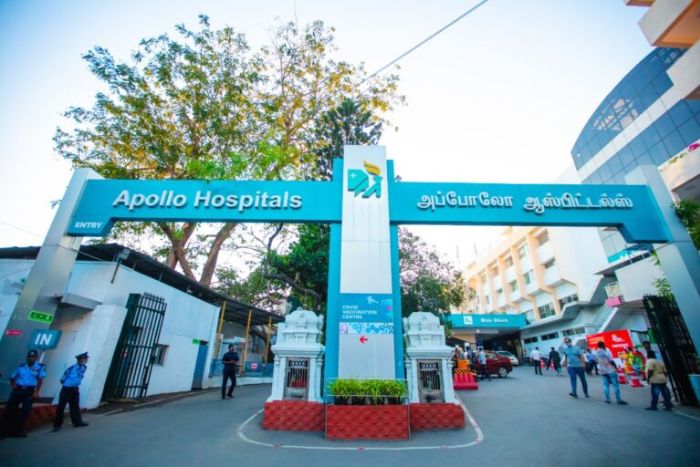 Apollo Hospitals, Greams Road, ChennaiChennai, India
 KIMS-Sunshine Hospitals, BegumpetHyderabad (Begumpet), India
 Yashoda Hospitals, SomajigudaHyderabad (Somajiguda, Raj Bhavan Road), India
 Yashoda Hospitals, MalakpetHyderabad (Malakpet, Nalgonda X Roads), India

Written by Saher Shodhan
Saher Shodhan is the founder of Thera Travel, which publishes what the official records show about clinics abroad, each fact with the date it was checked, and answers patients' enquiries, free. More about Thera → How we write and check our guides →
Related posts
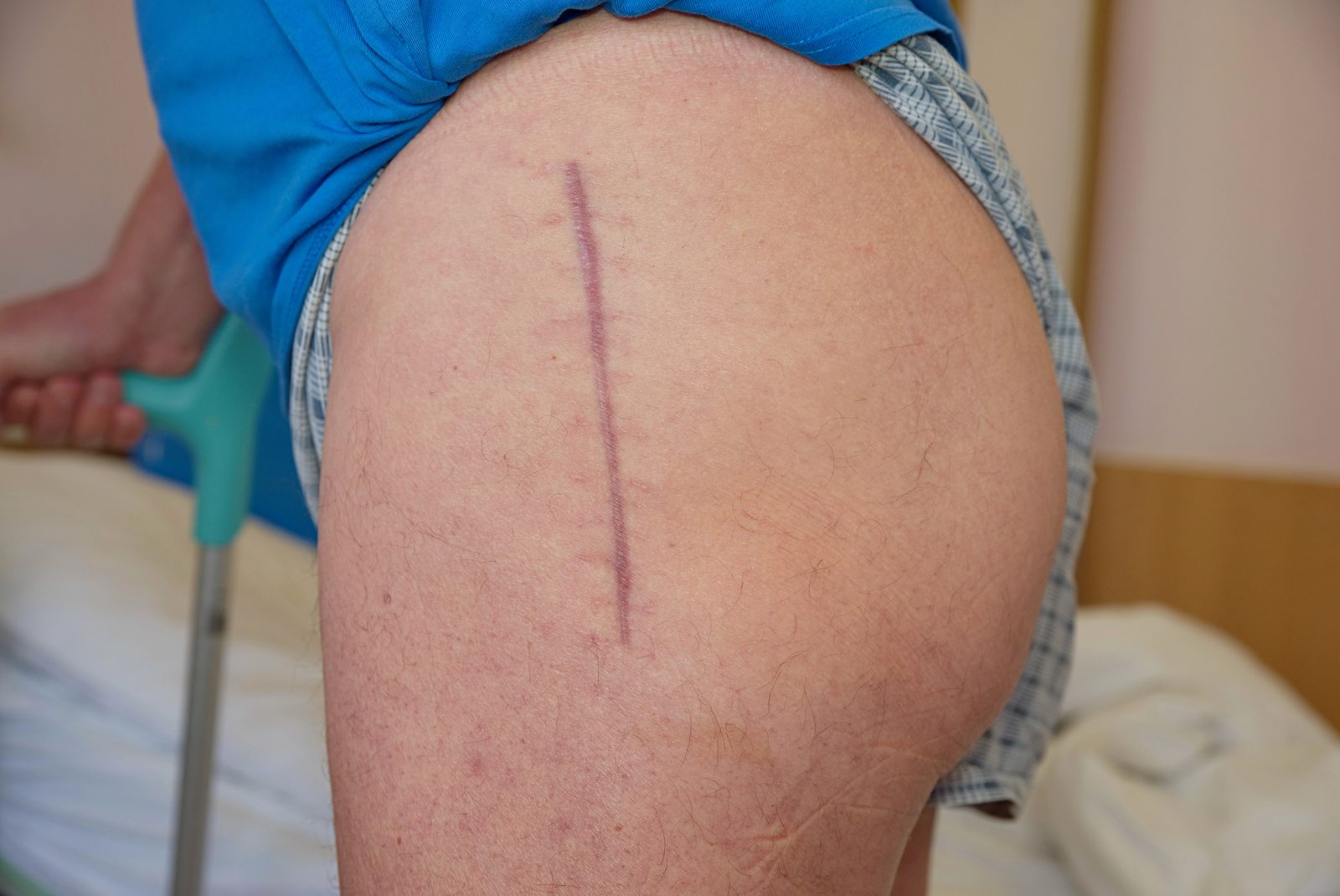
Hip and knee replacement abroad from Ireland: costs, waits and HSE refunds

Hip resurfacing cost in the UK (2026)