

Spinal Surgery in Poland
The Complete UK Patient Guide (2026)
Home › Guides › Spinal Surgery in Poland: The Complete UK Patient Guide (2026)
Executive Summary
More than 860,000 UK patients are on NHS orthopaedic waiting lists. Spinal conditions — from herniated discs requiring a discectomy to multi-level degeneration requiring fusion — are among the longest waits. Poland has become the leading European destination for UK spinal patients seeking faster access to surgery at a fraction of UK private costs, without compromising on implant quality, surgeon training, or post-operative support. This guide covers every spinal procedure available in Poland, how to assess quality and safety, what the patient journey looks like from consultation to flying home, and how to avoid the pitfalls that catch unprepared patients out.
Why UK patients are choosing Poland for spinal surgery
The NHS trauma and orthopaedics list exceeded 800,000 patients as of early 2024, with the British Orthopaedic Association confirming growth to 850,000+ by September 2024. For patients with degenerative spinal conditions causing pain, mobility loss, or neurological symptoms, a two-to-three year wait is not a clinical inconvenience — it is a period of continued tissue damage, muscle wasting, and declining quality of life.
Self-funding spinal surgery privately in the UK is possible, but pricing is opaque and expensive. A single-level lumbar discectomy at a UK private hospital typically costs £8,000–£14,000. A lumbar spinal fusion starts at £16,000 and rises well above £25,000 for complex multi-level procedures. Anaesthetist fees, imaging, and follow-up are often billed separately.
Poland offers the same procedures, using the same implant manufacturers (Medtronic, DePuy Synthes, Stryker), performed by neurosurgeons trained to EU standards, at 40–60% lower cost. The country is a two-hour flight from most UK airports, an EU member state since 2004, and has invested heavily in its private hospital sector over the past two decades.
Ask us about an operation abroad, free
Tell us what you're looking into. We send your enquiry to relevant, pre-vetted clinics, and up to 3 that can help contact you directly.
Thera is free for patients. No clinic can pay to change the prices we publish.
Spinal procedures available in Poland
Polish spinal centres offer the full range of procedures UK patients need. The five most requested by UK patients are:
Lumbar Discectomy
A discectomy removes part or all of a herniated (slipped) disc that is pressing on a spinal nerve root. It is one of the most common spinal operations performed globally and has excellent outcomes for the right candidate — typically a patient with sciatica, leg pain, or weakness caused by a disc pressing directly on a nerve.
Polish neurosurgeons perform lumbar discectomy as a standard procedure. Most UK patients are admitted the evening before surgery, operated on the following morning, and discharged within two to three days.
Microdiscectomy
A microdiscectomy is a minimally invasive version of the standard discectomy. The surgeon operates through a much smaller incision using magnification and fine instruments, removing only the portion of disc material that is causing nerve compression. Blood loss and tissue disruption are significantly reduced compared with open discectomy, and recovery is faster.
Microdiscectomy is now the preferred approach for suitable candidates at high-volume Polish spinal units. The technical demands are higher than open discectomy, so surgical volume matters — ask specifically how many microdiscectomies the operating surgeon performs each year.
Lumbar Decompression Surgery
Lumbar decompression (also called a laminectomy or laminotomy) addresses spinal stenosis — a narrowing of the spinal canal that compresses the spinal cord or nerve roots. It is most common in patients over 60 with progressive leg pain, heaviness, or weakness that worsens on walking (neurogenic claudication).
The procedure involves removing bone and soft tissue to widen the spinal canal and relieve pressure. It does not involve fusion unless the spine is also unstable. Recovery is typically four to six weeks before return to light activity.
Spinal Fusion Surgery
Spinal fusion permanently joins two or more vertebrae together using bone graft material and metalwork (rods, screws, and interbody cages). It is performed for degenerative disc disease, spondylolisthesis (vertebral slippage), spinal instability, or after a failed disc surgery.
Fusion approaches include TLIF (transforaminal lumbar interbody fusion), PLIF (posterior lumbar interbody fusion), and ALIF (anterior lumbar interbody fusion), each suited to different anatomy and pathology. Polish spinal centres routinely perform all three. Inpatient stay is typically five to seven nights.
Scoliosis Surgery
Scoliosis surgery (spinal fusion to correct abnormal lateral curvature) is performed in Poland for both adolescent idiopathic scoliosis and adult degenerative scoliosis. It is a complex, multi-level procedure with a long inpatient stay (typically seven to ten days) and a longer recovery period than single-level procedures.
UK patients considering scoliosis surgery abroad should confirm that the operating surgeon has a dedicated scoliosis practice and performs the procedure regularly. Volume matters significantly for outcomes in complex deformity surgery.
Why Poland specifically
Surgeon training and oversight
Polish spinal surgeons follow EU-standardised postgraduate training pathways, are required to hold specialist registration, and operate under the oversight of the Polish Chamber of Physicians. Many senior neurosurgeons at Poland's leading private hospitals have trained in Germany, Austria, or the UK and hold dual professional registrations.
Implant quality
The implant systems used in Polish private hospitals are identical to those used in UK private practice. Medtronic, DePuy Synthes (Johnson & Johnson), Stryker, and NuVasive are all commonly used in Polish private hospitals. Ask which brand and model will be used in your operation, and get it in writing.
Hospital accreditation
Poland's internationally-facing private hospitals hold ISO 9001 certification and, in several cases, Joint Commission International (JCI) accreditation — the gold standard for international hospital safety. EU membership means regulatory frameworks for hospital standards, pharmacovigilance, and patient rights apply in Poland.
Proximity and logistics
Poland is a two-hour direct flight from London, Manchester, Edinburgh, and most UK regional airports. The return flight after spinal surgery — a legitimate concern — is manageable because of the short duration. Patients are advised to travel with a companion, book an aisle seat, and get a fit-to-fly assessment before discharge. This is not comparable to travelling to India, Thailand, or Turkey for an eight to twelve hour flight home after spinal surgery.
The UK patient journey: step by step
Step 1 — Initial enquiry and imaging review
You contact the clinic, provide a brief history, and share any existing MRI scans. If you don't have recent imaging, it can usually be obtained privately in the UK at short notice. Before going further, check the clinic and surgeon on their official registers (see the questions below).
Step 2 — Surgeon consultation
A pre-operative video consultation with the operating surgeon. The surgeon reviews your imaging, confirms the diagnosis, explains the appropriate procedure, and outlines what the surgical plan involves. You receive a written surgical opinion.
Step 3 — Treatment plan and quote
Ask for a fixed-price, itemised quote in writing, listing everything that is included and anything that would be billed separately.
Step 4 — Booking and travel
You confirm admission dates with the hospital and arrange accommodation and airport transfers, either yourself or through the hospital’s international patient office. You travel to Poland — typically the evening before surgery.
Step 5 — Surgery and inpatient recovery
Surgery, inpatient stay, physiotherapy, and pain management are managed by the hospital team. Many Polish hospitals that treat UK patients have an English-speaking patient coordinator; ask before you book.
Step 6 — Discharge and return
A fit-to-fly assessment is completed before discharge. You return to the UK with translated surgical notes, imaging records, implant documentation, and a post-operative care plan written for your GP.
Step 7 — UK aftercare
Your UK GP receives the full surgical report. Book a follow-up appointment with a UK spinal consultant or physiotherapist within two weeks of returning.
What's typically included in a Poland spinal package
Packages vary by clinic. The items below are commonly included in all-inclusive spinal packages at Polish private hospitals. Check each one against your written quote.
| Item | Commonly included? | Notes |
|---|---|---|
| Pre-op surgeon consultation (video) | Yes | Imaging review included; written opinion provided |
| Pre-operative blood tests, ECG | Yes | Carried out on admission day |
| Surgery and all implants / hardware | Yes | Commonly Medtronic, DePuy Synthes or Stryker; ask for the brand and model in writing |
| General anaesthetic with neuromonitoring | Yes | Standard for all fusion and complex decompression cases |
| Inpatient stay (private room) | Yes | 2–3 nights (discectomy) to 7–10 nights (scoliosis/multi-level fusion) |
| In-patient physiotherapy and mobilisation | Yes | Daily sessions from day 1 post-surgery |
| Airport transfers (both directions) | Yes | Accessible vehicle arranged for post-surgical transport |
| English-speaking patient coordinator | Yes | Available throughout your stay |
| Translated surgical notes for UK GP | Yes | Full operative report, implant records, discharge summary |
| Fit-to-fly assessment | Yes | Completed before discharge; documentation provided for travel insurance |
Already have a clinic in mind? See what the official records say about it →
Cost comparison: Poland vs. UK private
| Procedure | UK Private (self-pay) | Poland (all-inclusive package) | Indicative difference |
|---|---|---|---|
| Lumbar Discectomy | £8,000 – £14,000 | Varies by clinic | 40–55% |
| Microdiscectomy | £9,000 – £15,000 | Varies by clinic | 40–55% |
| Lumbar Decompression | £10,000 – £16,000 | Varies by clinic | 40–50% |
| Spinal Fusion (single-level) | £16,000 – £21,000 | £7,500 – £8,500 | ~55% |
| Scoliosis Surgery (multi-level) | £25,000 – £40,000+ | Varies by clinic | 40–50% |
UK private figures are indicative ranges based on published hospital tariff data. The Poland spinal fusion figure is for an all-inclusive package (surgery, Medtronic/DePuy Synthes implants, 5–7 nights inpatient, neuromonitoring, transfers, coordinator). Discectomy, decompression, and scoliosis prices vary by clinic and case, so ask each clinic for an itemised quote. Differences are indicative, not a promise of what you will pay.
Recovery timelines
Recovery varies significantly by procedure type. These are realistic timelines for UK patients returning home after surgery in Poland.
Lumbar Discectomy / Microdiscectomy
- Days 1–3: Inpatient stay; walking encouraged from day 1
- Days 3–5: Fit for return flight (short haul, aisle seat)
- Weeks 1–4: Walking, gentle movement; avoid prolonged sitting or bending
- Weeks 4–8: Physiotherapy begins; gradual return to desk work
- Months 2–3: Return to most normal activities; symptoms typically resolved
Lumbar Decompression
- Days 1–4: Inpatient stay; physiotherapy-assisted mobilisation
- Days 4–6: Fit for return flight
- Weeks 1–6: Walking-focused recovery; avoid heavy lifting or twisting
- Months 2–3: Gradual return to work and activity
Spinal Fusion
- Days 1–5 (or 7): Inpatient stay with neuromonitoring; gradual mobilisation
- Days 5–8: Fit to fly home with companion; lumbar support recommended
- Weeks 1–6: Limited to walking; wound care via GP
- Weeks 6–12: Physiotherapy in earnest; return to light duties
- Months 3–6: Bone fusion progresses; activity increases progressively
- Months 6–12: Fusion confirmed on follow-up imaging
Questions to ask before booking any spinal surgery abroad
Spinal surgery carries higher stakes than hip or knee replacement. Before you book, check the clinic and the surgeon yourself:
- Find the clinic’s entry on Poland’s official register of healthcare providers, under the legal name shown on the quote.
- Get the operating surgeon’s full name in writing and look them up on the Polish Chamber of Physicians register.
- Read the Google reviews, including the low-rated ones, and check that the listing belongs to the actual hospital, not an agency.
Then ask the clinic these questions directly. Our 15 questions to ask a clinic cover the rest.
- Annual surgical volume. How many procedures of your specific type does the operating surgeon perform per year? Above 100 is reassuring; below 50 for complex procedures warrants a follow-up question.
- Pre-operative imaging review. Will the surgeon review your MRI before agreeing to operate, and provide a written diagnosis? Any clinic that quotes without reviewing your imaging should be avoided.
- Implant brand and model. What manufacturer's hardware will be used? Ask for the product name, not just the brand.
- Complication protocol. What happens if you develop a wound infection, neurological symptoms, or a complication after returning to the UK? Get the answer in writing.
- Aftercare documentation. Will you receive a full surgical report, imaging records, and a UK GP-facing discharge summary in English?
Frequently Asked Questions
Is spinal surgery abroad safe?
It can be, when the clinic meets the right criteria. EU-member Poland operates under European regulatory frameworks for hospital safety, pharmacovigilance, and patient rights. Implants are subject to the same CE marking requirements as in UK hospitals. The key variable is not country risk but clinic and surgeon selection, which is why checking the clinic’s register entry and the surgeon’s registration matters.
How long will I need to stay in Poland?
It depends on the procedure. Discectomy and microdiscectomy patients are typically fit to fly home after three to five days. Decompression patients after four to six days. Spinal fusion patients after five to eight days. Scoliosis surgery patients may need seven to twelve days before they are cleared to travel.
Can I claim NHS reimbursement for spinal surgery in Poland?
Post-Brexit, the S2 route (pre-authorised planned treatment) still exists in principle for EU countries, but NHS England approval for elective orthopaedic procedures abroad is rare in practice and requires the treatment to be unavailable in the UK within a reasonable timeframe. Ask NHS England what to submit before you commit, and do not plan financially around reimbursement without a prior written agreement from NHS England.
Will my UK GP be able to follow up on my care?
Yes, provided you come home with the right documents. Ask the clinic in writing, before you book, for a full translated surgical report, imaging records, implant documentation, and a post-operative plan addressed to your GP. Your GP can use these documents exactly as they would a private UK discharge summary. Book a GP appointment within two weeks of returning home.
Is it safe to fly after spinal surgery?
For short-haul flights (two hours, as with Poland to UK), yes — provided you have been cleared as fit to fly by the operating surgeon before discharge. You should book an aisle seat, stand and move every 45 minutes, and travel with a companion. Ask the clinic for written fit-to-fly confirmation before discharge, which most travel insurers require.
Why Poland rather than Turkey or India?
Flight time is the primary practical reason. Turkey is 3.5–4.5 hours; India is 8–10 hours. For a patient who has just had spinal surgery, that difference is clinically meaningful. Poland is also an EU member state, which means patient rights, regulatory oversight, and legal recourse are governed by European frameworks rather than bilateral agreements. Cost savings over UK private pricing are comparable across all three destinations.
What happens if something goes wrong after I return to the UK?
For urgent medical problems, your local NHS A&E is the right first port of call. You will have your surgical records and your treating hospital's contact details. Before you book, ask the Polish clinic to confirm in writing how it will share information with your UK treating team if a problem arises, and whether it covers the cost of any corrective treatment.
Next Steps
If you are on an NHS waiting list for spinal surgery, or have been quoted a price by a UK private hospital that is beyond your reach, a Poland package is worth a detailed comparison.
Ask any clinic you are considering for a written assessment from the operating surgeon and an itemised quote before you pay a deposit.
Thera Travel does not recommend or book any clinic. If you have a Polish spinal clinic in mind, see what the official records say about it, free.
Clinics we hold in Poland
The orthopaedic clinics and hospitals in Poland that have a free summary page: the register entry we found, the Google listings and any published prices. Thera is free for patients. No clinic can pay to change the prices we publish.
Nowy Targ (Małopolska, ~90 km south of Kraków)


Jelenia Góra


Warsaw

Komorowice (near Wrocław)
Clinics UK patients look at
The four with the most Google reviews among the orthopaedic clinics we hold. Each has a free page with its records.
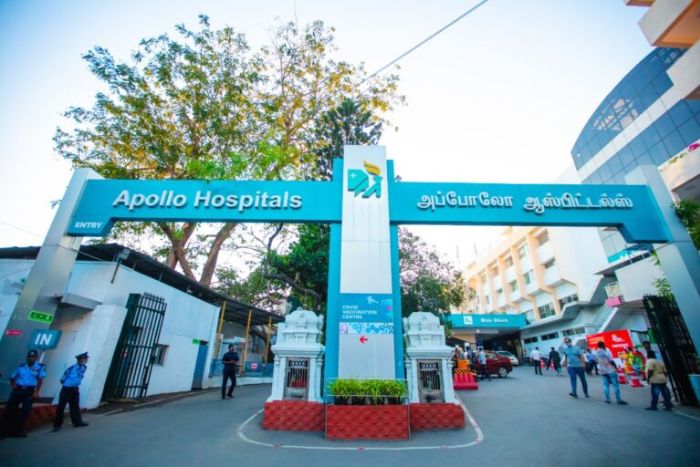 Apollo Hospitals, Greams Road, ChennaiChennai, India
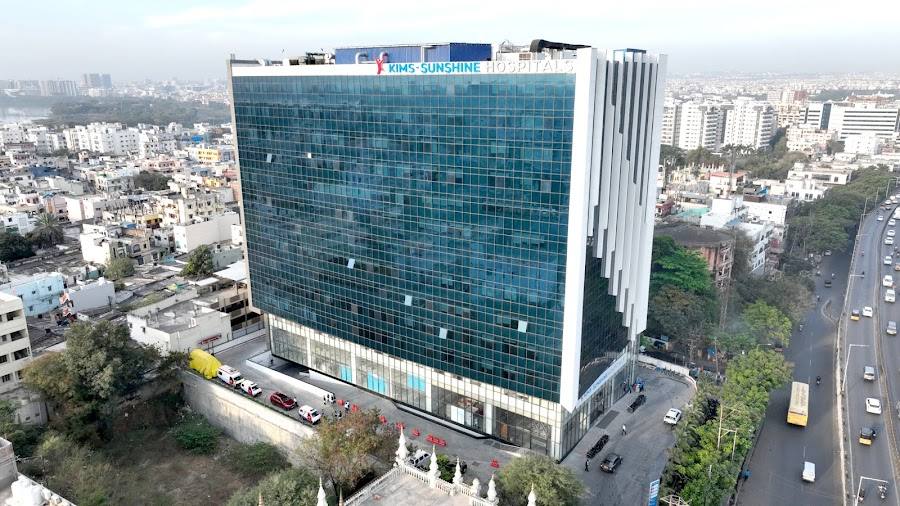 KIMS-Sunshine Hospitals, BegumpetHyderabad (Begumpet), India
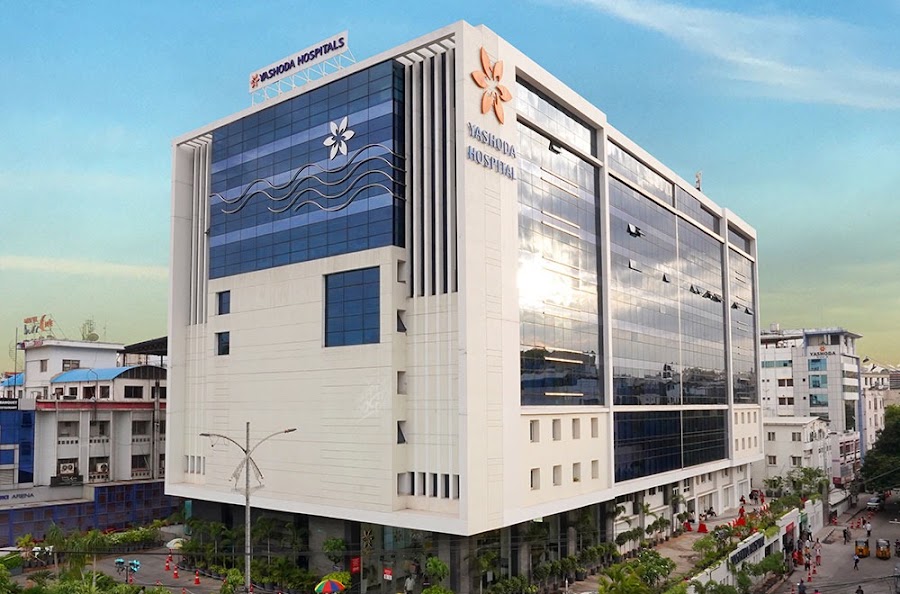 Yashoda Hospitals, SomajigudaHyderabad (Somajiguda, Raj Bhavan Road), India
 Yashoda Hospitals, MalakpetHyderabad (Malakpet, Nalgonda X Roads), India

Written by Saher Shodhan
Saher Shodhan is the founder of Thera Travel, which publishes what the official records show about clinics abroad, each fact with the date it was checked, and answers patients' enquiries, free. More about Thera → How we write and check our guides →
Related posts
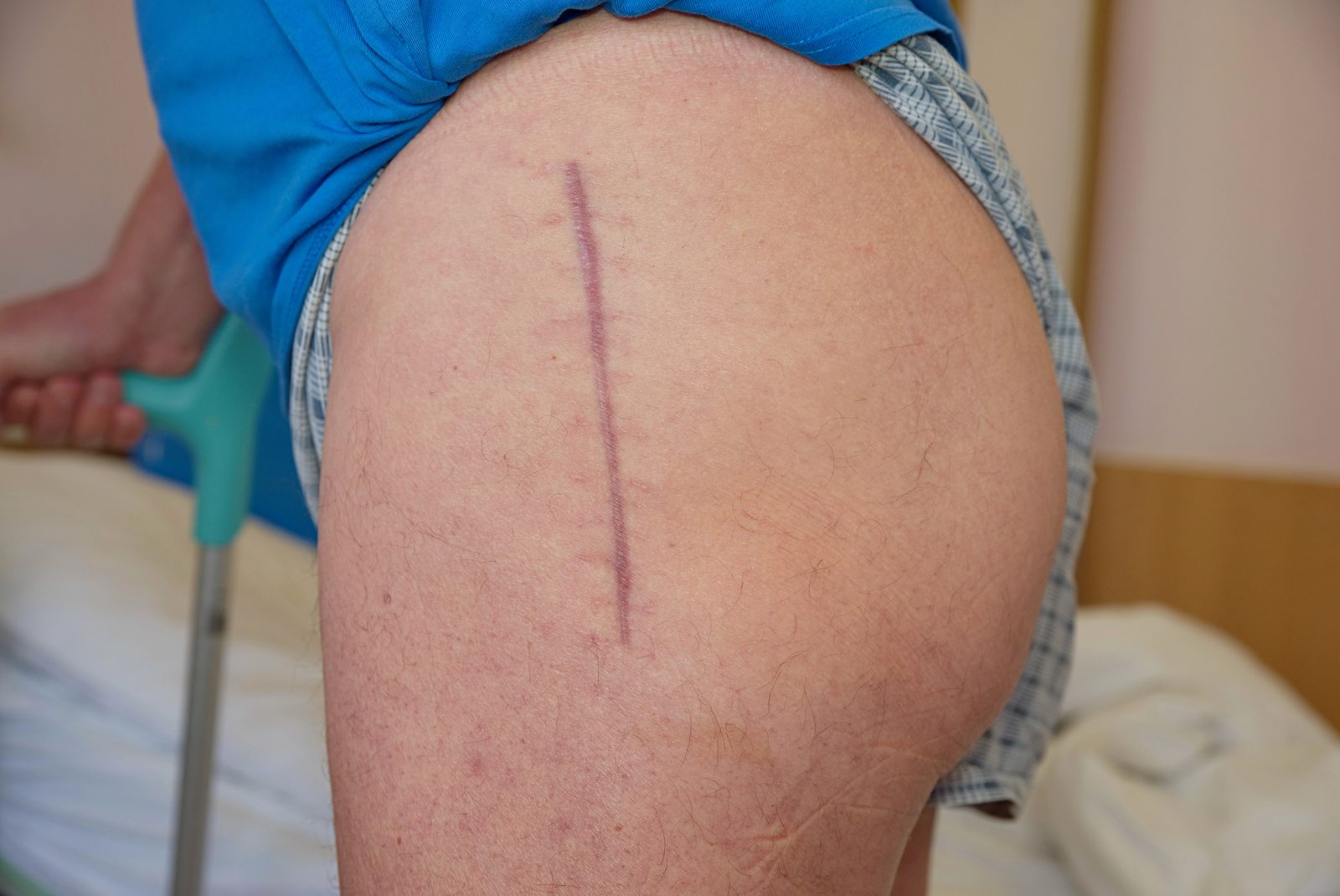
Hip and knee replacement abroad from Ireland: costs, waits and HSE refunds

Hip resurfacing cost in the UK (2026)