

Scoliosis Surgery Cost in Poland
What UK Patients Actually Pay in 2026
Home › Guides › Scoliosis Surgery Cost in Poland: What UK Patients Actually Pay in 2026
Executive Summary
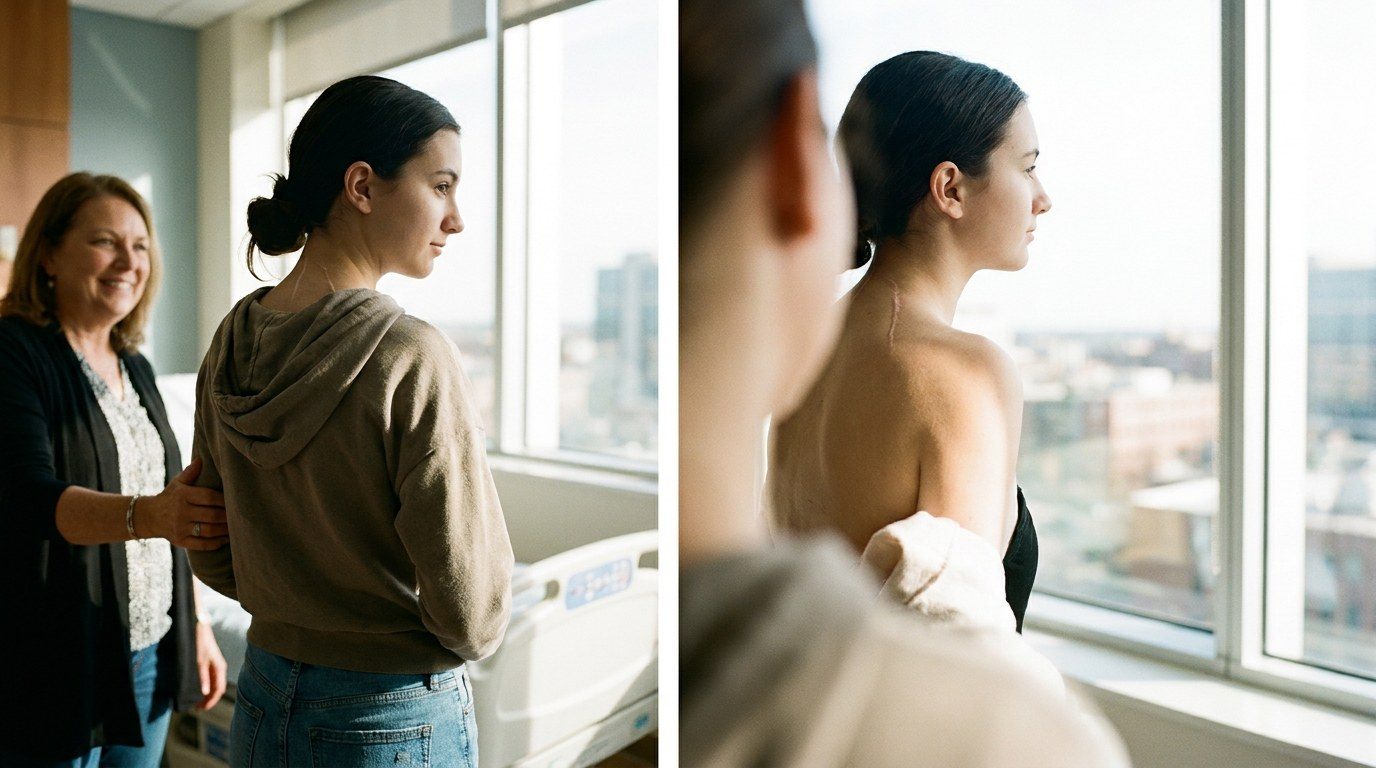
Scoliosis correction surgery in Poland costs UK patients around £8,000 to £18,000 depending on procedure type, compared with £18,000 to £50,000 at a UK private hospital. Most patients are out of bed within 24 hours and discharged after seven to ten nights. This guide covers what's included in Polish packages, the patient pathway from UK referral to flight home, and what to ask before you book.
For a complete UK patient guide to scoliosis surgery in Poland — procedure types, costs, recovery, and what to ask before booking — see our Scoliosis Surgery in Poland: The UK Patient's Complete Guide (2026).
For a full overview of scoliosis surgery abroad — clinics, what's included, recovery timelines and what to check — see our Scoliosis Surgery Abroad guide.
If you've been told a curve has progressed past the threshold for surgery, the conversation that follows is unlike any other in orthopaedics. Scoliosis correction is a major spinal operation. The decision is rarely "do we operate" so much as "when, where, and at what cost" — and for UK families, the where-and-cost question is becoming the defining one.
UK private scoliosis correction starts at around £18,000 for a straightforward posterior fusion and rises sharply for anterior approaches, vertebral body tethering (VBT), or complex multi-curve corrections. The same procedures in Polish clinics typically run between half and a third of UK private prices. Polish spinal surgeons train for fifteen years before they're allowed to operate independently.
This guide is for the families who've been told that surgery is needed and are trying to understand what going to Poland actually involves — clinically, logistically, and financially. The shorter overview lives on our scoliosis surgery cost guide covering other countries too; this page is Poland-specific.
What scoliosis surgery costs at a UK private hospital
UK private quotes for scoliosis correction vary more than almost any other orthopaedic procedure. The variation is real, not pricing fog: posterior fusion of a single curve in an adolescent is a fundamentally different operation from a multi-level adult deformity correction with revision hardware. Indicative UK private pricing in 2026:
- Posterior spinal fusion (single-curve adolescent or adult): £16,000 to £20,000
- Vertebral body tethering (VBT, growing rods): £20,000 to £35,000
- Complex multi-curve or revision correction: £30,000 to £50,000
That price typically covers the surgical fees, anaesthetist, theatre time, hardware, and an inpatient stay of seven to ten nights. It usually does not cover:
- Pre-op MRI, EOS or full-spine standing X-rays if not already on file (£500 to £900)
- Brace work and physio beyond the early inpatient sessions
- Outpatient follow-up imaging at three, six and twelve months
- Hardware revision if needed in later years
The realistic UK private all-in for a self-funded posterior fusion is closer to £19,000 to £25,000 once the wraparound costs are included.
Ask us about an operation abroad, free
Tell us what you're looking into. We send your enquiry to relevant, pre-vetted clinics, and up to 3 that can help contact you directly.
Thera is free for patients. No clinic can pay to change the prices we publish.
What it costs in Poland
Polish spine clinics typically quote scoliosis surgery in three tiers:
- Posterior spinal fusion: from £8,000
- Growing rods or VBT: from £12,000
- Complex corrective procedures: from £16,000
Most are fixed-price packages. They usually include the things UK quotes typically separate out, but check each quote line by line:
- Surgical fees, anaesthetist, neuromonitoring during surgery
- Seven to ten nights in a private hospital suite
- Pre-operative consultation, blood tests, and full-spine standing imaging on arrival
- Pedicle screws, rods, and hooks (Medtronic, DePuy Synthes, or equivalent)
- Bone graft material
- Inpatient physiotherapy and bracing as required
- Airport transfers and English-speaking patient coordinators
- Discharge notes, operative records, and rehab protocol translated into English
Flights from UK airports to Kraków, Warsaw or Wrocław are typically £80 to £150 return. Most families fly out two days before surgery and home around twelve to fourteen days after, depending on age and how the early recovery is going. The total out-of-pocket — package, flights, accommodation for one accompanying parent or partner, post-discharge stay — usually comes in £2,000 to £4,000 below the fixed-price package number once UK rehab is added on at home.
Cost comparison at a glance
| Procedure | UK Private | Poland (typical quotes) |
|---|---|---|
| Posterior spinal fusion | £16,000 – £20,000 | from £8,000 |
| Growing rods / VBT | £20,000 – £35,000 | from £12,000 |
| Complex / revision correction | £30,000 – £50,000 | from £16,000 |
| Pre-op imaging (if required) | £500 – £900 | Included |
| Inpatient physio + brace | Variable | Included |
Already have a clinic in mind? See what the official records say about it →
Why it's cheaper, and what to check
Scoliosis correction is a procedure where surgical experience matters more than almost anything else. Much of the cost gap between the UK private sector and Poland is overhead, not quality. But that is true of the market, not of every clinic, so check the one you are considering.
Established Polish spine centres run modern operating theatres with intraoperative neuromonitoring, full-time spinal anaesthesia teams, and the same pedicle screw and rod systems used in NHS and UK private spinal units. Ask any clinic for its lead surgeon's CV, including fellowship training, and for the number of scoliosis cases they perform a year. A surgeon doing 80 to 150 cases a year has a case volume comparable to a UK regional spinal centre.
The price difference comes from staff costs, building costs, and the fact that Polish clinics aren't carrying the same insurance and administrative load as a UK private hospital. The hardware and intraoperative standards can be the same; the fixed costs are lower.
Who scoliosis surgery in Poland is for
Polish spine centres treat the full age range:
- Adolescent idiopathic scoliosis (AIS): the most common type, typically diagnosed between ten and eighteen, surgery usually considered when the curve passes 45 to 50 degrees in a skeletally immature patient.
- Adult idiopathic scoliosis: patients in their twenties, thirties or forties whose AIS was managed conservatively and is now progressing or symptomatic.
- Adult degenerative scoliosis: older patients (often sixty-plus) where the curve is driven by disc degeneration and facet arthritis.
- Revision and complex deformity: previous instrumentation, pseudarthrosis, adjacent segment failure, or correction of decompensated curves.
Not every patient is a candidate for an overseas pathway. Patients with severe pulmonary compromise, complex syndromic scoliosis (Marfan, neurofibromatosis), or multiple prior failed surgeries are sometimes better served by tertiary UK centres where the perioperative ICU support is bigger. A careful clinic will say so during the pre-operative review. Ask whether it turns down cases like yours, and ask to see its published outcome data.
What recovery actually looks like for a UK patient
Scoliosis surgery is not a procedure you compress. The hardware is in place from day one, but the soft tissue and bone need months to settle. Going abroad doesn't shorten the rehab — it shortens the wait.
Realistic timeline:
- Day 1: Surgery, lasting four to seven hours depending on levels fused. Recovery overnight, often on a step-down monitored bed for the first 24 hours.
- Day 2: Out of bed, walking short distances with assistance.
- Days 3 to 7: Daily inpatient physio, pain management transition from intravenous to oral medication, gradual mobilisation.
- Days 7 to 10: Discharge from inpatient, transferred to nearby accommodation for several more nights of monitored recovery before flying home.
- Day 12 to 14: Fit-to-fly clearance from the operating surgeon.
- Weeks 2 to 6: Walking unaided indoors, no bending or twisting beyond the protocol.
- Weeks 6 to 12: Return to school or sedentary work, gradual stretching under physio supervision.
- Months 3 to 6: Light cardiovascular activity (swimming, walking).
- Months 6 to 12: Bone fusion typically confirmed on imaging; gradual return to most activities. Contact sport guidance varies by surgeon and curve type.
You will need a UK physiotherapist when you return — NHS via GP referral, or privately at £45 to £80 per session. The operating surgeon sends home a written rehab protocol that any musculoskeletal physio can work to.
What's not included, and what to ask before you book
A fixed-price package isn't the same as "everything you will ever spend." Things to budget for separately:
- Travel and accommodation for an accompanying parent or partner (an apartment near the clinic in Wrocław or Katowice runs £40 to £80 per night)
- Twelve to fourteen nights of post-discharge accommodation if not bundled
- UK physiotherapy after you return (twenty to thirty sessions over six months)
- Follow-up imaging in the UK at three, six and twelve months
- Travel insurance covering planned spinal surgery abroad (specialist policies start around £100)
Things to ask the clinic before booking:
- How many scoliosis cases does the surgeon perform per year, and what's the published revision rate at this centre?
- Is intraoperative neuromonitoring (SSEP/MEP) routine?
- Which pedicle screw and rod system is used, and is it MRI-compatible for follow-up imaging?
- What's the protocol for early complications (deep wound infection, neurological change, pulmonary issues)?
- Is the quote in pounds, euros, or złoty, and locked at the time of booking?
Reputable clinics answer all of these in writing. If they won't, that's the answer. Before you book, also find the clinic on the official Polish register under the legal name on your quote, check the surgeon on the Polish medical register, and read its Google reviews, including the low-rated ones. Our 15 questions to ask a clinic cover the rest.
Frequently Asked Questions
Is scoliosis surgery in Poland safe?
Scoliosis correction is a high-stakes spinal operation regardless of where it's performed. The variables that determine safety are the experience of the surgeon, the case volume of the centre, the quality of intraoperative neuromonitoring, and the perioperative ICU and anaesthesia support. Ask any clinic you are considering for the lead surgeon's CV, the centre's annual scoliosis case volume, whether neuromonitoring is routine, and its accreditation documents. Then check the clinic and the surgeon on the official Polish registers before you confirm anything.
How much can I save compared to going private in the UK?
For a posterior spinal fusion, Polish quotes are typically 50 to 60 percent below UK private prices for the procedure itself. Once the wraparound UK costs are included (imaging, follow-up, physiotherapy) and compared to the all-inclusive Polish package plus travel, the difference is usually £8,000 to £14,000 for a single-curve fusion, and can be considerably more for VBT or complex corrections. What each quote includes varies, so compare them line by line.
Is my child too young or too old for scoliosis surgery abroad?
The clinics treat patients across the full scoliosis age range — from skeletally immature adolescents (where VBT or growing rods may be considered) through to adults with degenerative curves in their sixties or seventies. The decision is made on the curve, the patient's overall health, and the surgical goals, not on age alone. The pre-operative consultation will confirm whether the case is a good fit for an overseas pathway.
Will my GP and NHS consultant manage follow-up?
Your UK GP retains a duty of care regardless of where the surgery happened. You'll come home with full operative notes, hardware specifications, and a follow-up imaging protocol, all in English. NHS physiotherapy and outpatient imaging referrals are made by your GP in the normal way. If your child was already under an NHS spinal team, that team can usually take on shared follow-up — though some trusts decline, so ask the clinic in Poland whether it offers remote review at three, six and twelve months.
Will I need a brace after surgery?
For most modern posterior fusions in adolescents and adults, a post-operative brace is not routine — internal fixation is rigid enough on its own. For VBT and some growing-rod patients, a brace may be prescribed. The surgeon will confirm during the pre-operative consultation.
What if something goes wrong after I'm back in the UK?
The serious complications after scoliosis surgery — deep infection, neurological change, hardware failure, pseudarthrosis — are rare but real. They're managed through NHS urgent care or A&E in the UK, and you'll have direct contact details for the operating surgeon for anything questionable. Ask the clinic in writing whether it offers in-person revision review and surgery if needed, and on what terms.
Will a clinic give me a written quote before I commit?
Yes. Polish clinics will usually give a written quote before you commit. Don't pay a deposit until you have the clinic, the date and the surgeon's name confirmed in writing. Ask for the quote itemised: procedure, hospital stay, hardware, transfers, and what is not included.
Checking a scoliosis clinic in Poland
If your family is on a long NHS waiting list or looking at a £25,000 UK private quote, it's reasonable to see what scoliosis correction costs in Poland before you decide either way. What matters most is the specific clinic and surgeon.
Thera Travel does not recommend or book clinics. If you have a Polish clinic in mind, see what the official records say about it, free.
Clinics we hold in Poland
The orthopaedic clinics and hospitals in Poland that have a free summary page: the register entry we found, the Google listings and any published prices. Thera is free for patients. No clinic can pay to change the prices we publish.
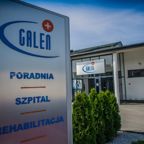
Nowy Targ (Małopolska, ~90 km south of Kraków)
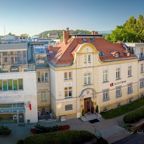
Jelenia Góra
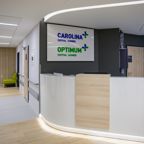
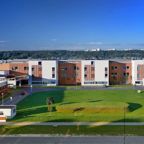
Warsaw
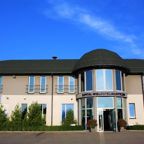
Komorowice (near Wrocław)
Clinics UK patients look at
The four with the most Google reviews among the orthopaedic clinics we hold. Each has a free page with its records.
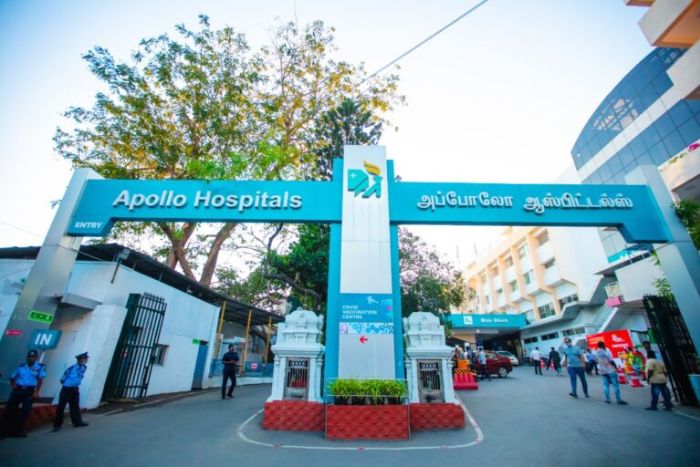 Apollo Hospitals, Greams Road, ChennaiChennai, India
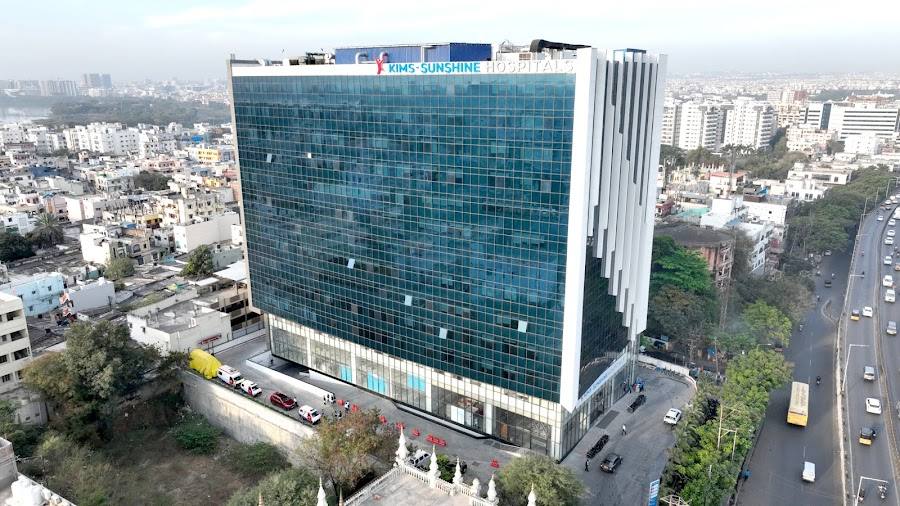 KIMS-Sunshine Hospitals, BegumpetHyderabad (Begumpet), India
 Yashoda Hospitals, SomajigudaHyderabad (Somajiguda, Raj Bhavan Road), India
 Yashoda Hospitals, MalakpetHyderabad (Malakpet, Nalgonda X Roads), India
Written by Saher Shodhan
Saher Shodhan is the founder of Thera Travel, which publishes what the official records show about clinics abroad, each fact with the date it was checked, and answers patients' enquiries, free. More about Thera → How we write and check our guides →
Related posts
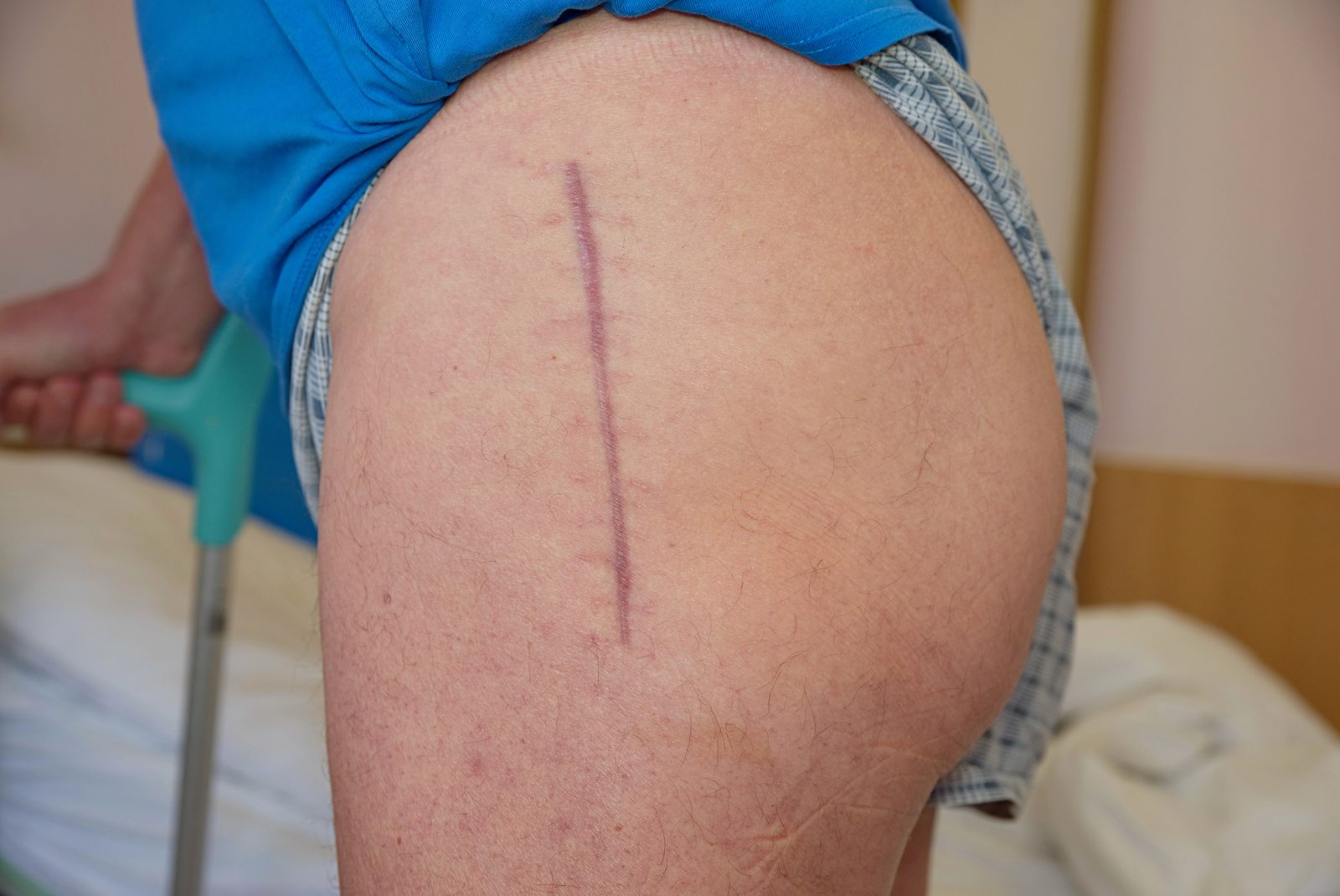
Hip and knee replacement abroad from Ireland: costs, waits and HSE refunds

Hip resurfacing cost in the UK (2026)