

Spinal Fusion Cost in Poland
A 2026 Guide for UK Patients
Home › Guides › Spinal Fusion Cost in Poland: A 2026 Guide for UK Patients

Executive Summary
Single-level lumbar spinal fusion in Poland costs around £7,000 to £10,000 in a fixed-price package, compared with £18,000 to £25,000 at a UK private hospital. Polish clinics with established spinal programmes use the same implant systems (Medtronic, Stryker, NuVasive) and follow the same surgical protocols. This page covers the cost breakdown by fusion type, what's included, what to ask before going, and how recovery actually works for a UK patient.
For a complete patient journey guide to spinal surgery in Poland — procedure types, what's included, recovery timelines, and questions to ask before booking — see our Spinal Surgery in Poland — UK Patient Guide.
For a full overview of spinal fusion abroad — clinics, what's included, recovery timelines and how to book — see our Spinal Fusion Surgery Abroad guide.
What spinal fusion costs at a UK private hospital
Spinal surgery pricing is the most variable in orthopaedics, because the procedures themselves vary so much. Lumbar spinal fusions (such as TLIF, PLIF, and ALIF) at a UK private hospital easily reach £25,000 once surgical fees, anaesthetist fees, interbody cages, and multi-night inpatient stays are billed.
The all-in cost of self-funding spinal fusion in the UK, with private physio and follow-up imaging, is rarely under £20,000.
Ask us about an operation abroad, free
Tell us what you're looking into. We send your enquiry to relevant, pre-vetted clinics, and up to 3 that can help contact you directly.
Thera is free for patients. No clinic can pay to change the prices we publish.
Cost Comparison: UK vs. Europe
Clinics in Poland and the Baltics usually quote spinal fusion as a fixed-price package. The table below sets typical private UK fees against typical Poland and Baltic (Lithuania/Latvia) packages:
| Option / Destination | Average Cost | Typical Implant Brands | What's Included |
|---|---|---|---|
| UK Private (Self-Pay) | £16,000 – £21,000 | Stryker, Medtronic, DePuy | Surgery and initial room only; diagnostics, follow-up, and braces often billed as expensive extras. |
| Poland (typical package) | £7,500 – £8,500 | Medtronic / DePuy Synthes Cages | All-inclusive (5-7 nights inpatient, neuromonitoring, transfers, clinic patient coordinator). |
| Baltics, Lithuania / Latvia (typical package) | £8,200 – £9,500 | Medtronic / DePuy Synthes Cages | All-inclusive (5-7 nights private clinic, English-speaking staff, diagnostic CT/MRI, specialized rehab). |
Already have a clinic in mind? See what the official records say about it →
Poland vs. The Baltics: Which is Right for You?
When looking at spinal fusion abroad, comparing Poland and the Baltics (Lithuania & Latvia) involves understanding the following clinical differences:
- Surgical Volume & Scale: Poland features some of the largest established neurosurgical units in Central Europe. The high volume of fusions performed by senior neurosurgeons in Warsaw and Krakow provides a significant clinical advantage, directly correlating with lower complication rates. Poland also remains the most cost-effective option, saving an additional £1,000 to £2,000 on average.
- Logistics & Comfort: The flight time to Poland (around 2 hours from the UK) is slightly shorter than to the Baltics. For spinal patients recovering from major fusion surgery, minimizing the duration of sitting is a meaningful advantage on the return journey.
- Baltic Focus: Baltic neurosurgery clinics (particularly in Riga, Latvia and Kaunas, Lithuania) are highly regarded for providing modern, compact clinical environments with extremely tight, personalized nursing coordination.
Why spinal patients are right to ask hard questions
Spinal surgery has the highest stakes of any orthopaedic procedure. Outcomes are more variable than for hip or knee replacement, complication rates are higher, and the consequences of a poor outcome are more serious. Going abroad is a sensible option for many patients, but only if the clinic and surgeon meet a specific bar.
Things to confirm in writing before booking, beyond the standard accreditation paperwork:
- Surgical volume. Ask how many fusions of the type you need the operating surgeon performs each year. Below 50 a year is on the low side; over 100 is reassuring.
- Imaging review. A reputable spinal surgeon will want to see your MRI before agreeing to operate, and will tell you in writing what they think the diagnosis and the appropriate procedure is. If a clinic agrees to a quote without reviewing the imaging, look elsewhere.
- Implant brand. Confirm the manufacturer (Medtronic, Stryker, NuVasive, Zimmer Biomet are all standard). Ask whether this is the same brand the surgeon would use in the country's public hospital system.
- Complication protocol. What's the policy if you have a wound issue, deep infection, or new neurological symptoms after returning to the UK? A serious clinic will have a clear written answer.
If a clinic will not answer these questions in writing, treat that as a reason to look elsewhere. Also find the clinic on the official register under the legal name on your quote, and check the surgeon on their professional register. Our 15 questions to ask a clinic cover the rest.
What’s in a typical Polish package
A spinal fusion package at a Polish clinic typically includes the items below. Check your own quote line by line, as packages differ:
- Pre-operative video consultation with the operating surgeon, with imaging review
- Pre-op blood tests, ECG, and any further imaging needed on arrival
- The procedure itself, including all implants, screws, rods, and interbody cages
- Anaesthetist (general anaesthetic with neuromonitoring)
- Five to seven nights as an inpatient
- In-patient physiotherapy and mobilisation
- Pain management protocol on discharge
- Lumbar support brace if appropriate
- Airport transfers
- English-speaking patient coordinator
- Translated operative notes and follow-up plan for your UK GP
Realistic recovery timeline
Spinal fusion recovery is in months, not weeks. The bone has to fuse around the cage and across the vertebrae, and that takes biology its own time regardless of how the surgery went.
- Days 1 to 5: Inpatient stay, gradual mobilisation, pain management.
- Days 5 to 8: Cleared to fly home with a companion. Aisle seat, lumbar support, regular standing breaks.
- Weeks 1 to 6: Limited activity, walking only, no lifting or twisting. Wound care via your GP.
- Weeks 6 to 12: Gradual return to light activity, physiotherapy starts in earnest.
- Months 3 to 6: Bone fusion progresses. Increased activity, gradual return to work for most patients.
- Months 6 to 12: Final fusion confirmed on imaging. Return to most pre-surgical activities.
Frequently Asked Questions
Before you book
If spinal pain has severely limited your quality of life, a long wait for surgery carries its own risks. An EU-regulated clinic in Poland or the Baltic region can cost much less than UK private care. Whether it is the right choice depends on the clinic and the surgeon, so check both first.
Thera Travel never recommends a clinic. If you are weighing up a particular clinic, you can see what the official records say about it, free.
Clinics we hold in Poland
The orthopaedic clinics and hospitals in Poland that have a free summary page: the register entry we found, the Google listings and any published prices. Thera is free for patients. No clinic can pay to change the prices we publish.
Nowy Targ (Małopolska, ~90 km south of Kraków)


Jelenia Góra


Warsaw

Komorowice (near Wrocław)
Clinics UK patients look at
The four with the most Google reviews among the orthopaedic clinics we hold. Each has a free page with its records.
 Apollo Hospitals, Greams Road, ChennaiChennai, India
 KIMS-Sunshine Hospitals, BegumpetHyderabad (Begumpet), India
 Yashoda Hospitals, SomajigudaHyderabad (Somajiguda, Raj Bhavan Road), India
 Yashoda Hospitals, MalakpetHyderabad (Malakpet, Nalgonda X Roads), India

Written by Saher Shodhan
Saher Shodhan is the founder of Thera Travel, which publishes what the official records show about clinics abroad, each fact with the date it was checked, and answers patients' enquiries, free. More about Thera → How we write and check our guides →
Related posts
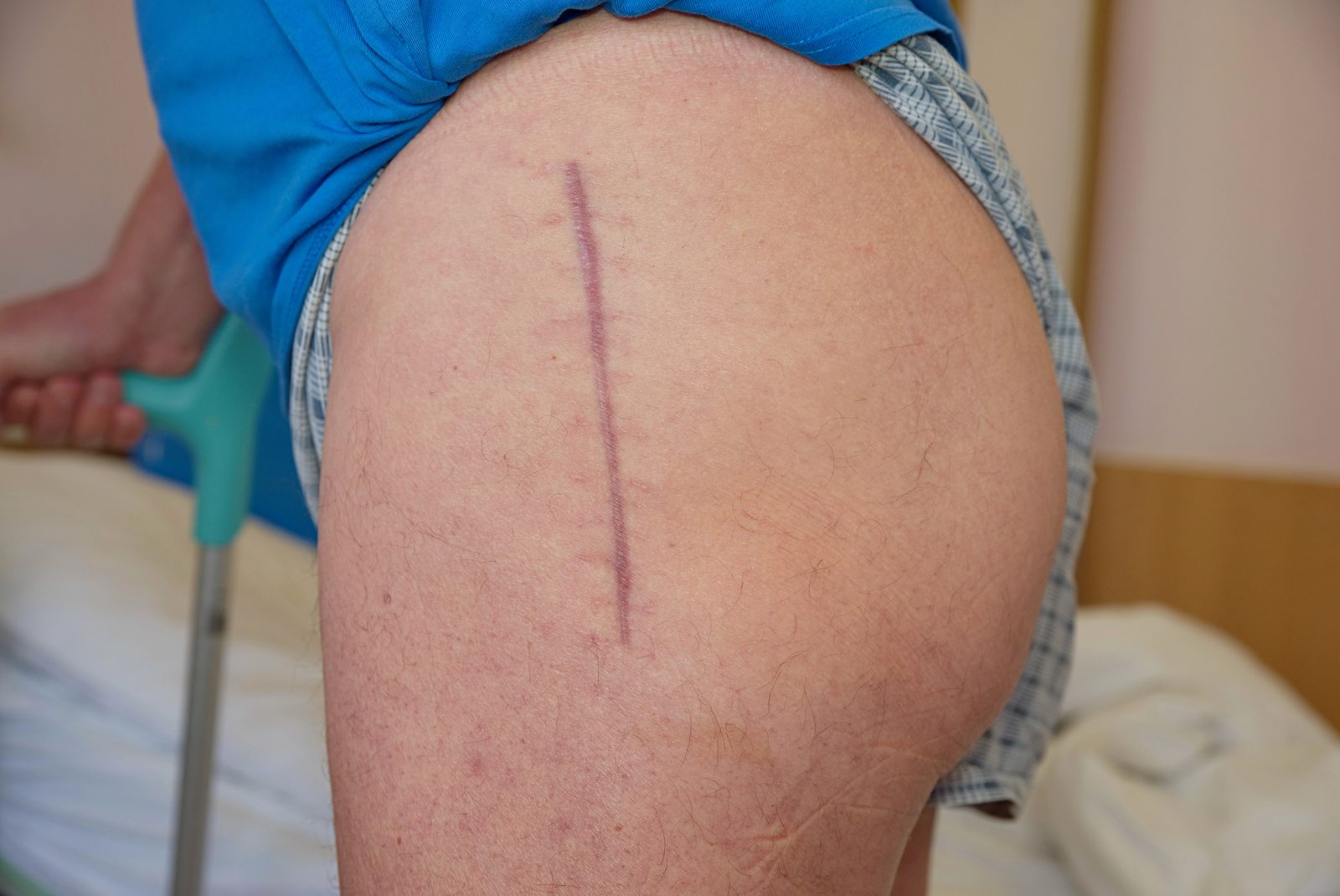
Hip and knee replacement abroad from Ireland: costs, waits and HSE refunds

Hip resurfacing cost in the UK (2026)