

All-on-4 Dental Implants in Hungary
2026 Cost and Checks
Home › Guides › All-on-4 Dental Implants in Hungary: 2026 Cost and Checks
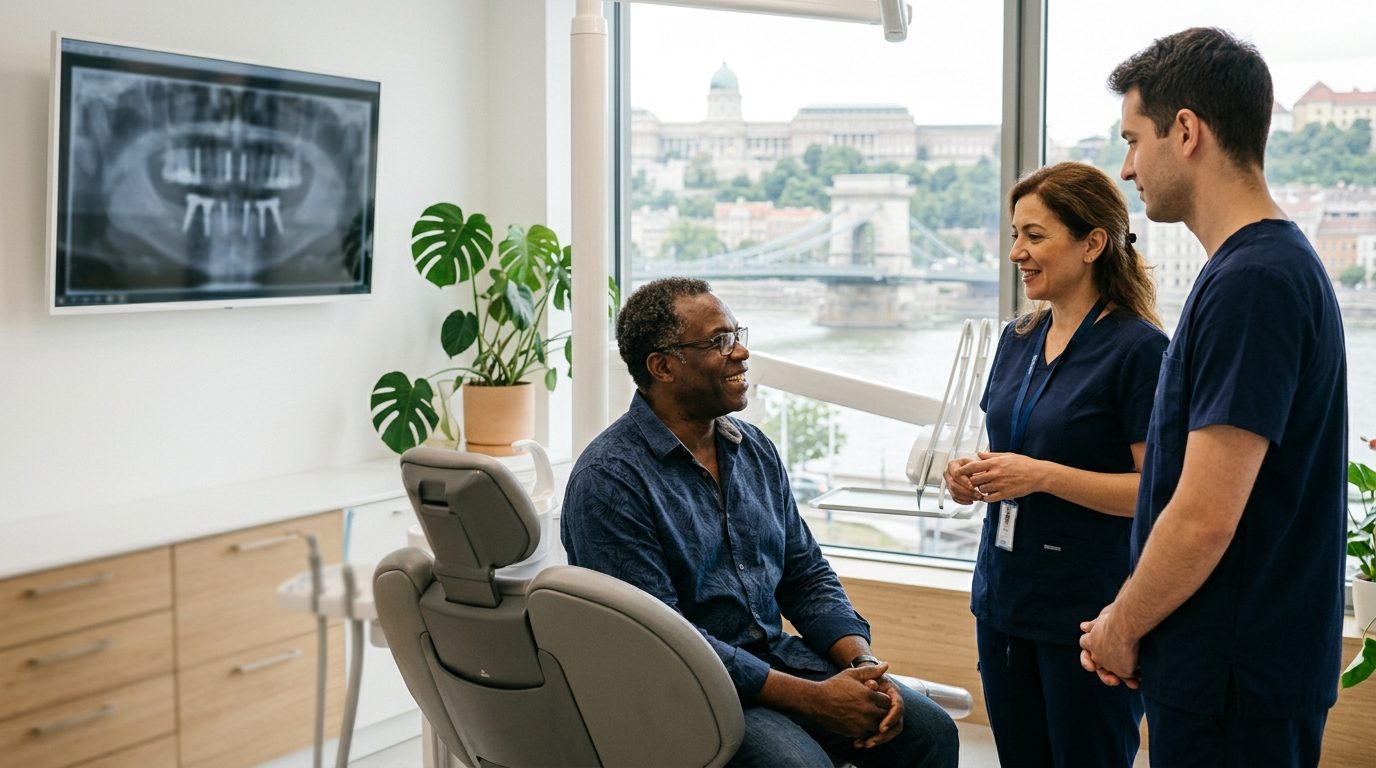
All-on-4 dental implants in Hungary cost about £4,200 to £7,200 per arch, according to our price research of July 2026. The low end is a standard implant system with an acrylic bridge; the high end is a premium system with a zirconium bridge. The same research puts All-on-4 at a UK private practice at £10,000 to £16,000 per arch.
Most Budapest cases run over two trips, three to six months apart, so the real question is what happens between and after them. This guide covers the 2026 prices, what Hungarian clinics include, the two-trip timeline and how to check a Hungarian clinic and dentist before you pay a deposit.
How much does All-on-4 cost in Hungary?
Hungary, and Budapest in particular, has been a dental destination for UK and Western European patients for decades, long before Turkey took off. Prices sit slightly above Turkey's but below most of Western Europe. Here are typical 2026 figures.
| Treatment | Hungary | UK private |
|---|---|---|
| All-on-4, per arch | £4,200–£7,200 | £10,000–£16,000 |
| All-on-6, per arch | £5,000–£8,500 | £15,000–£22,000 |
| Full mouth, both arches | £9,000–£16,000 | £25,000–£40,000 |
| Single implant with abutment and crown | £800–£1,800 | £2,000–£3,500 |
Already have a clinic in mind? See what the official records say about it →
Source: Thera price research, July 2026, two or more sources per figure. Hungarian prices converted to pounds at the rates on the day; a surgical guide often adds about £500.
As everywhere, budget implant systems sit at the bottom and premium brands such as Straumann or Nobel Biocare at the top. Full-arch implant work is generally not funded on the NHS, so the honest comparison is against UK private pricing. For the wider destination picture, see our dental implants in Hungary cost guide and the dental implants abroad hub.
Before you pay a deposit
Three checks to make yourself before any money changes hands:
- Find the clinic on Hungary's public register of healthcare providers, run by the national public health centre (NNGYK).
- Ask for your dentist's full name, then check both of Hungary's practitioner registers: the basic register (their diploma) and the operating register (licensed to practise now). The search at kereso.enkk.hu has a captcha and needs part of the name.
- Ask what happens, and who pays for the flights, if an implant fails or the bridge breaks after you are home.
Clinics we hold in Hungary
The dental clinics and hospitals in Hungary that have a free summary page: the register entry we found, the Google listings and any published prices. Thera is free for patients. No clinic can pay to change the prices we publish.

Budapest (District XVI, Kenéz utca)

Budapest

Budapest (District XIII, Váci út)

Budapest
Budapest (District II, Margit körút)
Ask us about dental treatment abroad, free
Tell us what you're looking into. We send your enquiry to relevant, pre-vetted clinics, and up to 3 that can help contact you directly.
Thera is free for patients. No clinic can pay to change the prices we publish.
Why patients choose Hungary
The main draw beyond price is regulation. Hungary is an EU member, so its clinics operate under EU medical standards and the implant systems, materials and infection-control rules will be familiar to a UK dentist. That framework is the reassurance many patients weigh against Turkey's steeper discount.
Budapest is also easy to reach. Flights from most UK airports run two and a half to three hours, and fares are often £30–£120 return, which keeps the cost of two trips low. The city has a long-established cluster of dental clinics used to treating international patients, with English-speaking coordinators standard at the larger practices.
What is All-on-4?
All-on-4 replaces a full arch of missing or failing teeth with a fixed bridge anchored on four implants. The two rear posts are angled to catch more bone and avoid the sinus and nerve, which often avoids the need for bone grafting. The bridge is screwed on and stays in place, it is not a removable denture.
Where the bite is heavy or the bone allows, a dentist may recommend six implants instead. We compare the two in our All-on-4 vs All-on-6 guide, and the All-on-6 cost guide covers the six-implant version across destinations.
What Hungarian packages include
Hungarian clinics are more likely than Turkish ones to itemise treatment, though many now offer packages for international patients. Typical inclusions cover:
- The four implants, abutments and the fixed bridge
- 3D CT scans, X-rays and consultations
- Any extractions needed on the arch
- Sometimes hotel nights and airport transfers, sometimes as add-ons
Because itemised pricing is common, read the quote carefully. Ask whether bone grafting is included if needed, what material the final bridge is (acrylic, composite or zirconium), and whether follow-up adjustments are covered. Ask for the implant passport recording the exact system and batch, a UK dentist will need it for any future maintenance.
The two-trip timeline
Implants must fuse with the jawbone, a process called osseointegration, so All-on-4 in Hungary usually runs across two trips.
- Trip 1 (5–7 days): consultation, 3D scan, any extractions, placement of the four implants, and a temporary fixed bridge.
- Healing at home (3–6 months): the implants integrate with the bone while you wear the temporary teeth.
- Trip 2 (5–7 days): the permanent bridge is fitted, the bite checked and adjusted.
Budapest's short flights and low fares make the two-trip pattern less of a burden than it can be for further destinations. Some clinics offer immediate loading ("teeth in a day"), which suits some patients with strong bone but not everyone; your dentist assesses this from your scans.
How to check a Hungarian clinic
The British Dental Association reports that 86% of UK dentists have treated patients with complications from dental work done abroad, with implants among the most common, and repairs are usually private and commonly £500–£1,000 or more. The General Dental Council's guidance on going abroad stresses getting a full written treatment plan, ensuring your complete medical history is taken, and bringing home copies of all records, scans and prescriptions. The NHS is clear it may not fund follow-up for treatment obtained abroad, offering only limited help such as pain relief or removal rather than repair.
Before you book, look for a written treatment and aftercare plan, a named implant brand with warranty documentation, clear regulation, and no pressure to decide on the day. Our dental safety checklist applies just as well to Hungary as to Turkey.
Hungary or Turkey?
The trade-off is regulation versus discount. Turkey is usually a little cheaper and has the largest concentration of clinics, but standards vary more widely, see our All-on-4 in Turkey cost guide. Hungary costs slightly more but gives you the EU framework and shorter, cheaper flights. For larger cases such as a full-mouth restoration, the difference in total cost between the two is small next to the difference from UK private pricing, so the decision often comes down to which framework you trust more. Whatever you choose, have a UK dentist assess you first so you travel with a realistic picture of what you need.
Frequently Asked Questions
How much does All-on-4 cost in Hungary?
About £4,200 to £7,200 per arch, according to our July 2026 price research, and £9,000 to £16,000 for both arches. A UK private practice charges £10,000 to £16,000 per arch in the same research.
Is Hungary or Turkey better for dental implants?
No country makes a clinic good or bad. Hungary is in the EU, and its clinics and dentists are on public registers you can search. Check the clinic and the named dentist on those registers, and get a written plan and aftercare terms before you pay.
How many trips to Hungary does All-on-4 need?
Usually two. The first (5–7 days) covers the scan, extractions and implant placement with a temporary bridge. After 3–6 months of healing at home, a second trip (5–7 days) fits the permanent bridge. Budapest's short, cheap flights make two trips easier to manage.
How far is Budapest to travel to?
Flights from most UK airports take about two and a half to three hours, often for £30–£120 return. That keeps the cost of two trips low and is a large part of why Budapest has been a dental destination for decades.
Does Hungary use the same implant brands as UK dentists?
Reputable clinics do, Straumann, Nobel Biocare, Osstem, Dentium and similar systems are widely available. Get the brand confirmed in writing and ask for the implant passport, which a UK dentist will need for any future maintenance.
What if my Hungary All-on-4 fails after I get home?
The NHS may not fund repair of implant work done abroad, offering only limited help such as pain relief or removal. Private UK repairs commonly cost £500–£1,000 or more, so arrange a written aftercare plan and a UK follow-up before you travel.
Related guides: how to check a clinic in Hungary, the dental implant trip, step by step and choosing a country for implants.
This guide is general information, not medical advice.
Clinics UK patients look at
The four with the most Google reviews among the dental clinics we hold. Each has a free page with its records.
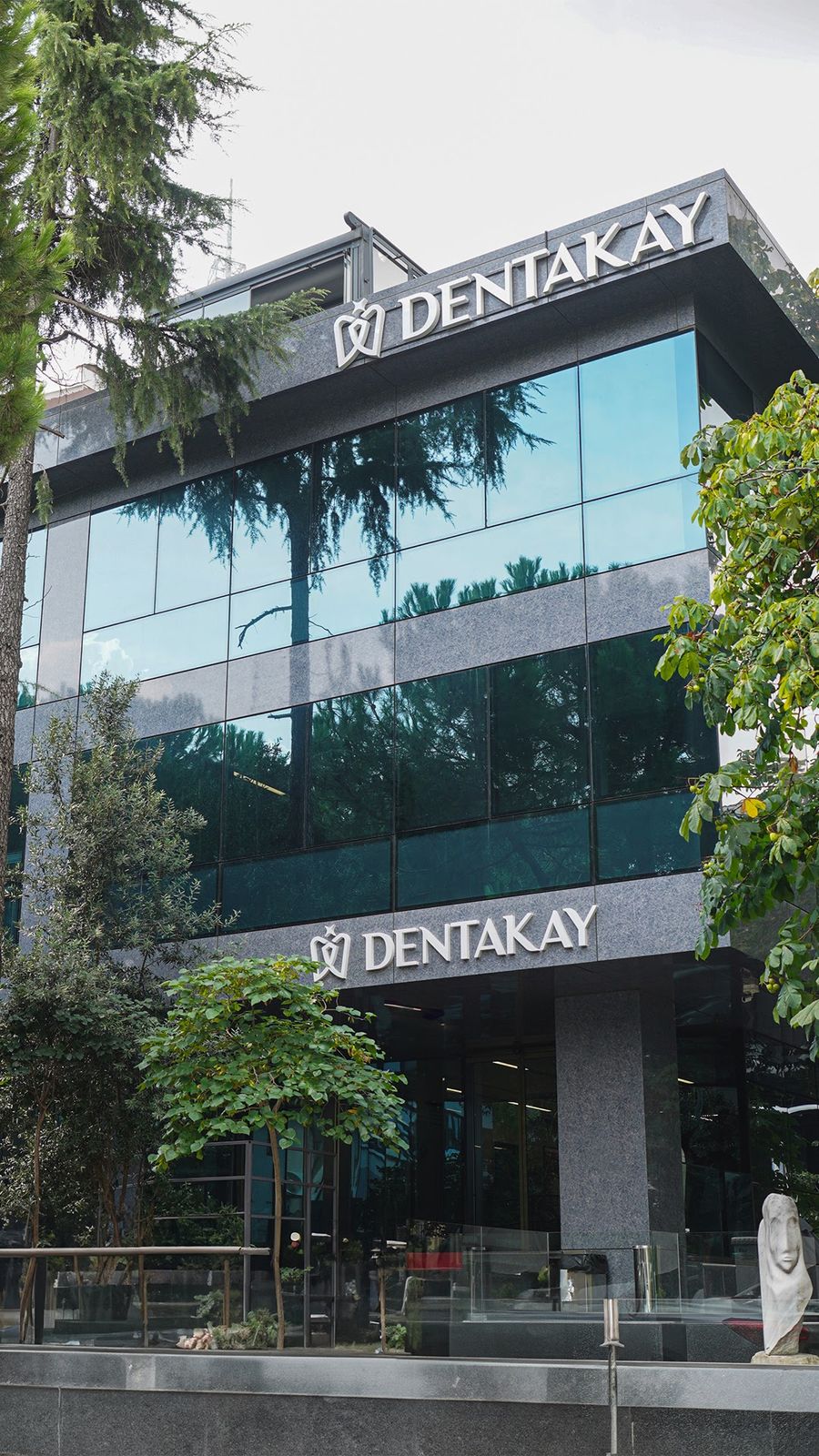 Dentakay Dental ClinicIstanbul, Turkey
 Attelia Oral and Dental Health CenterAntalya (Kızıltoprak, Muratpaşa), Turkey
 DentSpaIstanbul, Turkey
 Esnan Dental Clinics Topkapı (Istanbul)Istanbul (Topkapı, Zeytinburnu), Turkey

Written by Saher Shodhan
Saher Shodhan is the founder of Thera Travel, which publishes what the official records show about clinics abroad, each fact with the date it was checked, and answers patients' enquiries, free. More about Thera → How we write and check our guides →
Related posts

Is It Safe to Get Dental Implants Abroad? What to Check in 2026
Turkey teeth: what they are, what they cost and how to check a dentist