
All-on-4 vs All-on-6 Abroad
Which & What Cost? (2026)
Home › Guides › All-on-4 vs All-on-6 Abroad: Which & What Cost? (2026)

All-on-4 abroad costs from £3,000 per arch and All-on-6 from £3,500, against £9,000–£18,000 in the UK. This guide explains the clinical difference between four and six implants, what each costs, and why the number is a decision for your dentist, not a price on a menu.
The core difference
Both treatments replace a full arch of missing or failing teeth with a fixed bridge screwed onto implants. The only real difference is how many implants carry the bridge.
- All-on-4 uses four implants. The two at the back are angled to catch more bone and steer clear of the sinus and nerve, which often means treatment is possible without bone grafting.
- All-on-6 uses six implants, usually more upright and spread further along the arch, sharing the biting load across more anchor points.
From the outside the finished result looks the same — a full set of fixed teeth that do not come out. The difference is structural, and it is why the choice belongs to a dentist who has seen your 3D scan.
Ask us about dental treatment abroad, free
Tell us what you're looking into. We send your enquiry to relevant, pre-vetted clinics, and up to 3 that can help contact you directly.
Thera is free for patients. No clinic can pay to change the prices we publish.
What each costs abroad
The price difference between the two is smaller than the difference from UK private pricing. Here are typical 2026 prices per arch.
| Treatment | Turkey | Hungary/Poland | UK private | Typical saving vs UK |
|---|---|---|---|---|
| All-on-4 per arch | £3,000–£6,000 | £3,800–£6,500 | £9,000–£15,000 | 55–70% |
| All-on-6 per arch | £3,500–£6,500 | £4,000–£6,800 | £12,000–£18,000 | 60–70% |
Already have a clinic in mind? See what the official records say about it →
All-on-6 costs a little more because there are two extra implants to place, but the gap is often only a few hundred to a thousand pounds per arch. That matters: the decision should not come down to saving that difference, because choosing four implants when you need six, or six when four would serve you better, is a false economy either way. Full-arch implant work is generally not funded by the NHS, so the honest comparison is against UK private pricing. Our dental implants abroad hub and UK vs abroad price comparison set out the wider numbers.
Considering a particular clinic? See what the official records say about it, free →
When All-on-4 is the right choice
Four implants can be the better answer when:
- Bone has been lost in the arch, and fitting six posts would need extensive grafting.
- The anatomy limits where implants can safely go.
- The dentist can achieve strong, well-distributed support on four.
- You want to avoid additional surgery where four will do the job well.
All-on-4 is a well-established technique with a long track record. Fewer implants means fewer surgical sites and, often, no grafting — a genuine advantage where bone is limited.
When All-on-6 is the right choice
Six implants tend to be recommended when:
- You have a heavy or grinding bite that loads the bridge harder.
- Your bone volume is good enough to host the extra posts without grafting.
- The bridge spans a longer arch and the dentist wants more even support.
- You want to reduce the strain each individual implant carries over the long term.
More implants is not automatically safer or better. Each post needs enough healthy bone around it, and forcing six into a jaw that cannot support them can do more harm than placing four well. That is exactly why this is a clinical call.
Why the number is your dentist's decision
No honest clinic can tell you whether you need four or six implants before seeing a 3D CT scan of your jaw. The right number depends on bone volume and density, the shape of your arch, your bite, and your general health. A clinic that quotes the same solution to every enquirer, or pushes the higher-implant option purely because it costs more, is selling a package rather than planning treatment.
This is the honest-broker point worth holding onto: the goal is the number of implants your mouth actually needs, not the one that looks best on a comparison table. The General Dental Council's guidance on going abroad stresses getting a full written treatment plan and ensuring your complete medical history is taken before anything is agreed. A UK dentist's assessment before you travel gives you an independent read on what is realistic for your case.
Durability and aftercare
For both techniques, the implants themselves can last many years, often decades, with good hygiene and regular check-ups. The bridge on top is the part more likely to need repair or replacement over time, regardless of whether four or six implants support it. Long-term success depends far more on placement quality, bone health and maintenance than on the headline number of implants.
That is also where the risk of treatment abroad concentrates. The British Dental Association reports that 86% of UK dentists have treated patients with complications from dental work done abroad, with implants among the most common, and repairs are usually private — commonly £500–£1,000 or more. The NHS is clear it may not fund follow-up for treatment obtained abroad, offering only limited help such as pain relief or removal rather than repair. Whichever technique you have, arrange a written aftercare plan and a UK follow-up before you travel. Our guide on whether dental work in Turkey is safe sets out the full vetting checklist.
Where to have it done
Both techniques are widely available across the main destinations. Turkey offers the steepest discount and the largest choice of clinics — see our All-on-4 in Turkey and All-on-6 in Turkey guides. Hungary gives you the EU regulatory framework at a modest premium, covered in our All-on-4 in Hungary cost guide. For a deeper look at the six-implant option across destinations, see the All-on-6 cost guide. Whichever you choose, the decision on four versus six should come from your scans, not the brochure.
Frequently Asked Questions
Is All-on-6 better than All-on-4?
Not automatically. All-on-6 spreads the biting load across more implants, which can help a heavier bite or a longer bridge, but it needs more healthy bone. All-on-4 can be the better choice where bone has been lost. Your dentist decides after a 3D CT scan of your jaw.
How much more does All-on-6 cost than All-on-4?
Usually only a few hundred to about £1,000 more per arch — All-on-4 runs £3,000–£6,000 abroad and All-on-6 £3,500–£6,500. The gap is small next to the £9,000–£18,000 UK private prices, so cost should not drive the choice.
Can I choose whether to have four or six implants?
You can express a preference, but the safe number depends on your bone, bite and anatomy, which only show up on a 3D scan. A clinic recommending the same option to everyone, or pushing the pricier one, is selling a package rather than planning your treatment.
Do more implants last longer?
Not necessarily. The implants themselves can last decades with good care whether you have four or six. Long-term success depends more on placement quality, bone health and maintenance than on the number of posts. The bridge on top is the part most likely to need replacing over time.
Is All-on-4 or All-on-6 safer abroad?
The technique matters less than the clinic. The BDA reports 86% of UK dentists have treated complications from dental work abroad. Check for a named implant brand, written treatment and aftercare plans, and full records before you fly home, whichever number of implants you have.
Which should I get abroad?
The one your dentist recommends after seeing your scan. Have a UK assessment first so you travel with a realistic picture, then compare clinics in Turkey, Hungary or Poland that you have checked on their official registers, for that specific plan, rather than choosing a destination and fitting the treatment to it.
Clinics UK patients look at
The four with the most Google reviews among the dental clinics we hold. Each has a free page with its records.
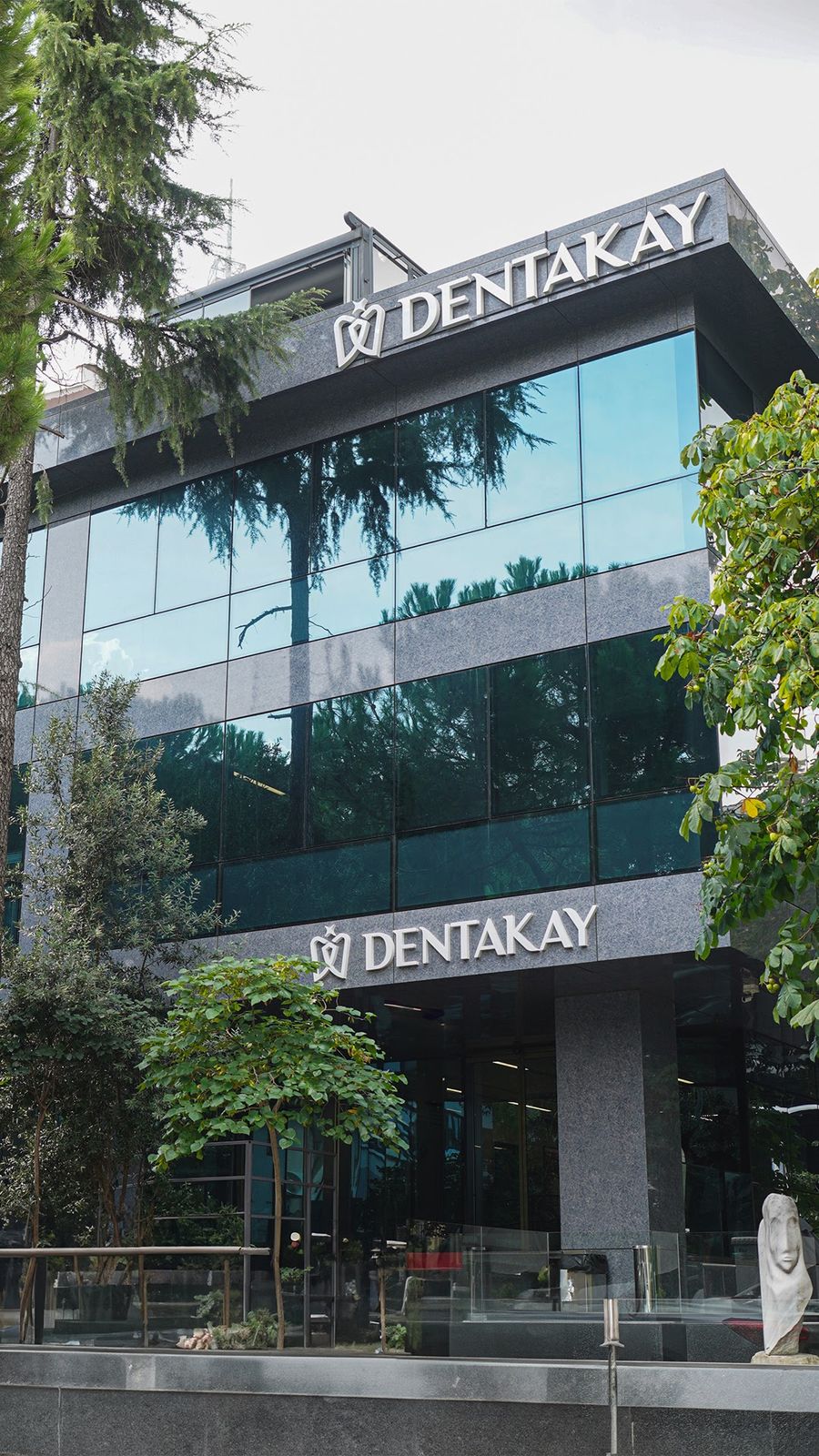 Dentakay Dental ClinicIstanbul, Turkey
 Attelia Oral and Dental Health CenterAntalya (Kızıltoprak, Muratpaşa), Turkey
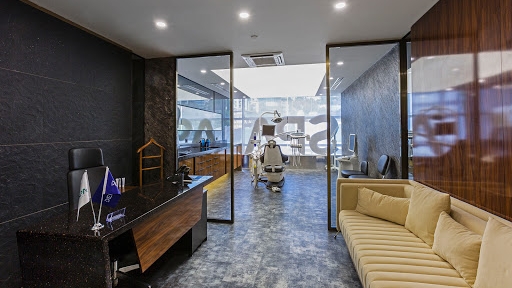 DentSpaIstanbul, Turkey
 Esnan Dental Clinics Topkapı (Istanbul)Istanbul (Topkapı, Zeytinburnu), Turkey

Written by Saher Shodhan
Saher Shodhan is the founder of Thera Travel, which publishes what the official records show about clinics abroad, each fact with the date it was checked, and answers patients' enquiries, free. More about Thera → How we write and check our guides →
Related posts

Is It Safe to Get Dental Implants Abroad? What to Check in 2026
Turkey teeth: what they are, what they cost and how to check a dentist