
Dental Implants in Hungary
Budapest 2026 Cost Guide
Home › Guides › Dental Implants in Hungary: Budapest 2026 Cost Guide
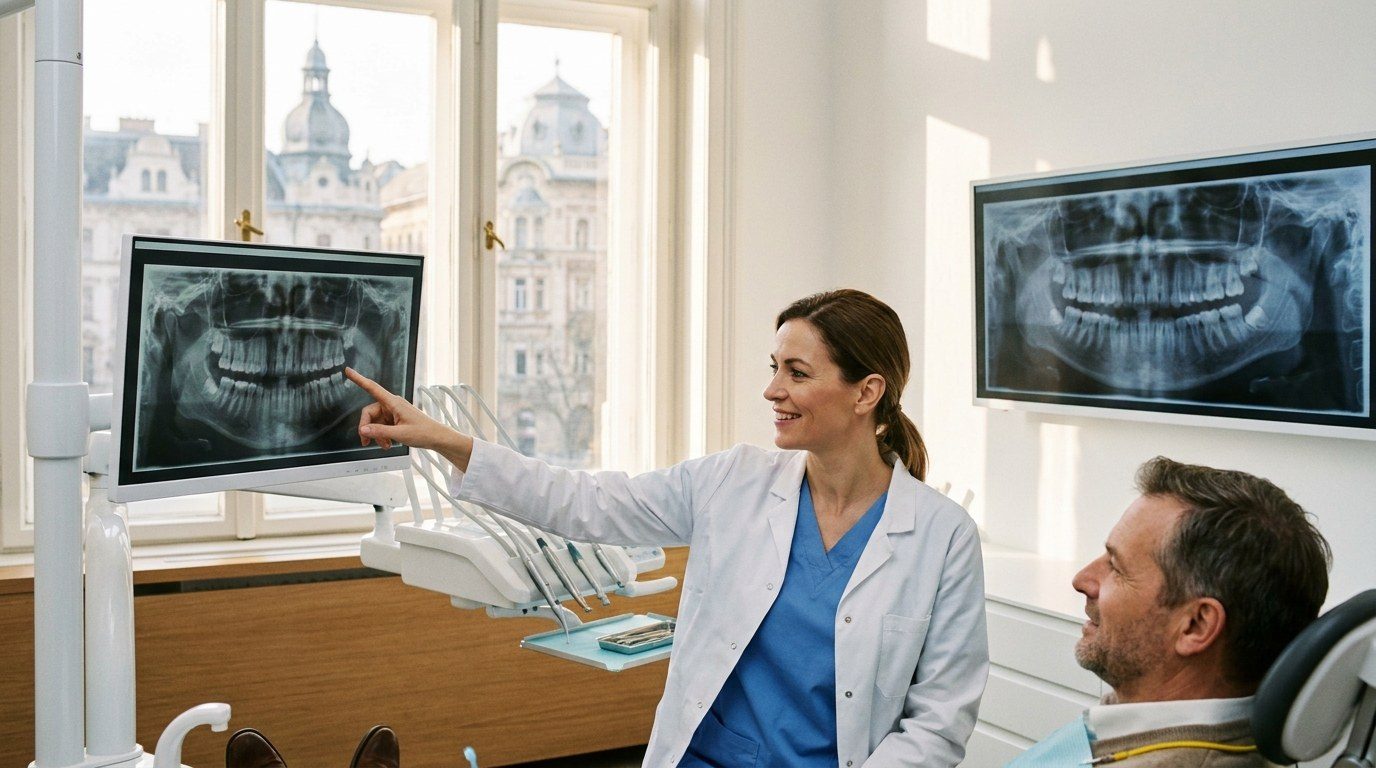
Budapest is Europe's longest-established dental tourism capital for UK patients, with single implants around £800 and All-on-4 from £3,900. This guide covers typical 2026 prices, the EU regulation advantage, treatment timelines across two visits and how Hungary compares with Turkey.
How much do dental implants cost in Hungary?
Hungary sits between Turkey and the UK on price: not the absolute cheapest option, but consistently around half to a third of UK private fees, with the reassurance of EU regulation. Typical 2026 prices:
| Treatment | Hungary (typical) | UK private (typical) | Typical saving |
|---|---|---|---|
| Single implant incl. abutment + crown | ~£800 (range €880–€1,300) | £1,800–£3,500 (avg ~£2,500) | 50–70% |
| All-on-4 per arch | £3,900–£6,500 | £9,000–£15,000 (~£12,000) | 50–60% |
| All-on-6 per arch | ~£5,400 | ~£22,000 | ~75% |
| Full-mouth restoration | £8,000–£13,000 | £25,000–£35,000 | 55–70% |
Already have a clinic in mind? See what the official records say about it →
Even after adding flights and hotels for two visits, a typical All-on-4 case in Budapest comes in at less than half the UK price. Note that low UK quotes of £1,500–£2,000 for a single implant often exclude the crown or bone grafting, so always compare complete, like-for-like treatment plans. Our UK vs abroad price comparison breaks this down item by item.
Ask us about dental treatment abroad, free
Tell us what you're looking into. We send your enquiry to relevant, pre-vetted clinics, and up to 3 that can help contact you directly.
Thera is free for patients. No clinic can pay to change the prices we publish.
Why Budapest is the veteran of European dental travel
British and Irish patients have been travelling to Budapest for dental work since the 1990s — long before Turkey entered the market. That head start matters in practical ways. The city has a dense cluster of clinics built specifically around international patients, with English-speaking dentists and patient coordinators as standard, established referral relationships, and treatment processes refined over decades of treating exactly the kind of cases UK patients bring.
Hungary also trains a large number of dentists relative to its population, and dentistry is a prestigious profession there. The result is a deep pool of experienced implantologists, many of whom have spent their entire careers treating international patients. It is a mature market rather than a gold rush — which tends to show in how clinics handle planning, documentation and aftercare.
The EU regulation advantage
Hungary is an EU member state, which means its clinics operate under EU-wide standards covering medical device regulation, sterilisation and cross-infection control, professional qualifications and clinical premises. The implants themselves fall under the EU Medical Device Regulation, the same framework governing what UK dentists fit.
This does not make vetting unnecessary — the General Dental Council is clear that patients should check credentials, insist on a full medical history being taken, and obtain copies of all records, scans and prescriptions before flying home wherever they are treated. But it does mean the regulatory floor is higher and more consistent than in non-EU destinations. Our guide to whether it's safe to get dental implants abroad covers the full checklist.
Hungarian clinics fit the same implant systems as UK practices: Straumann, Nobel Biocare, AlphaBio and Dentium are all common. Ask for the implant passport recording the exact system fitted — any established Budapest clinic will provide one as a matter of routine.
All-on-4 and All-on-6 in Budapest
Full-arch treatment is where Budapest's value is strongest. All-on-4 — a fixed bridge on four implants per arch — typically costs £3,900–£6,500 per arch, against roughly £12,000 in the UK. All-on-6, which uses six implants for additional support where bone allows, runs around £5,400 per arch compared with figures around £22,000 quoted privately in the UK.
Which configuration suits you depends on your bone density and bite, and your dentist will assess this from a CT scan rather than a price list. For a deeper look at how full-arch treatment works abroad, see our All-on-4 abroad cost guide and our full-mouth implants cost guide.
Considering a particular clinic? See what the official records say about it, free →
A typical treatment plan across two visits
Implants need 3–6 months to fuse with the jawbone, so nearly all Budapest treatment plans are built around two trips:
- Visit 1 (3–5 days): consultation, 3D CT scan, any extractions, implant placement, and temporary teeth if needed. Many clinics will pre-plan from X-rays you send in advance, so surgery can happen on day one or two.
- Healing at home (3–6 months): the implants integrate while you get on with normal life. Good clinics stay in contact and will liaise with your UK dentist if anything needs checking.
- Visit 2 (4–6 days): impressions, fitting of the final crowns or bridge, bite adjustment and a final review.
Because Budapest is so close, some patients also make a short preliminary trip just for a consultation — feasible over a weekend — before committing to treatment. Beware of any clinic promising complete implant treatment in a single short visit without seeing your scans; immediate loading suits only selected cases.
Flights and logistics
Budapest is one of the easiest treatment destinations to reach from the UK:
- Direct flights from London, Manchester, Birmingham, Edinburgh, Bristol and other airports, taking around 2.5 hours
- Budget carriers fly the routes, with returns often £50–£150 booked ahead
- Airport transfer to the city centre takes 30–40 minutes; many clinics include pick-up
- Accommodation is good value, and some clinics have partner hotels or apartments near the practice
Unlike Turkish clinics, Hungarian clinics tend to price treatment itemised rather than as all-inclusive packages, so budget separately for flights and hotel — though even with everything added, total costs remain well below half the UK equivalent for full-arch work.
How does Hungary compare with Turkey?
Turkey is usually 15–30% cheaper than Hungary for the same treatment, and its all-inclusive packages (hotel and transfers bundled in) appeal to many patients. Hungary's counter-arguments are EU regulation, a shorter flight, decades of UK-patient experience and a less sales-driven market. Broadly: if the lowest possible price is the priority, Turkey wins; if you want strong savings inside the EU framework with minimal travel, Budapest is hard to beat. Poland offers a similar EU proposition with cheaper flights from some UK cities, so it is worth comparing all three — our dental implants abroad hub guide puts every destination side by side.
Frequently Asked Questions
How much do dental implants cost in Budapest?
At typical 2026 prices, a single implant including abutment and crown costs around £800, All-on-4 runs £3,900–£6,500 per arch, and All-on-6 around £5,400 per arch — roughly half to a quarter of UK private fees.
Is Hungary safe for dental implants?
Hungary is an EU member, so clinics operate under EU device, hygiene and qualification standards, and Budapest has treated UK patients for decades. You should still vet individual clinics — check credentials, implant brands and aftercare arrangements. See our safety guide.
How many times will I need to travel to Budapest?
Usually twice: once for implant placement and once 3–6 months later for the final teeth. Each visit lasts roughly 3–6 days. Some patients add a short consultation trip first, which is easy given the 2.5-hour flight.
Do Hungarian dentists use the same implant brands as the UK?
Yes — Straumann, Nobel Biocare, AlphaBio and Dentium are all widely fitted in Budapest. Confirm the brand in writing and keep the implant passport for any future UK maintenance.
Is Hungary cheaper than Turkey?
No — Turkey is usually 15–30% cheaper for equivalent treatment. Hungary's advantages are EU regulation, shorter flights and the longest track record with UK patients. Many patients consider the difference worth paying; others prioritise Turkey's lower headline prices.
What if I have a problem after returning to the UK?
NHS dentists are not obliged to fix work done abroad and may only offer pain relief or extraction, with repairs charged privately. Agree a written aftercare plan before treatment, take all your records home, and arrange UK follow-up in advance.
Clinics we hold in Hungary
The dental clinics and hospitals in Hungary that have a free summary page: the register entry we found, the Google listings and any published prices. Thera is free for patients. No clinic can pay to change the prices we publish.

Budapest (District XVI, Kenéz utca)

Budapest

Budapest (District XIII, Váci út)

Budapest
Budapest (District II, Margit körút)
See also: clinic price index: what clinics publish, country by country.
Clinics UK patients look at
The four with the most Google reviews among the dental clinics we hold. Each has a free page with its records.
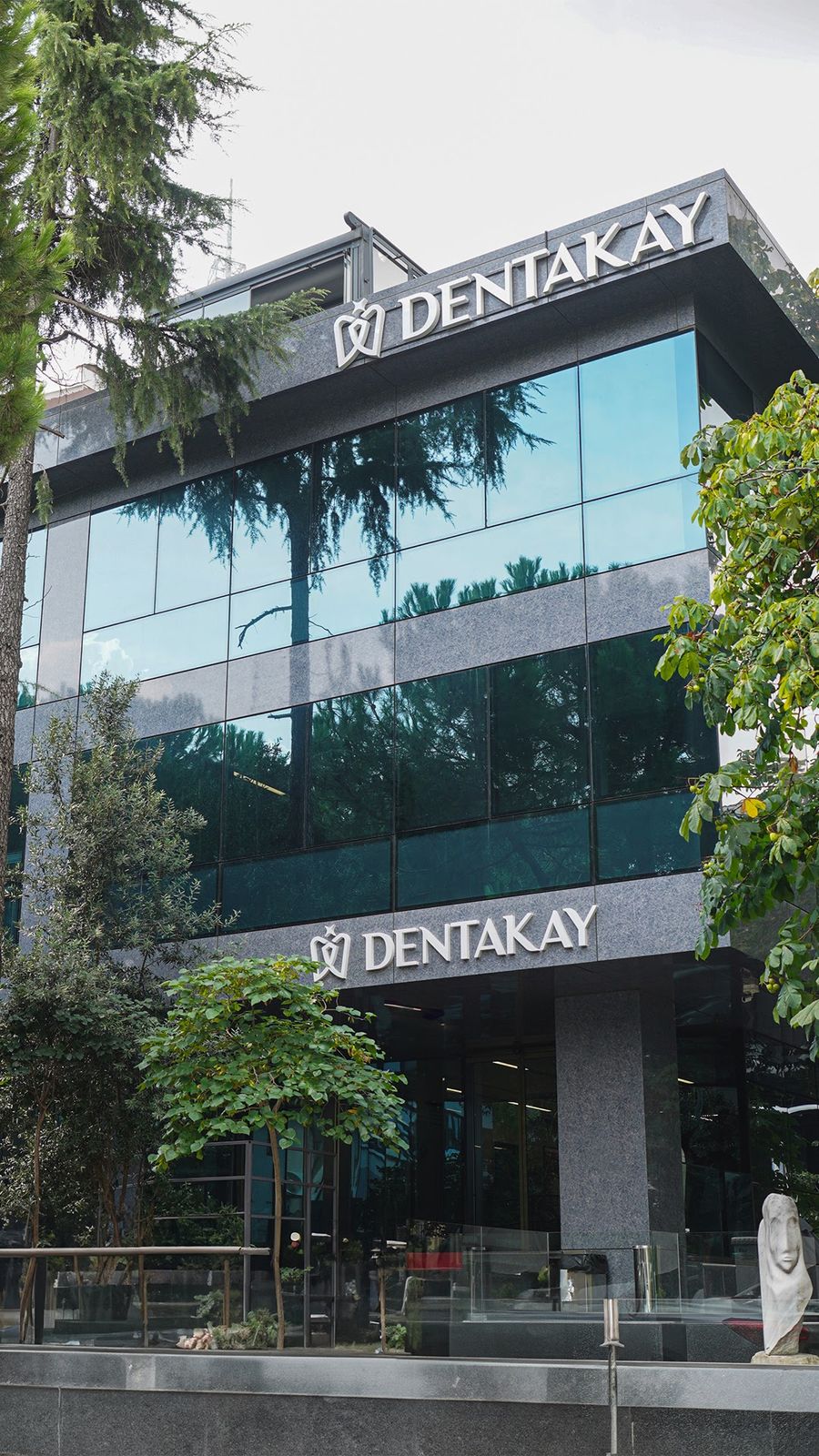 Dentakay Dental ClinicIstanbul, Turkey
 Attelia Oral and Dental Health CenterAntalya (Kızıltoprak, Muratpaşa), Turkey
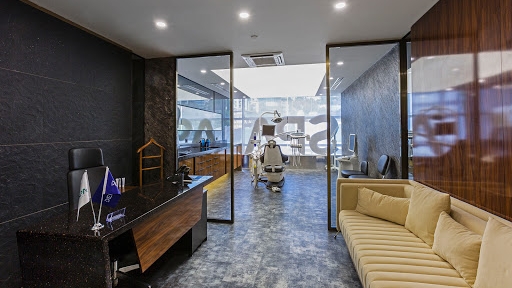 DentSpaIstanbul, Turkey
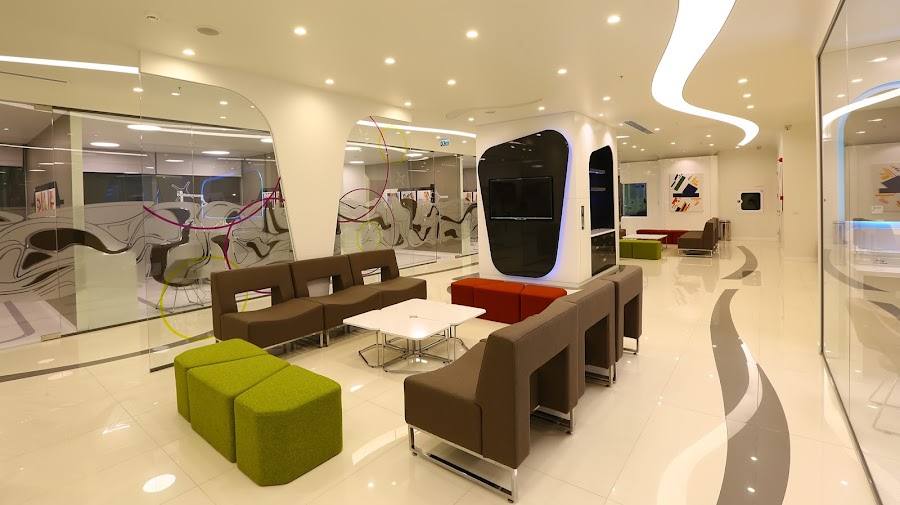 Esnan Dental Clinics Topkapı (Istanbul)Istanbul (Topkapı, Zeytinburnu), Turkey

Written by Saher Shodhan
Saher Shodhan is the founder of Thera Travel, which publishes what the official records show about clinics abroad, each fact with the date it was checked, and answers patients' enquiries, free. More about Thera → How we write and check our guides →
Related posts
Turkey teeth: what they are, what they cost and how to check a dentist

Is It Safe to Get Dental Implants Abroad? What to Check in 2026