
Zirconium crowns abroad cost £180–£300 a tooth against £500–£1,000 in the UK, a saving of 60–70%. This guide explains what zirconium crowns are, how they compare with porcelain and PFM, how long they last, and the tooth-preparation trade-off that clinics rarely spell out.
What is a zirconium crown?
A crown is a cap that covers the whole tooth. Zirconium (properly, zirconia) is a tooth-coloured ceramic that has largely replaced older crown materials because it is strong and reasonably natural-looking. It suits back teeth that take heavy chewing loads, and modern layered versions are used on front teeth too.
Two things separate a crown from a veneer. A veneer is a thin shell bonded to the front of a tooth after light preparation. A crown caps the entire tooth, so the tooth underneath is filed down substantially first. That preparation is the part worth understanding before you book, because it cannot be undone.
Ask us about dental treatment abroad, free
Tell us what you're looking into. We send your enquiry to relevant, pre-vetted clinics, and up to 3 that can help contact you directly.
Thera is free for patients. No clinic can pay to change the prices we publish.
How much do zirconium crowns cost abroad?
The saving is the reason most people look overseas. Here are typical 2026 prices per tooth.
| Treatment | UK private | Turkey / abroad | Typical saving |
|---|---|---|---|
| Zirconium crown | £500–£1,000 | £180–£300 | 60–70% |
| Layered/aesthetic zirconium (front tooth) | £700–£1,100 | £250–£350 | 60–70% |
| Porcelain-fused-to-metal (PFM) crown | £400–£800 | £150–£280 | 55–65% |
| E-max (all-ceramic) crown | £600–£1,000 | £220–£350 | 60–70% |
| Full smile (20 zirconium crowns) | £12,000–£20,000 | £3,500–£6,000 | 60–70% |
Already have a clinic in mind? See what the official records say about it →
These are typical 2026 prices, not quotes. On the NHS a crown falls under the Band 3 charge, a fixed fee of just over £300 in England that covers the clinical work but gives you no say over the material. Private and overseas prices vary with the exact ceramic, the lab and the dentist.
Considering a particular clinic? See what the official records say about it, free →
Zirconium vs porcelain vs PFM
The material behind the crown decides how it looks, how long it lasts and what it costs. Here is the honest comparison.
- Zirconium (zirconia): very strong, resists chipping, good for molars and grinders. Solid ("monolithic") zirconium is the toughest but can look slightly opaque; layered zirconium looks more natural on front teeth but is a little less strong.
- E-max (lithium disilicate): the most lifelike for front teeth, with excellent translucency. Strong enough for most positions, though usually chosen where appearance matters most. See our veneers abroad cost guide for where E-max fits.
- PFM (porcelain-fused-to-metal): an older design with a metal core under porcelain. Cheaper and durable, but the metal can show as a dark line at the gum over time. Rarely the first choice now.
For back teeth, zirconium usually wins on strength. For a single front tooth where matching the neighbour matters, E-max is often the better cosmetic result. A good dentist recommends by tooth position, not by what is on offer.
How long do zirconium crowns last?
Well-made zirconium crowns commonly last 10–15 years, and many last longer with good oral hygiene and regular check-ups. The crown itself rarely "wears out" — what usually fails is the tooth or gum underneath, through decay at the margin or gum recession.
Two points keep expectations honest. First, a crown is not permanent; it will eventually need replacing, and each replacement removes a little more tooth structure. Second, fit matters more than the badge on the box. A precisely fitted budget crown outlasts a poorly fitted premium one, which is why the clinic and lab matter as much as the material.
The tooth-preparation trade-off
Here is the part the before-and-after photos skip. To fit a crown, the dentist files the natural tooth down to a peg. This is irreversible. Once a healthy tooth is crowned, you are committed to crowns for that tooth for life, with the replacement cost and maintenance that brings.
Heavy preparation close to the nerve carries its own risk. A tooth prepared too aggressively can become sensitive or die, sometimes needing root canal treatment afterwards. The General Dental Council's guidance on going abroad for treatment stresses getting a full written plan that spells out exactly what will be done to each tooth before you agree to anything.
So the honest rule is simple. If a tooth is broken, heavily filled or root-treated, a crown is the right tool. If your teeth are healthy and you mainly want them whiter or straighter, crowning them is the most destructive route — whitening, bonding or veneers achieve the look with far less loss of tooth. The British Dental Association reports that 86% of UK dentists have treated patients with complications from dental work done abroad, with crowns among the most common, so this decision is worth a UK second opinion before you travel.
Where to get zirconium crowns abroad
Turkey is the cheapest mainstream destination and the reason "Turkey teeth" became a phrase — most of those makeovers are zirconium crowns, not implants. Our Turkey teeth honest guide and our dedicated dental crowns in Turkey cost guide go deeper on that, and the Turkey medical tourism hub covers travel and logistics.
For EU regulation at a modest premium, Hungary and Poland are the usual picks, covered in our Hungary dental guide and Poland dental guide. Whichever you choose, the vetting is the same: a written plan naming the material and preparation, a warranty, your records handed over before you fly home, and a UK follow-up arranged in advance. The NHS will not fund correction of private cosmetic work done abroad — it may only offer pain relief or removal, not repair. The full checklist is in our guide to whether dental work in Turkey is safe.
Frequently Asked Questions
How much does a zirconium crown cost abroad?
Typically £180–£300 a tooth at 2026 prices in Turkey, rising to around £350 for layered aesthetic zirconium on front teeth. The same crown costs £500–£1,000 privately in the UK. A full 20-tooth smile in zirconium runs £3,500–£6,000 abroad against £12,000–£20,000 here.
Are zirconium crowns better than porcelain?
For strength, yes — zirconium resists chipping and suits back teeth and grinders better than older porcelain-fused-to-metal crowns. For a single front tooth where appearance matters most, E-max all-ceramic often looks more natural. The right choice depends on the tooth, so ask your dentist to recommend by position.
How long do zirconium crowns last?
Commonly 10–15 years, and often longer with good hygiene and regular check-ups. They rarely wear out themselves; failure usually comes from decay or gum recession at the crown margin. No crown is permanent, and each replacement removes a little more tooth, so daily care matters.
Do zirconium crowns ruin your natural teeth?
Fitting a crown means filing the tooth down to a peg, which is irreversible, and heavy preparation near the nerve can lead to root canal treatment. On a damaged tooth that is a fair trade. On a healthy tooth wanted only for whiteness, it is the most destructive option — whitening or veneers remove far less.
Is zirconium the same as a "Turkey teeth" crown?
Usually, yes. Most viral "Turkey teeth" makeovers are zirconium crowns fitted over filed-down teeth. The material is standard and used in the UK too; the controversy is about crowning healthy teeth for cosmetic reasons, not about zirconium itself.
What if my crown fails after I get home?
The NHS will not repair private cosmetic work done abroad — it may only offer pain relief or removal. Private UK repairs commonly cost £500–£1,000 or more per tooth, per the British Dental Association. Agree a written aftercare plan and a UK follow-up before you travel.
See also: compare countries for dental implants.
Clinics UK patients look at
The four with the most Google reviews among the dental clinics we hold. Each has a free page with its records.
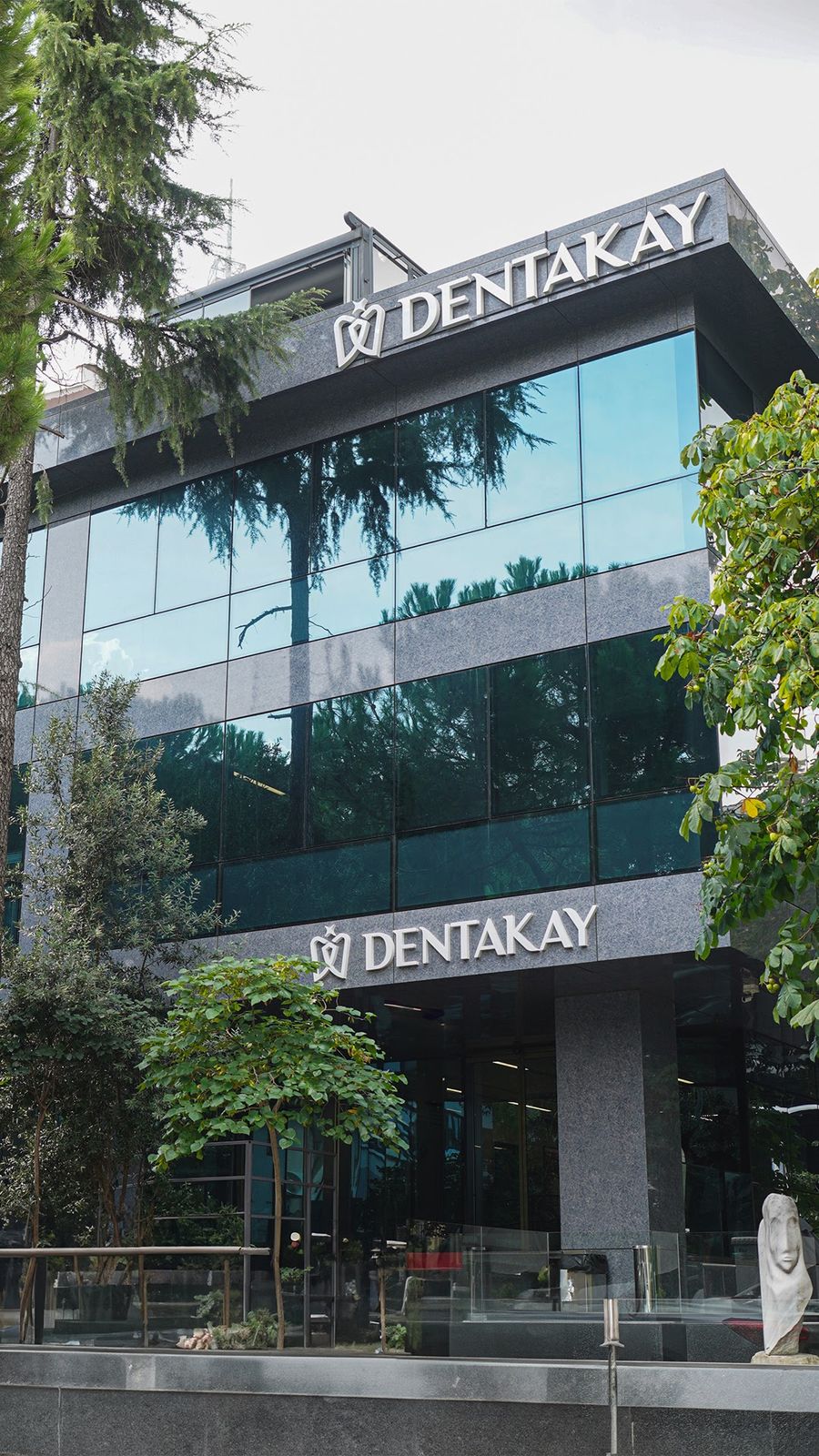 Dentakay Dental ClinicIstanbul, Turkey
 Attelia Oral and Dental Health CenterAntalya (Kızıltoprak, Muratpaşa), Turkey
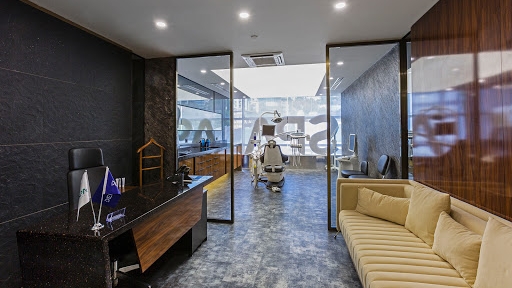 DentSpaIstanbul, Turkey
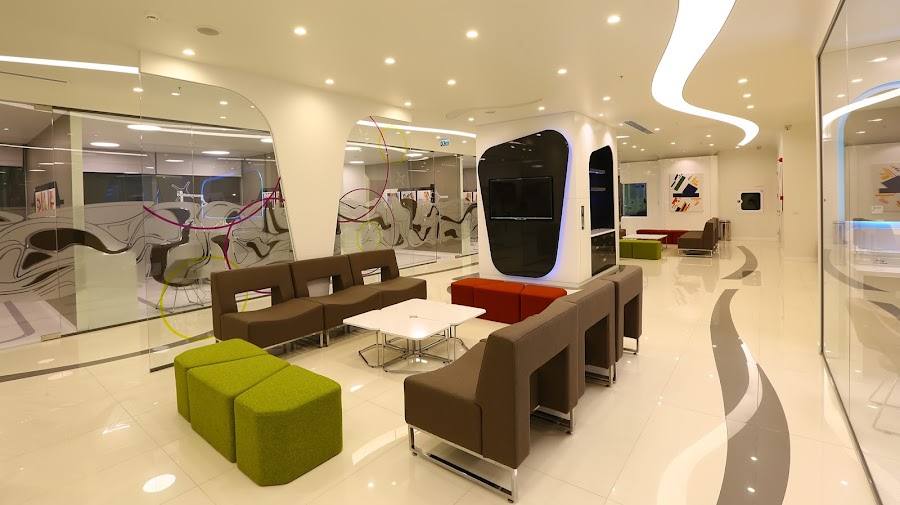 Esnan Dental Clinics Topkapı (Istanbul)Istanbul (Topkapı, Zeytinburnu), Turkey

Written by Saher Shodhan
Saher Shodhan is the founder of Thera Travel, which publishes what the official records show about clinics abroad, each fact with the date it was checked, and answers patients' enquiries, free. More about Thera → How we write and check our guides →
Related posts

Is It Safe to Get Dental Implants Abroad? What to Check in 2026
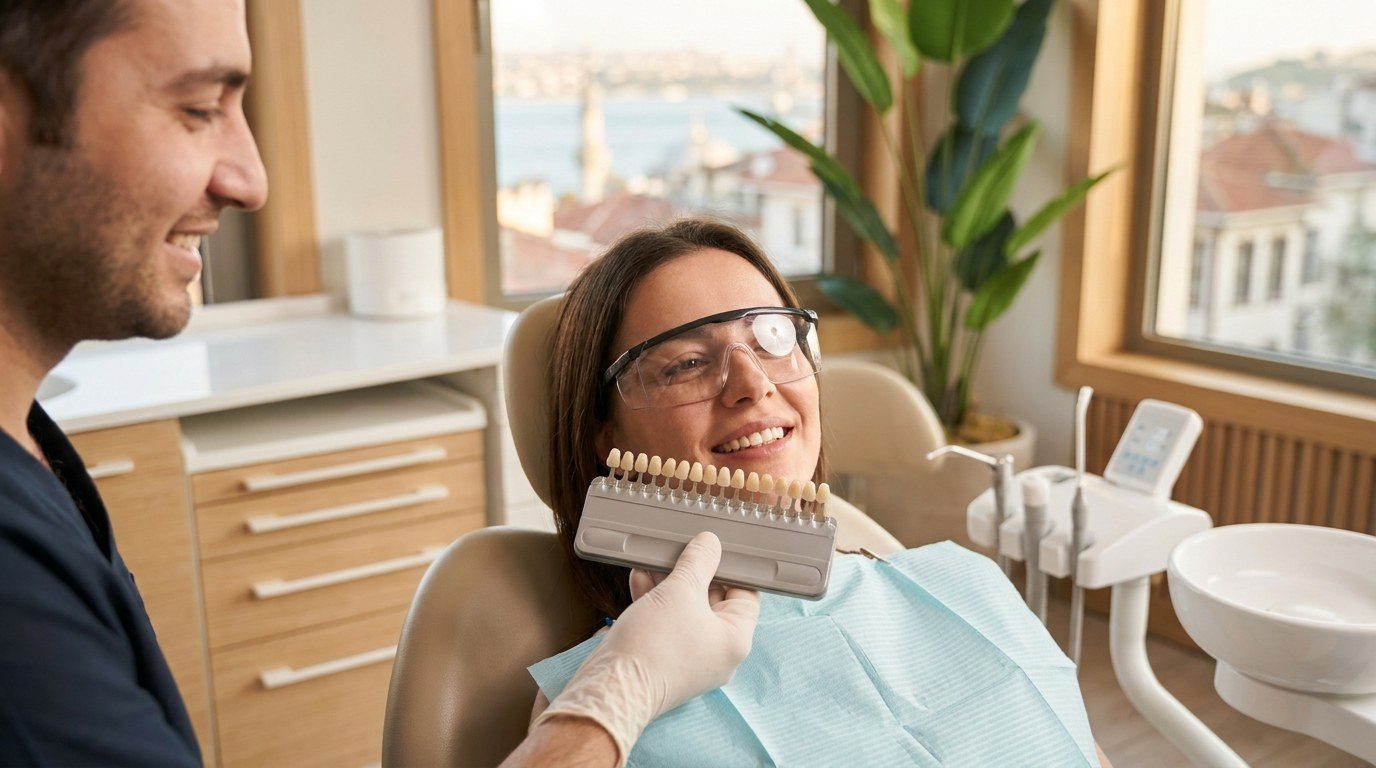
Turkey teeth: what they are, what they cost and how to check a dentist