
Veneers in Dubai typically cost £400–£900 a tooth — more than Turkey but often below UK private prices, with tighter regulation as the trade-off. This guide covers Dubai veneer costs, how they compare with Turkey and the UK, the regulation, and who the premium positioning suits.
What veneers cost in Dubai
Dubai sits at the premium end of the dental-tourism market. It is not the cheapest option, but it is often positioned as a middle ground between Turkey's low prices and UK private fees, with a polished, regulated clinic environment. Here are typical 2026 prices per tooth.
| Material | Dubai (per tooth) | Turkey (per tooth) | UK private (per tooth) |
|---|---|---|---|
| Composite veneer | £250–£450 | £150–£250 | £250–£500 |
| Porcelain veneer | £450–£800 | £250–£350 | £700–£1,200 |
| E-max veneer | £500–£900 | £250–£350 | £700–£1,200 |
| Zirconium crown | £400–£700 | £180–£300 | £500–£1,000 |
Already have a clinic in mind? See what the official records say about it →
Dubai prices vary widely with clinic prestige and location, and figures above are typical ranges rather than quotes. Against Turkey, you pay a clear premium; against UK private fees, E-max in particular can still work out lower. The saving math is less dramatic than Turkey, so patients choosing Dubai are usually buying the setting and convenience as much as the discount.
Considering a particular clinic? See what the official records say about it, free →
Ask us about dental treatment abroad, free
Tell us what you're looking into. We send your enquiry to relevant, pre-vetted clinics, and up to 3 that can help contact you directly.
Thera is free for patients. No clinic can pay to change the prices we publish.
Dubai vs Turkey: why the price gap
Two destinations, two very different propositions. Turkey competes on price and volume, with the steepest discounts anywhere and standards that vary widely, so vetting is critical. We cover it in the veneers in Turkey cost guide and medical tourism in Turkey guide.
Dubai competes on premium positioning: modern clinics, high-end hospitality and a regulator that oversees the sector closely. You pay more per tooth, but the environment feels closer to a UK private clinic. Which matters more to you, the size of the saving or the polish and regulation, is the real question behind this choice.
Regulation in Dubai
Dubai's health sector is overseen by the Dubai Health Authority (DHA), with the Ministry of Health and Prevention and the Emirates Health Services also involved federally. Dentists must be licensed to practise, and clinics are inspected. That framework is one of the main reasons Dubai markets itself as a higher-assurance destination than the cheapest alternatives.
Regulation abroad is not the same as recourse at home, though. The General Dental Council's guidance on going abroad for treatment is clear that regulation varies by country and that the paperwork you take home is your protection — get copies of all records, scans and prescriptions before you leave. Whatever a destination's local standards, if the work fails after you return, the NHS will not fund correction of private cosmetic dental treatment done abroad; it may only offer pain relief or removal, and private UK repairs run £500–£1,000+ per tooth.
The honest catch: veneers still remove tooth
Premium pricing does not change the biology. To fit porcelain or E-max veneers, a dentist shaves a thin layer of enamel off the front of each tooth; to fit zirconium crowns, the whole tooth is filed to a peg. Both are irreversible, in Dubai exactly as in Turkey or the UK.
Once a tooth is prepared, you are committed to veneers or crowns on it for life. A more expensive clinic may do the preparation more conservatively, but it cannot make lost enamel grow back. If your teeth are healthy and you mainly want them whiter, whitening or composite veneers remove far less tooth — a UK check-up first will tell you which route fits. The British Dental Association has reported that 86% of UK dentists have treated patients with complications from dental work done abroad, so the assessment beforehand matters wherever you go.
Who Dubai suits — and who should think twice
Dubai is a reasonable fit if you:
- Want a regulated, high-end clinic environment and will pay a premium for it
- Are combining treatment with a trip you were taking anyway
- Value convenience, English-speaking care and modern facilities over the deepest discount
Think twice if the saving is your main driver, Turkey or EU destinations offer larger discounts, or if you would rather stay within reach of home. As always, veneers are not a fix for missing teeth; that is implant work, covered in our dental implants abroad hub. Compare the E-max and porcelain material guides before you decide on a clinic.
Vetting a clinic in Dubai
A premium price tag is not a substitute for due diligence. To protect yourself:
- Confirm the dentist's DHA licence and check the clinic is inspected
- Get a written treatment plan naming the material, the number of teeth and how much of each will be prepared
- Ask for a warranty on the veneers and review the clinic's own before-and-after cases
- Take copies of all scans and records home, as the GDC advises
- Arrange a UK follow-up before you travel, since NHS help for problems is limited to pain relief or removal
Our full safety checklist, though written around Turkey, applies anywhere: see whether dental work in Turkey is safe and the existing veneers abroad cost guide.
Frequently Asked Questions
How much do veneers cost in Dubai?
Typically £400–£900 per tooth in 2026, depending on material and clinic prestige: composite £250–£450, porcelain £450–£800 and E-max £500–£900. That is more than Turkey but can still fall below UK private fees, particularly for E-max at £700–£1,200 in the UK.
Are veneers cheaper in Dubai or Turkey?
Turkey is cheaper, often by half. Turkey competes on price and volume with the steepest discounts anywhere, while Dubai positions itself as a premium, regulated destination. Patients who choose Dubai are usually paying for the clinic environment and convenience rather than the largest saving.
Is dental work in Dubai well regulated?
Dubai's health sector is overseen by the Dubai Health Authority, dentists must be licensed and clinics are inspected. That is stricter oversight than some cheaper destinations. Even so, regulation abroad is not the same as recourse at home, so take all your records home as the GDC advises.
Do veneers in Dubai still remove tooth enamel?
Yes. Porcelain and E-max veneers require a thin layer of enamel removed, and zirconium crowns file the tooth to a peg — the same in Dubai as anywhere. Premium pricing does not change the biology, and lost enamel does not grow back, so veneers commit you for life.
Who should choose Dubai for veneers?
Patients who want a regulated, high-end clinic environment, are already travelling there, or value convenience and modern facilities over the deepest discount. If the saving is your main goal, Turkey or EU destinations offer larger price gaps for the same materials.
What if my Dubai veneers go wrong after I get home?
The NHS will not fund correcting private cosmetic dental work done abroad — it may only offer pain relief or removal. Private UK repairs commonly cost £500–£1,000 or more per tooth, so agree a written aftercare plan and a UK follow-up before you book.
Clinics UK patients look at
The four with the most Google reviews among the dental clinics we hold. Each has a free page with its records.
 Dentakay Dental ClinicIstanbul, Turkey
 Attelia Oral and Dental Health CenterAntalya (Kızıltoprak, Muratpaşa), Turkey
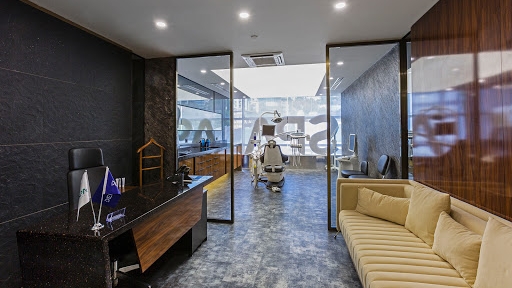 DentSpaIstanbul, Turkey
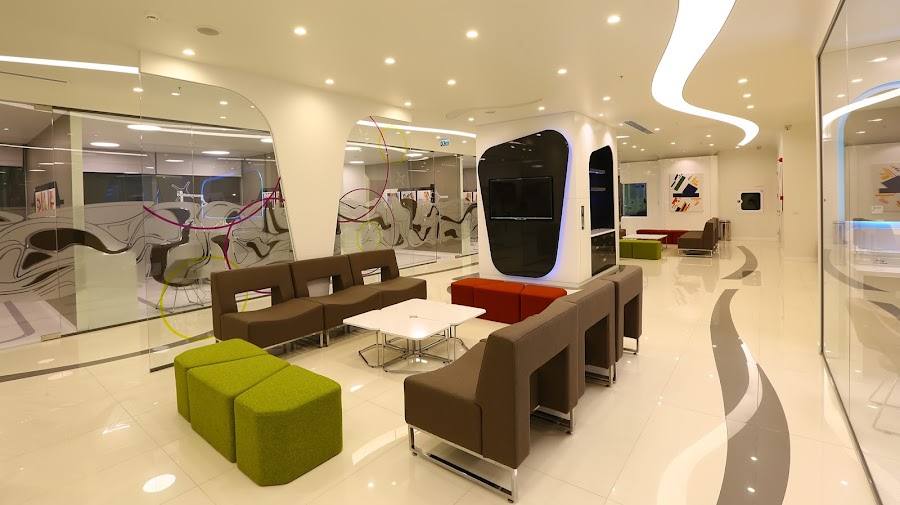 Esnan Dental Clinics Topkapı (Istanbul)Istanbul (Topkapı, Zeytinburnu), Turkey
Written by Saher Shodhan
Saher Shodhan is the founder of Thera Travel, which publishes what the official records show about clinics abroad, each fact with the date it was checked, and answers patients' enquiries, free. More about Thera → How we write and check our guides →
Related posts

Is It Safe to Get Dental Implants Abroad? What to Check in 2026
Turkey teeth: what they are, what they cost and how to check a dentist