

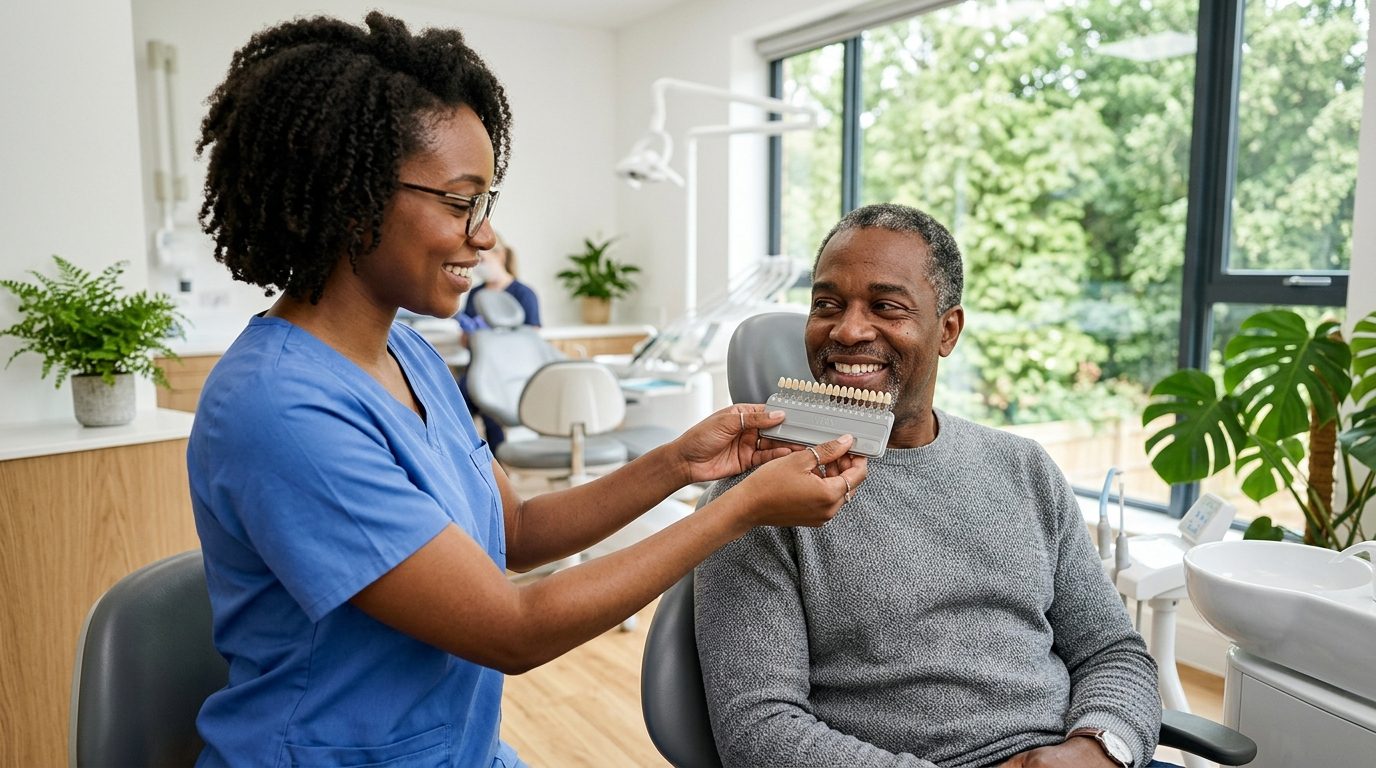
E-max veneers abroad cost £250–£350 a tooth against £700–£1,200 in the UK — a 65–75% saving on the porcelain most dentists reach for when a front tooth has to look natural. This guide covers the cost, why E-max looks the way it does, how long it lasts, and how to vet a clinic.
What E-max veneers cost abroad
E-max sits at the premium end of the veneer market, so it carries the largest cash saving per tooth when done abroad. Here are typical 2026 prices.
| Treatment | Turkey | UK private | Typical saving |
|---|---|---|---|
| E-max veneer (per tooth) | £250–£350 | £700–£1,200 | 65–75% |
| Zirconium crown/veneer (per tooth) | £180–£300 | £500–£1,000 | 60–70% |
| Composite veneer (per tooth) | £150–£250 | £250–£500 | 40–60% |
| Full E-max smile (20 teeth) | £5,000–£7,000 | £18,000–£25,000+ | 65–75% |
Already have a clinic in mind? See what the official records say about it →
On a full smile the gap is stark: an E-max makeover that runs £18,000 or more privately in the UK is commonly £5,000–£7,000 abroad as a package. Even with two return flights and a hotel, the saving on a full case is several thousand pounds.
Considering a particular clinic? See what the official records say about it, free →
Ask us about dental treatment abroad, free
Tell us what you're looking into. We send your enquiry to relevant, pre-vetted clinics, and up to 3 that can help contact you directly.
Thera is free for patients. No clinic can pay to change the prices we publish.
Why E-max looks natural
E-max is a brand of pressed lithium-disilicate ceramic. Its appeal is optical: it is slightly translucent, so light passes into it and bounces back much the way it does through natural enamel. That is why a well-made E-max veneer blends with the teeth around it instead of looking flat or opaque.
Zirconium, by contrast, is denser and more opaque. It is stronger, which makes it the usual choice for full-mouth crowns and back teeth that take heavy bite forces, but on a single front tooth it can look slightly less lifelike unless it is a layered version. For a top-front tooth that has to match its neighbour, most dentists favour E-max. Our porcelain veneers abroad guide explains where each ceramic fits.
How much tooth E-max removes
E-max veneers are thin, so they need less tooth prepared than a crown. A dentist shaves a thin layer of enamel off the front of the tooth, usually a fraction of a millimetre, so the finished veneer sits flush rather than looking bulky.
That is less destructive than a zirconium crown, which files the whole tooth to a peg, but it is not nothing. The enamel removed does not grow back, and once a tooth is prepared for a veneer you are committed to veneers on it for life. Some minimal-prep E-max cases remove very little tooth; heavily worn or crowded teeth need more.
The General Dental Council's guidance on going abroad for treatment stresses getting a written plan that spells out exactly how much of each tooth will be prepared. If a clinic quotes 20 E-max veneers for a mouth of healthy teeth, ask why crowns or minimal-prep options were not offered, and consider a second opinion. Wanting whiter teeth is not a clinical reason to grind down healthy ones — a point we make in full in our Turkey teeth honest guide.
How long E-max veneers last
With good care, E-max veneers commonly last 10–15 years and often longer. The ceramic resists staining well, so they hold their colour better than composite, which tends to yellow within a few years.
They are not indestructible. E-max can chip or debond, particularly if you grind your teeth, so a nightguard is often recommended. And like all veneers they will eventually need replacing — when they do, it is a new lab-made veneer, not a quick chairside repair. Factor a future replacement into the lifetime cost, not just the price today.
Who E-max suits — and who should think twice
E-max is a strong fit if you:
- Want the most natural-looking result on visible front teeth
- Have healthy teeth that need only a thin layer prepared
- Want better stain resistance and longevity than composite offers
Think twice if you grind heavily or need veneers on back teeth taking strong bite forces, where zirconium's strength may serve better. It is also not a fix for missing teeth — that is implant work, covered in our dental implants abroad hub. And if your teeth are healthy and you mainly want them whiter, whitening or composite veneers remove far less tooth. A UK dentist can tell you which route actually fits your mouth.
Vetting a clinic for E-max work
The finished result depends on the dental laboratory and the dentist's shade-matching as much as the material, so clinic choice is where the quality is won or lost.
The British Dental Association reports that 86% of UK dentists have treated patients with complications from dental work done abroad, with crowns and veneers common. To protect yourself:
- Get written confirmation that genuine E-max is being used, not an unnamed "porcelain"
- Ask for a treatment plan naming the number of teeth and how much of each will be prepared
- Review the clinic's own before-and-after E-max cases and check the shade looks natural, not chalk-white
- Choose a regulated clinic offering a warranty on the veneers
- Take copies of all scans and records home, as the GDC advises
- Arrange a UK follow-up first. The NHS will not fund correcting private cosmetic dental work done abroad; it may only offer pain relief or removal, and private repairs run £500–£1,000+ per tooth
Our full checklist is in the guide to whether dental work in Turkey is safe, and the veneers in Turkey cost guide, existing veneers abroad cost guide and medical tourism in Turkey guide cover destinations and practicalities.
Frequently Asked Questions
How much do E-max veneers cost abroad?
Typically £250–£350 per tooth in Turkey at 2026 prices, against £700–£1,200 in the UK — a 65–75% saving. A full 20-tooth E-max smile is usually £5,000–£7,000 abroad as a package, compared with £18,000–£25,000+ privately in the UK.
What is the difference between E-max and zirconium?
E-max is a translucent pressed ceramic that looks the most natural, ideal for visible front teeth. Zirconium is denser, stronger and more opaque, better for full-mouth work and back teeth taking heavy bite forces. Many full-smile cases mix the two by position.
Do E-max veneers damage your teeth?
They remove a thin layer of enamel — less than a crown, more than additive composite. That enamel does not grow back, and once prepared, a tooth needs veneers for life. If your teeth are healthy and you mainly want them whiter, whitening or composite remove far less tooth.
How long do E-max veneers last?
Commonly 10–15 years or more with good care, and they resist staining better than composite. They can still chip or debond, especially with grinding, so a nightguard is often advised. All veneers eventually need replacing with a new lab-made one.
Are E-max veneers worth getting abroad?
For a genuine E-max case at a clinic you have checked carefully, the saving is real — often several thousand pounds on a full smile. The deciding factor is not price but whether the treatment suits your teeth and whether the clinic confirms genuine E-max and a natural shade in writing.
Is it safe to get E-max veneers abroad?
It can be, at a clinic you have checked properly, but the British Dental Association reports 86% of UK dentists have treated complications from dental work abroad. Confirm genuine E-max in writing, review real case photos, get a warranty, take your records home and arrange UK follow-up first.
Clinics UK patients look at
The four with the most Google reviews among the dental clinics we hold. Each has a free page with its records.
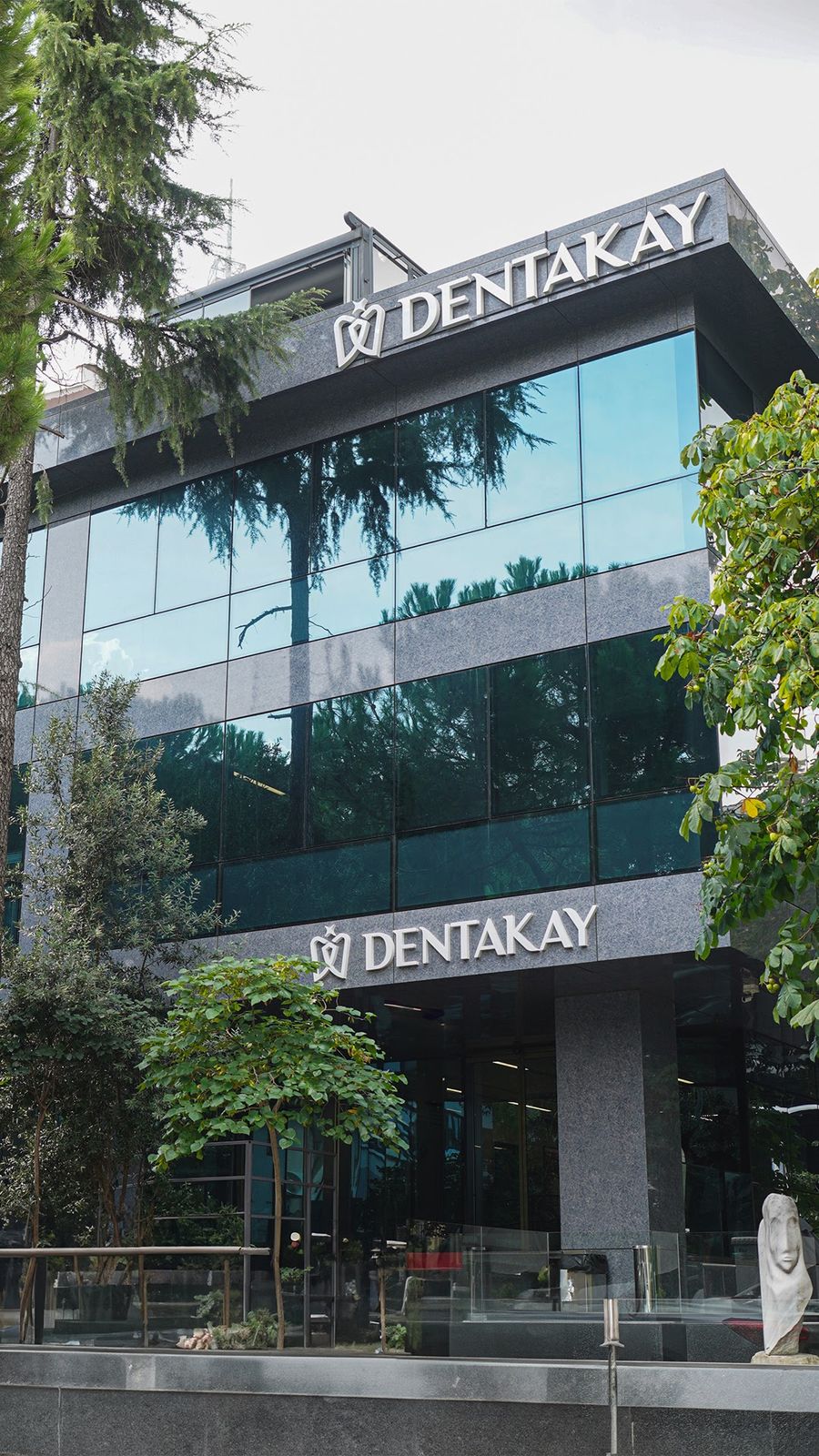 Dentakay Dental ClinicIstanbul, Turkey
 Attelia Oral and Dental Health CenterAntalya (Kızıltoprak, Muratpaşa), Turkey
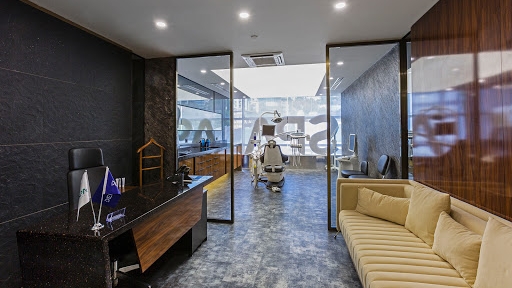 DentSpaIstanbul, Turkey
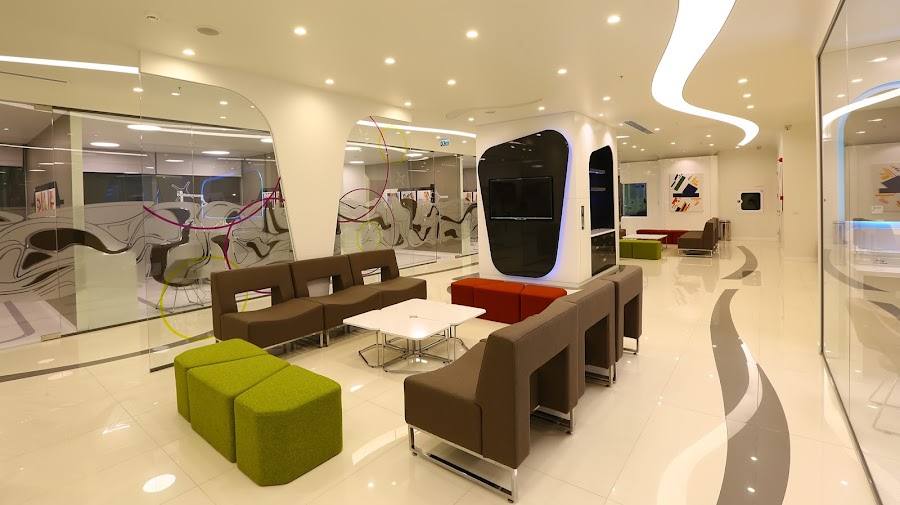 Esnan Dental Clinics Topkapı (Istanbul)Istanbul (Topkapı, Zeytinburnu), Turkey

Written by Saher Shodhan
Saher Shodhan is the founder of Thera Travel, which publishes what the official records show about clinics abroad, each fact with the date it was checked, and answers patients' enquiries, free. More about Thera → How we write and check our guides →
Related posts

Is It Safe to Get Dental Implants Abroad? What to Check in 2026
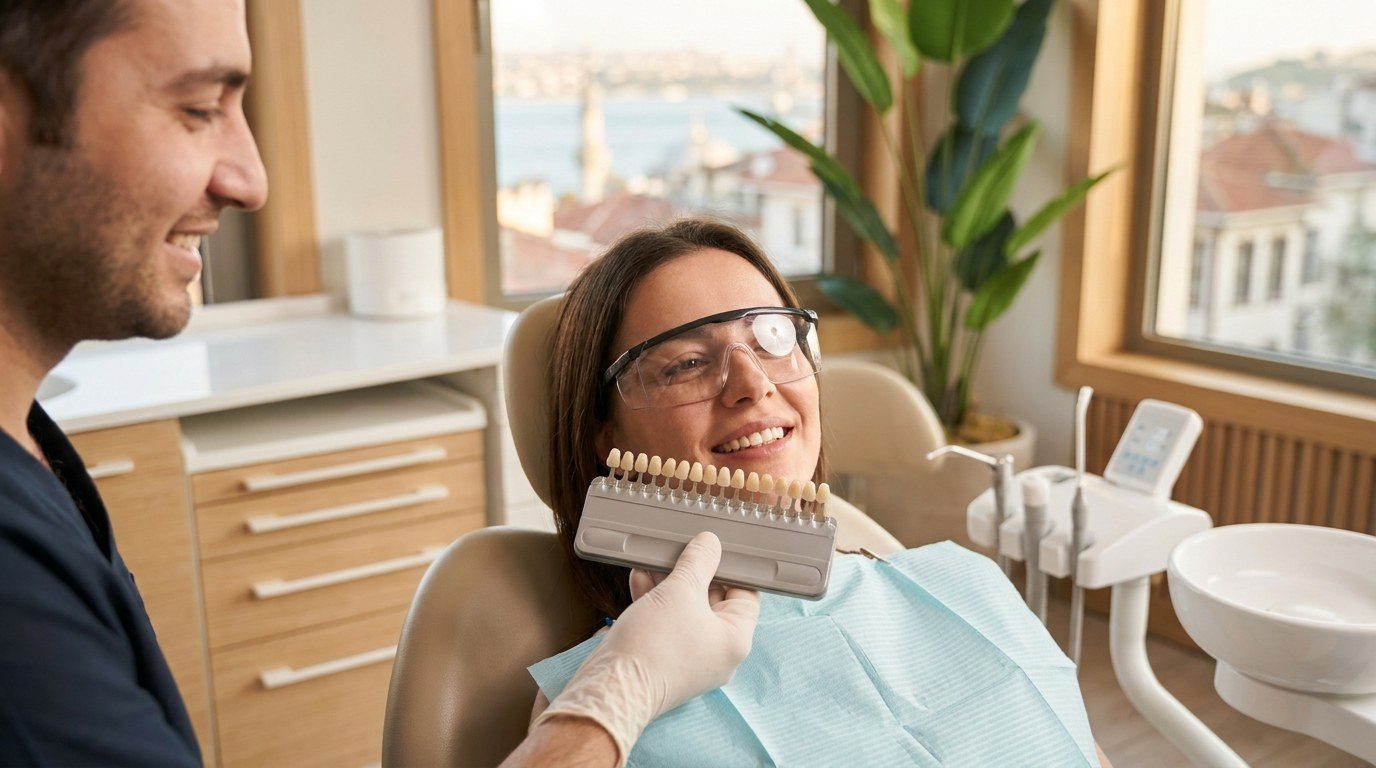
Turkey teeth: what they are, what they cost and how to check a dentist