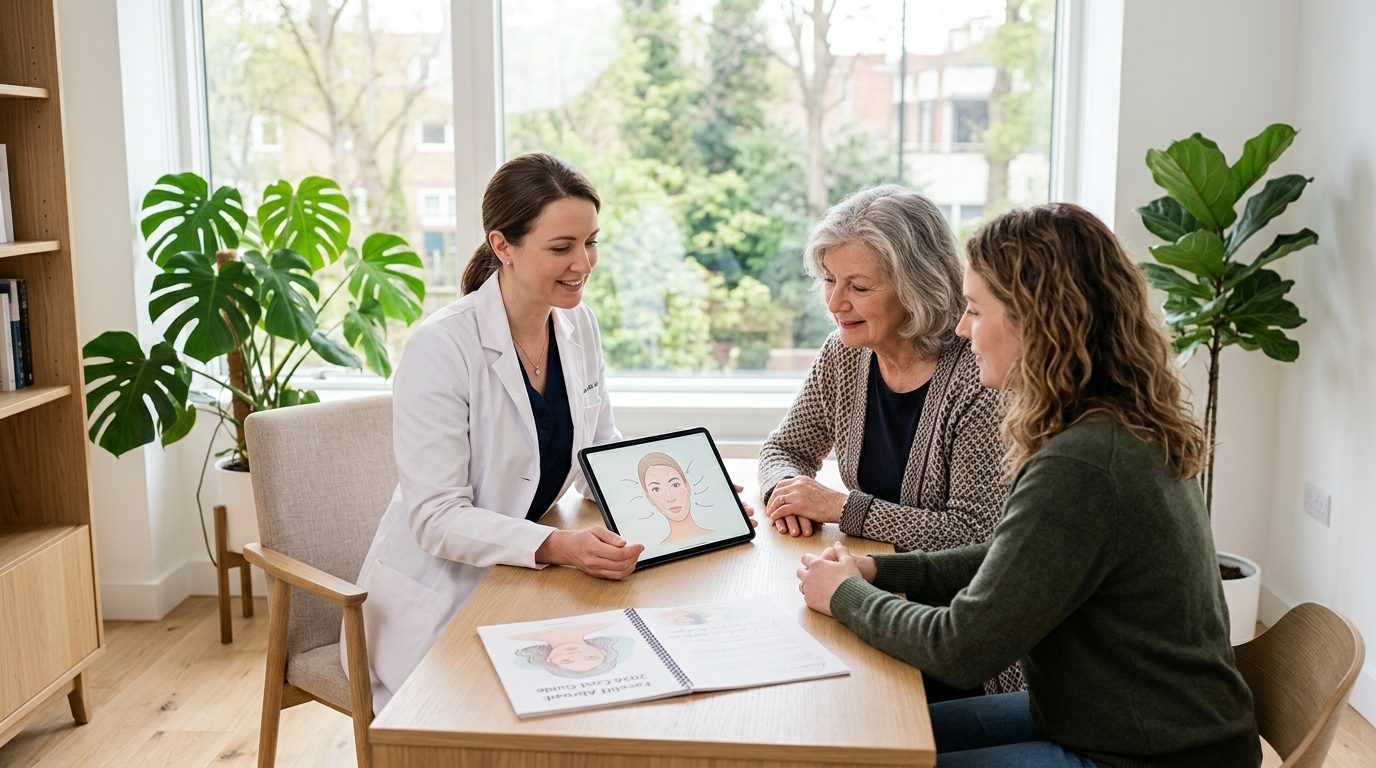

Eyelid Surgery (Blepharoplasty) Abroad
2026 Cost
Home › Guides › Eyelid Surgery (Blepharoplasty) Abroad: 2026 Cost
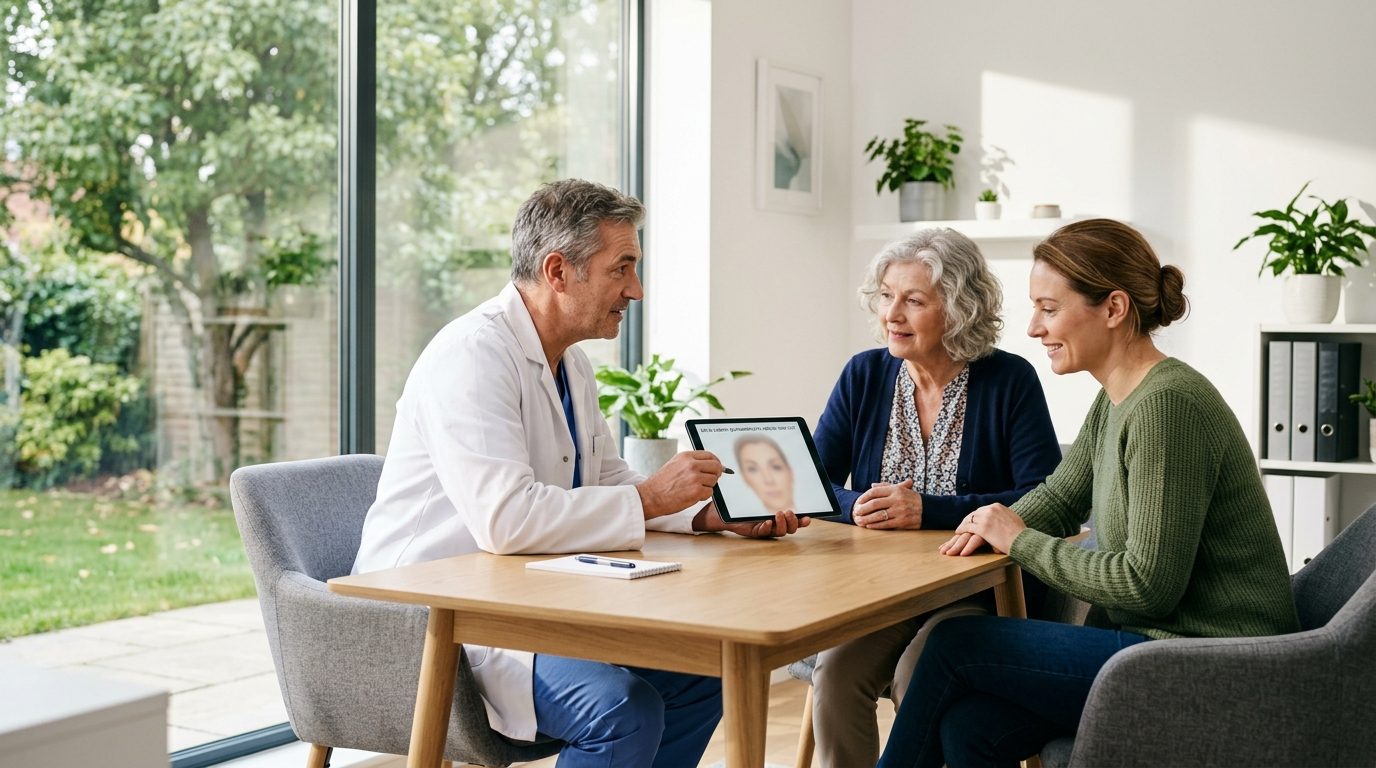
Eyelid surgery (blepharoplasty) abroad costs from £1,800 in Turkey, against £3,000–£5,000 in the UK. This guide covers upper and lower eyelid prices by country, recovery, the fit-to-fly window and how to vet a surgeon for one of cosmetic surgery's lower-risk procedures.
What eyelid surgery is
Blepharoplasty removes or repositions excess skin, muscle and fat around the eyes. Upper blepharoplasty tackles the hooded, heavy skin that can start to sit on the lash line. Lower blepharoplasty addresses under-eye bags and puffiness. Many patients have all four lids done in one sitting.
It is usually a day-case procedure. Upper-lid surgery is often done under local anaesthetic with light sedation; lower-lid or combined work may use general anaesthetic. Because it involves no body cavity, no large tissue undermining and no implants, it sits at the lower-risk end of cosmetic surgery. That does not make it minor surgery — it is done close to the eye, and technique matters.
Ask us about treatment abroad, free
Tell us what you're looking into. We send your enquiry to relevant, pre-vetted clinics, and up to 3 that can help contact you directly.
Thera is free for patients. No clinic can pay to change the prices we publish.
How much does eyelid surgery abroad cost?
Turkey is the cheapest mainstream destination; Poland and Lithuania cost a little more but operate under EU regulation. Here are typical 2026 prices.
| Procedure | Turkey | Poland / Lithuania | UK private | Saving vs UK |
|---|---|---|---|---|
| Upper eyelids | £1,400–£2,200 | £1,800–£2,800 | £2,000–£3,500 | 30–45% |
| Lower eyelids | £1,600–£2,600 | £2,000–£3,200 | £2,500–£4,000 | 35–45% |
| Upper + lower (four lids) | £1,800–£3,000 | £2,600–£4,000 | £3,000–£5,000 | 35–50% |
Already have a clinic in mind? See what the official records say about it →
These are typical 2026 prices. Turkish figures usually come as a package with hotel, transfers and aftercare. The saving is real but narrower than on big body procedures, so factor flights and a hotel stay into the sum before you decide. For the wider picture, see our cosmetic surgery abroad cost guide.
Considering a particular clinic? See what the official records say about it, free →
Upper versus lower eyelid surgery
The two operations solve different problems and carry different risk profiles.
Upper blepharoplasty is the simpler of the two. The surgeon removes a strip of loose skin, sometimes a little fat, and closes along the natural eyelid crease so the scar hides. Recovery is quick and results are among the most reliable in cosmetic surgery.
Lower blepharoplasty is more technically demanding. Removing too much support can pull the lower lid down or expose white below the iris, so many surgeons now reposition fat rather than cut it out. This is where surgeon experience earns its money. If you are having lower or combined lids done, ask specifically how many the surgeon performs each year and see before-and-after photos of their own patients.
Why eyelid surgery travels comparatively well
The recovery is short, the anaesthetic burden is often light, and there is no long fit-to-fly window like the one that follows a tummy tuck. The British Association of Aesthetic Plastic Surgeons (BAAPS) reserves its strongest warnings for high-risk body surgery such as the BBL; eyelid work does not carry that profile. That said, "lower risk" is not "no risk", and the ASA's advertising rules exist precisely because cosmetic procedures should never be marketed as trivial.
The narrower saving also changes the maths. On a £2,000 upper blepharoplasty, flights, a hotel and your time may eat much of the discount. Travelling abroad makes most sense when you are combining lids, pairing eyelid surgery with another procedure such as a rhinoplasty or a facelift, or choosing a specific surgeon you have researched.
Recovery and fit-to-fly
Expect bruising and swelling around the eyes for one to two weeks, worst in the first three or four days. Stitches, if not dissolvable, usually come out at five to seven days. Vision can be blurry at first from ointment and swelling, and you should not drive until it clears.
Because there is no major DVT risk from eyelid surgery itself, the fit-to-fly window is short — many surgeons are comfortable with a flight after a few days. The bigger reason to stay is practical: you want your stitches removed and a check that the eyes are healing cleanly before you leave. Build in that review rather than booking the first flight home. Do not fly with a fresh, unreviewed wound close to the eye.
Vetting the surgeon
The country matters less than the person holding the instruments. Sensible checks:
- Confirm the operator is a qualified plastic or oculoplastic surgeon, not a general doctor. In the UK the General Medical Council (GMC) register shows a surgeon's specialist status; ask for the equivalent proof abroad.
- Ask how many blepharoplasties they perform a year and to see their own before-and-after photos, not stock images.
- Get a written plan stating which lids, what technique, and the anaesthetic.
- Agree revision terms in writing before you pay, and arrange a UK follow-up — the NHS does not fund correction of private cosmetic surgery done abroad.
For destination-specific detail, read our plastic surgery in Turkey cost guide and, for EU-regulated options, the cosmetic surgery in Lithuania guide. The general plastic surgery abroad safety guide covers the wider due diligence, and if Turkey is on your list, our medical tourism in Turkey guide explains how the market works.
Is eyelid surgery abroad worth it?
For combined lids or when you are travelling for another procedure anyway, the saving can justify the trip, and outcomes at a good surgeon-led clinic are reliable. For a single upper blepharoplasty, run the numbers carefully — once flights and a hotel go on top, the gap to a UK price narrows. As with any cosmetic surgery, the deciding factor is the surgeon's experience, not the headline price.
Frequently Asked Questions
How much does eyelid surgery cost abroad?
Upper eyelids run £1,400–£2,200 in Turkey and £1,800–£2,800 in Poland or Lithuania, against £2,000–£3,500 in the UK. All four lids cost £1,800–£3,000 in Turkey versus £3,000–£5,000 privately in the UK — a saving of roughly 35–50% before flights and a hotel stay.
Is blepharoplasty abroad safe?
Eyelid surgery is one of cosmetic surgery's lower-risk procedures, but it is still surgery close to the eye. It can be safe at a properly accredited, surgeon-led clinic. Confirm the surgeon's plastic or oculoplastic qualification, see their own before-and-after photos, and agree revision terms before you travel.
How long is the recovery after eyelid surgery?
Bruising and swelling last one to two weeks, worst in the first three or four days. Stitches usually come out at five to seven days. Most people feel presentable at around two weeks. Stay long enough for a wound check before flying rather than booking an early flight home.
When can I fly after eyelid surgery?
Eyelid surgery carries little DVT risk, so the flight itself is not the concern — many surgeons allow flying within a few days. The reason to stay is to have stitches removed and healing checked. Do not fly with an unreviewed wound so close to the eye.
Upper or lower eyelids — which do I need?
Upper blepharoplasty treats hooded, heavy upper-lid skin; lower blepharoplasty treats under-eye bags and puffiness. Many patients have both. Lower-lid surgery is more technically demanding, so surgeon experience matters most there. A consultation will assess which is right for you.
Will the NHS fix a problem after eyelid surgery abroad?
No. The NHS does not fund correction of private cosmetic surgery performed abroad, though it will treat a genuine emergency. Agree revision terms with your clinic in writing and arrange UK follow-up before you travel, so you are not left paying twice.

Written by Saher Shodhan
Saher Shodhan is the founder of Thera Travel, which publishes what the official records show about clinics abroad, each fact with the date it was checked, and answers patients' enquiries, free. More about Thera → How we write and check our guides →
Related posts
Cross Border Directive: how to get the HSE to refund treatment abroad
Hip and knee replacement abroad from Ireland: costs, waits and HSE refunds