

Rhinoplasty (Nose Job) Abroad
2026 Cost Guide
Home › Guides › Rhinoplasty (Nose Job) Abroad: 2026 Cost Guide

Rhinoplasty abroad costs from £2,800, against £5,000–£8,000 for a nose job in the UK. This guide covers real 2026 prices by country, open versus closed technique, why the final result takes a year, revision rates and how to vet a surgeon.
How much does rhinoplasty abroad cost?
A nose job reshapes the bone and cartilage of the nose, and the price depends on the technique and how much work is involved. Turkey and Eastern Europe both undercut UK prices heavily. Here is how 2026 prices compare.
| Country | Typical price | UK private | Saving vs UK |
|---|---|---|---|
| Turkey | £3,000–£5,100 | £5,000–£8,000 | 40–60% |
| Poland | £2,800–£4,200 | £5,000–£8,000 | 45–55% |
| Lithuania | £2,900–£4,200 | £5,000–£8,000 | 45–55% |
| India | £2,200–£4,000 | £5,000–£8,000 | 45–60% |
Already have a clinic in mind? See what the official records say about it →
These are typical 2026 prices. Turkish figures often include an all-inclusive package with hotel and transfers; EU and Indian clinics usually quote the surgery alone, so add flights and a recovery hotel. Revision rhinoplasty, correcting an earlier operation, costs more everywhere because it is harder. See the wider picture in our cosmetic surgery abroad cost guide.
Considering a particular clinic? See what the official records say about it, free →
Ask us about cosmetic surgery abroad, free
Tell us what you're looking into. We send your enquiry to relevant, pre-vetted clinics, and up to 3 that can help contact you directly.
Thera is free for patients. No clinic can pay to change the prices we publish.
Open or closed? What it means for you
Rhinoplasty is done one of two ways. In a closed rhinoplasty all incisions sit inside the nostrils, so there is no visible scar and swelling can settle faster. In an open rhinoplasty the surgeon makes a small additional cut across the columella, the strip of skin between the nostrils, which gives fuller access for complex reshaping and leaves a tiny scar that usually fades.
Neither is better in the abstract. The right approach depends on your nose and what you want changed, and it is a decision for the surgeon, not a box to tick. A straightforward tip refinement may suit a closed technique; a major reshape or a revision often calls for an open one. Ask your surgeon which they recommend for your case and why.
Why the result takes a full year
Rhinoplasty is unusual among cosmetic procedures because the result you see at three months is not the final result. The nose swells after surgery and the swelling resolves slowly, especially at the tip, where thicker skin holds fluid longest.
Most surgeons tell patients the refined shape emerges over 12 months, and sometimes longer for the tip or for thick-skinned noses. This matters for two reasons. First, do not judge the outcome, or rush to a revision, in the first months. Second, be wary of any before-and-after marketing that shows a perfect result at six weeks. A truthful clinic sets the year-long timeline out clearly. UK advertising rules from the Advertising Standards Authority (ASA) restrict how cosmetic procedures can be promoted and bar claims that trivialise surgery.
Revision rates: the honest part
Rhinoplasty has one of the higher revision rates in cosmetic surgery. Published surgical literature commonly cites revision rates in the region of 5 to 15 percent even in experienced hands, because the margins are millimetres and healing is unpredictable. That is not a reason to avoid the operation. It is a reason to plan for the possibility.
Ask any clinic directly what their revision arrangement is, whether a revision within a set period is included, and who pays for flights and hospital time if you need one. A surgeon who claims they never need to revise is not being straight with you. The British Association of Aesthetic Plastic Surgeons (BAAPS) has repeatedly warned about UK patients needing corrective treatment after surgery abroad, and the NHS does not fund correction of private cosmetic surgery, so revision terms belong in your decision from the start.
The recovery reality
You will wear an external splint on the nose for about a week, and there may be internal splints or packing for the first days. Expect bruising and swelling around the eyes that peaks at two to three days and eases over two weeks. Most people feel presentable enough to return to a desk job in one to two weeks, though visible residual swelling lingers.
Avoid strenuous exercise, knocks to the nose and, often, glasses resting on the bridge for several weeks, on your surgeon's advice. Do not blow your nose early. The early recovery is manageable, but the long swelling timeline is the part patients underestimate.
Fit-to-fly after a nose job
Rhinoplasty is not a body procedure, so the deep-vein-thrombosis concern is lower than after a tummy tuck, but timing still matters. Most surgeons want the splint removed and a check before you fly, typically around 7 to 10 days, partly because cabin pressure and a fresh nasal operation do not mix well and partly to catch any early bleeding.
Plan your trip around that window rather than booking an early flight home. Confirm the exact fit-to-fly timing with your clinic before you travel, as it varies with the technique used.
Choosing a rhinoplasty surgeon abroad
Rhinoplasty rewards specialist experience more than almost any other cosmetic operation. Before you pay:
- Confirm the surgeon is a qualified plastic or ENT-trained facial surgeon who performs rhinoplasty frequently, not occasionally.
- Ask specifically how many they do a year and to see consistent, unretouched before-and-after results at 12 months.
- Get a written plan covering open or closed technique and any cartilage grafting.
- Agree revision terms in writing, including who pays for a return trip.
- Arrange UK follow-up, because the NHS will not correct private cosmetic surgery done abroad.
A UK surgeon's credentials can be verified on the General Medical Council (GMC) register, a useful standard of proof to demand of any overseas clinic. For destination detail see our rhinoplasty in Turkey guide, rhinoplasty in Poland guide and rhinoplasty in India guide, and read the plastic surgery abroad safety guide before committing. Turkey's wider offer is covered in our medical tourism in Turkey guide.
Is rhinoplasty abroad worth it?
For the right patient and a genuinely specialist surgeon, the saving over UK prices is thousands of pounds. But rhinoplasty is technically unforgiving, the result takes a year, and revision is a real possibility. Those facts do not rule it out; they raise the bar on surgeon choice. Pick on experience and honest results, not on the lowest price, and plan for the full recovery and follow-up before you book.
Frequently Asked Questions
How much does rhinoplasty abroad cost?
Typically £2,800–£5,100 in 2026, against £5,000–£8,000 in the UK, a saving of 40–60%. Poland and Lithuania sit at the lower end with EU regulation, Turkey offers all-inclusive packages, and India is cheapest but a longer flight. Revision rhinoplasty costs more everywhere because it is more complex.
What is the difference between open and closed rhinoplasty?
Closed rhinoplasty keeps all incisions inside the nostrils, with no visible scar. Open rhinoplasty adds a small cut across the skin between the nostrils for fuller access, useful for complex reshaping or revisions, leaving a tiny scar that usually fades. Your surgeon recommends the technique that suits your nose.
Why does rhinoplasty take a year to show the final result?
The nose swells after surgery and settles slowly, especially at the tip where the skin is thicker. Most surgeons say the refined shape emerges over 12 months, sometimes longer. Do not judge the outcome or seek a revision in the early months, and be wary of marketing showing perfect results at six weeks.
How common is revision rhinoplasty?
Surgical literature commonly cites revision rates of around 5 to 15 percent even with experienced surgeons, because the margins are tiny and healing is unpredictable. A surgeon claiming they never revise is not being honest. Ask any clinic what their revision arrangement is and who pays for a return trip.
How long before I can fly home after rhinoplasty?
Most surgeons want the splint removed and a check first, usually around 7 to 10 days, partly because a fresh nasal operation and cabin pressure do not mix well. Confirm the exact timing with your clinic, as it depends on the technique. Plan your trip around that window.
Will the NHS fix a rhinoplasty done abroad?
No. The NHS does not fund correction of private cosmetic surgery done abroad, though it treats genuine emergencies. BAAPS reports rising numbers needing corrective care after overseas surgery. Given rhinoplasty's revision rate, agree revision terms with your clinic and arrange UK follow-up before you book.
Clinics UK patients look at
The four with the most Google reviews among the cosmetic surgery clinics we hold. Each has a free page with its records.
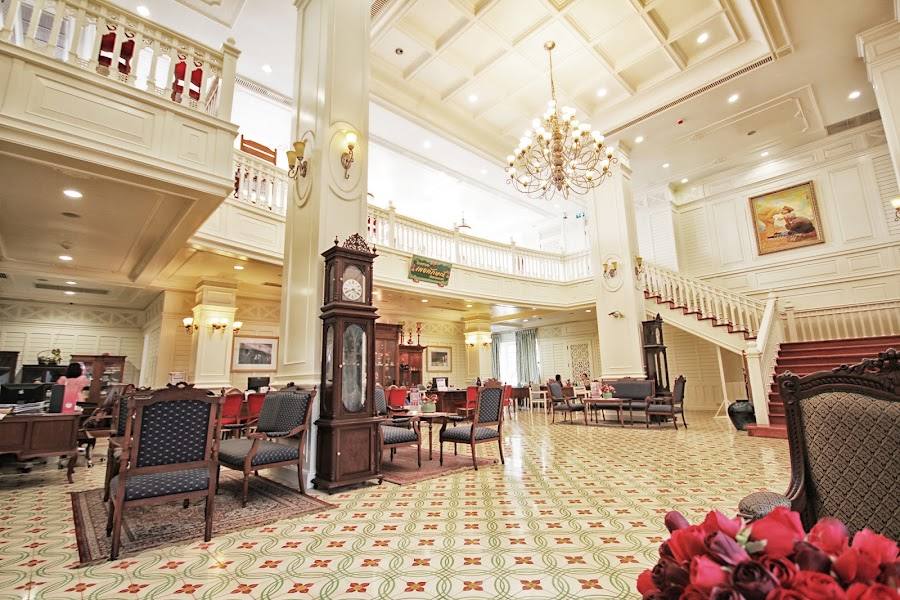 Lelux HospitalNonthaburi (Bangkok metropolitan area), Thailand
 Antalya Yaşam Hospital (Antalya Private Life Hospital)Antalya (Şirinyalı, Muratpaşa), Turkey
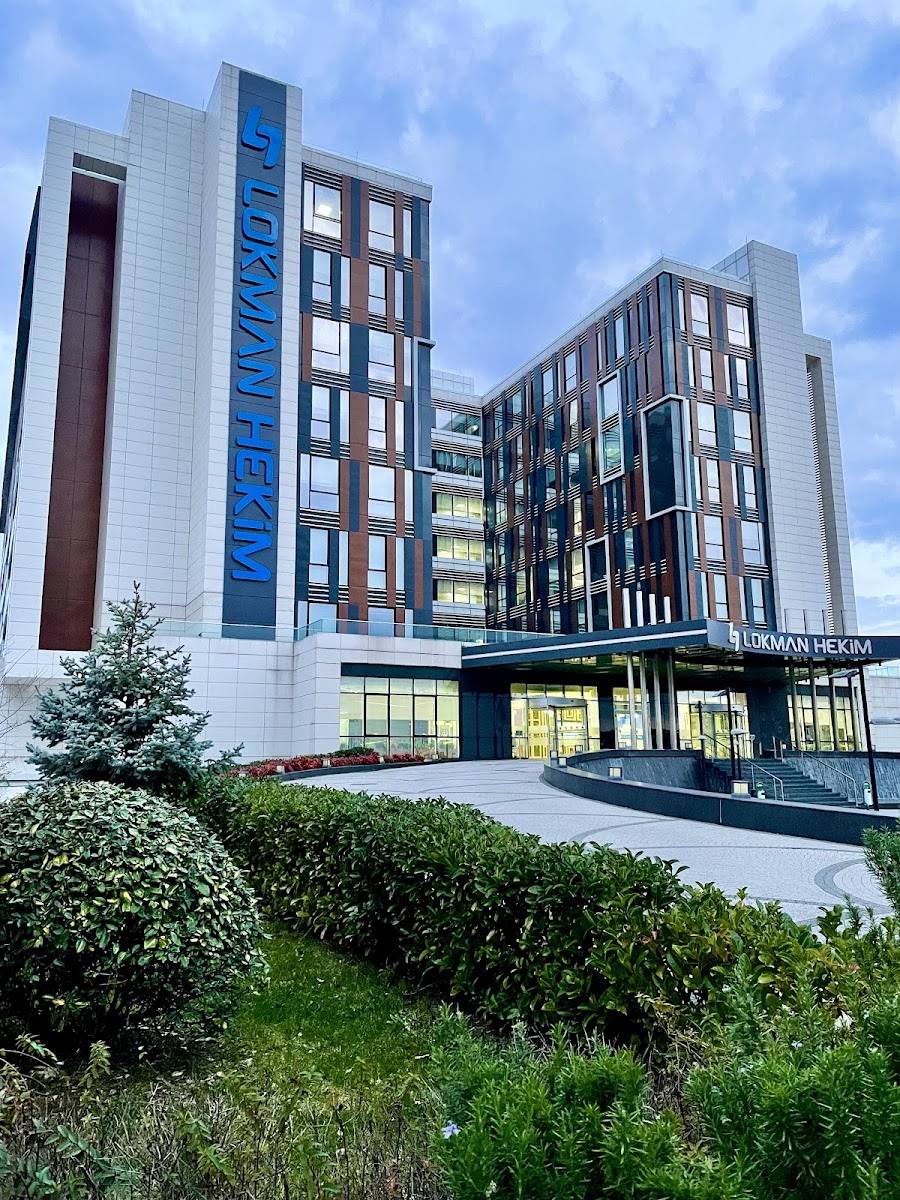 Lokman Hekim İstanbul HospitalIstanbul (Kurtköy, Pendik — Asian side), Turkey
 Avicenna Ataşehir Hospital (Avicenna International Hospital), IstanbulIstanbul (Küçükbakkalköy, Ataşehir — Asian side), Turkey
Written by Saher Shodhan
Saher Shodhan is the founder of Thera Travel, which publishes what the official records show about clinics abroad, each fact with the date it was checked, and answers patients' enquiries, free. More about Thera → How we write and check our guides →
Related posts
Facelift Abroad: 2026 Cost Guide

Best Country for Plastic Surgery (2026 Comparison)