
Is Plastic Surgery Abroad Safe? (2026 Honest Guide)
Home › Guides › Is Plastic Surgery Abroad Safe? (2026 Honest Guide)
Plastic surgery abroad can be safe at a properly accredited, surgeon-led clinic, but it is real surgery with real risk: infection, DVT from flying too soon, and no NHS safety net for corrections. This 2026 guide covers the risks, BAAPS warnings, red flags, and how to vet the surgeon.
The honest answer
Plastic surgery abroad is neither automatically safe nor automatically dangerous. It is real surgery, carried out under general anaesthetic in most cases, with the same complication risks it carries in the UK — plus the added risks of travelling home afterwards and having no local surgeon for aftercare.
Many UK patients have good outcomes abroad. Many also come home with problems. The difference is rarely the country. It is the surgeon's experience, the clinic's standards, and whether the patient planned a proper recovery. This guide is information, not medical advice — your surgeon must assess your case before any procedure.
Every other plastic-surgery guide on this site links here, because the safety questions matter more than the price. For the price picture, see our cosmetic surgery abroad cost guide.
Ask us about cosmetic surgery abroad, free
Tell us what you're looking into. We send your enquiry to relevant, pre-vetted clinics, and up to 3 that can help contact you directly.
Thera is free for patients. No clinic can pay to change the prices we publish.
The specific risks
Vague reassurance helps no one. Here are the risks that actually send UK patients to their GP or back to hospital.
- Infection and wound problems. Any surgery carries infection risk. Abroad, you may be flying home before wounds have settled, with no local surgeon to review them.
- DVT and pulmonary embolism from flying. Surgery raises clotting risk, and a long flight in a pressurised cabin raises it further. Flying before your fit-to-fly window is one of the most dangerous shortcuts you can take.
- Anaesthetic and bleeding complications. These need immediate, on-site specialist care — which is why the operating team and hospital matter as much as the surgeon.
- Poor results needing revision. Revision surgery is more complex and more expensive than the original, and the clinic abroad may not cover it.
- No NHS aftercare. The NHS does not fund correction of private cosmetic surgery done abroad. It will treat a genuine emergency, but repair is private and comes out of your pocket.
What BAAPS and the NHS say
The British Association of Aesthetic Plastic Surgeons (BAAPS) has repeatedly warned about cosmetic surgery abroad, and reports rising numbers of UK patients needing NHS corrective treatment after overseas procedures. BAAPS singles out the Brazilian Butt Lift, which has historically had the highest mortality rate of any cosmetic procedure because of the risk of fat embolism.
The NHS is equally direct: going abroad for treatment carries complication risk, the NHS may not fund follow-up, and it may only be able to offer emergency care rather than repair. The General Medical Council (GMC) sets the standards UK surgeons work to, and its guidance stresses proper consent, a cooling-off period and no pressure-selling — a useful benchmark for judging a clinic abroad, even one the GMC does not regulate.
Considering a particular clinic? See what the official records say about it, free →
Red flags and green flags
Use this as a quick filter. One red flag is a reason to slow down; several is a reason to walk away.
| Green flags (reassuring) | Red flags (walk away) |
|---|---|
| Named, qualified plastic surgeon you can verify | Won't name the operating surgeon |
| Hospital accreditation (e.g. JCI) or EU regulation | No accreditation or vague claims |
| Written surgical plan before payment | Verbal-only, pressure to pay a deposit fast |
| Clear revision terms in writing | Won't discuss what happens if it goes wrong |
| Realistic recovery and fit-to-fly window quoted | "Fly home in 2 days" for major body surgery |
| Answers direct questions plainly | Guarantees, deep-discount countdowns, hard sell |
Already have a clinic in mind? See what the official records say about it →
The pressure-sell red flags matter under UK advertising rules too: the Advertising Standards Authority (ASA) and CAP restrict how cosmetic procedures can be marketed and prohibit trivialising surgery. A clinic that treats a major operation like a spa deal is telling you something.
Vetting the surgeon
The single most protective thing you can do is verify the surgeon.
- Confirm they are a qualified, experienced plastic surgeon — not a general doctor — and ask how often they perform your specific procedure.
- Check for recognised specialist credentials and hospital accreditation.
- Insist on a written surgical plan, including implant make or technique, before you pay anything.
- Agree revision terms: what happens if you need corrective surgery, for how long, and who pays.
- Arrange UK follow-up in advance.
Our full guide on how to vet a cosmetic surgeon abroad covers each check in detail, and for the highest-risk procedure see whether BBL surgery abroad is safe.
The fit-to-fly window is not optional
Body procedures need a recovery stay of 7 to 10 days before you are fit to fly. This is the risk patients most often underestimate, because an early flight looks like a saving. It is not. Flying before your surgeon signs you off raises the risk of deep-vein thrombosis and pulmonary embolism, which can be fatal.
Budget for the full recovery stay and a written fit-to-fly sign-off. If a clinic tells you a tummy tuck patient can fly home in two days, treat that as a reason to look elsewhere. Destination matters here too: our Turkey plastic surgery cost guide and Lithuania cost guide set out flight times and typical recovery stays.
How to check a clinic before you book
Choosing well means comparing surgeons and clinics on the things that matter — qualifications, accreditation, procedure experience, revision terms — not just the headline price. In practice:
- Find the clinic on its country's official register, under the legal name on your quote.
- Get the surgeon's name in writing and check them on their professional register.
- Read the reviews, including the low-rated ones, and check the Google listing is the actual hospital.
- Get the quote itemised in writing, including what is not covered.
- Ask what happens if something goes wrong once you are home.
None of this replaces your surgeon's assessment, and no checklist removes the risks of surgery. Thera Travel never recommends a clinic. If you are weighing up a particular clinic, you can see what the official records say about it, free.
For help weighing destinations, see best country for plastic surgery. Whatever you choose, the deciding factor is never the price. It is the surgeon, the standards, and a proper recovery.
Frequently Asked Questions
Is it safe to get plastic surgery abroad?
It can be at a properly accredited, surgeon-led clinic, but it is real surgery with real risks including infection, DVT from flying too soon, and no NHS aftercare. BAAPS has warned about complications from surgery abroad. Safety depends on the surgeon's experience, the clinic's standards and a proper recovery window — not the country.
What are the main risks of cosmetic surgery abroad?
Infection, bleeding and anaesthetic complications, deep-vein thrombosis from flying home too soon, poor results needing revision, and no NHS funding for corrections. BAAPS reports rising numbers of UK patients needing corrective treatment after surgery abroad, so vetting and recovery planning are essential.
Will the NHS treat complications from surgery abroad?
The NHS will treat a genuine emergency but does not fund correction of private cosmetic surgery done abroad. Repairs are private and can be expensive. Agree revision terms with your clinic and arrange UK follow-up before you travel, because you cannot rely on the NHS to fix a poor result.
How do I know if a clinic abroad is safe?
Look for a named, verifiable plastic surgeon, hospital accreditation such as JCI or EU regulation, a written surgical plan before payment, and clear revision terms. Walk away from pressure-selling, deep-discount countdowns, or any clinic that won't name the operating surgeon or discuss what happens if something goes wrong.
Why is flying after surgery dangerous?
Surgery raises blood-clotting risk, and long flights raise it further, so flying too soon after body surgery increases the risk of deep-vein thrombosis and pulmonary embolism. Body procedures need a 7–10 day recovery stay and a written fit-to-fly sign-off from your surgeon before you travel home.
Is a BBL safe abroad?
The Brazilian Butt Lift has historically had the highest mortality rate of any cosmetic procedure because of fat-embolism risk, and BAAPS stresses surgeon experience and ultrasound-guided technique. It demands the most careful surgeon choice of any procedure — read our dedicated guide on whether BBL surgery abroad is safe before deciding.
Clinics UK patients look at
The four with the most Google reviews among the cosmetic surgery clinics we hold. Each has a free page with its records.
 Lelux HospitalNonthaburi (Bangkok metropolitan area), Thailand
 Antalya Yaşam Hospital (Antalya Private Life Hospital)Antalya (Şirinyalı, Muratpaşa), Turkey
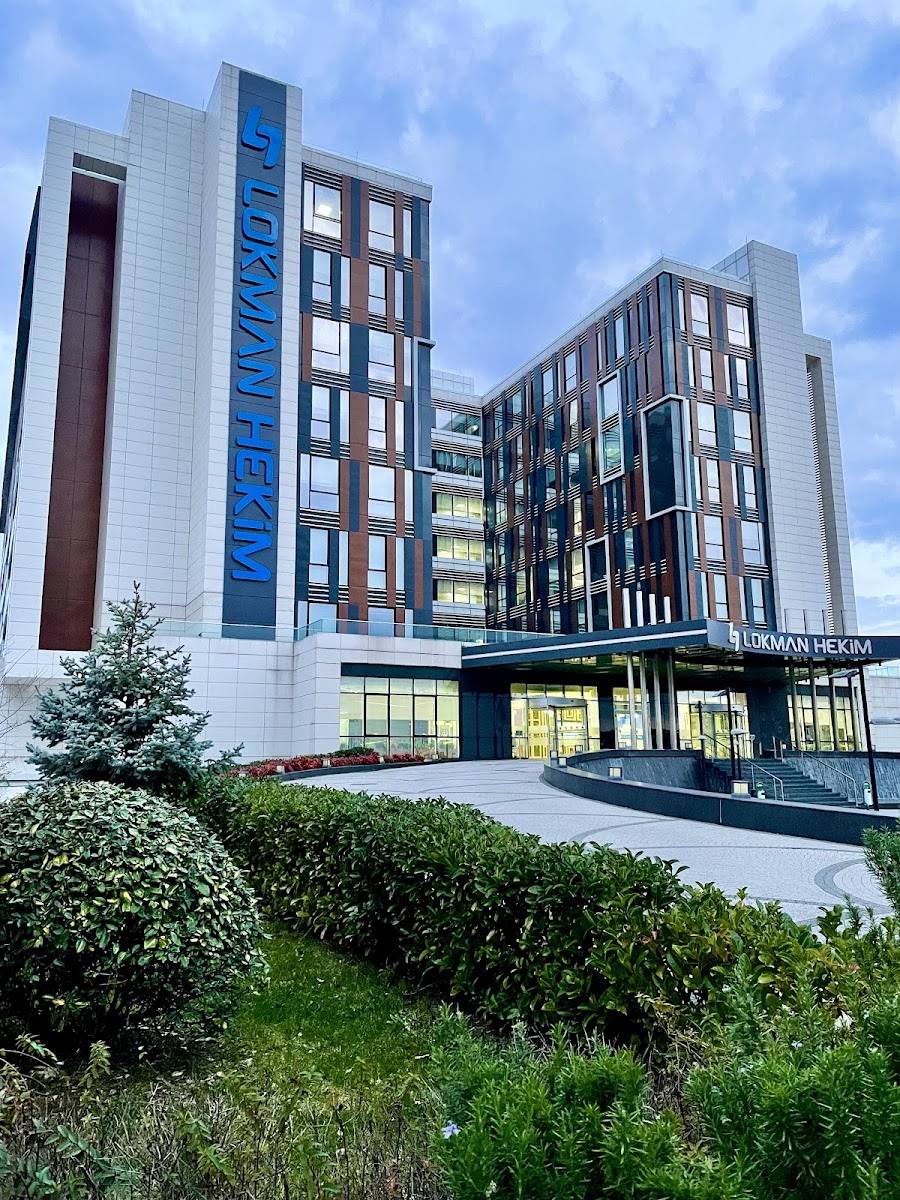 Lokman Hekim İstanbul HospitalIstanbul (Kurtköy, Pendik — Asian side), Turkey
 Avicenna Ataşehir Hospital (Avicenna International Hospital), IstanbulIstanbul (Küçükbakkalköy, Ataşehir — Asian side), Turkey
Written by Saher Shodhan
Saher Shodhan is the founder of Thera Travel, which publishes what the official records show about clinics abroad, each fact with the date it was checked, and answers patients' enquiries, free. More about Thera → How we write and check our guides →
Related posts
Facelift Abroad: 2026 Cost Guide

Best Country for Plastic Surgery (2026 Comparison)