

A BBL has the highest mortality rate of any cosmetic procedure, so whether one abroad is safe depends almost entirely on the surgeon's technique. This guide explains the fat-embolism risk, what safe technique looks like, the BAAPS position and how to vet a surgeon before you book.
Why a BBL carries the highest risk
A Brazilian butt lift transfers your own fat, harvested by liposuction, into the buttocks. The danger is not the fat itself. It is where the fat goes. If it is injected into or beneath the large gluteal muscle, it can be forced into one of the big veins that run through that muscle. From there it travels to the heart and lungs, blocks blood flow and causes a fat embolism, which can be fatal, sometimes within minutes.
The Brazilian butt lift has historically had the highest mortality rate of any cosmetic procedure for exactly this reason. That is not a scare statistic; it is why professional bodies changed their guidance and why technique is now the whole conversation.
This page is information, not medical advice. A qualified surgeon must assess your case. But you should understand the risk before any consultation, so you can judge whether the surgeon in front of you takes it as seriously as you do.
Ask us about cosmetic surgery abroad, free
Tell us what you're looking into. We send your enquiry to relevant, pre-vetted clinics, and up to 3 that can help contact you directly.
Thera is free for patients. No clinic can pay to change the prices we publish.
What safe BBL technique looks like
The consensus that emerged from the deaths of the past decade is specific:
- Subcutaneous only. Fat is placed in the layer of tissue just under the skin, above the muscle. It is never injected into the muscle.
- Ultrasound guidance. Many surgeons now use real-time ultrasound to see exactly where the cannula tip is and keep it out of the deep, dangerous plane.
- The right cannula and angle. Blunt, larger-bore cannulas and a shallow angle reduce the chance of entering a vein.
- Sensible volumes. Overfilling to chase a dramatic result raises pressure and risk. A safe surgeon shapes conservatively.
A surgeon who can explain, unprompted, that they graft only above the muscle and use ultrasound is telling you they follow the safer standard. One who cannot, or who dismisses the question, is a red flag on its own.
Already have a clinic in mind? See what the official records say about it →
The BAAPS position
The British Association of Aesthetic Plastic Surgeons (BAAPS) has warned UK patients about BBLs more forcefully than about any other procedure. For a period it advised its members against performing the operation at all while safer technique was established, and it has continued to caution patients travelling abroad for BBLs specifically.
BAAPS also reports rising numbers of UK patients returning from cosmetic surgery abroad needing NHS corrective treatment. The General Medical Council (GMC) sets the standards UK doctors work to, including working within their competence and consenting patients properly, but a surgeon operating abroad sits outside GMC oversight. That gap is the reason the due diligence lands on you.
The risks beyond the operating table
Even with good surgical technique, a BBL abroad carries the general risks of surgery plus the logistics of travel:
- DVT and fit-to-fly. Flying too soon after body surgery raises the risk of deep-vein thrombosis, a leg clot that can travel to the lungs. You need a recovery window of around 7 to 10 days and a fit-to-fly sign-off before the flight home.
- Infection and fat necrosis. Any liposuction and grafting can become infected or leave areas of hardened, dead fat.
- No easy follow-up. If a problem appears after you land, your surgeon is in another country. The NHS notes it may only offer emergency care, not a repair, and it does not fund correction of private cosmetic surgery done abroad.
Red flags when choosing a clinic
Some warning signs should end the conversation:
- Price quoted over social media or WhatsApp with no proper consultation or medical history taken.
- Pressure selling, "today only" discounts, or being rushed to pay a deposit. UK advertising rules (ASA/CAP) restrict trivialising surgery precisely because this happens.
- No named surgeon, or a surgeon who is a general doctor rather than a qualified plastic surgeon.
- Vague or evasive answers about grafting technique, ultrasound use, or complication rates.
- No written surgical plan, no aftercare plan, and no clarity on who pays for a revision.
How to vet a BBL surgeon
The vetting that actually protects you:
- Confirm the surgeon is a qualified, experienced plastic surgeon and ask specifically how many BBLs they perform each year.
- Ask directly whether they graft subcutaneously only and use ultrasound guidance. The answer should be immediate and confident.
- Ask about their complication and revision rates and how an emergency would be handled on the day.
- Check clinic accreditation such as JCI, or EU-equivalent regulation.
- Get the surgical plan, aftercare plan and revision terms in writing before you pay anything.
- Arrange private UK follow-up before you travel.
Comparing several clinics side by side, each checked on its official register and with its surgeon named in writing, rather than committing to the first quote, is the single most useful thing you can do. As a reference, here is what a BBL typically costs in 2026 — but read it as context for vetting, not a reason to choose on price.
| Where | BBL cost | UK private | Typical saving |
|---|---|---|---|
| Turkey | £3,400–£6,400 | £6,500–£8,500 | 25–55% |
| Poland / Lithuania (EU) | £5,100–£8,500 | £6,500–£8,500 | up to ~35% |
| UK private | £6,500–£8,500 | — | — |
For prices and destinations in full, read the BBL abroad cost guide and the BBL in Turkey cost guide. For the wider context, see the plastic surgery abroad safety guide, the main cosmetic surgery abroad cost guide and, if you are reconsidering the procedure itself, our non-surgical BBL comparison. Turkey-specific logistics are in the medical tourism in Turkey guide.
Considering a particular clinic? See what the official records say about it, free →
Should you have a BBL abroad at all?
For some people, after honest reflection, the answer is no, and that is a legitimate outcome. A BBL is elective surgery with the highest mortality of any cosmetic procedure. If a clinic will not answer the technique questions plainly, or the saving is small and the risk feels large, walking away is a reasonable decision, not a failure.
For those who proceed, the deciding factor is never the headline price. It is whether the surgeon does this operation often, uses ultrasound-guided subcutaneous technique, and gives you time and information rather than pressure. Get that right and you have removed the largest part of the risk you can control.
Frequently Asked Questions
Why is a BBL the most dangerous cosmetic surgery?
Because fat injected into or beneath the gluteal muscle can enter a large vein and cause a fatal fat embolism in the heart or lungs. This gives the BBL the highest mortality rate of any cosmetic procedure. Safe technique means grafting only above the muscle, often with ultrasound guidance.
Can a BBL abroad be done safely?
Yes, at a properly accredited, surgeon-led clinic using subcutaneous-only, ultrasound-guided technique. The risk is real but largely controllable through surgeon choice. BAAPS has warned about BBLs abroad, so vetting the surgeon's specific BBL experience and technique matters more than for any other procedure.
What is ultrasound-guided BBL?
It means the surgeon uses real-time ultrasound to see where the fat-injection cannula is at all times, keeping it in the safe layer above the muscle and out of the deep plane where veins run. It is now a key marker of a surgeon following safer, modern BBL practice.
How long should I wait to fly after a BBL?
Around 7 to 10 days, with a fit-to-fly sign-off from your surgeon, because flying too soon raises deep-vein-thrombosis risk. You also cannot sit directly on your buttocks for two to three weeks. Build this recovery window into your plan rather than booking an early return flight.
Will the NHS treat BBL complications?
The NHS will treat a genuine emergency such as a suspected clot or serious infection, but it does not fund correction or revision of private cosmetic surgery done abroad. BAAPS reports rising numbers needing corrective care after overseas surgery, so arrange UK follow-up and revision terms before you travel.
What questions should I ask a BBL surgeon?
Ask how many BBLs they perform yearly, whether they graft subcutaneously only, and whether they use ultrasound guidance. Ask their complication and revision rates, clinic accreditation, and who pays for a revision. Confident, specific answers and a written plan are what you are looking for.
Clinics UK patients look at
The four with the most Google reviews among the cosmetic surgery clinics we hold. Each has a free page with its records.
 Lelux HospitalNonthaburi (Bangkok metropolitan area), Thailand
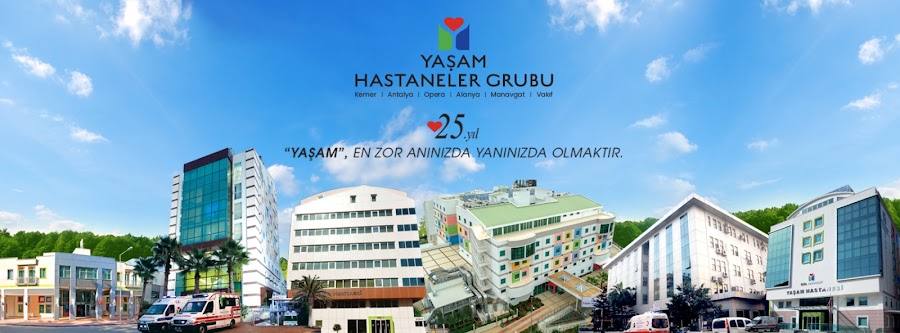 Antalya Yaşam Hospital (Antalya Private Life Hospital)Antalya (Şirinyalı, Muratpaşa), Turkey
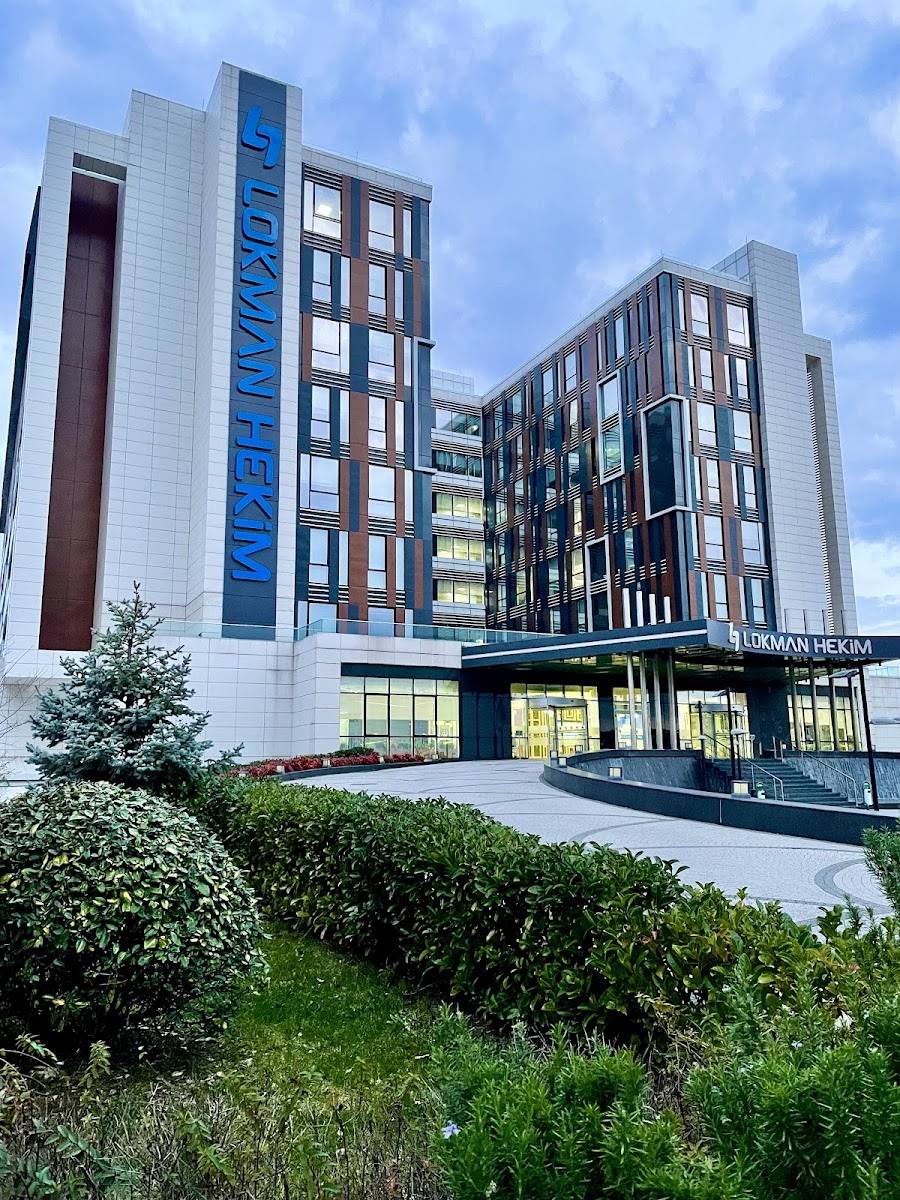 Lokman Hekim İstanbul HospitalIstanbul (Kurtköy, Pendik — Asian side), Turkey
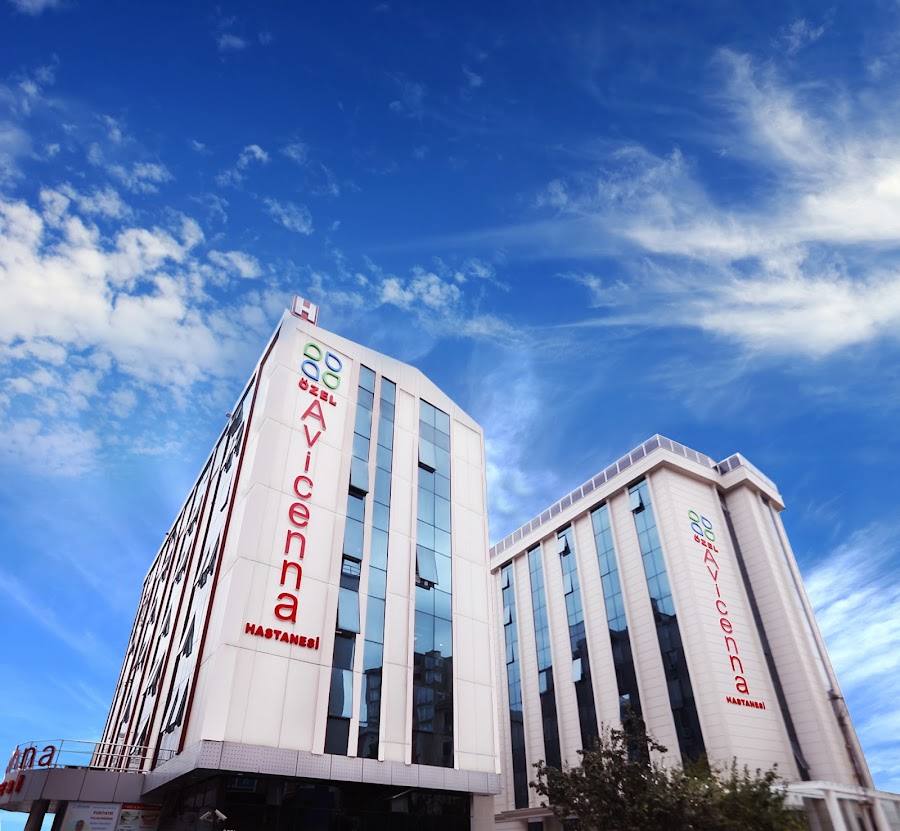 Avicenna Ataşehir Hospital (Avicenna International Hospital), IstanbulIstanbul (Küçükbakkalköy, Ataşehir — Asian side), Turkey
Written by Saher Shodhan
Saher Shodhan is the founder of Thera Travel, which publishes what the official records show about clinics abroad, each fact with the date it was checked, and answers patients' enquiries, free. More about Thera → How we write and check our guides →
Related posts
Facelift Abroad: 2026 Cost Guide

Best Country for Plastic Surgery (2026 Comparison)