

The role of international patient services for UK patients
Home › Guides › The role of international patient services for UK patients

Medical-travel marketplaces and facilitators find, verify, and package overseas treatment for UK self-pay patients — they are worth considering when NHS waiting times, cost, or access to specific techniques are your primary drivers. If that describes your situation, the immediate next steps are: discuss your plans with your GP, then check any clinic you are considering against its official register and ask it for a written treatment plan. Our guide to what medical tourism involves covers the basics.
The NHS Constitution entitles patients to begin consultant-led treatment within 18 weeks of referral, yet many patients wait considerably longer for elective procedures. According to a 2026 news report, a large and growing number of UK residents went abroad for surgery, with NHS backlog figures reported to be very high. Those numbers reflect a genuine gap between what the health system can deliver and what patients need.
Before you book anything, three things matter above all else:
- Speak to your GP and confirm you are fit for the procedure and for travel.
- Check the clinic against its country’s official register and read its patient reviews, including the low-rated ones.
- Secure specialist insurance that covers planned treatment, complications, and medical evacuation — standard travel insurance almost never does.
Table of Contents
- What do medical-travel marketplaces and facilitators actually do?
- When does travelling for treatment make sense for UK patients?
- What are the real risks, especially for continuity of care?
- How do you choose a trustworthy facilitator or marketplace?
- What steps should you take before travel and after you return?
- Key takeaways
- Why verification matters more than price
- How to check a clinic before you book
- Useful sources
Ask us about treatment abroad, free
Tell us what you're looking into. We send your enquiry to relevant, pre-vetted clinics, and up to 3 that can help contact you directly.
Thera is free for patients. No clinic can pay to change the prices we publish.
What do medical-travel marketplaces and facilitators actually do?
The role of international patient services sits between you and the overseas clinic. A facilitator or marketplace handles the parts of the process that would otherwise require weeks of independent research, foreign-language phone calls, and guesswork about clinical standards.
| Service area | What a good facilitator provides |
|---|---|
| Clinic search and shortlisting | Filters by procedure, accreditation status, and outcome volumes |
| Clinical verification | Checks clinician registration against official registers and confirms hospital accreditation |
| Booking and logistics | Arranges appointments, flights, transfers, accommodation, and interpreters |
| Documentation | Obtains English-language treatment plans, consent forms, and discharge summaries |
| Financial facilitation | Provides transparent pricing, all-inclusive package quotes, and financing options |
| Aftercare coordination | Connects post-treatment follow-up with your UK GP and arranges remote check-ins |
Already have a clinic in mind? See what the official records say about it →
Ask any marketplace or facilitator how it is paid. Some are paid by the clinics they list, for example through a commission when a patient books, and that is worth knowing before you rely on their shortlist. Research on cross-border healthcare intermediaries confirms that transparency around commissions is one of the clearest trust signals a platform can offer. Whoever you use, compare clinics on register entries, real reviews and itemised prices, not marketing copy.
When does travelling for treatment make sense for UK patients?
The primary benefits of international patient care are speed, lower headline cost, and access to high-volume specialist centres for procedures not widely available in the UK.
On speed: the NHS publishes monthly referral-to-treatment data showing admitted and incomplete pathway waits by provider. For many elective orthopaedic, dental, and cosmetic procedures, overseas lead times run in days or weeks rather than months. That gap is the core driver of medical tourism demand.

On cost: treatment abroad often costs considerably less than the same procedure privately in the UK, and an all-inclusive package typically covers the procedure, hospital stay, transfers, medication, and 30–90 days of follow-up. The cosmetic surgery cost guide breaks down what is and is not included across common procedures.
| Scenario | Medical travel likely appropriate | Medical travel not appropriate |
|---|---|---|
| Procedure type | Elective, lower-complexity (dental implants, hair transplants, orthopaedic) | Complex multi-stage surgery or intensive rehabilitation |
| Patient health | Otherwise fit, stable comorbidities | Significant comorbidities or recent acute illness |
| Aftercare | Clear written plan, GP briefed | Requires frequent specialist follow-up unavailable remotely |
| Urgency | Non-urgent, planned | Urgent or semi-urgent clinical need |
Treatment abroad can be safe and effective in the right circumstances, but it is never without risk. Good outcomes depend on careful research, a clear aftercare plan, proper medical advice, and specialist insurance.
What are the real risks, especially for continuity of care?
The most underestimated risk is not the surgery itself. It is what happens when you land back in the UK.
NaTHNaC’s TravelHealthPro guidance is direct on this point:
If something goes wrong after you return, your GP may have no surgical records to work from. NHS clinicians are generally willing to treat emergencies, but routine post-operative follow-up for a privately arranged overseas procedure sits in a grey area. That can mean paying privately for wound checks, physiotherapy, or imaging you had not budgeted for.
Other risks worth naming: clinical regulation varies significantly between countries; infection control standards are not uniform; and if complications arise abroad, an extended stay adds cost and stress. Flying too soon after surgery, particularly after procedures involving general anaesthesia or significant tissue work, carries its own clinical risks.
Pro Tip: Before you travel, ask the overseas clinic to confirm in writing that they will send a full discharge summary in English directly to your UK GP. Get the GP’s email address to the clinic before you fly, not after.
Standard travel insurance almost always excludes planned medical treatment. You need a specialist policy that explicitly covers the procedure, complications, extended stay, and medical evacuation. Confirm coverage in writing before you pay any deposit.
How do you choose a trustworthy facilitator or marketplace?
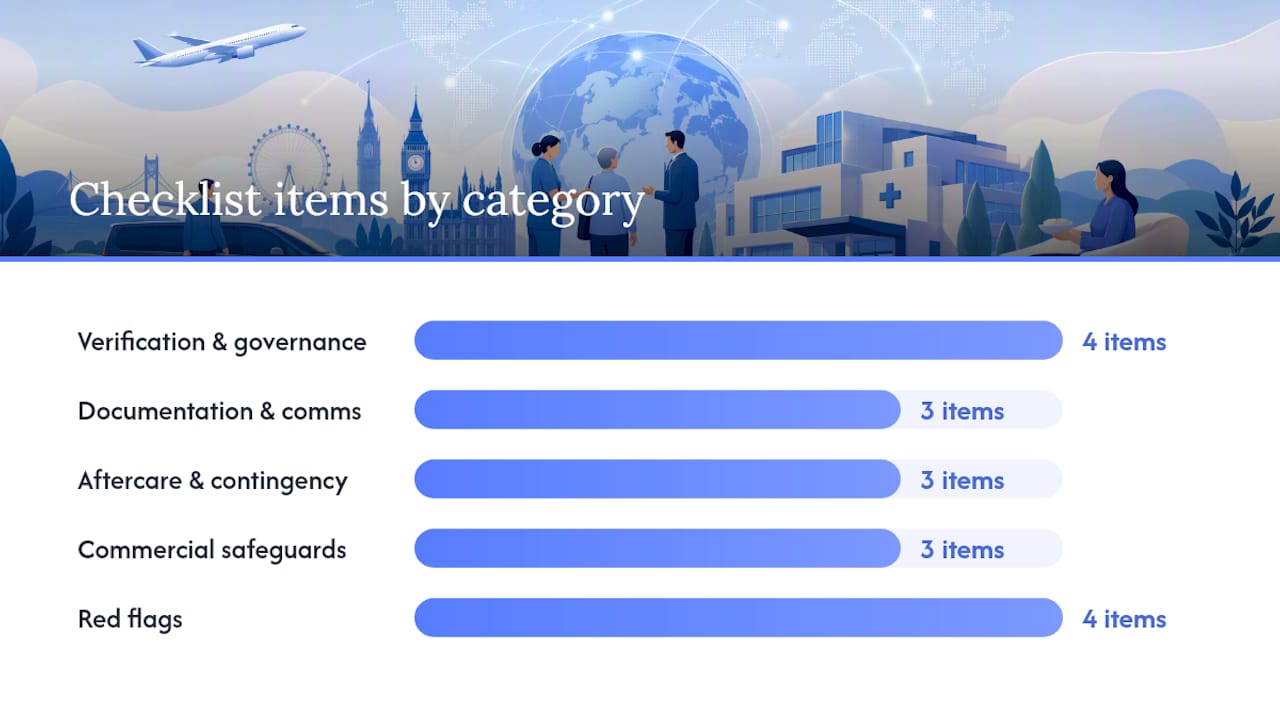
The checklist below covers the questions that separate a credible platform from one that is simply well-designed.
Verification and clinical governance:
- Can the platform show clinician registration against the relevant national medical register?
- Is the hospital or clinic independently accredited (JCI, ISO, or equivalent national body)?
- What are the surgeon’s annual procedure volumes for your specific operation?
- Does the clinic have ICU access and a clear emergency protocol?
Documentation and communication
- Will you receive a written treatment plan before you travel?
- Will the discharge summary be in English and sent directly to your GP?
- Is there a direct line to the treating clinician before and after surgery?
Aftercare and contingency
- What follow-up is included in the package price, and for how long?
- Who covers costs if complications require an extended stay?
- Does the package include repatriation support if needed?
Commercial safeguards
- Pricing should be itemised, not bundled into a vague “all-in” figure.
- Refund and cancellation terms should be in writing before you pay.
- Payment schedules should not require full payment upfront without a signed contract.
Red flags: vague or evasive answers on accreditation, pressure to pay large deposits immediately, no mention of specialist insurance, and no written treatment plan. A guide on how to vet a cosmetic surgeon abroad covers the surgeon-specific checks in more detail.
What steps should you take before travel and after you return?
A practical timeline reduces most of the avoidable risks.
| Stage | Timing | Key actions |
|---|---|---|
| Initial enquiry | 8 weeks before travel | GP consultation, collect medical records, confirm fitness to travel |
| Booking and planning | 6–8 weeks out | Specialist travel health review, vaccines if required, specialist insurance arranged |
| Financial preparation | 6 weeks out | Confirm package inclusions, financing if needed, refund/cancellation terms signed |
| Pre-departure | 1–2 weeks out | Share GP contact with clinic, confirm English discharge summary will be provided |
| Arrival and procedure | Day of admission | Obtain written consent forms, treatment plan, and confirm post-op communication plan |
| Recovery abroad | Days 1–10 post-op | Follow discharge instructions, allow sufficient recovery before flying |
| Return to UK | Within 1 week of return | GP appointment with full discharge pack; plan for complications financially and clinically |
| Follow-up | 30–90 days post-op | Remote check-ins with overseas clinic, UK GP monitoring, physiotherapy if required |
The patient guide to accessing surgery abroad walks through each stage in more detail, including what to bring to your GP appointment and how to frame the conversation.
Key takeaways
Medical-travel marketplaces reduce risk and cost for UK patients by verifying clinics, packaging logistics, and coordinating aftercare — but only when patients also brief their GP, secure specialist insurance, and insist on English documentation.
| Point | Details |
|---|---|
| Verify before you book | Confirm clinician registration, hospital accreditation, and annual procedure volumes before paying any deposit. |
| GP consultation is non-negotiable | Discuss your plans with your GP, confirm fitness to travel, and share the clinic’s contact details before departure. |
| Specialist insurance only | Standard travel insurance excludes planned treatment; get written confirmation of cover for complications and evacuation. |
| Insist on English documentation | A written treatment plan and English discharge summary sent to your GP are the minimum for safe continuity of care. |
| Ask how the intermediary is paid | A facilitator paid by clinics has a reason to steer you. Check the clinic’s register entry and reviews yourself. |
Why verification matters more than price
The conversation around medical tourism tends to start with cost and end there. That is the wrong frame. Price is easy to compare; clinical governance is not. What I find consistently overlooked is the documentation gap: patients return to the UK with a procedure completed and no paperwork their GP can act on. That single failure causes more post-treatment problems than any other factor, and it is entirely preventable.
The Apr26 RTT data confirms that NHS waiting pressures are not easing. For patients facing long waits for elective procedures, overseas treatment is a legitimate clinical option — but it requires the same rigour you would apply to choosing a UK private hospital. Checking the registers, reading the real reviews and getting a written treatment plan is not a luxury. It is the baseline.
How to check a clinic before you book
Whether you go through a facilitator or contact a clinic directly, these checks are yours to make:
- Find the clinic’s entry on its country’s official register of healthcare providers, under the legal name shown on the quote.
- Get the surgeon’s full name in writing and look them up on their professional register.
- Read the Google reviews, including the low-rated ones, and check that the listing belongs to the actual hospital, not an agency.
- Get the quote itemised in writing, showing what is included and what is not.
- Ask what happens if something goes wrong once you are home, and who pays.
Whether you are considering endoscopic spine surgery abroad or a dental or cosmetic procedure, the same checks apply. Use the NHS waiting list calculator to see how your current wait compares, and our 15 questions to ask a clinic before you commit.
Thera Travel never recommends a clinic. You can look up any of the 505 clinics we hold for a free summary of the records.
Useful sources
| Source | What it covers | Why it matters |
|---|---|---|
| NaTHNaC TravelHealthPro — Medical Tourism | Continuity-of-care risks, insurance exclusions, pre-travel advice | UK government-backed travel health body; primary safety reference for patients |
| NHS England — RTT Statistical Press Notice (March 2026) | 18-week RTT standard and monthly waiting-time data | Official NHS source for understanding your constitutional right to treatment |
| NHS England — RTT Statistical Press Notice (April 2026) | Monthly RTT reporting definitions and data | Use to check current waiting times by provider and pathway |
| Gov.uk — RTT Waiting Times Statistics, April 2026 | Historical RTT series back to 2015, admitted and incomplete pathways | Primary government publication for verifying official waiting-time figures |
| All Health and Care UK — Is Treatment Abroad Safe? | Safety considerations, benefits, and practical precautions | Balanced clinical overview for patients weighing the decision |
| Globalization and Health — Commercial Intermediaries in Cross-Border Healthcare | Facilitator business models, commission transparency | Peer-reviewed analysis of how marketplace models work and what to look for |
This article provides general information only and is not a substitute for professional medical or legal advice. Confirm your fitness to travel and the suitability of any procedure with your GP or a qualified clinician before booking.
Recommended
- Why Doctors Refer Patients Abroad: A 2026 Guide
- Best Country for Orthopaedic Surgery Abroad: UK Patient’s Guide (2026) | Thera Travel
- How Patients Access Surgery Abroad: 2026 Guide
- Browse clinics by country

Written by Saher Shodhan
Saher Shodhan is the founder of Thera Travel, which publishes what the official records show about clinics abroad, each fact with the date it was checked, and answers patients' enquiries, free. More about Thera → How we write and check our guides →
Related posts

Cross Border Directive: how to get the HSE to refund treatment abroad
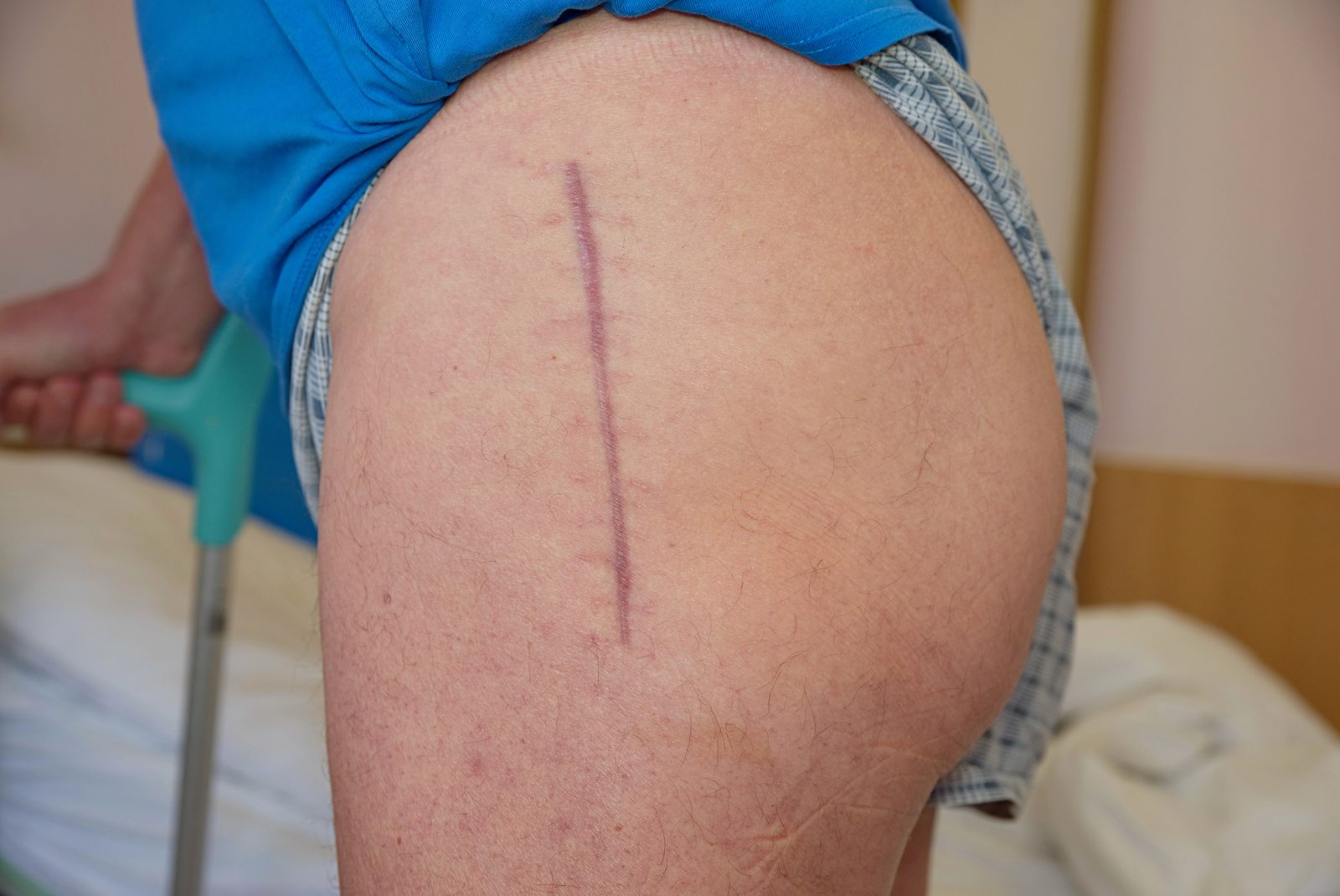
Hip and knee replacement abroad from Ireland: costs, waits and HSE refunds