
Professional vs Home Teeth Whitening
Cost (2026)
Home › Guides › Professional vs Home Teeth Whitening: Cost (2026)
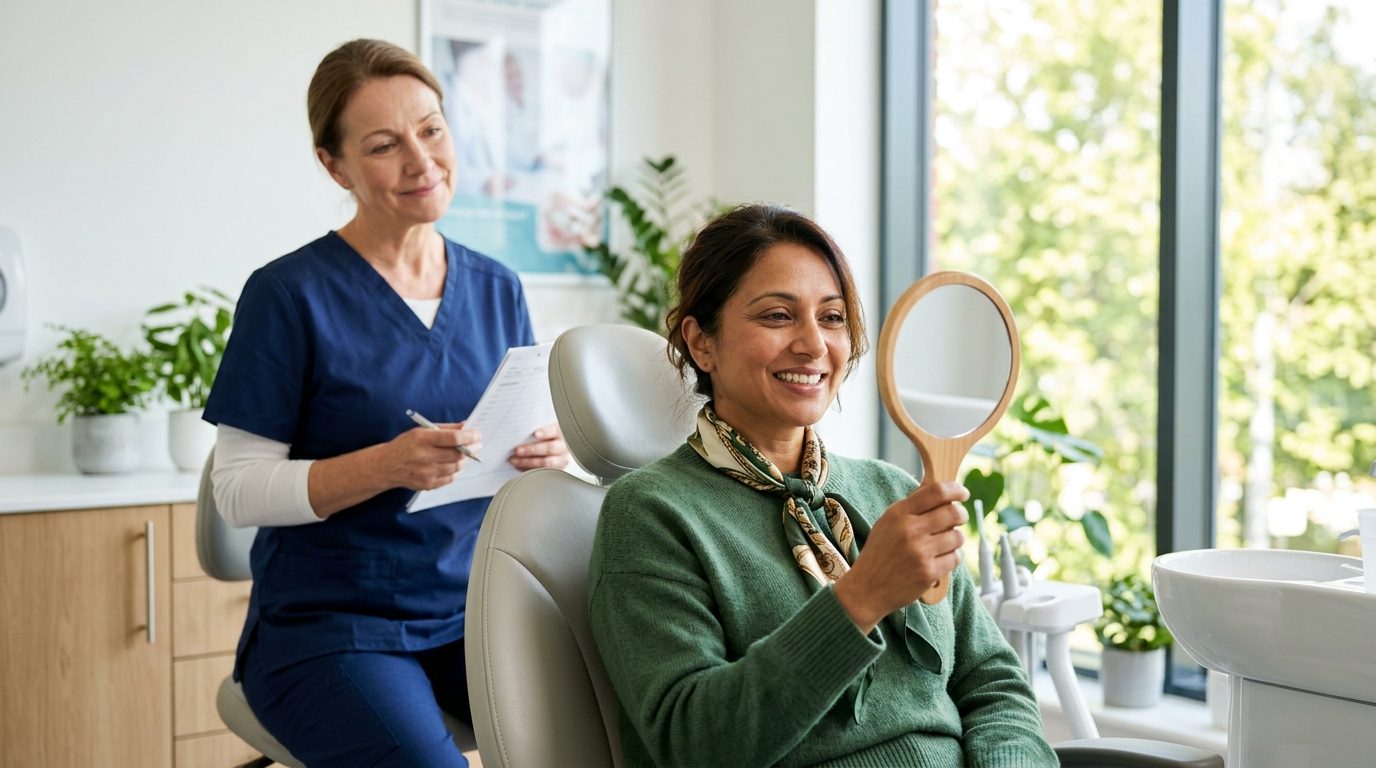
Professional teeth whitening costs £300–£700 in the UK, dentist take-home kits £250–£400, and high-street strips £10–£40. This guide compares in-chair, dentist take-home and shop-bought whitening on cost, results and safety, and what UK law lets each contain.
The three ways to whiten teeth
They differ far more than the marketing suggests, mainly in the strength of gel each is legally allowed to use.
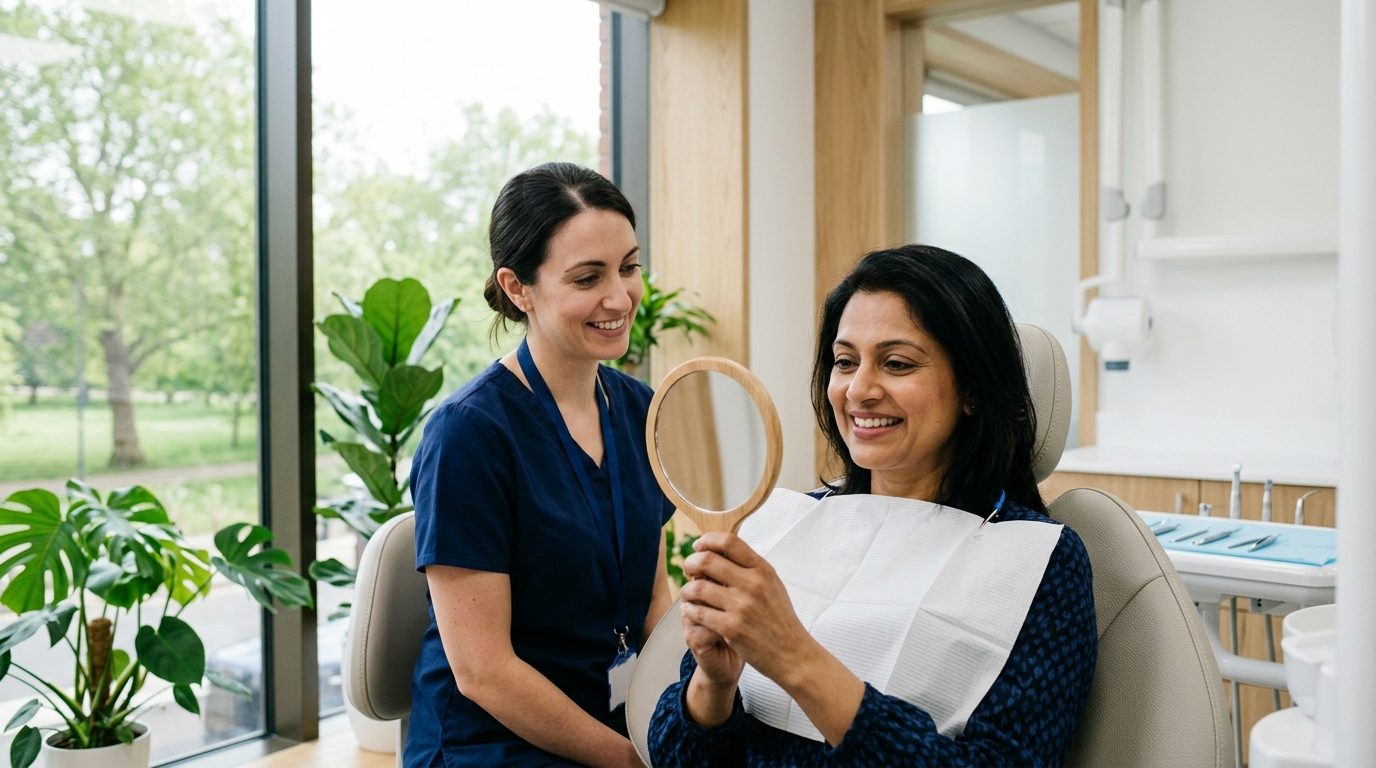
- In-chair (in-surgery) whitening — a dentist applies a strong gel in one appointment, sometimes with a light. Fastest, brightest, most expensive.
- Dentist take-home kits — custom trays and professional-strength gel you use at home over one to two weeks. Slower, but often the best value and longest-lasting.
- Shop-bought strips, pens and kits — over-the-counter products with very weak gel, or none at all. Cheap, but limited by law in what they can contain.
The gap between the first two and the third is not marketing. It is regulation, and it explains why the cheap options do so little.
Ask us about dental treatment abroad, free
Tell us what you're looking into. We send your enquiry to relevant, pre-vetted clinics, and up to 3 that can help contact you directly.
Thera is free for patients. No clinic can pay to change the prices we publish.
Cost and results compared
Here is how the three stack up at typical 2026 UK prices, with whitening abroad added for context.
| Option | Typical UK cost | Result | Lasts |
|---|---|---|---|
| In-chair professional | £300–£700 | Several shades, one visit | 1–3 years |
| Dentist take-home kit | £250–£400 | Several shades, 1–2 weeks | 1–3 years |
| Shop strips / pens | £10–£40 | Slight, gradual | Weeks–months |
| Professional whitening abroad | £100–£280 | Several shades | 1–3 years |
Already have a clinic in mind? See what the official records say about it →
Whitening abroad, mainly in Turkey and eastern Europe, uses professional-strength gel at lower prices — our teeth whitening abroad cost guide covers where and how. The absolute saving is small, though, so it rarely justifies a trip unless bundled with larger work.
Considering a particular clinic? See what the official records say about it, free →
What UK law actually allows
This is the part that decides how well each option works.
In the UK and EU, tooth-whitening products can only be sold to the public if they contain no more than 0.1% hydrogen peroxide. That is a fraction of what actually shifts tooth colour, which is why shop-bought strips and pens produce, at best, a slight change. Anything stronger has to be supplied through a dental professional.
A registered dentist may use, or prescribe for home use, products up to 6% hydrogen peroxide (or a carbamide-peroxide gel that releases no more than that). The first application has to be done or supervised by the dentist. Crucially, it is illegal for anyone who is not a registered dental professional to whiten teeth in the UK at all — the General Dental Council has prosecuted beauticians and salons for offering it. So a high-street "whitening bar" is either using legal but very weak gel, or breaking the law.
Why in-chair costs more than take-home
Both use professional-strength gel, so why the price gap? In-chair whitening is chair time: a full appointment with the dentist, sometimes a specialist light, and an immediate result you walk out with. Take-home kits front-load the dentist's involvement into taking impressions and making custom trays, then you do the daily application yourself over a couple of weeks.
For most people, dentist take-home kits are the sweet spot on value. You get professional-strength gel and a lasting result for less than in-chair, and you keep the trays for cheap top-ups later. In-chair wins when you want the result now, before a wedding or event, or when you struggle with trays. Many clinics, at home and abroad, combine the two: a single in-chair session followed by take-home trays to extend the result.
Safety and side effects
The most common side effect of any professional whitening is temporary tooth sensitivity, which usually settles within a few days. Gum irritation can happen if gel contacts the gums, which is why trays are custom-fitted and why in-chair treatment involves a barrier over the gums.
Two risks are worth flagging. First, the higher-concentration gels used by some clinics abroad raise the chance of sensitivity and, occasionally, chemical burns to the gums — covered in our guide to whether teeth whitening abroad is safe. Second, whitening should only be done on healthy teeth and gums; underlying decay or gum disease should be treated first, which is why an assessment beats a self-diagnosis from a shop shelf. The NHS notes that whitening is not available on the NHS for cosmetic reasons, so all of this is private.
What none of them can do
All three whiten natural enamel only. None will change the colour of crowns, veneers or fillings, so if your visible teeth are already restored, whitening will not match them. None will lighten a single dark tooth caused by an old root canal — that needs a different technique. And none produces the uniform bright-white of crowns you see in viral makeovers, which are restorations, not whitening, as our Turkey teeth guide explains.
If you want colour change on healthy teeth, whitening is the right, least invasive tool. If you also want to change shape or cover damage, that is a veneers question — see our veneers abroad cost guide. Compare the treatment to your actual goal, not to the cheapest thing on the shelf. Get a plan for your case before you commit.
Frequently Asked Questions
Is professional whitening worth the extra cost over shop kits?
Usually, yes. UK law limits shop-bought products to 0.1% hydrogen peroxide, far too weak for a real colour change, so strips and pens produce only a slight effect. Professional whitening at 6% shifts several shades and lasts one to three years. The results are not comparable, which is what you are paying for.
What is the difference between in-chair and take-home whitening?
In-chair is done by the dentist in one appointment with strong gel, giving an immediate result for £300–£700. Take-home kits use custom trays and professional gel over one to two weeks for £250–£400. Both use professional-strength gel; take-home is usually better value, in-chair is faster.
Why are high-street whitening kits so weak?
Because UK and EU law caps products sold to the public at 0.1% hydrogen peroxide. Only registered dental professionals can supply or use anything stronger, up to 6%. It is also illegal for non-dentists to whiten teeth in the UK, which is why salon whitening either uses legal weak gel or breaks the law.
Does whitening damage your teeth?
Professional whitening on healthy teeth is not known to damage enamel. The usual side effect is temporary sensitivity that settles within days, and gum irritation if gel contacts the gums. Higher-concentration gels used by some clinics abroad raise these risks. Whitening should only follow treatment of any existing decay or gum disease.
Can whitening lighten crowns or veneers?
No. Whitening only affects natural enamel, so crowns, veneers and fillings keep their original shade. If your front teeth are restored, whitening can create a mismatch rather than an even smile. Changing the colour of a crown or veneer means replacing it, not whitening it.
Is teeth whitening available on the NHS?
Only where there is a genuine clinical reason; cosmetic whitening is private. That applies whether you whiten in a UK surgery, with a take-home kit, or abroad. The NHS will also not fund correction if whitening done abroad causes problems, so factor local follow-up into your choice.
Clinics UK patients look at
The four with the most Google reviews among the dental clinics we hold. Each has a free page with its records.
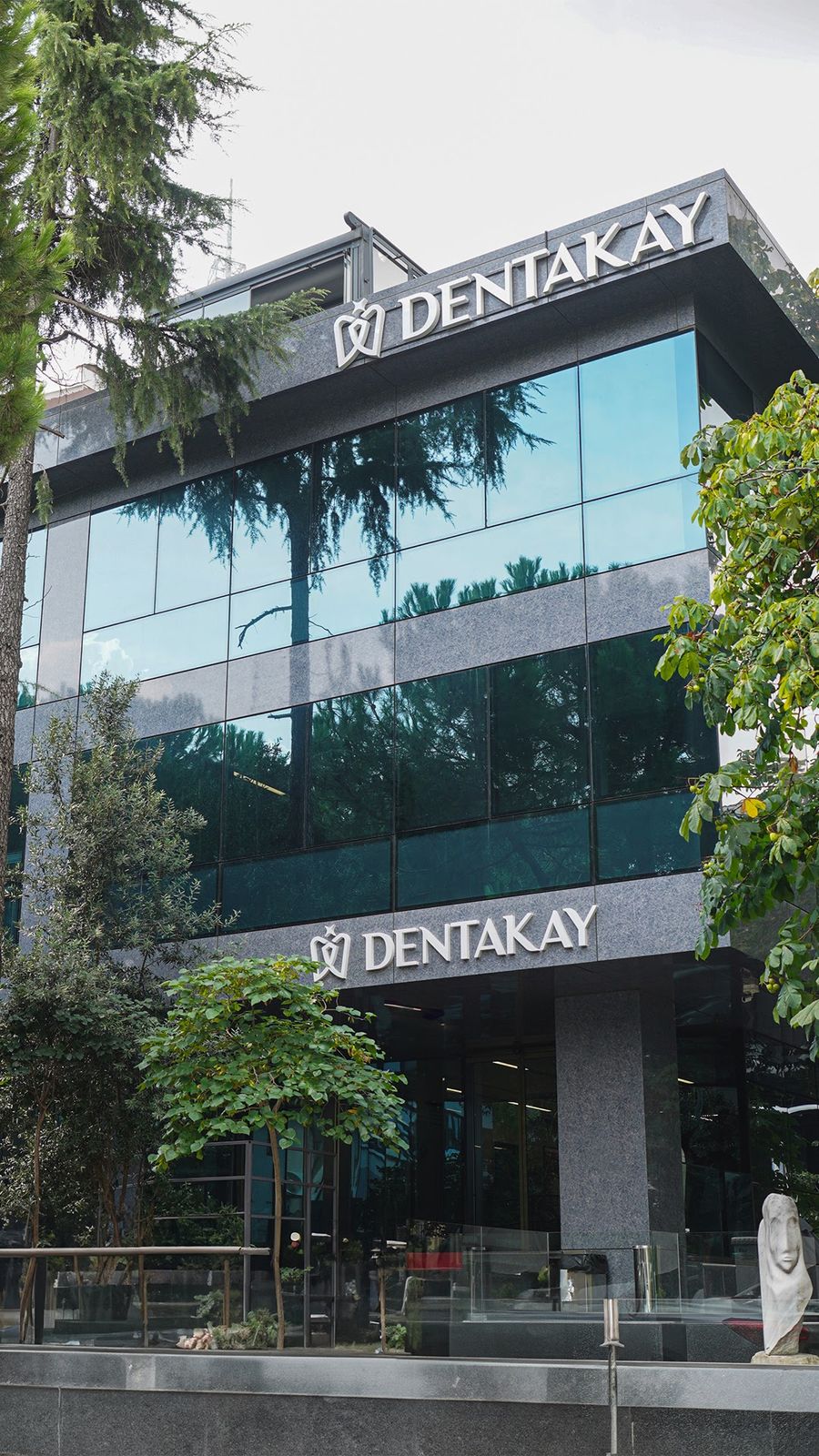 Dentakay Dental ClinicIstanbul, Turkey
 Attelia Oral and Dental Health CenterAntalya (Kızıltoprak, Muratpaşa), Turkey
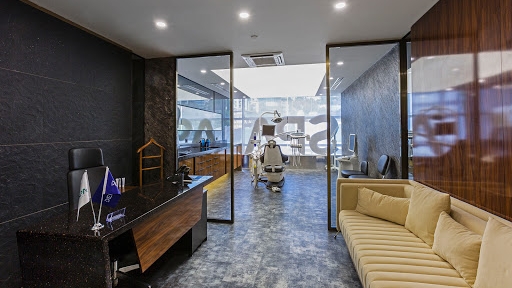 DentSpaIstanbul, Turkey
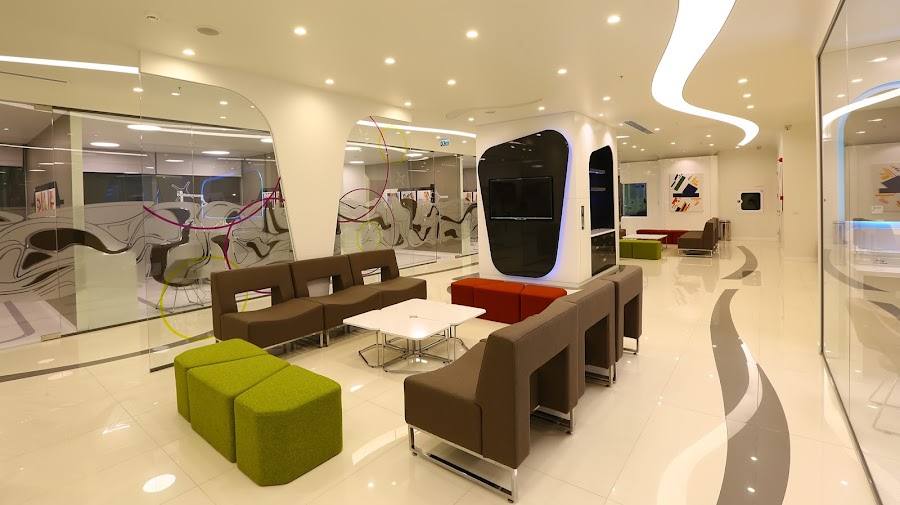 Esnan Dental Clinics Topkapı (Istanbul)Istanbul (Topkapı, Zeytinburnu), Turkey

Written by Saher Shodhan
Saher Shodhan is the founder of Thera Travel, which publishes what the official records show about clinics abroad, each fact with the date it was checked, and answers patients' enquiries, free. More about Thera → How we write and check our guides →
Related posts
Is It Safe to Get Dental Implants Abroad? What to Check in 2026
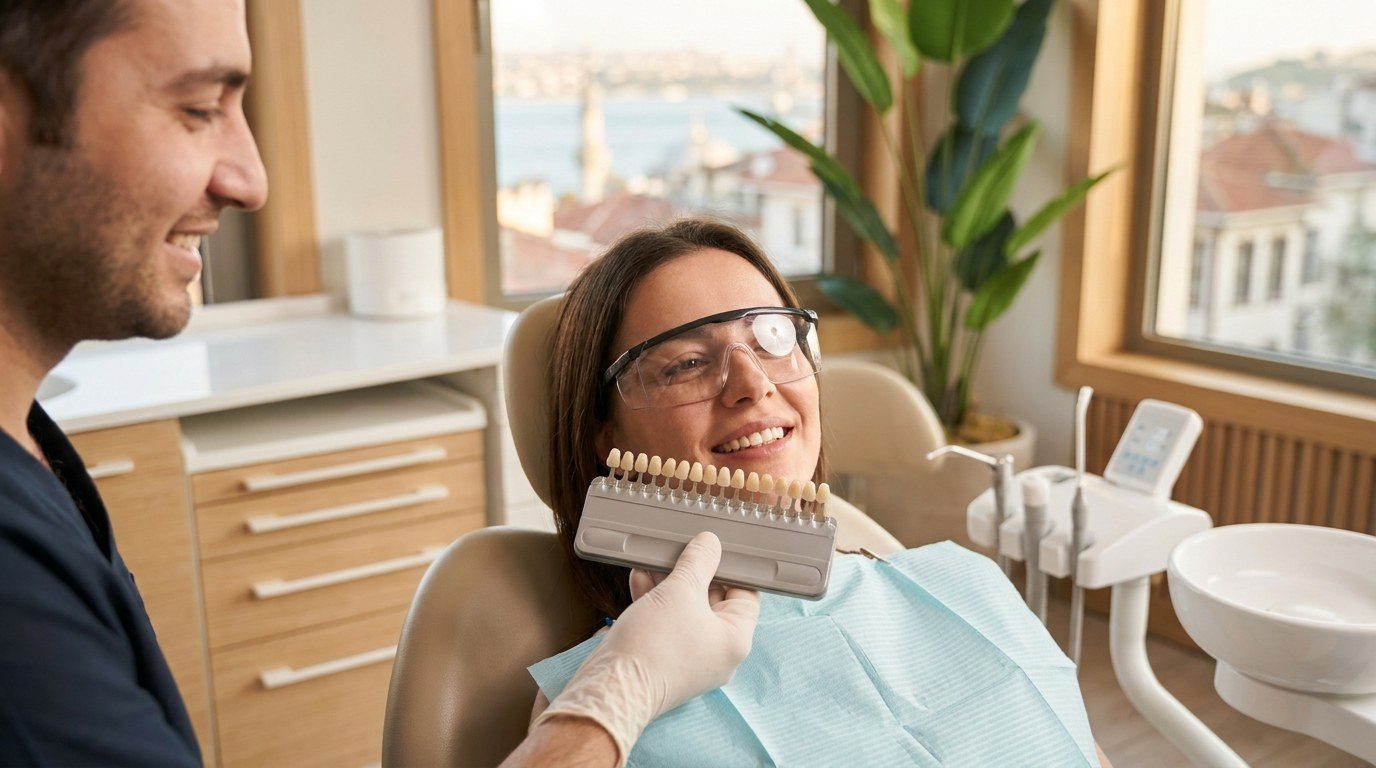
Turkey teeth: what they are, what they cost and how to check a dentist