
Teeth whitening abroad, from around £100 against £300–£700 in the UK, is usually low-risk at a careful clinic but carries real hazards where over-strength gel is used. This guide explains the UK peroxide limit, the risks of sensitivity and gum burns, and how to whiten abroad safely.
The short answer
Whitening is one of the lower-risk dental treatments, at home or abroad. It does not file down teeth or involve surgery. The natural tooth is lightened by a peroxide gel, and for most people the worst that happens is a few days of sensitivity.
The risk abroad comes from one variable: the strength of the gel and how carefully it is applied. Get that right and whitening abroad is fine. Get it wrong and you can end up with severe sensitivity or burned gums. Understanding the difference is what keeps you safe.
Ask us about dental treatment abroad, free
Tell us what you're looking into. We send your enquiry to relevant, pre-vetted clinics, and up to 3 that can help contact you directly.
Thera is free for patients. No clinic can pay to change the prices we publish.
The UK peroxide rule, and why abroad differs
This single fact explains most of the safety gap.
In the UK and across the EU, whitening gel used by a dental professional is legally capped at 6% hydrogen peroxide. Products stronger than 0.1% cannot be sold to the public at all, and only a registered dental professional may whiten teeth. The General Dental Council enforces this and has prosecuted non-dentists for offering whitening.
Those limits do not automatically apply outside the EU. Some clinics abroad, including in Turkey and further afield, use gels of 16%, 25% or more. Higher concentration means a faster, brighter result in one visit, attractive for a same-day package, but a genuinely higher risk of side effects if the gel is not carefully controlled. Brighter and quicker is not the same as safer.
What can actually go wrong
The realistic risks are these, in rough order of how common they are.
- Tooth sensitivity — very common, usually temporary, but more intense and longer-lasting with stronger gels. Sharp reactions to hot and cold for days or weeks.
- Gum and soft-tissue burns — if concentrated gel contacts the gums without a protective barrier, it can cause white patches, irritation or chemical burns. Painful, though usually short-lived.
- Uneven or disappointing results — whitening applied without assessing your teeth first can leave patchy colour, or fail on teeth that were never going to respond.
- Whitening unsuitable teeth — done over untreated decay or gum disease, or on a single dark tooth that needs a different technique, it can make problems worse or simply not work.
None of these is usually dangerous in the way surgery abroad can be, but they are avoidable, and avoiding them is mostly about clinic care rather than luck.
Whitening abroad on price and risk
Here is where the destinations sit, so you can weigh the modest saving against doing it at home.
| Destination | Typical in-chair price | Typical saving vs UK |
|---|---|---|
| UK (private) | £300–£700 | baseline |
| Turkey | £120–£250 | 55–65% |
| Poland / Hungary | £130–£280 | 40–60% |
| Dubai | £280–£500 | 10–30% |
Already have a clinic in mind? See what the official records say about it →
The saving is small in absolute terms, which is the honest safety argument in itself: whitening rarely justifies a trip on its own, so the risk is mostly relevant when you are already abroad for larger work. Our teeth whitening abroad cost guide and Turkey whitening guide cover the pricing in full.
Considering a particular clinic? See what the official records say about it, free →
How to whiten abroad safely
If you are whitening abroad, usually alongside other treatment, these checks do most of the work.
- Have a UK dentist confirm your teeth and gums are healthy first; whitening should not go over untreated decay or gum disease.
- Ask what concentration of gel the clinic uses, and whether your gums will be protected with a barrier during in-chair treatment.
- Be wary of a same-visit, maximum-strength "instant" result pushed without any assessment of your teeth.
- Follow the General Dental Council's general advice for going abroad: get a written record of what was used, and take copies of any notes home.
- Expect some sensitivity and know it should settle; know who to call if it does not.
- Remember the NHS will not fund correction of cosmetic whitening done abroad, so arrange UK follow-up before you travel.
These are the same principles that govern larger dental trips. For crowns, veneers and implants the stakes are higher, and our guide to whether dental work in Turkey is safe sets out the full checklist, with wider context in the medical tourism in Turkey guide.
When home is the safer bet
For whitening specifically, the UK's built-in safeguards — the 6% cap, the dentist-only rule, local follow-up — are worth something, and the saving abroad is small. If a whiter smile is genuinely all you want, having it done at home is the lower-risk, better-value choice for most people.
Whitening abroad makes sense as a cheap add-on when you are already travelling for veneers or implants, where the flights are justified by the bigger treatment and the whitening is a bonus. Whichever you choose, the deciding question is not the shade on the brochure. It is whether the clinic will assess your teeth honestly and control the gel carefully. Check the clinic's register entry and reviews, and get a written plan for your actual case before you commit.
Frequently Asked Questions
Is teeth whitening abroad safe?
Usually, at a careful clinic. Whitening does not involve surgery or filing teeth, so it is one of the lower-risk treatments. The main hazard abroad is over-strength gel, which raises the risk of sensitivity and gum burns. Choosing a clinic that assesses your teeth and controls the concentration keeps it low-risk.
Why is whitening gel stronger abroad?
UK and EU law caps professional gel at 6% hydrogen peroxide, but those limits do not apply everywhere. Some clinics abroad use 16–35% for a faster, brighter single-visit result. That suits same-day packages but raises the risk of sensitivity and gum burns if the gel is not carefully applied and the gums protected.
Can whitening burn your gums?
Yes, if concentrated gel contacts the gums without a protective barrier, it can cause white patches or chemical burns. These are painful but usually short-lived. Careful clinics protect the gums during in-chair treatment and use custom trays for take-home gel, which is why clinic technique matters more than the destination.
Will whitening make my teeth sensitive?
Temporary sensitivity is the most common side effect and usually settles within a few days. It tends to be stronger and longer-lasting with the higher-concentration gels used by some clinics abroad. Sharp reactions to hot and cold are normal short-term; sensitivity that does not settle should be checked by a dentist.
What if whitening abroad goes wrong?
The NHS will not fund correction of cosmetic whitening done abroad, and may only offer limited help. Most problems are sensitivity or gum irritation that settle, but arranging UK follow-up before you travel is sensible. Keep a written record of the gel and treatment used so a UK dentist can advise.
Is it safer to whiten in the UK?
For whitening alone, generally yes. UK safeguards cap gel at 6%, restrict whitening to dental professionals, and keep follow-up local, while the saving abroad is small. Whitening abroad makes most sense as a cheap add-on to larger treatment rather than a standalone trip.
Clinics UK patients look at
The four with the most Google reviews among the dental clinics we hold. Each has a free page with its records.
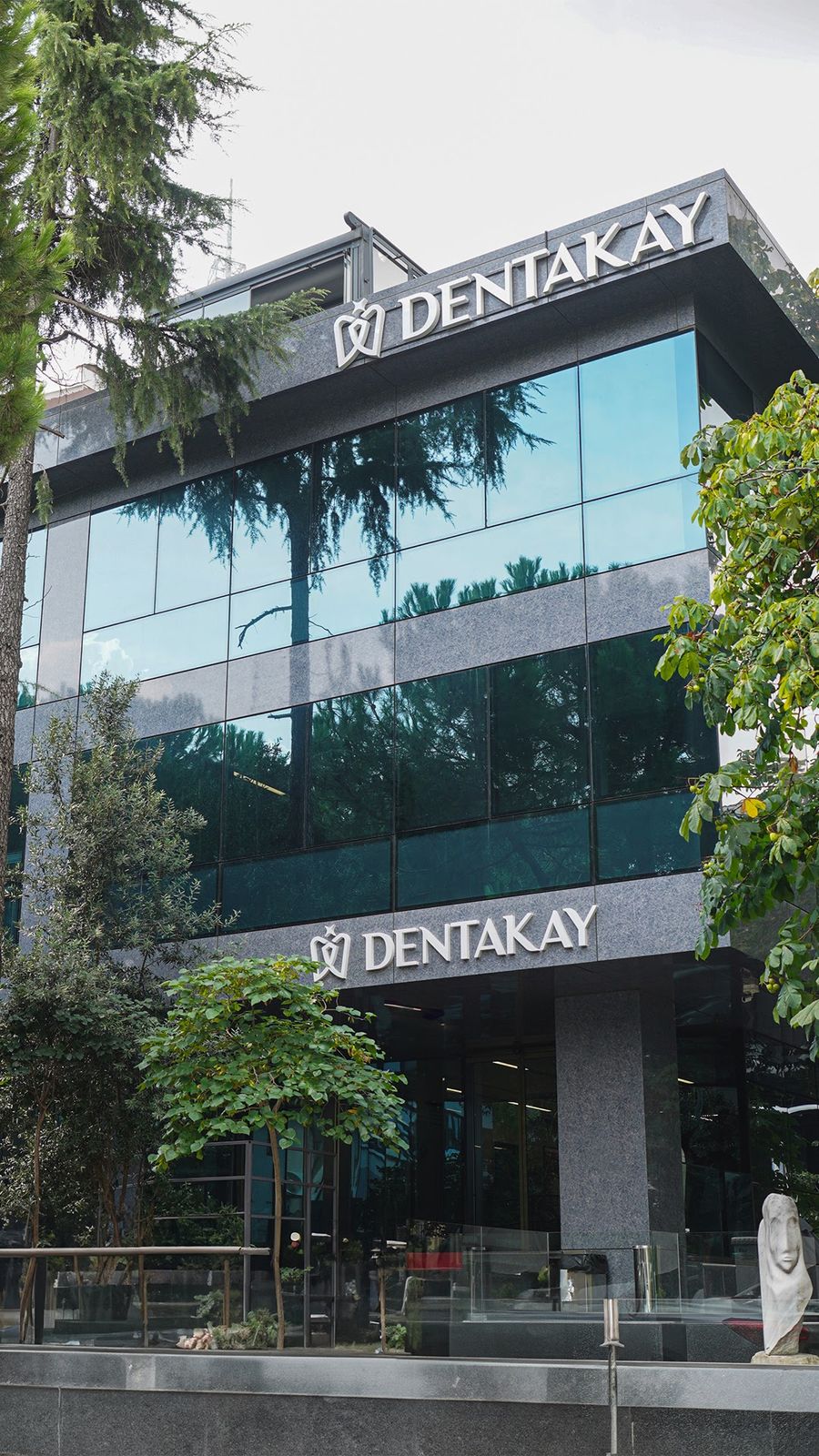 Dentakay Dental ClinicIstanbul, Turkey
 Attelia Oral and Dental Health CenterAntalya (Kızıltoprak, Muratpaşa), Turkey
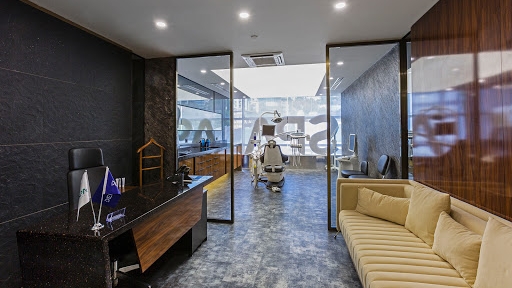 DentSpaIstanbul, Turkey
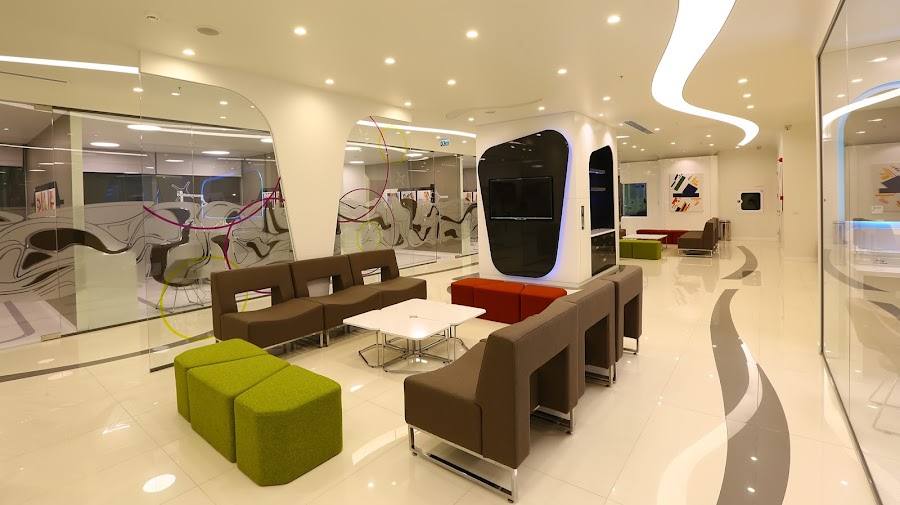 Esnan Dental Clinics Topkapı (Istanbul)Istanbul (Topkapı, Zeytinburnu), Turkey

Written by Saher Shodhan
Saher Shodhan is the founder of Thera Travel, which publishes what the official records show about clinics abroad, each fact with the date it was checked, and answers patients' enquiries, free. More about Thera → How we write and check our guides →
Related posts

Is It Safe to Get Dental Implants Abroad? What to Check in 2026
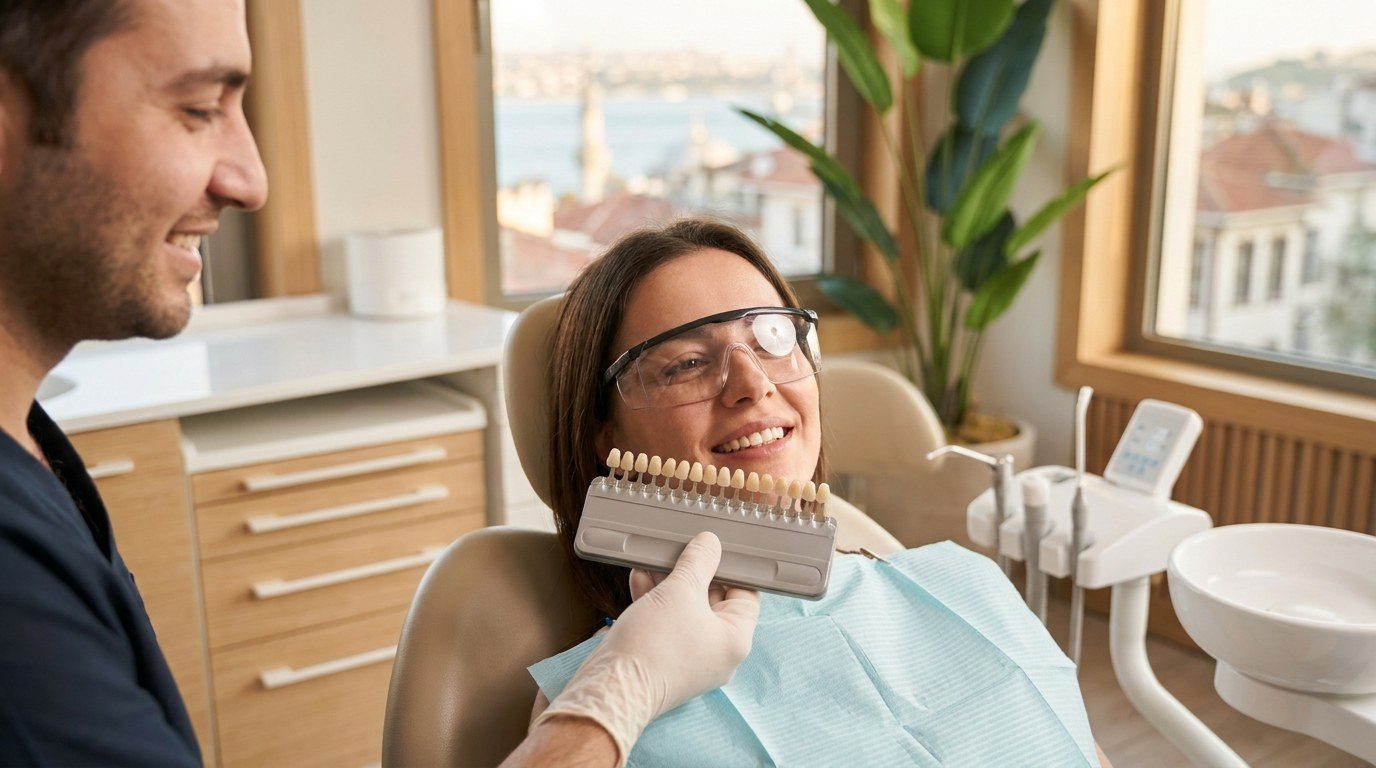
Turkey teeth: what they are, what they cost and how to check a dentist