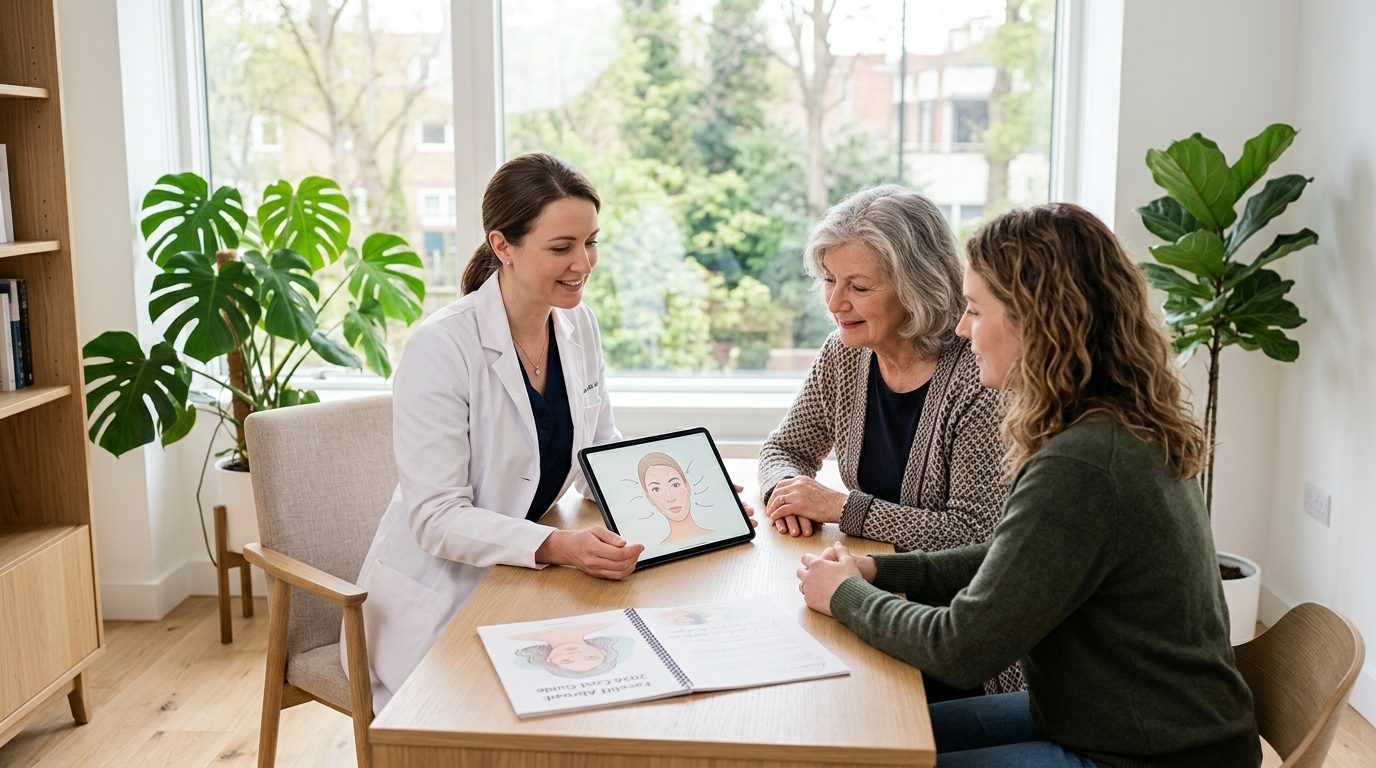

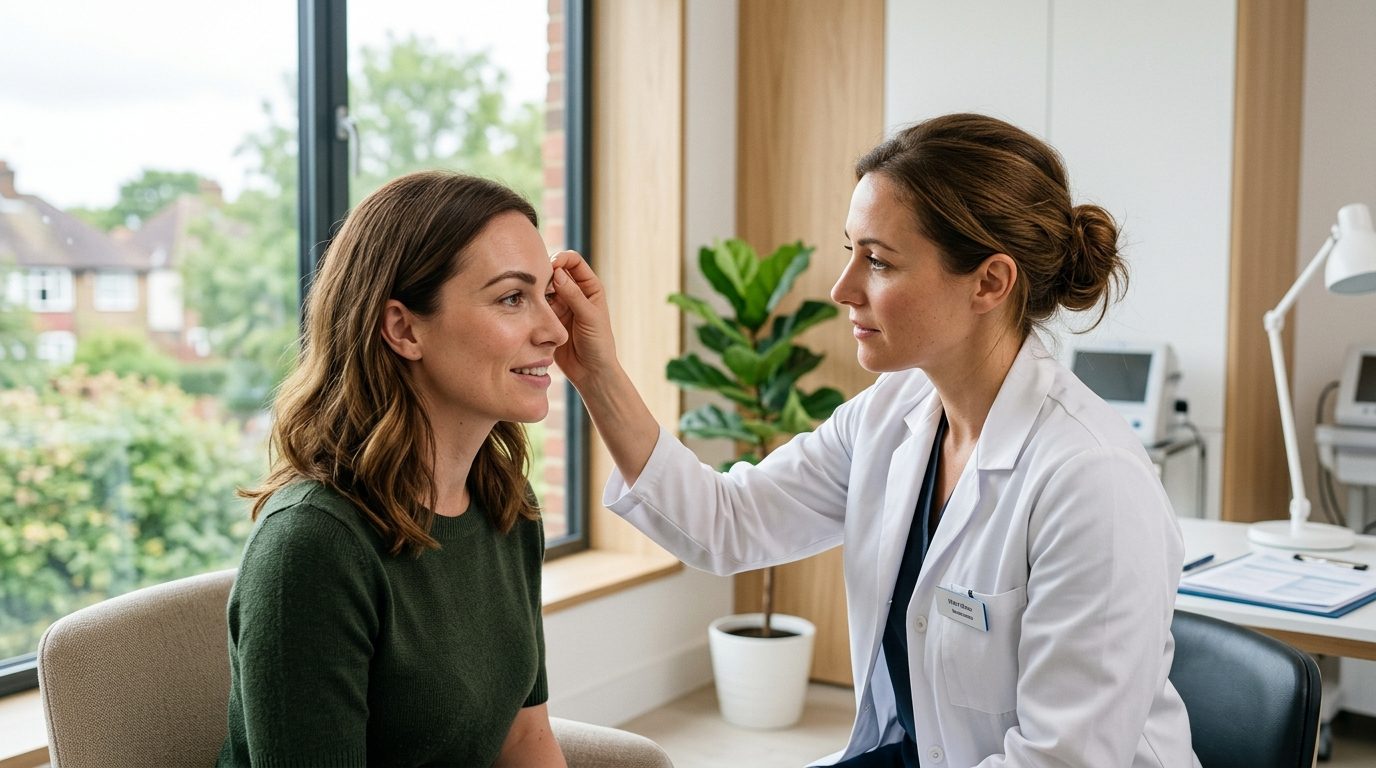
An eyebrow transplant abroad costs £1,200–£2,500 in Turkey, against £3,000–£6,000 privately in the UK. This guide covers who it suits, how the FUE procedure recreates a natural brow, real 2026 prices, and what recovery and scabbing actually look like week by week.
How much does an eyebrow transplant cost abroad?
An eyebrow transplant uses the same follicular unit extraction (FUE) method as scalp and beard work, but the graft counts are far lower and the precision demand is far higher. Turkey is where most UK patients travel, and prices there sit well below the UK private rate.
| Coverage goal | Typical grafts | Turkey cost | UK private | Typical saving |
|---|---|---|---|---|
| Light shaping / gap fill | 100–250 per brow | £1,200–£1,600 | £3,000–£4,000 | 55–65% |
| Full reconstruction (both brows) | 300–600 total | £1,600–£2,500 | £4,500–£6,000 | 55–65% |
Already have a clinic in mind? See what the official records say about it →
The graft numbers are small, but the price does not fall in proportion. Eyebrow work is slow, meticulous and time-limited by how long a patient can lie still, so the per-graft rate is higher than a scalp case. Turkish packages usually include a hotel, transfers, medication and aftercare. For the country comparison, see our hair transplant abroad cost guide and the Turkey-specific eyebrow transplant costs.
Considering a particular clinic? See what the official records say about it, free →
Ask us about treatment abroad, free
Tell us what you're looking into. We send your enquiry to relevant, pre-vetted clinics, and up to 3 that can help contact you directly.
Thera is free for patients. No clinic can pay to change the prices we publish.
Who an eyebrow transplant suits
An eyebrow transplant restores hair where the brow has thinned or stopped growing, using donor follicles from the back of your scalp. It suits several situations:
- Over-plucking damage. Years of tweezing can stop follicles regrowing. This is the most common reason patients seek a transplant.
- Alopecia or medical hair loss affecting the brows, once the condition is stable.
- Scars from injury, surgery or burns where no hair grows through the scar tissue.
- Naturally sparse or thin brows that makeup and serums have not fixed.
It is not the right route for everyone. If your brow loss is caused by an active condition such as thyroid disease or an untreated alopecia flare, a surgeon will usually want that stabilised first. A consultation should always come before booking.
How the procedure works
The donor hairs come from the nape of the scalp, chosen because they are fine and close in calibre to brow hair. A surgeon extracts them individually with FUE, then implants them one by one into the brow.
The skill is entirely in the angling. Eyebrow hairs grow almost flat against the skin, and the direction changes across the brow. Near the nose they point upward, along the arch they sweep outward and flatten, and at the tail they angle down. A surgeon has to recreate that flow hair by hair. Implant at the wrong angle and the brow looks bristly or grows in the wrong direction, which is the single most common way an eyebrow transplant looks unnatural.
Because scalp hair keeps its original growth rate, transplanted brow hairs grow longer than native brow hair and need regular trimming. A good surgeon explains this before you book rather than after.
What determines the price
Three things move the number more than the country does.
- Graft count. A light gap fill needs far fewer grafts than a full reconstruction of both brows. Our guide to how graft count sets the cost explains the estimate.
- Who performs the surgery. A qualified surgeon performing the implantation costs more than a technician-led procedure, and for delicate brow work it matters more here than almost anywhere. The International Society of Hair Restoration Surgery (ISHRS) advises checking that a doctor, not an unsupervised technician, does the work.
- What the package includes. Confirm whether medication, aftercare and any touch-up session are covered, and compare quotes like for like.
Recovery and scabbing week by week
Eyebrow recovery is short but visible on the face, so plan around it.
- Days 1–5: tiny scabs form around each implanted graft. They are small but noticeable up close, so most people take a few days at home. You avoid rubbing, heavy sweating and makeup on the brows.
- Week 1–2: the scabs fall away naturally and the transplanted hairs shed. This shedding is expected and does not mean the graft failed.
- Month 2–4: new growth begins from the transplanted follicles.
- Month 6–12: the brows fill in and settle into their final shape, at which point you trim them to length.
Most eyebrow transplants are a single trip of two or three nights. You can usually fly home two days after the procedure.
Is an eyebrow transplant abroad safe?
It can be, at a properly run clinic. The risks specific to brow work are an unnatural angle, over-dense placement that looks like a drawn-on line, or a technician-led procedure with no surgeon accountability. Your protection is vetting and documentation, not the price.
Confirm a qualified surgeon performs the implantation, get the graft count and technique in writing, ask for before-and-after brow cases specifically, and agree an aftercare plan before you pay. The NHS will not fund correction of a cosmetic procedure done privately abroad, so your checks beforehand are the whole safety net. The UK's Advertising Standards Authority restricts how cosmetic procedures may be marketed, so treat pressure selling and same-day discounts as a warning sign. Our hair transplant safety guide and the Turkey medical tourism guide cover the full checklist.
Frequently Asked Questions
How much does an eyebrow transplant cost abroad in 2026?
Most UK patients pay £1,200–£2,500 in Turkey, against £3,000–£6,000 privately in the UK. A light gap fill sits around £1,200–£1,600, while a full reconstruction of both brows runs £1,600–£2,500, usually with hotel, transfers and aftercare included in the package price.
Why do so few grafts cost so much?
Eyebrow work is slow and meticulous. Each of the 100–600 grafts is implanted at a precise flat angle to match natural brow growth, and the procedure is limited by how long a patient can lie still. That precision, not the graft count, is what sets the higher per-graft price compared with a scalp transplant.
Do eyebrow transplants look natural?
They can, when a skilled surgeon matches the changing angle of brow hair across the arch. Poor angling is the main cause of an unnatural result. Because the donor hair comes from the scalp, transplanted brow hairs grow longer than native ones and need regular trimming to keep a natural shape.
Is an eyebrow transplant permanent?
Yes. The donor follicles come from the permanent zone at the back of the scalp, so they keep their resistance to thinning once transplanted. The result settles at around 6–12 months, after which the brows grow for life and are trimmed to length like natural brow hair.
How long does eyebrow transplant recovery take?
Tiny scabs form for about five days, then fall away as the transplanted hairs shed within two weeks. New growth begins at month two to four, and the brows settle into their final shape by 6–12 months. Most cases are a single trip of two or three nights abroad.
Will the NHS fix an eyebrow transplant that goes wrong?
No. The NHS does not fund correction of cosmetic procedures done privately abroad. A written aftercare plan and thorough vetting of the surgeon and clinic before you book are your only real safety net, which is why we recommend reading the safety guide before committing.
Written by Saher Shodhan
Saher Shodhan is the founder of Thera Travel, which publishes what the official records show about clinics abroad, each fact with the date it was checked, and answers patients' enquiries, free. More about Thera → How we write and check our guides →
Related posts
Cross Border Directive: how to get the HSE to refund treatment abroad
Hip and knee replacement abroad from Ireland: costs, waits and HSE refunds