

Is a Hair Transplant in Turkey Safe? (2026 Honest Guide)
Home › Guides › Is a Hair Transplant in Turkey Safe? (2026 Honest Guide)

A hair transplant in Turkey is safe at a carefully checked, surgeon-led clinic and risky at a sales operation charging the same £1,490. The safety gap is huge and the price tells you nothing about it. This guide shows the red flags, green flags and checks that protect you.
The honest answer
Turkey has some of the best hair-restoration surgeons in the world and some of the worst clinics, often a few streets apart. Both advertise the same package price. Both promise the same graft count. The difference is who holds the punch during your surgery and what happens if the result disappoints.
So the honest answer is not "yes" or "no". It is: a hair transplant in Turkey is as safe as your vetting makes it. Thousands of UK patients travel each year and come home with natural, dense results. A minority come home with overharvested donor areas, unnatural hairlines or infections, and the common thread in those cases is a clinic that put sales volume ahead of surgeon time. Your job is to tell the two apart before you pay, because the price won't.
For the full cost picture see our hair transplant abroad cost guide, and for why Turkey leads on price, our medical tourism in Turkey guide.
Ask us about a hair transplant abroad, free
Tell us what you're looking into. We send your enquiry to relevant, pre-vetted clinics, and up to 3 that can help contact you directly.
Thera is free for patients. No clinic can pay to change the prices we publish.
What actually goes wrong
The clinics that make headlines share a small set of failures. Knowing them turns vague worry into specific questions.
- Technician-led surgery. The International Society of Hair Restoration Surgery (ISHRS) has warned for years about "black-market" clinics where an unqualified technician, not a doctor, performs the extraction and implantation while the surgeon is barely present. This is the single biggest risk in the Turkish market.
- Overharvesting the donor area. Take too many grafts from the back and sides and the donor zone thins permanently, leaving a see-through patch that is far harder to fix than the original loss.
- Unnatural hairline design. A hairline placed too low, too straight or at the wrong angle looks like a wig line for the rest of your life. Design is a surgeon's judgement call, not a technician's.
- Poor density and patchy growth. Rushed, high-volume implantation damages grafts, so fewer survive and the result looks thin even after 12 months.
- Infection and necrosis. Rare, but linked to non-sterile, unregulated premises and channels cut too deep or too close together.
Red flags vs green flags
Most of these you can spot from the website, the WhatsApp reply and the quote, before you ever board a flight.
| Green flag (proceed) | Red flag (walk away) |
|---|---|
| Names the qualified surgeon and their role | Won't say who performs the surgery |
| Surgeon does hairline design and extraction | "Our expert team" does everything |
| Assesses your scalp before quoting grafts | Quotes a graft count from one photo |
| Written treatment and aftercare plan | Everything agreed verbally over chat |
| Realistic timeline (12–18 months for full result) | Promises visible density in weeks |
| Steady price, no countdown | Same-day discount, pressure to book now |
| Shares un-retouched patient results | Only stock or clearly edited photos |
Already have a clinic in mind? See what the official records say about it →
The pattern is simple: transparency about the surgeon and the plan is the green flag; vagueness and urgency are the red ones.
Considering a particular clinic? See what the official records say about it, free →
Your vetting checklist
Run every clinic through the same checks. A safe clinic passes all of them without hesitation.
- Confirm the surgeon in writing. Ask who performs the extraction, the channel opening and the implantation, and get the answer in writing. The ISHRS says this is the first thing to verify.
- Check qualifications. A hair-restoration surgeon should be a licensed medical doctor. Look for ISHRS membership and a named, searchable professional, not just a clinic brand.
- Get the plan documented. Technique (FUE, DHI or Sapphire FUE), graft count, hairline design and donor-management plan, all in writing before payment. Our FUE vs DHI guide explains the options so you can read the plan critically.
- Sanity-check the graft count. More is not better. A padded number overharvests your donor area. See how many grafts you actually need before you accept a quote.
- Agree aftercare up front. What is included, who you contact if something goes wrong, and what happens if growth disappoints at 12 months.
- Refuse pressure. A same-day discount that expires tonight is a sales tactic, not a clinical decision.
Our full guide to choosing a hair transplant clinic abroad turns this into a step-by-step process, and if a rock-bottom quote is tempting you, read is a cheap hair transplant worth it first.
Aftercare, and what if the result disappoints
Plan for follow-up before you fly, because the NHS will not fund it. The NHS does not repair or correct cosmetic procedures carried out privately abroad. If a transplant fails or looks wrong, your options are a private UK correction (often more expensive than the original surgery) or a revision trip back to the clinic. That is why a written aftercare agreement matters as much as the surgery itself.
A responsible clinic sets expectations honestly: transplanted hair sheds within weeks, regrowth starts around month three or four, and the true density only lands at 12 to 18 months. If you are unhappy at that point, you want a documented growth guarantee or revision policy agreed in writing from day one, not a conversation you are trying to have after the fact.
What the records can tell you
Checking one clinic is hard. Checking five, in a language you don't speak, from adverts designed to convert you, is harder. The records help: the clinic's official registration, the named surgeon on their professional register, and the full spread of its Google reviews, low ratings included. Compare on substance (a named qualified surgeon, documented technique and graft count, a real aftercare plan), not on who has the slickest Instagram. Thera Travel never recommends a clinic. You can see what the records say about a clinic, free. It does not remove your responsibility to ask questions, but it stops you starting from zero against a market built to sell.
Frequently Asked Questions
Is a hair transplant in Turkey safe?
It is safe at a carefully checked, surgeon-led clinic and risky at a high-pressure sales operation, and both charge similar prices. The ISHRS warns specifically about clinics where a technician rather than a doctor performs the surgery. Confirm the surgeon in writing, get a documented plan, and your safety improves dramatically.
Is a hair transplant in Turkey worth it?
For most patients, yes. A 3,000-graft procedure costs £1,900–£2,450 in Turkey against £7,000–£12,000 in the UK, a 70–80% saving that holds up after £100–£250 flights. But it is only worth it if you vet properly; a cheap result you have to correct in the UK wipes out the saving.
What are the most common problems?
Technician-led surgery, an overharvested donor area, an unnatural hairline, poor density from rushed implantation, and rarely infection. The ISHRS links most serious cases to unregulated "black-market" clinics where an unqualified operator performs the procedure rather than a licensed doctor.
How do I check a clinic is legitimate?
Confirm in writing who performs the surgery, verify the surgeon is a licensed doctor and ISHRS member, get the technique and graft count documented, and agree aftercare before paying. Walk away from any clinic that dodges the surgeon question or pressures you with same-day discounts.
What if I'm unhappy with the result?
The NHS does not fund correction of cosmetic procedures done privately abroad, so you would face a private UK revision or a return trip. Agree a written growth guarantee or revision policy before surgery. Remember the full result takes 12–18 months, so judge density then, not at three months.
Are cheaper Turkish clinics more dangerous?
Not automatically, but the lowest quotes are where technician-led surgery and padded graft counts concentrate. Price is a poor safety signal in either direction. Judge a clinic on its named surgeon, documentation and aftercare rather than on how far below £1,490 it can go.
Clinics we hold in Turkey
The hair transplant clinics and hospitals in Turkey that have a free summary page: the register entry we found, the Google listings and any published prices. Thera is free for patients. No clinic can pay to change the prices we publish.
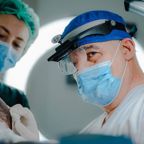
Antalya (Güzeloba, Muratpaşa)
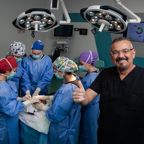
Istanbul (Ataşehir)
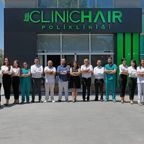
Izmir (Çınarlı, Bayraklı)
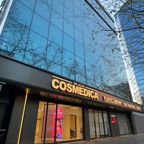
Istanbul (Şişli/Esentepe)

Istanbul (Merkez, Şişli, European side)

Istanbul (Beşiktaş)
Clinics UK patients look at
The four with the most Google reviews among the hair transplant clinics we hold. Each has a free page with its records.
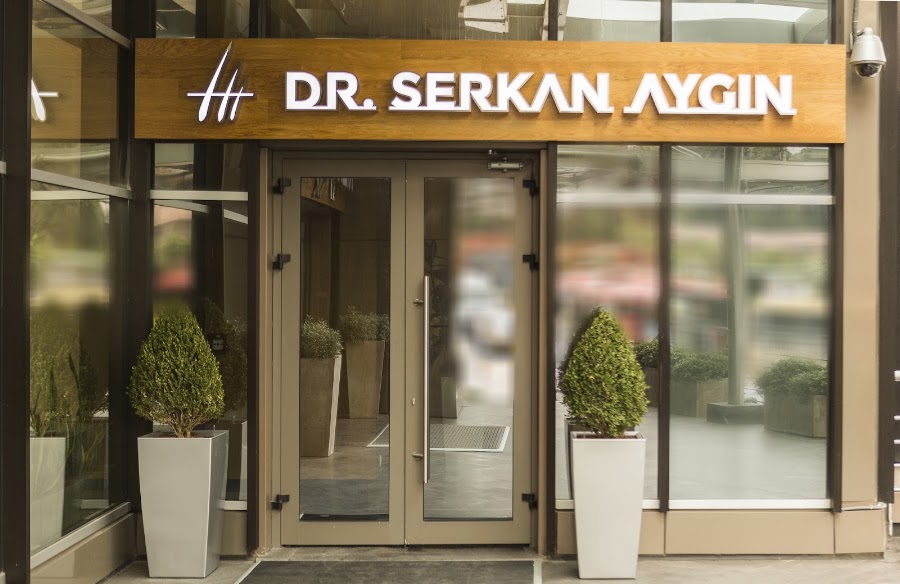 Dr. Serkan Aygin ClinicIstanbul (Şişli), Turkey
 Esteworld Altunizade Surgical ComplexIstanbul (Altunizade, Üsküdar — Asian side), Turkey
 estethica AtaşehirIstanbul (Küçükbakkalköy, Ataşehir — Asian side), Turkey
 Dr. Cinik Hair HospitalIstanbul (Beşiktaş), Turkey
Written by Saher Shodhan
Saher Shodhan is the founder of Thera Travel, which publishes what the official records show about clinics abroad, each fact with the date it was checked, and answers patients' enquiries, free. More about Thera → How we write and check our guides →
Related posts
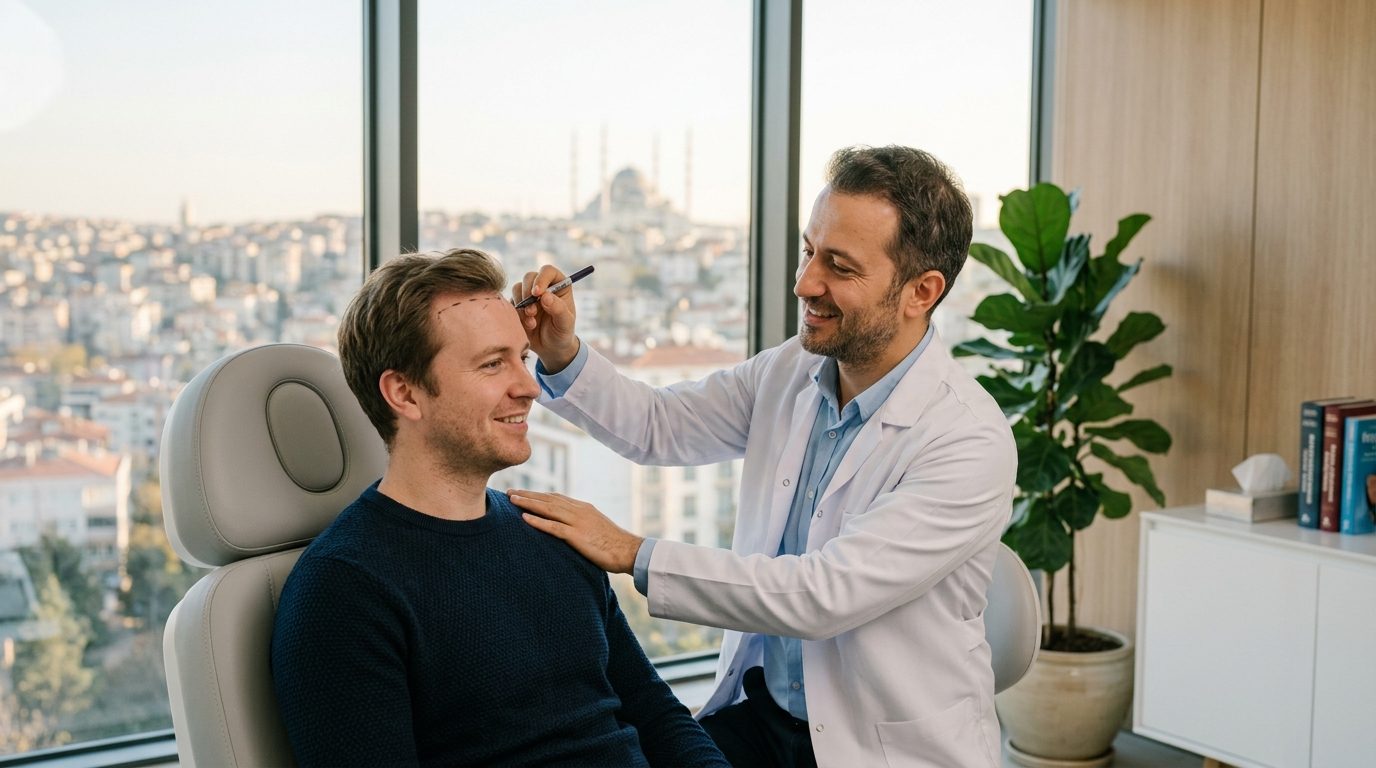
Hair transplant cost: UK vs Turkey (2026), from clinics' own prices
Cheapest hair transplant abroad (2026): clinics' published prices by country