
Dental Implants in Thailand
2026 Cost Guide
Home › Guides › Dental Implants in Thailand: 2026 Cost Guide
Dental implants in Thailand typically cost £900–£1,800 for a single implant with crown, against £1,800–£3,500 in the UK, often at internationally accredited hospitals. This guide covers 2026 prices, how Thailand differs from Europe, the long-haul timeline and how to vet a clinic.
A different value proposition
Thailand does not compete on the lowest price. Turkey and India are cheaper. What Thailand offers is a combination that appeals to a particular patient: well-known internationally accredited hospitals, strong English-language service built on decades of medical tourism, and a destination people already want to visit. Many patients fold treatment into a longer stay.
The catch is distance. Thailand is long-haul, so flights are dearer and the two-trip implant timeline is a bigger commitment than a European hop. That pushes the value towards larger cases, or towards patients who were going to travel to the region anyway. Our dental implants abroad hub sets Thailand alongside the cheaper and closer options.
Ask us about dental treatment abroad, free
Tell us what you're looking into. We send your enquiry to relevant, pre-vetted clinics, and up to 3 that can help contact you directly.
Thera is free for patients. No clinic can pay to change the prices we publish.
What dental implants cost in Thailand
Thailand sits in the mid-to-upper band for a long-haul destination — below the UK, above Turkey and India.
| Treatment | Thailand (typical) | UK private | Typical saving |
|---|---|---|---|
| Single implant incl. crown | £900–£1,800 | £1,800–£3,500 | 45–65% |
| All-on-4 per arch | £4,000–£7,000 | £9,000–£15,000 | 45–60% |
| All-on-6 per arch | £5,000–£8,000 | £12,000–£18,000 | 50–60% |
| Full-mouth restoration | £9,000–£15,000 | £25,000–£35,000 | 50–65% |
Already have a clinic in mind? See what the official records say about it →
Bangkok and Phuket are the main hubs, with Phuket geared towards patients combining treatment with a resort stay. Premium implant systems such as Straumann and Nobel Biocare are widely used at the established hospitals, which is part of why prices sit higher than in the cheapest destinations. Check inclusions carefully and compare totals in our UK vs abroad price comparison.
Considering a particular clinic? See what the official records say about it, free →
Hospital-grade dental care
One of Thailand's genuine strengths is the presence of large, internationally accredited hospitals with dedicated dental departments, including JCI-accredited facilities used to treating international patients. For someone nervous about small overseas clinics, a hospital setting with clear accreditation and English-speaking staff can be reassuring.
That said, accreditation belongs to the facility, not automatically to every dentist practising in the country, and Thailand also has many independent clinics of varying standards. The reassurance of a hospital name still needs backing with the specifics: who is doing the surgery, what implant system, and what happens if something needs adjusting.
The long-haul timeline
Implants must fuse with the jawbone before the final teeth go on, so most cases run over two trips:
- Trip 1 (roughly a week): scans, implant placement, temporary teeth
- Healing at home (3–6 months): osseointegration
- Trip 2 (about a week): final crowns or bridge fitted and adjusted
Two long-haul trips are a real consideration. Some patients extend the first trip to make the journey worthwhile, and full-arch cases where the saving is large absorb the travel cost more comfortably. For those, our All-on-4 abroad cost guide covers the sequence. If a single implant is all you need, a closer destination like Budapest or Poland may work out cheaper once flights are added.
Vetting a clinic in Thailand
Accreditation helps, but you still check each clinic. The British Dental Association reports 86% of UK dentists have treated patients with complications from dental work abroad, and long-haul distance makes any correction harder to arrange. Look for:
- Facility accreditation, ideally JCI, plus the dentist's own qualifications and implant experience
- A named implant brand confirmed in writing, with warranty documentation
- A written treatment plan and full medical history taken before treatment
- All scans, X-rays and records to bring home — as the General Dental Council advises
- A clear aftercare plan and a UK follow-up you arrange before flying
Who Thailand suits
Thailand suits patients who value an accredited hospital setting and strong English-language care, need substantial work, and either want to combine treatment with a longer stay or were travelling to the region anyway. It is not the choice for the lowest possible price, Turkey and India undercut it, nor for a quick single implant, where Europe is closer and cheaper overall. Compare your options on our best country for dental implants guide and see a UK dentist before you book.
Frequently Asked Questions
How much is a dental implant in Thailand?
Typically £900–£1,800 including the crown at 2026 prices, versus £1,800–£3,500 privately in the UK. Thailand sits above Turkey and India on price but often uses premium implant systems at internationally accredited hospitals, which is part of the difference.
Is Thailand cheaper than the UK for dental implants?
Yes, usually 45–65% cheaper for the treatment itself. But it is long-haul, so flights and two trips add cost and time. The saving is most worthwhile on larger cases or if you are already travelling to the region.
Are Thai dental hospitals safe?
Thailand has large internationally accredited hospitals, including JCI-accredited facilities, with dedicated dental units and English-speaking staff. Accreditation is a genuine strength, but it belongs to the facility — still confirm the individual dentist's experience, the implant brand and the aftercare arrangements.
How many trips to Thailand will I need?
Usually two, 3–6 months apart, so the implants can fuse before final crowns. Because both are long-haul, many patients extend the first trip, and Thailand suits larger cases where the saving justifies the travel more than a single implant would.
Which city is best for dental implants in Thailand?
Bangkok has the largest concentration of hospital dental units, while Phuket is geared to patients combining treatment with a resort stay. Both are set up for international patients; the choice depends on whether you prioritise clinic choice or recovery setting.
What if my implants fail after I return home?
The NHS will not fund correction of private implant work done abroad — it may only offer pain relief or removal, with UK repairs commonly £500–£1,000 or more. Long-haul distance makes returning costly, so arrange a written aftercare plan and UK follow-up before booking.
Clinics we hold in Thailand
The dental clinics and hospitals in Thailand that have a free summary page: the register entry we found, the Google listings and any published prices. Thera is free for patients. No clinic can pay to change the prices we publish.

Bangkok (Din Daeng, Ratchadaphisek)

Bangkok (Thong Lo, Watthana)
Bangkok (Lumphini, Pathum Wan — Wireless Road)

Bangkok (Bangkapi, Huai Khwang — New Petchburi Road)
Phuket (Wichit, Mueang Phuket)
Bangkok (Bang Mot, Chom Thong — Rama 2 Road)
Clinics UK patients look at
The four with the most Google reviews among the dental clinics we hold. Each has a free page with its records.
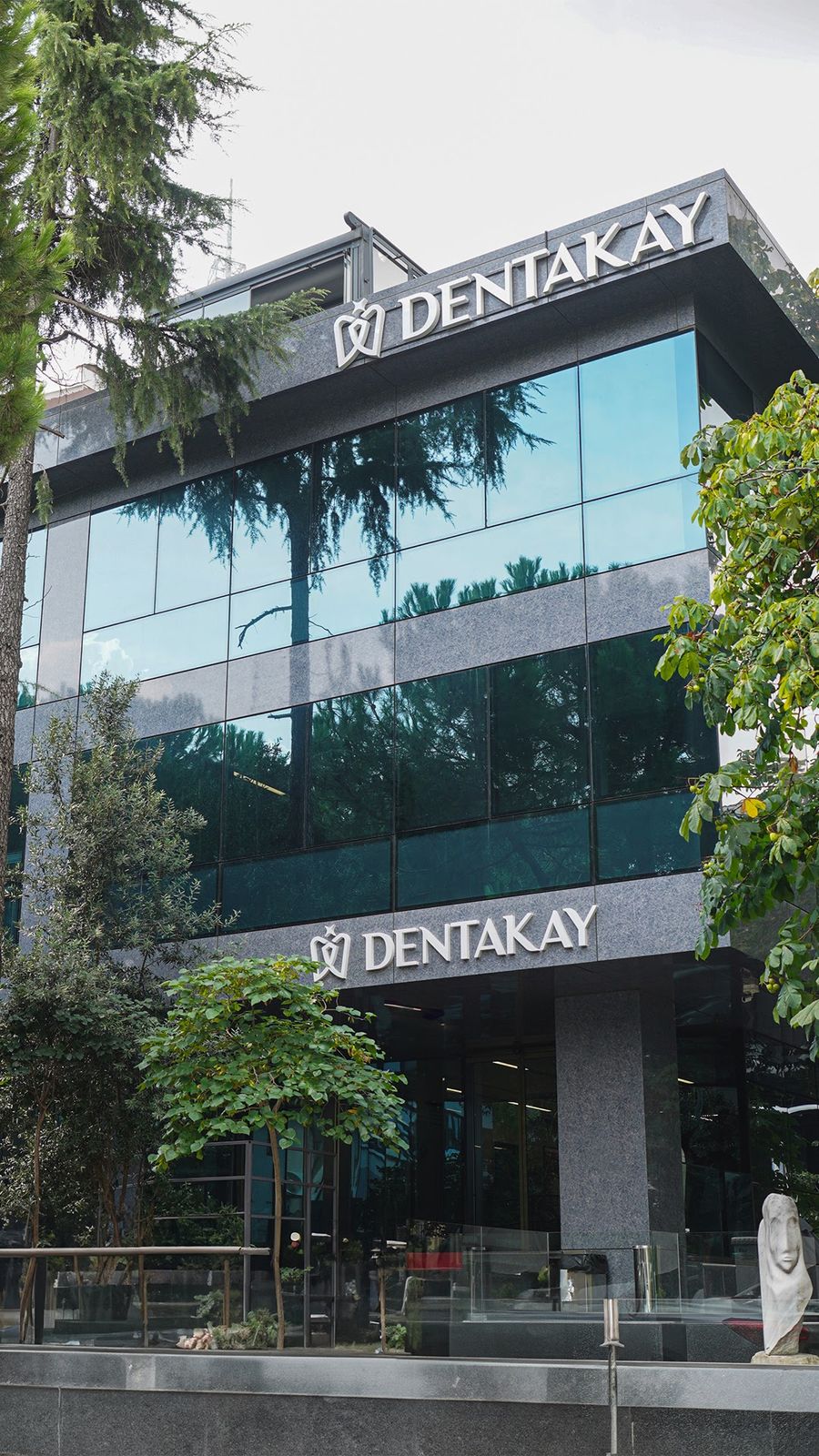 Dentakay Dental ClinicIstanbul, Turkey
 Attelia Oral and Dental Health CenterAntalya (Kızıltoprak, Muratpaşa), Turkey
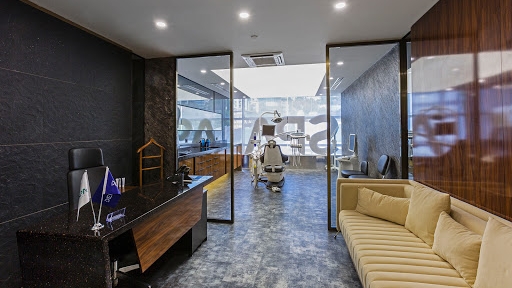 DentSpaIstanbul, Turkey
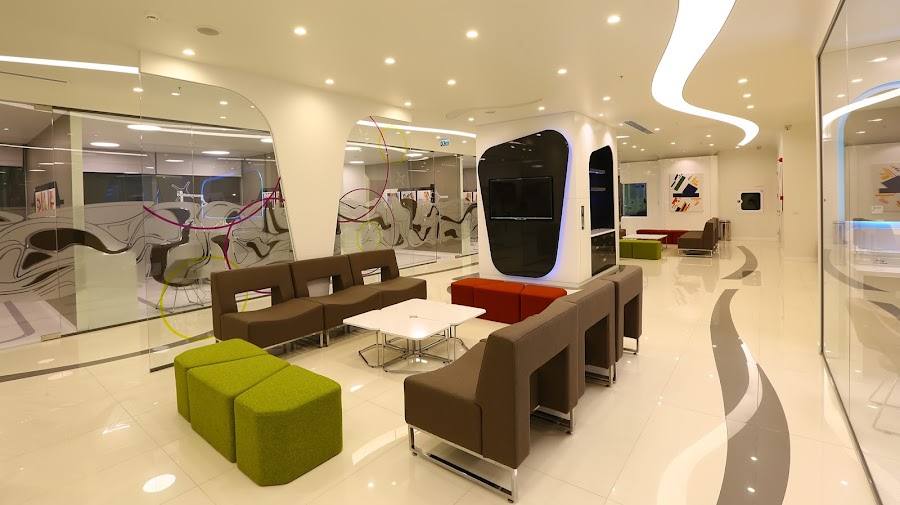 Esnan Dental Clinics Topkapı (Istanbul)Istanbul (Topkapı, Zeytinburnu), Turkey

Written by Saher Shodhan
Saher Shodhan is the founder of Thera Travel, which publishes what the official records show about clinics abroad, each fact with the date it was checked, and answers patients' enquiries, free. More about Thera → How we write and check our guides →
Related posts

Is It Safe to Get Dental Implants Abroad? What to Check in 2026
Turkey teeth: what they are, what they cost and how to check a dentist