


A breast reduction abroad costs £2,500–£5,000 in Turkey and £3,000–£5,000 in Eastern Europe, against £6,500–£9,000 in the UK. This 2026 guide explains who a reduction suits, the cost by country, scarring, recovery, fit-to-fly, and the cosmetic-versus-medical question.
Who a breast reduction suits
A breast reduction (reduction mammoplasty) removes excess breast tissue, fat and skin to create a smaller, lighter, better-supported shape. It usually includes a lift, since raising the nipple and tightening the skin envelope is part of the same operation.
People consider it for comfort as much as appearance: persistent back, neck and shoulder pain, deep bra-strap grooving, skin irritation under the breast, difficulty exercising, and trouble finding clothes that fit. Whether surgery is appropriate — and how much tissue to remove — is a clinical judgement your surgeon makes after examining you.
Ask us about cosmetic surgery abroad, free
Tell us what you're looking into. We send your enquiry to relevant, pre-vetted clinics, and up to 3 that can help contact you directly.
Thera is free for patients. No clinic can pay to change the prices we publish.
How much does a breast reduction cost abroad?
A UK private reduction runs £6,500–£9,000. Abroad, the same surgery costs considerably less. Here is how 2026 prices compare.
| Where | Typical price | Notes | Saving vs UK |
|---|---|---|---|
| Turkey | £2,500–£5,000 | Often package pricing | 45–60% |
| Poland | £3,000–£5,000 | EU-regulated | 45–55% |
| Lithuania | £3,000–£5,000 | EU-regulated | 45–55% |
| UK private | £6,500–£9,000 | Surgery, follow-up | baseline |
Already have a clinic in mind? See what the official records say about it →
These are typical 2026 prices, not quotes. The amount of tissue removed, the surgeon's seniority and whether the figure is a package or surgery-only all move the price within each range. For the wider picture, see our cosmetic surgery abroad cost guide and the related breast lift abroad cost guide.
Considering a particular clinic? See what the official records say about it, free →
Cosmetic or medical? A note on the NHS route
A breast reduction sits on the line between cosmetic and reconstructive surgery. Where large breasts cause genuine physical symptoms, the NHS does sometimes fund a reduction, but the criteria are strict and vary between local areas, and waiting lists are long. Many people are turned down or face a wait of a year or more, which is what drives them to look privately or abroad.
If you have symptoms, it is worth asking your GP about NHS eligibility before you assume you must pay. Going abroad is a reasonable choice, but it is a fully private one — there is no NHS support for the surgery or, importantly, for correcting it if something goes wrong.
Scarring and what to expect
A reduction always leaves scars, and being clear about this upfront is part of choosing well. Most reductions use a vertical "lollipop" scar or a full "anchor" pattern with a horizontal scar along the crease, because more skin has to be removed than in a simple lift. Scars fade over 12 to 18 months but never disappear entirely.
There are other trade-offs to discuss with your surgeon: possible changes to nipple sensation and, for some women, a reduced ability to breastfeed afterwards. A good surgeon will raise these before you commit, not after.
Recovery and fit-to-fly
A reduction is more involved than an augmentation and needs a proper recovery window before you fly home. Plan to stay near the clinic for about 7 to 10 days so the surgeon can check the wounds and give a fit-to-fly sign-off. Flying too soon after surgery raises the risk of deep-vein thrombosis, so this window is not a place to cut corners.
You will wear a support bra for several weeks, avoid heavy lifting and overhead work for around six weeks, and leave strenuous exercise until the surgeon clears it. Swelling settles and the final shape emerges over three to six months. Because you recover abroad and follow up at home, agree UK aftercare and revision terms before you travel.
Vetting the surgeon
A reduction is technically demanding, so the surgeon's experience matters more than the country. The checks that protect you:
- Confirm the operator is a qualified, experienced plastic surgeon and ask how many reductions they perform a year. In the UK the General Medical Council (GMC) holds a specialist register; abroad, ask for equivalent proof.
- Look for recognised clinic accreditation and, in the EU, national medical regulation.
- Get a written surgical plan covering the scar pattern and the discussion of sensation and breastfeeding before you pay.
- Agree revision terms in writing — who pays, and where.
- Arrange UK follow-up. The NHS does not fund correction of private cosmetic surgery done abroad, and the British Association of Aesthetic Plastic Surgeons (BAAPS) reports rising numbers of UK patients needing corrective care after overseas surgery.
For the full checklist, read whether plastic surgery abroad is safe.
Turkey or the EU?
Turkey offers the steepest discount and the highest volume of international cosmetic work, so a good clinic there is very experienced — but standards range widely, making surgeon vetting essential. See the medical tourism in Turkey guide and, for the closely related lift, our breast lift in Turkey cost guide. Poland and Lithuania cost a little more but operate under EU medical regulation, which many patients want for surgery they cannot easily follow up at home — see our cosmetic surgery in Lithuania cost guide. If your concern is shape rather than size, our breast augmentation abroad cost guide covers that route.
Frequently Asked Questions
How much does a breast reduction cost abroad?
Typically £2,500–£5,000 in Turkey and £3,000–£5,000 in Poland or Lithuania, against £6,500–£9,000 in the UK — a saving of 45–60%. The amount of tissue removed and the surgeon's seniority move the price within each range.
Can I get a breast reduction on the NHS instead?
Sometimes. Where large breasts cause genuine physical symptoms the NHS may fund a reduction, but the criteria are strict, vary by area, and waiting lists are long. Ask your GP about eligibility before assuming you must pay privately or travel abroad.
Will a breast reduction leave scars?
Yes, always. Most reductions use a vertical "lollipop" or full "anchor" scar pattern because a lot of skin is removed. Scars fade over 12 to 18 months but never fully disappear. Your surgeon should show you the expected pattern before you commit.
How long do I stay abroad after a breast reduction?
Plan for about 7 to 10 days so the surgeon can check the wounds and give a fit-to-fly sign-off. Flying too soon raises deep-vein-thrombosis risk. Full recovery takes several weeks, with the final shape emerging over three to six months.
Will a breast reduction affect breastfeeding or sensation?
It can. A reduction may change nipple sensation and, for some women, reduce the ability to breastfeed afterwards. These trade-offs vary by technique and how much tissue is removed. Discuss them with your surgeon before you commit, so you know what to expect.
Is a breast reduction abroad safe?
It can be at a properly accredited, surgeon-led clinic, but it is technically demanding real surgery. BAAPS has warned about complications from cosmetic surgery abroad. Vet the surgeon's experience, confirm accreditation, plan recovery and arrange UK follow-up before you travel.
Clinics UK patients look at
The four with the most Google reviews among the cosmetic surgery clinics we hold. Each has a free page with its records.
 Lelux HospitalNonthaburi (Bangkok metropolitan area), Thailand
 Antalya Yaşam Hospital (Antalya Private Life Hospital)Antalya (Şirinyalı, Muratpaşa), Turkey
 Lokman Hekim İstanbul HospitalIstanbul (Kurtköy, Pendik — Asian side), Turkey
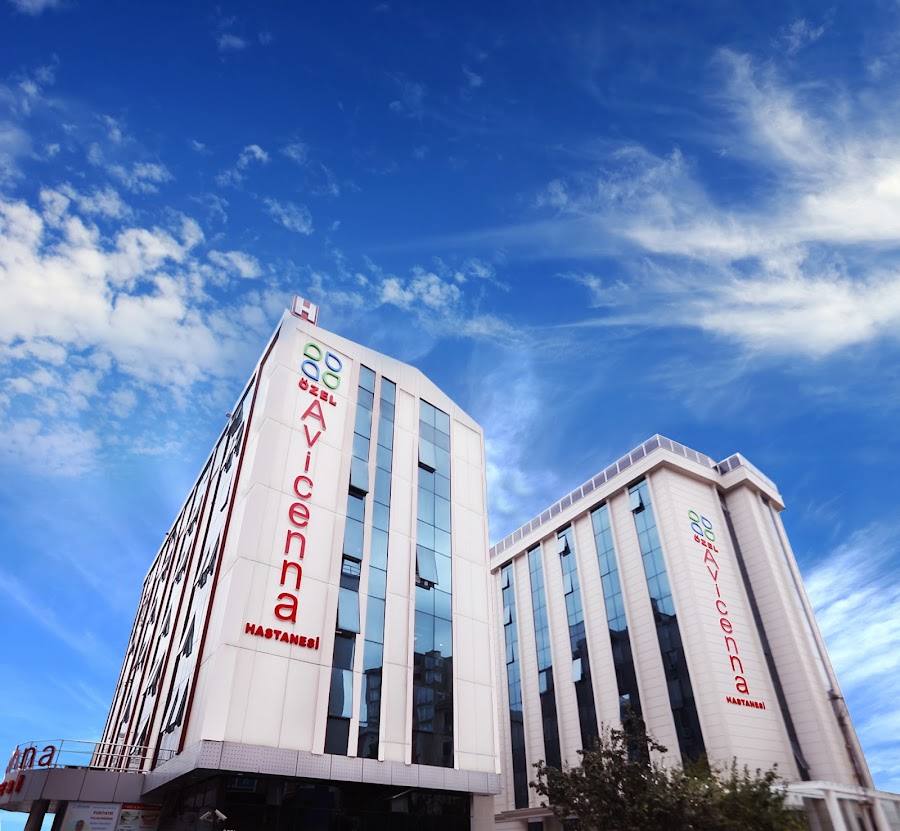 Avicenna Ataşehir Hospital (Avicenna International Hospital), IstanbulIstanbul (Küçükbakkalköy, Ataşehir — Asian side), Turkey

Written by Saher Shodhan
Saher Shodhan is the founder of Thera Travel, which publishes what the official records show about clinics abroad, each fact with the date it was checked, and answers patients' enquiries, free. More about Thera → How we write and check our guides →
Related posts
Facelift Abroad: 2026 Cost Guide

Best Country for Plastic Surgery (2026 Comparison)