
Breast Augmentation Abroad
2026 Cost Guide
Breast augmentation abroad costs from £1,900 in Turkey and £2,800 in Eastern Europe, against £6,000–£8,000 in the UK. This guide covers 2026 prices by country, implant types, what drives the cost, recovery and fit-to-fly rules, and how to vet a surgeon before you book.
How much does breast augmentation cost abroad?
A breast augmentation in the UK private sector runs £6,000–£8,000. The same surgery abroad starts at roughly a third of that. Turkey is the cheapest mainstream option; Poland and Lithuania cost more but sit inside EU medical regulation. Here is how 2026 prices compare.
| Where | Typical price | Includes | Saving vs UK |
|---|---|---|---|
| Turkey | £1,900–£4,500 | Often hotel, transfers, implants | 45–70% |
| Poland | £2,800–£4,000 | Surgery, implants; travel extra | 45–60% |
| Lithuania | £2,800–£4,000 | Surgery, implants; EU-regulated | 45–60% |
| UK private | £6,000–£8,000 | Surgery, implants, follow-up | baseline |
Already have a clinic in mind? See what the official records say about it →
These are typical 2026 prices, not quotes. The range within each country reflects implant brand, surgeon seniority and whether the number is surgery-only or an all-inclusive package. For the full picture across procedures, start with our cosmetic surgery abroad cost guide.
Considering a particular clinic? See what the official records say about it, free →
Ask us about cosmetic surgery abroad, free
Tell us what you're looking into. We send your enquiry to relevant, pre-vetted clinics, and up to 3 that can help contact you directly.
Thera is free for patients. No clinic can pay to change the prices we publish.
What you actually get for the price
The headline number is not always comparing like with like. A Turkish package often bundles the implants, the hospital stay, nursing, transfers and a recovery hotel into one figure. A UK quote is usually itemised, with the implants, anaesthetist and hospital billed separately, which makes the two hard to line up.
When you compare, ask for the all-in cost: surgeon's fee, anaesthetist, hospital, implants, the compression garment, medication and any follow-up appointments. A quote that looks cheap but leaves out the implants or the aftercare is not the bargain it appears.
Implant types and what drives the cost
The implant itself is a big part of the price. Your surgeon will recommend a type and size based on your chest measurements, tissue and goals, so this is a decision to make with them, not off a menu.
The main variables:
- Silicone vs saline. Most UK and European augmentations use cohesive silicone gel implants, which feel more natural. Saline is cheaper but less common now.
- Round vs teardrop (anatomical). Teardrop implants are shaped to mimic a natural slope and often cost more.
- Brand. Premium implant systems from established manufacturers carry lifetime warranties and cost more than budget options. Confirm the make, model and warranty in writing.
- Surgeon seniority and clinic accreditation push the price up but are the last things you should cut.
Our breast implants cost abroad guide breaks down implant types and longevity in more detail.
EU or Turkey? The core trade-off
Most UK patients weigh Turkey against Eastern Europe. Turkey offers the steepest discount and by far the highest volume of international cosmetic work, so a good clinic there is very experienced — but standards range widely, which makes vetting the specific surgeon essential. See our breast augmentation in Turkey cost guide and the wider medical tourism in Turkey guide.
Poland and Lithuania cost a little more but operate under EU medical regulation, which many patients want for surgery they cannot easily follow up at home. Our breast augmentation in Poland guide and cosmetic surgery in Lithuania cost guide cover the EU-regulated route. For a longer trip combined with travel, some patients look further afield — our breast augmentation in Thailand guide explains the standards and the longer recovery.
Recovery and fit-to-fly
Breast augmentation is real surgery under general anaesthetic. Plan to stay near the clinic for about 5 to 7 days so the surgeon can check the wounds and clear you to travel. Flying too soon after any surgery raises the risk of deep-vein thrombosis, so a fit-to-fly sign-off is not a formality to skip.
Most people are up and walking the next day but sore for a week or two. You will wear a support bra for several weeks, avoid heavy lifting and overhead work for about six weeks, and hold off on strenuous exercise until the surgeon clears it. Swelling settles and the implants "drop and settle" into a natural position over three to six months.
Build the recovery stay and the flight home into your budget from the start. Rushing the return to save on hotel nights is a false economy.
Vetting the surgeon
The surgeon matters more than the country. The checks that protect you:
- Confirm the operator is a qualified, experienced plastic surgeon and ask how many augmentations they do each year. In the UK, the General Medical Council (GMC) holds a specialist register you can check; abroad, ask for the equivalent proof of specialist qualification.
- Look for recognised clinic accreditation and, in the EU, national medical regulation.
- Get a written surgical plan naming the implant make, model, size and warranty before you pay.
- Agree in writing what happens if you need a revision, and who pays for it.
- Arrange UK follow-up. The NHS does not fund correction of private cosmetic surgery done abroad, and the British Association of Aesthetic Plastic Surgeons (BAAPS) reports rising numbers of UK patients needing corrective treatment after surgery overseas.
For the full safety checklist, read our guide on whether plastic surgery abroad is safe.
Is it worth it?
For the right patient and a surgeon you have checked properly, breast augmentation abroad saves several thousand pounds and many UK patients have good outcomes. The risks — surgical complications, the DVT window and no NHS safety net for corrections — are real but manageable if you plan for them. The deciding factor is never the headline price; it is the surgeon's experience, the clinic's standards and whether you have built in a proper recovery.
Frequently Asked Questions
How much does breast augmentation cost abroad?
Typically £1,900–£4,500 in Turkey and £2,800–£4,000 in Poland or Lithuania, against £6,000–£8,000 in the UK — a saving of 45–70%. The range depends on implant brand, surgeon seniority and whether the quote is surgery-only or an all-inclusive package with hotel and transfers.
How long do I need to stay abroad after a boob job?
Plan for about 5 to 7 days so the surgeon can check the wounds and clear you to fly. Flying too soon raises deep-vein-thrombosis risk, so a fit-to-fly sign-off matters. Full recovery takes weeks, with implants settling into their final position over three to six months.
What implants will I get?
Most augmentations abroad use cohesive silicone gel implants, round or teardrop-shaped. Your surgeon chooses the type and size based on your measurements and goals. Always get the implant make, model, size and warranty confirmed in writing before you pay.
Is breast augmentation abroad safe?
It can be at a properly accredited, surgeon-led clinic, but it is real surgery with real risk. BAAPS has warned about complications from cosmetic surgery abroad. Vet the surgeon's qualifications, confirm accreditation, plan a recovery window and arrange UK follow-up before you travel.
Will the NHS fix problems if something goes wrong?
No. The NHS does not fund correction of private cosmetic surgery done abroad, though it will treat a genuine emergency. Agree revision terms with your clinic and arrange UK aftercare before you book, because repairs otherwise come out of your own pocket.
How long do breast implants last?
Implants are not lifetime devices. Many last 10–15 years or longer, but some are replaced sooner if problems develop. Factor a possible future replacement into the true long-term cost — our breast implants cost guide covers longevity and replacement in more detail.
Clinics UK patients look at
The four with the most Google reviews among the cosmetic surgery clinics we hold. Each has a free page with its records.
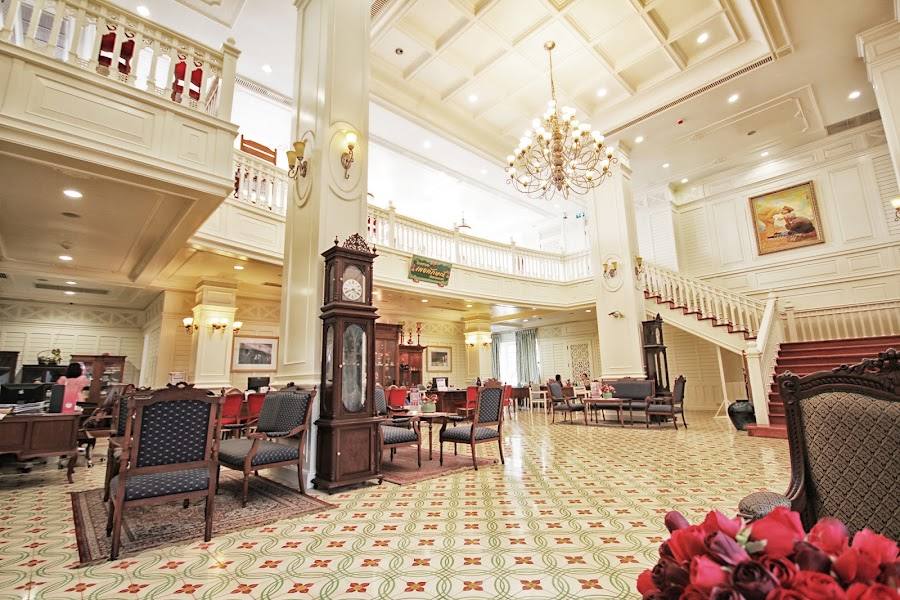 Lelux HospitalNonthaburi (Bangkok metropolitan area), Thailand
 Antalya Yaşam Hospital (Antalya Private Life Hospital)Antalya (Şirinyalı, Muratpaşa), Turkey
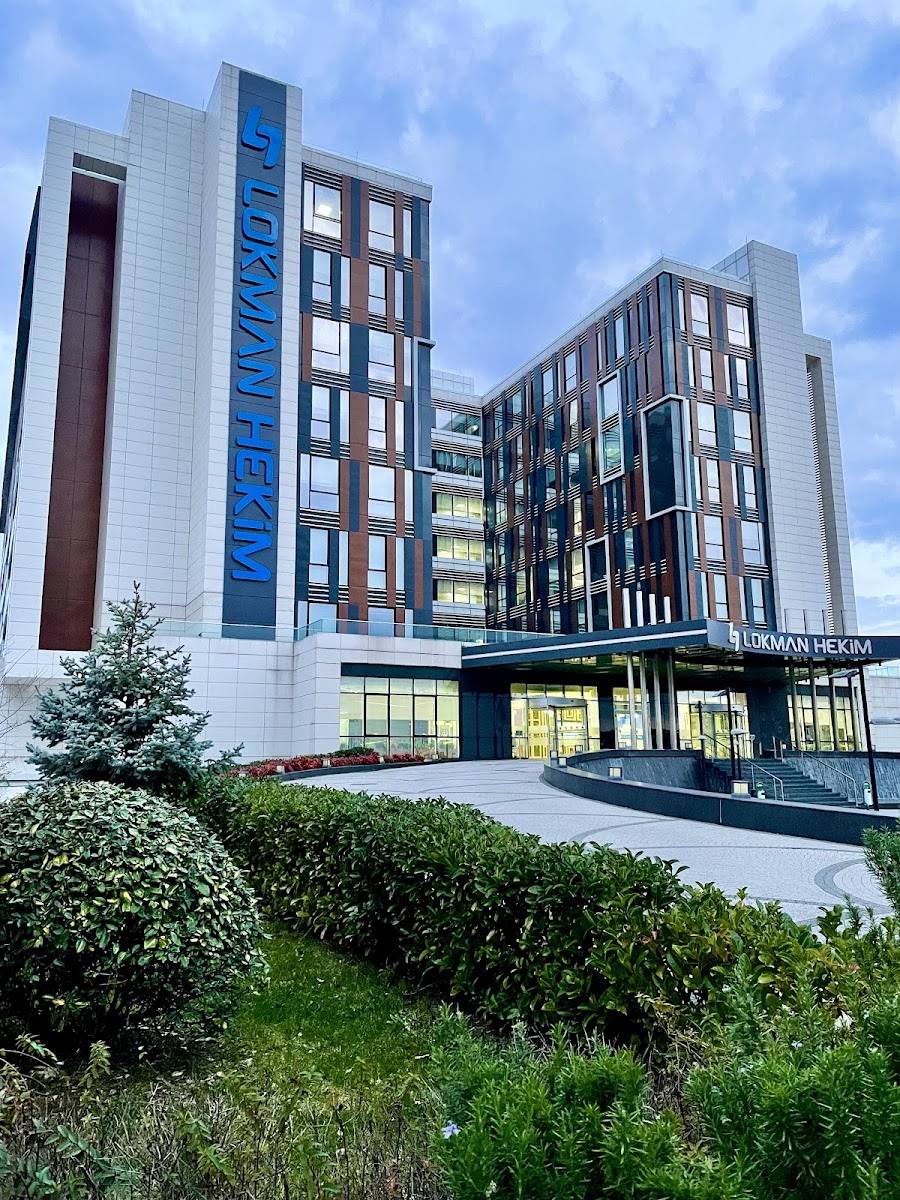 Lokman Hekim İstanbul HospitalIstanbul (Kurtköy, Pendik — Asian side), Turkey
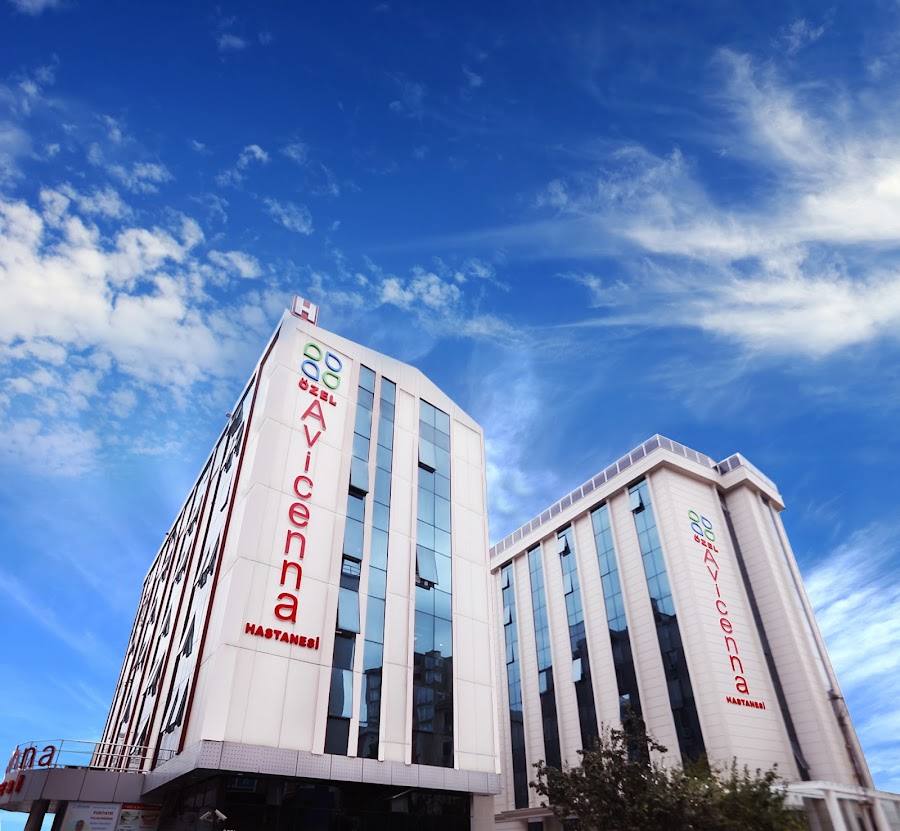 Avicenna Ataşehir Hospital (Avicenna International Hospital), IstanbulIstanbul (Küçükbakkalköy, Ataşehir — Asian side), Turkey
Written by Saher Shodhan
Saher Shodhan is the founder of Thera Travel, which publishes what the official records show about clinics abroad, each fact with the date it was checked, and answers patients' enquiries, free. More about Thera → How we write and check our guides →
Related posts
Facelift Abroad: 2026 Cost Guide
Best Country for Plastic Surgery (2026 Comparison)