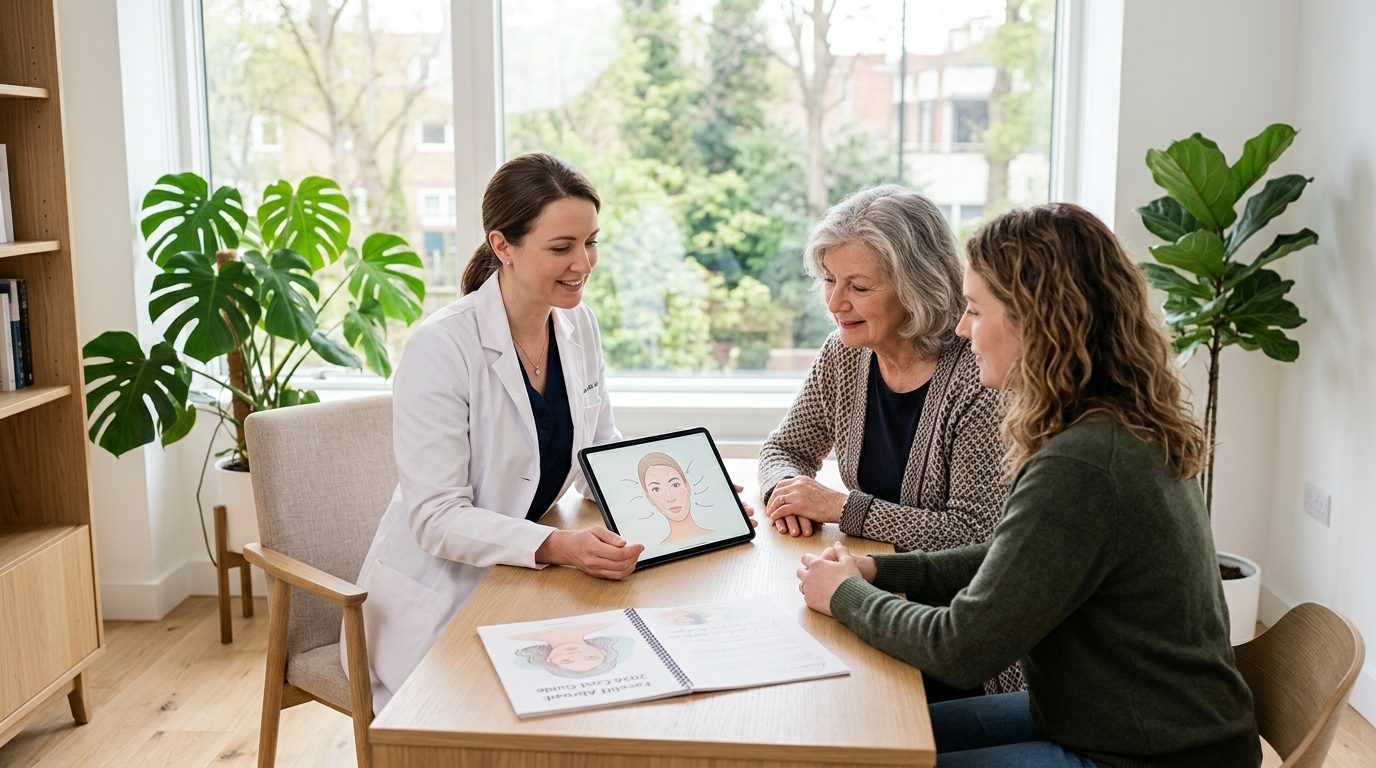

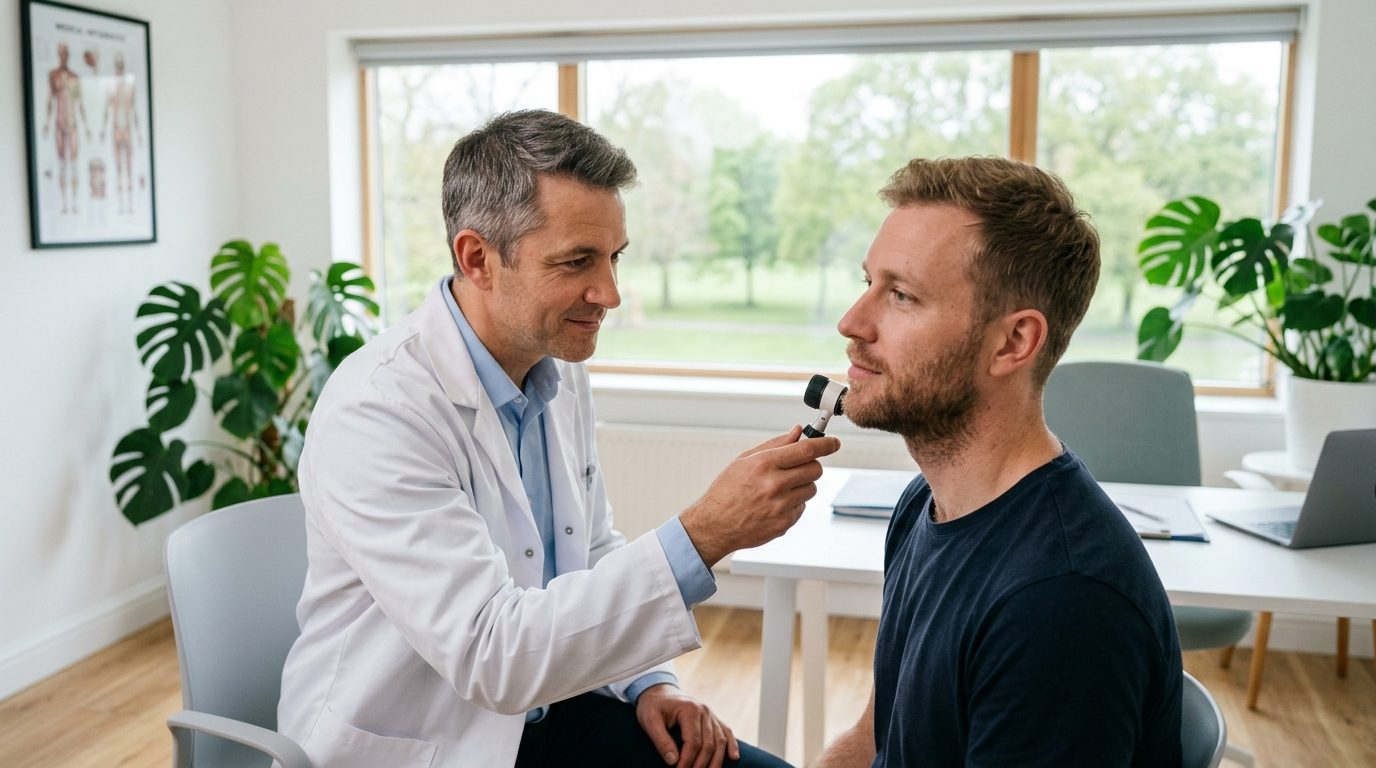
A beard transplant abroad costs £1,500–£3,000 in Turkey, against £4,000–£9,000 in the UK. This guide breaks down real 2026 prices by graft count, explains how the FUE procedure moves hair from your scalp to your face, and covers recovery, permanence and how to vet a clinic.
How much does a beard transplant cost abroad?
A beard transplant uses the same follicular unit extraction (FUE) method as a scalp transplant, so it follows the same pricing logic: you pay by the graft, and the country sets the base rate. Turkey is where most UK patients go, and a full procedure there costs a fraction of the UK private price.
| Coverage goal | Typical grafts | Turkey cost | UK private | Typical saving |
|---|---|---|---|---|
| Scar or gap filling | 300–800 | £1,500–£1,900 | £3,000–£5,000 | 50–65% |
| Patchy beard / cheeks | 800–1,800 | £1,700–£2,400 | £4,500–£8,000 | 60–70% |
| Full beard build | 1,800–3,000 | £2,300–£3,000 | £6,000–£9,000 | 60–70% |
Already have a clinic in mind? See what the official records say about it →
Turkish clinics usually bundle the surgery with a hotel for two or three nights, airport transfers, medication and an aftercare kit. UK clinics price the procedure alone and charge more per graft, which is why the same work runs into four or five figures at home. For the country-by-country picture, see our hair transplant abroad cost guide and the Turkey-specific beard transplant costs.
Considering a particular clinic? See what the official records say about it, free →
Ask us about treatment abroad, free
Tell us what you're looking into. We send your enquiry to relevant, pre-vetted clinics, and up to 3 that can help contact you directly.
Thera is free for patients. No clinic can pay to change the prices we publish.
How a beard transplant works
The donor hair comes from the back and sides of your scalp, where growth is densest and most resistant to thinning. A surgeon extracts individual follicular units one at a time with FUE, then implants them into the beard area at the shallow angle and direction facial hair naturally grows. That angling is the skilled part. Scalp hair sits at a steeper angle than beard hair, so an operator who implants without adjusting for facial growth patterns leaves a result that looks planted rather than grown.
Because facial skin is softer and more mobile than the scalp, precise placement matters more than raw graft numbers. This is one procedure where the surgeon's eye counts for as much as the technology.
How many grafts you need
Graft count is the single biggest cost driver, and beard cases span a wide range depending on what you are trying to achieve.
- Filling a small scar or gap needs 300–800 grafts. Common after acne scarring, surgery or a childhood injury.
- Thickening a patchy or uneven beard needs 800–1,800 grafts, often concentrated on the cheeks where growth is naturally sparser.
- Building a full beard from very little growth needs 1,800–3,000 grafts and sometimes more.
A surgeon confirms your real number from your face and your scalp donor density, not from a photo. Be wary of any clinic that quotes a graft count before assessing you. Our guide to how graft count sets the price explains how the estimate is made.
Why the UK costs more
The gap is cost base, not surgical quality graft-for-graft. A UK clinic pays UK rent, salaries and insurance, and treats fewer patients per week than a high-volume Istanbul clinic. Turkish clinics also price per session rather than per graft, so a larger case does not scale up in cost the way a UK quote does.
That volume model is also the risk. The same market that produces excellent surgeon-led clinics produces high-pressure operations where an unqualified technician performs the surgery. The International Society of Hair Restoration Surgery (ISHRS) warns specifically about technician-run clinics where a non-doctor carries out the procedure. Price alone will not tell you which type you are dealing with, which is why the vetting matters more here than the discount does.
Recovery and results
Beard transplant recovery is quicker to hide than a scalp procedure because a face mask or simply staying home for a few days covers it.
- Days 1–3: small crusts form around each implanted graft. You avoid touching, washing hard or shaving.
- Week 1–2: the crusts fall away and the transplanted hairs shed. This is normal and expected, not a failed graft.
- Month 3–4: new growth begins from the transplanted follicles.
- Month 12–15: the full result settles, at which point you can trim, shape and shave the new beard like the rest.
You can usually fly home three to four nights after the procedure. Most beard cases are a single trip.
Is a beard transplant permanent?
Yes. Because the donor follicles are taken from the permanent zone at the back and sides of the scalp, they keep their original genetic resistance to thinning once transplanted. The new beard hair grows, and needs trimming, like natural facial hair for the rest of your life. It will, however, take on scalp-hair characteristics in growth rate and sometimes texture, which a good surgeon accounts for when planning density.
A transplant does not stop any separate scalp hair loss you may have, and it does not create donor hair from nothing. If your scalp donor area is limited, the surgeon may cap how many grafts they can safely take without thinning the donor site.
Is it safe to get a beard transplant abroad?
It can be, at a properly run clinic. The failures that make headlines share a pattern: an unqualified operator, an overharvested donor area, or grafts implanted at the wrong angle that never look natural. Your protection is documentation and vetting, not the price you pay.
Confirm a qualified surgeon leads and performs the procedure, get the technique and graft count in writing, and agree an aftercare plan before you pay. The NHS will not fund correction of a cosmetic procedure done privately abroad, so the checks you do beforehand are the whole safety net. In the UK the Advertising Standards Authority restricts how cosmetic procedures can be marketed, so treat pressure-selling and same-day discounts from any clinic as a warning sign. Our hair transplant safety guide and the Turkey medical tourism guide cover the full checklist.
Frequently Asked Questions
How much does a beard transplant cost abroad in 2026?
Most UK patients pay £1,500–£3,000 in Turkey depending on graft count, against £4,000–£9,000 privately in the UK. A scar or gap fill sits at the lower end around £1,500–£1,900, while a full beard build of 1,800–3,000 grafts runs £2,300–£3,000, usually with hotel and transfers included.
How many grafts does a beard transplant need?
Filling a scar or small gap needs 300–800 grafts, a patchy beard 800–1,800, and a full beard build 1,800–3,000 or more. Only a surgeon can confirm your number by assessing your face and your scalp donor density in person or on a proper video consultation.
Is a beard transplant permanent?
Yes. The donor follicles come from the permanent zone at the back and sides of the scalp, so they keep their resistance to thinning once transplanted. The new beard grows for life and can be trimmed and shaved normally after the result settles at around 12–15 months.
When can I shave after a beard transplant?
Most surgeons advise waiting until the transplanted hairs have shed and regrown, usually keeping to scissors only for the first few weeks and avoiding a razor for around a month. Follow your own clinic's written aftercare plan, as timings vary with the technique used.
Will the NHS fix a beard transplant that goes wrong?
No. The NHS does not fund correction of cosmetic procedures done privately abroad. This is why a written aftercare plan and thorough clinic vetting before you book are essential, and why we recommend reading the safety guide before committing to any clinic.
Does a beard transplant leave scars?
FUE extracts follicles individually, leaving tiny dot marks in the scalp donor area that fade and are hidden by surrounding hair. The face itself is not cut. A skilled surgeon places grafts so the result blends with your existing growth rather than looking planted.
Written by Saher Shodhan
Saher Shodhan is the founder of Thera Travel, which publishes what the official records show about clinics abroad, each fact with the date it was checked, and answers patients' enquiries, free. More about Thera → How we write and check our guides →
Related posts
Cross Border Directive: how to get the HSE to refund treatment abroad
Hip and knee replacement abroad from Ireland: costs, waits and HSE refunds