

Receding Hairline
Treatment Options & Costs (2026)
Home › Guides › Receding Hairline: Treatment Options & Costs (2026)

A receding hairline can be held with medication, hidden with concealers, or restored for good with a transplant costing £1,490–£2,450 in Turkey against £5,000–£12,000 in the UK. This guide covers the Norwood stages, what each option does, and when surgery is worth it.
What a receding hairline actually is
A receding hairline is the first visible stage of male-pattern hair loss, usually starting at the temples and creeping back to form an M-shape. It is driven by dihydrotestosterone (DHT), a hormone that gradually shrinks genetically sensitive follicles until they stop producing visible hair. It is progressive: left untreated, most cases keep advancing over years, though the pace varies a lot between people.
Clinicians describe the pattern using the Norwood scale, the standard classification for male-pattern baldness. Knowing roughly where you sit helps you judge which options make sense.
- Norwood 1–2: minimal recession at the temples, often just a maturing hairline rather than true loss.
- Norwood 3: clear temple recession and the first point at which many men seek treatment.
- Norwood 4–5: recession plus thinning at the crown, with a widening band of loss.
- Norwood 6–7: extensive loss leaving hair mainly at the back and sides.
The stage matters because medication tends to work best early, while a transplant needs enough stable donor hair at the back and sides to redistribute.
Ask us about a hair transplant abroad, free
Tell us what you're looking into. We send your enquiry to relevant, pre-vetted clinics, and up to 3 that can help contact you directly.
Thera is free for patients. No clinic can pay to change the prices we publish.
Non-surgical options: what they do
Two medicines are the mainstay of non-surgical treatment, and both are decisions for a doctor, not a website. We set out what they are; your GP or a dermatologist should assess whether either suits you.
Minoxidil (a topical solution or foam) and finasteride (a daily tablet) are the two treatments with the strongest evidence base for male-pattern loss. The NHS notes that neither is routinely available on the NHS for pattern baldness, so both are typically bought privately. They work by slowing loss and, in some cases, partially thickening existing hair. The key limitation: they maintain, they do not regrow a hairline that has already gone bald. Stop taking them and the benefit reverses over months.
Concealers, fibres and scalp micropigmentation (SMP) are cosmetic rather than biological. SMP tattoos tiny dots to mimic stubble or add density illusion; it disguises rather than restores. We compare these routes in our hair transplant vs medication vs hair systems breakdown.
Transplant vs medication: the cost picture
The honest comparison is not one-off versus one-off. Medication is a recurring cost for as long as you take it; a transplant is a larger single outlay that moves permanent, DHT-resistant follicles into the receding zone. Here are typical 2026 prices.
| Option | Upfront cost | Ongoing cost | What it does |
|---|---|---|---|
| Minoxidil / finasteride (private) | Low | £15–£45/month, indefinitely | Slows loss, may thicken existing hair |
| Scalp micropigmentation (UK) | £1,000–£3,000 | Top-ups every few years | Illusion of density, no real hair |
| Transplant (Turkey, 1,500–2,500 grafts) | £1,490–£1,900 | Optional meds | Permanently moves resistant follicles |
| Transplant (UK private) | £4,000–£8,000 | Optional meds | Same, at UK cost base |
Already have a clinic in mind? See what the official records say about it →
A receding hairline is one of the more affordable cases to transplant because it usually needs 1,500–2,500 grafts rather than a full-scalp restoration. Our hair transplant abroad cost guide breaks the graft-count pricing down in full.
Considering a particular clinic? See what the official records say about it, free →
When a transplant makes sense
Surgery suits a receding hairline that has stabilised, or that medication has stabilised, in someone with healthy donor density at the back and sides. A transplant relocates follicles; it does not create new ones, so the donor area sets the ceiling on what is possible.
Timing is the common mistake. Transplant a hairline while loss behind it is still advancing and you can end up with an island of transplanted hair as the native hair around it thins, needing a second procedure later. This is why many surgeons ask younger patients to stabilise loss first, often with medication, before operating. The International Society of Hair Restoration Surgery (ISHRS) stresses that a qualified surgeon should assess candidacy rather than a sales coordinator quoting grafts from a photo.
Most UK patients who go this route travel, because the saving on even a modest case is meaningful. If you want the reassurance of EU regulation, our Turkey vs Europe comparison weighs the trade-off; if price leads, the hair transplant Turkey cost guide and the best country for a hair transplant guide lay out the choices.
Before you commit
Whichever route you consider, get a proper assessment first. Medication is a clinical decision for a doctor. Surgery abroad needs vetting: confirm a qualified surgeon performs the procedure, and read the hair transplant safety guide and our wider medical tourism in Turkey guide before booking. The NHS does not fund correction of a cosmetic transplant done privately abroad, so due diligence beforehand is your only safety net.
Frequently Asked Questions
Can a receding hairline grow back on its own?
No. Male-pattern recession is driven by DHT shrinking follicles and does not reverse without treatment. Medication such as minoxidil or finasteride can slow loss and sometimes thicken existing hair, but it will not regrow a hairline that has already gone bald. Only a transplant restores hair to a bald zone.
How much does it cost to fix a receding hairline?
A receding hairline usually needs 1,500–2,500 grafts, costing £1,490–£1,900 in Turkey or £4,000–£8,000 privately in the UK. Medication runs around £15–£45 a month indefinitely. Scalp micropigmentation costs £1,000–£3,000 but disguises rather than restores real hair.
Should I try medication before a transplant?
That is a decision for a GP or dermatologist, not a clinic selling surgery. Many surgeons prefer younger patients to stabilise loss first, because operating on a still-advancing hairline can leave transplanted hair stranded as native hair thins around it. An assessment should come before either route.
What Norwood stage needs a transplant?
There is no fixed cut-off. Many men seek treatment around Norwood 3, when temple recession becomes obvious. What matters more than the stage is whether loss has stabilised and whether donor density at the back and sides is enough to redistribute, which only a surgeon can confirm.
Is a transplant abroad safe for a hairline?
It can be at a properly run, surgeon-led clinic. The ISHRS warns specifically about clinics where unqualified technicians perform the surgery. Confirm who operates, get the graft count and technique in writing, and agree aftercare before paying. The NHS will not fund correction of a private cosmetic procedure done abroad.
Does a transplant stop further hair loss?
No. It moves DHT-resistant follicles into the receding area, and those tend to keep growing, but it does nothing for the native hair around them, which can still thin. Some patients stay on medication alongside a transplant to protect the surrounding hair, on medical advice.
Clinics UK patients look at
The four with the most Google reviews among the hair transplant clinics we hold. Each has a free page with its records.
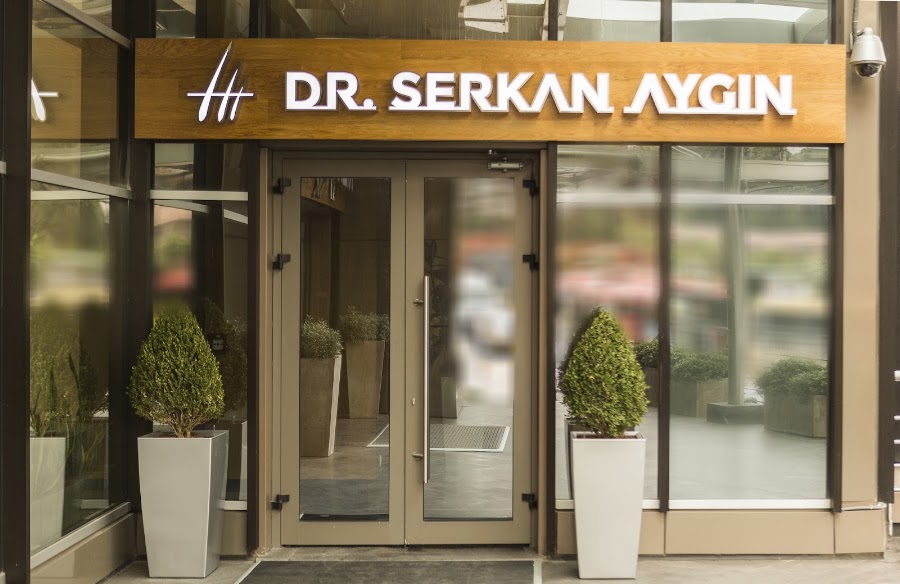 Dr. Serkan Aygin ClinicIstanbul (Şişli), Turkey
 Esteworld Altunizade Surgical ComplexIstanbul (Altunizade, Üsküdar — Asian side), Turkey
 estethica AtaşehirIstanbul (Küçükbakkalköy, Ataşehir — Asian side), Turkey
 Dr. Cinik Hair HospitalIstanbul (Beşiktaş), Turkey

Written by Saher Shodhan
Saher Shodhan is the founder of Thera Travel, which publishes what the official records show about clinics abroad, each fact with the date it was checked, and answers patients' enquiries, free. More about Thera → How we write and check our guides →
Related posts
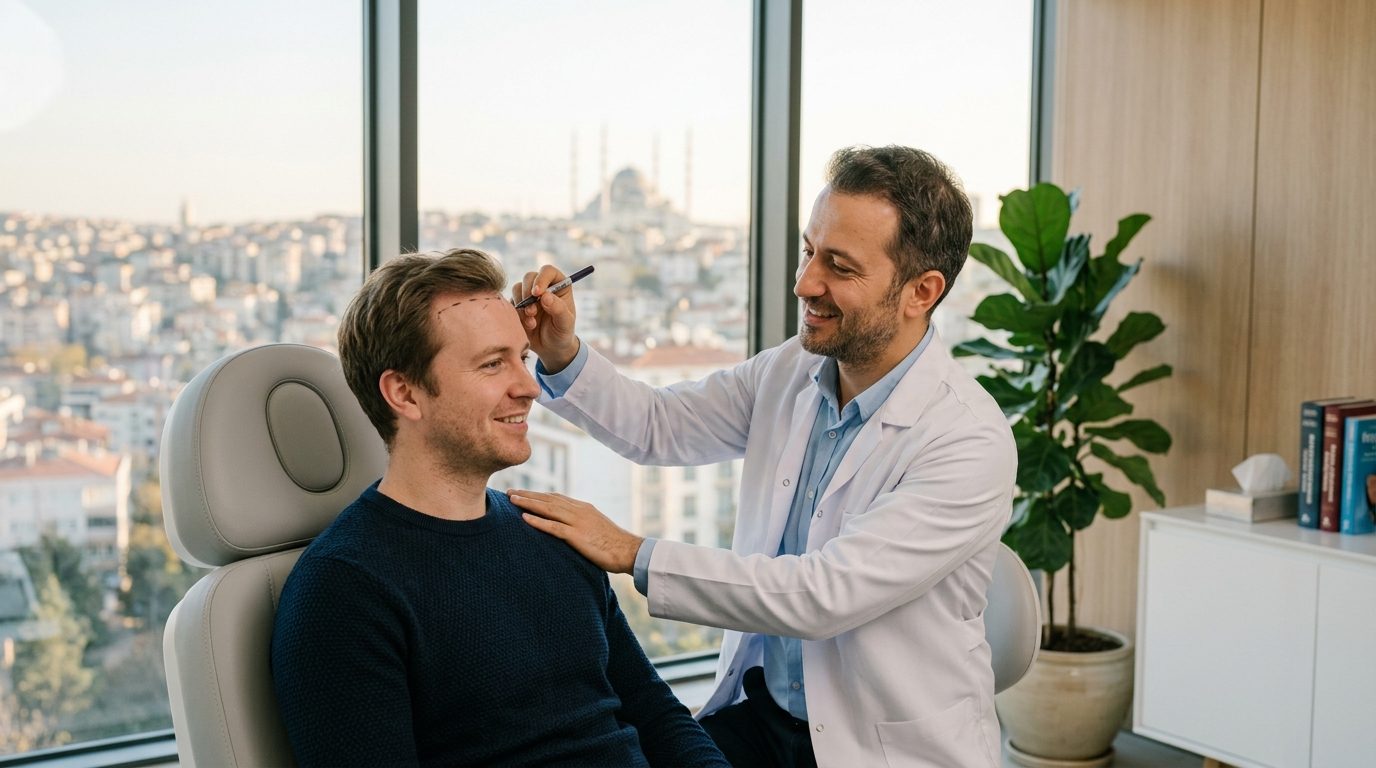
Hair transplant cost: UK vs Turkey (2026), from clinics' own prices
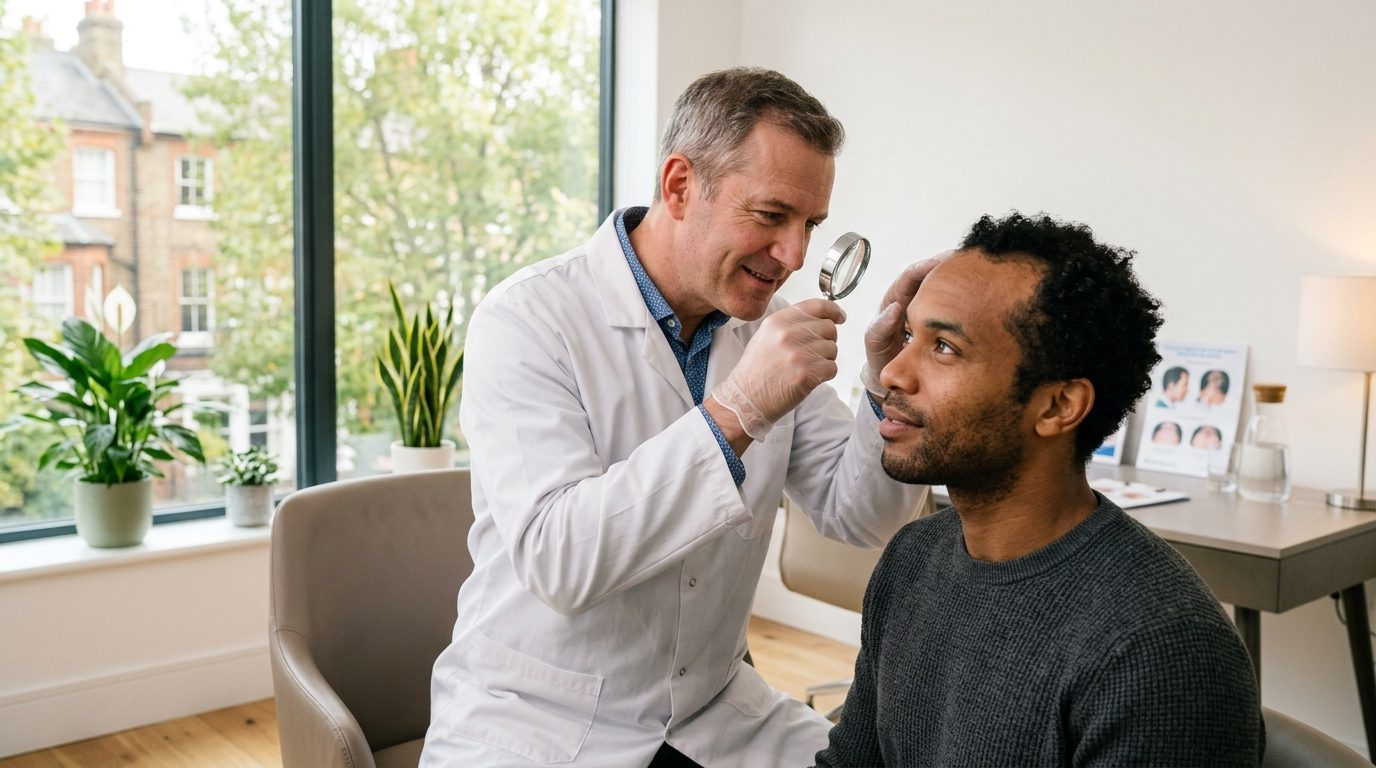
Cheapest hair transplant abroad (2026): clinics' published prices by country