
Knee Replacement Recovery Time And How to Heal Quicker
Home › Guides › Knee Replacement Recovery Time And How to Heal Quicker
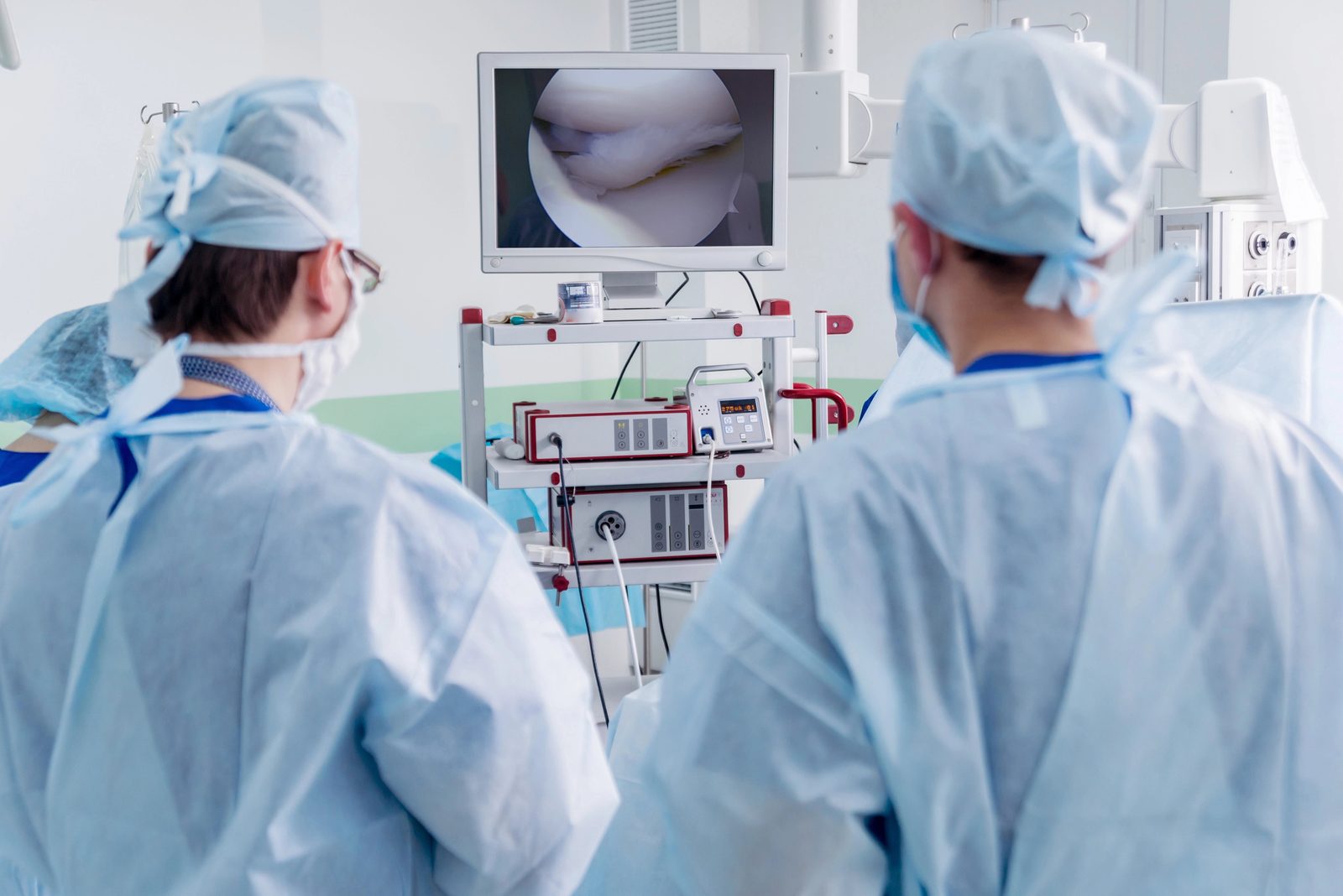
Knee replacement surgery (either total or partial) replaces damaged joint surfaces with high-quality prosthetics, designed to reduce pain and restore mobility. While recovery varies by individual, many people begin walking within weeks and return to full activity within months. This post helps you understand the timeline, how to recover faster and what to check if you are considering knee surgery abroad.
How Long Does It Take To Recover from Knee Surgery?
Recovery from knee replacement surgery varies depending on your age, health, and whether you had a partial or total knee replacement. Generally:
- Most patients begin walking (with help) within 1–2 days
- Return to day-to-day activities happens within 6 to 12 weeks
- Full recovery, including rebuilding strength and flexibility can take 6 to 12 months
Here’s a quick breakdown:
- Knee arthroscopy: 2–6 weeks
- Partial knee replacement: Around 6 weeks
- Total knee replacement: 6–12 weeks for early recovery; up to 12 months for full recovery
The more closely you stick to your rehab plan, the smoother the journey usually is.
Ask us about an operation abroad, free
Tell us what you're looking into. We send your enquiry to relevant, pre-vetted clinics, and up to 3 that can help contact you directly.
Thera is free for patients. No clinic can pay to change the prices we publish.
Knee Surgery Recovery Timeline
Here’s a realistic week-by-week guide to help you understand what to expect:
Day 1–3:
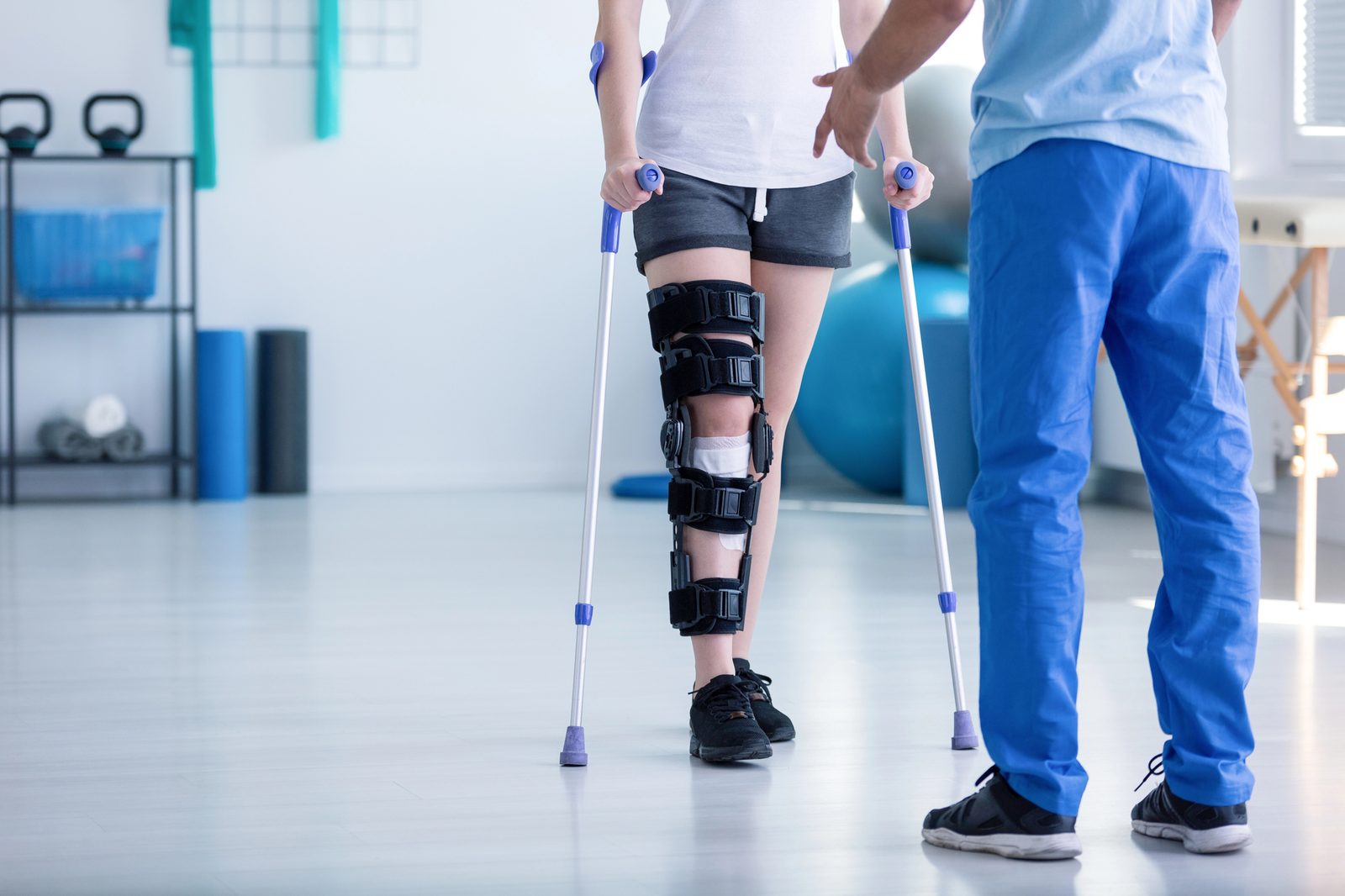
Begin walking short distances with a physiotherapist, using a walker or crutches. Pain and swelling are expected but manageable with medication.
Week 1–2:
Daily physiotherapy exercises begin. Swelling and bruising continue. Many patients go home with a recovery plan and wound care instructions.
Week 3–4:
You may progress to a cane. Most patients can shower, dress, and walk short distances independently. Pain usually starts to decrease.
Week 5–6:
Return to light tasks at home. Begin walking longer distances. May be cleared to drive. If you have a desk job, you could return to work.
Week 7–12:
Improved mobility, less swelling. Resume activities like walking, shopping, or swimming. Return to work possible for many.
Month 3–6:
Knee strength and flexibility continue to improve. Low-impact exercise and travel become easier.
Month 6–12:
Most patients return to full daily activities with minimal or no discomfort. You may still experience occasional stiffness or minor swelling.
How to Speed Up Recovery After Knee Replacement
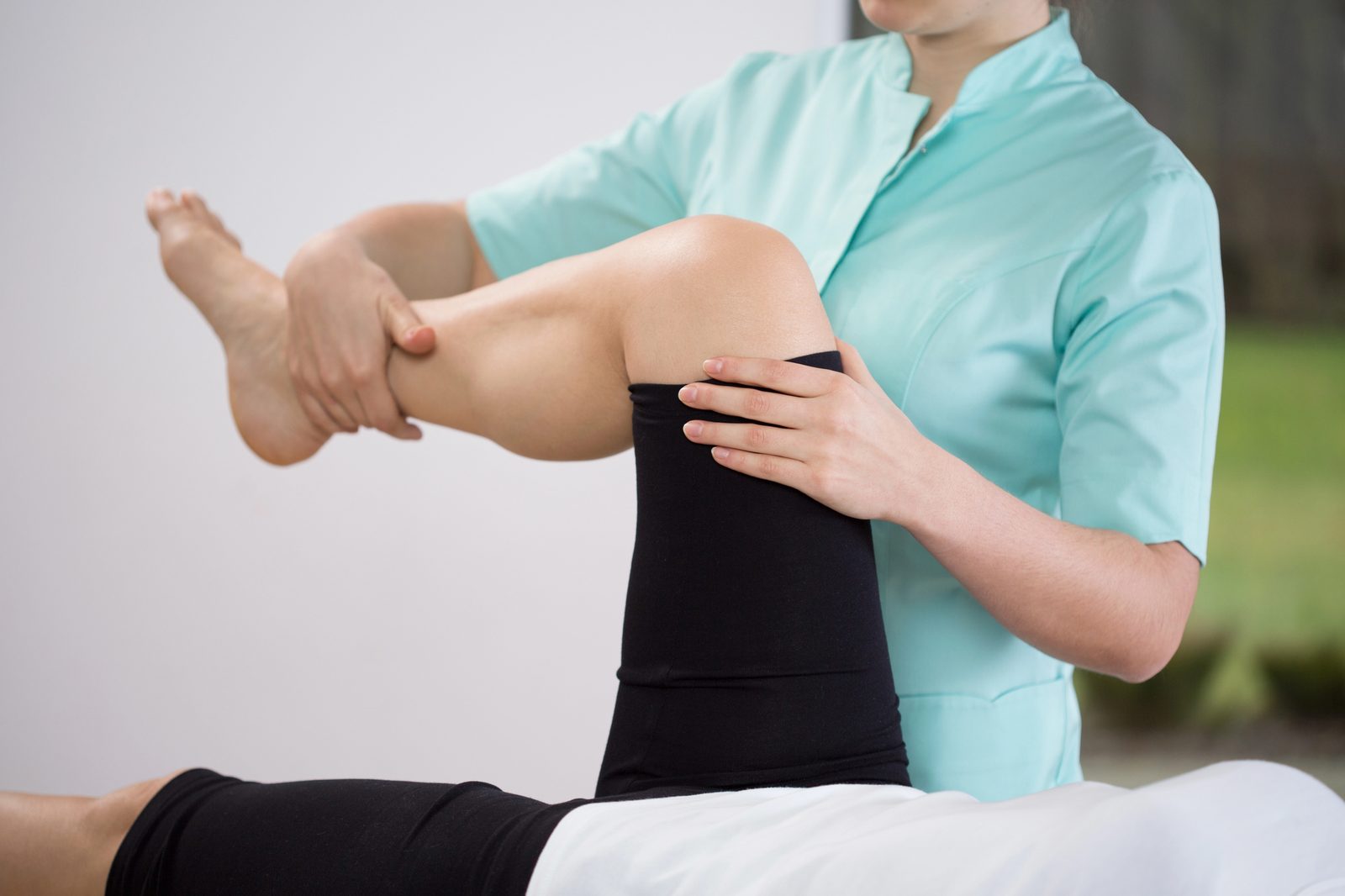
- Stick to your physiotherapy plan and do daily exercises
- Elevate your leg and use ice to reduce swelling
- Take short, frequent walks instead of staying stationary
- Include healing nutrients like protein and vitamin C in your diet
- Avoid overexertion and listen to your body’s signals
- Sleep with your leg slightly elevated to ease discomfort
Knee Surgery Aftercare
Here are examples of gentle, surgeon-approved exercises that aid recovery:
- Quad sets and heel slides in bed
- Seated leg raises and ankle pumps
- Standing marches and supported squats
- Stationary cycling (usually introduced after 4–6 weeks)
These knee replacement exercises aim to restore strength, mobility, and balance. Always follow the advice of your surgeon or physiotherapist
Will I Need To Take Time Off Work?
This depends on your job:
- Desk-based work: 6–8 weeks after surgery
- Physically demanding jobs: 10–12 weeks or longer
- If you work on your feet or operate machinery, your return will be delayed
Most surgeons advise a gradual return and may recommend a phased schedule.
Can I Drive After Knee Replacement Surgery?
Most patients resume driving after 4–6 weeks, once they can:
- Bend their knee comfortably
- React quickly in an emergency
- Are no longer taking strong pain medications
If you had surgery on your right knee, your return to driving may be slightly delayed. Check with your surgeon and insurer first.
What Should I Avoid After Knee Replacement?
To avoid setbacks and support long-term success, try to avoid:
- High-impact sports (running, jumping, skiing)
- Kneeling for long periods, it may remain uncomfortable even after recovery
- Lifting heavy objects early on
- Twisting or pivoting sharply on your new knee
- Crossing your legs during the first 6 weeks
- Sitting or lying down for long stretches without moving
Avoiding these habits helps protect your joint and prolong the life of your implant.
Considering Knee Surgery Abroad?
NHS waitlists can be over a year, and private knee surgery in the UK can cost £12,000 to £16,000. That’s why some people look at knee replacement surgery abroad, where typical starting prices include:
- Poland (from £4,000)
- Lithuania (from £5,800)
- Turkey (from £6,000)
Before you book anywhere, check the clinic:
- Find its entry on its country's official register, under the legal name on the quote
- Get your surgeon's name in writing and check them on their professional register
- Read the reviews, including the low-rated ones, and check the Google listing is the actual hospital
- Get the quote itemised in writing, including physiotherapy, and what is not included
- Ask what happens if something goes wrong once you are home
Thera Travel never recommends a clinic. If you have a clinic in mind, you can see what the official records say about it, free.
Clinics UK patients look at
The four with the most Google reviews among the orthopaedic clinics we hold. Each has a free page with its records.
 Apollo Hospitals, Greams Road, ChennaiChennai, India
 KIMS-Sunshine Hospitals, BegumpetHyderabad (Begumpet), India
 Yashoda Hospitals, SomajigudaHyderabad (Somajiguda, Raj Bhavan Road), India
 Yashoda Hospitals, MalakpetHyderabad (Malakpet, Nalgonda X Roads), India

Written by Saher Shodhan
Saher Shodhan is the founder of Thera Travel, which publishes what the official records show about clinics abroad, each fact with the date it was checked, and answers patients' enquiries, free. More about Thera → How we write and check our guides →
Related posts

NHS knee replacement waiting time (2026): the latest figure and your options

Travelling After Knee Surgery: Everything You Need To Know