

Hair Transplant Recovery Timeline
Day by Day (2026)
Home › Guides › Hair Transplant Recovery Timeline: Day by Day (2026)

Hair transplant recovery runs on a predictable schedule: scabs clear in 7–14 days, most are back at a desk within 3–5 days, and exercise resumes around week 4. This day-by-day guide covers what is normal after a £1,490–£3,400 procedure and when a symptom means calling your clinic.
What recovery actually involves
Recovery from a hair transplant is not about the transplanted hair growing — that comes much later. It is about two wounds healing: the donor area at the back and sides where grafts were taken, and the recipient area where they were placed. Both are shallow, and both heal within a couple of weeks. The visible drama of the first fortnight is scabbing and redness, not pain.
Almost every UK patient travels to Turkey for the procedure, so most of this healing happens back home rather than at the clinic. That makes knowing the timeline your responsibility, which is the whole reason to read it before you book. Our hair transplant abroad cost guide covers the money side; this page covers the fortnight after.
Ask us about a hair transplant abroad, free
Tell us what you're looking into. We send your enquiry to relevant, pre-vetted clinics, and up to 3 that can help contact you directly.
Thera is free for patients. No clinic can pay to change the prices we publish.
Day-by-day recovery table
Here is the typical course for a standard FUE case. Larger cases and DHI can shift the timings by a day or two.
| Stage | Timing | What happens | Back to normal? |
|---|---|---|---|
| Surgery day | Day 0 | Grafts placed; head bandaged at donor; some oozing | Rest only |
| Early healing | Days 1–3 | First wash at clinic; swelling may reach forehead | Light activity |
| Scab formation | Days 3–7 | Small crusts form around each graft; itching starts | Desk work fine |
| Scab shedding | Days 7–14 | Scabs flake away with gentle washing; redness fades | Most activity |
| Settling | Weeks 2–4 | Recipient area pinkish; donor nearly healed | Gym returns wk 4 |
| Shedding phase | Weeks 3–8 | Transplanted hairs fall out — this is normal | Fully back |
Already have a clinic in mind? See what the official records say about it →
Do not panic at the last row. The transplanted hairs shedding is expected and does not mean the graft failed. The follicle stays; only the visible hair sheds before regrowing. We explain what comes next in the month-by-month results timeline.
Considering a particular clinic? See what the official records say about it, free →
The first 72 hours
The first three days are the only stretch where you genuinely need to take it easy. Your surgeon will place the grafts over one long day, and you fly out or rest overnight. Sleeping propped up at roughly 45 degrees for the first few nights limits swelling — a travel pillow helps.
Swelling is the surprise most people are not warned about. It often appears on the forehead around days two to four, sometimes reaching the eyes, then drains away within a few days. It looks alarming and means nothing is wrong. The first wash usually happens at the clinic on day one or two, and how you wash for the next fortnight matters more than almost anything else you do.
Scabbing and the itch
From roughly day three, tiny scabs form around each transplanted follicle. They itch. Scratching or picking them off early can dislodge a graft, so the rule is gentle washing only — pouring lukewarm water and applying a foam or lotion your clinic supplies, never rubbing. By days 10 to 14 the scabs soften and flake away on their own during washing, and the scalp looks close to normal apart from some pinkness.
If scabs are still firmly stuck at two weeks, message your clinic before doing anything. This is exactly the kind of question a good clinic answers quickly, which is why an aftercare plan in writing is part of the hair transplant safety checklist — the NHS will not fund correction of a cosmetic procedure done privately abroad, so your clinic is your first and main support.
When you can go back to work and exercise
Most desk workers return three to five days after surgery, once swelling has settled and a cap can be worn discreetly if wanted (loose caps only, and not until your clinic clears it). Manual or dusty jobs need longer — usually a week to ten days — to protect the healing grafts from sweat and knocks.
Exercise follows a slower path because sweating and raised blood pressure both stress fresh grafts.
- Light walking: from a few days in.
- Gentle cardio: around two weeks.
- Full gym, running and heavy lifting: week four.
- Swimming (chlorine and salt water): four weeks or when your clinic confirms.
- Contact sports: six weeks or later.
What is normal versus what is not
Redness, itching, numbness at the donor area, forehead swelling and the transplanted hair shedding are all normal and resolve on their own. None needs treatment.
Warning signs do exist, and they are worth knowing. Spreading redness with heat, pus, a fever, or pain that worsens rather than eases after day three can signal infection and warrants contacting your clinic and, if needed, a UK GP promptly. Infection after a properly run transplant is uncommon, but the International Society of Hair Restoration Surgery (ISHRS) notes that poor technique and unhygienic conditions at technician-run clinics raise the risk — another reason vetting matters more than price. If you are weighing cheaper options, read our cheapest hair transplant abroad guide alongside the safety pillar, not instead of it.
Recovery abroad: the travel angle
Because the procedure is a single trip of three to four nights, you will fly home mid-recovery, usually a day or two after surgery once the first wash is done. Flying itself is fine at that stage — the grafts are secure — but avoid knocking your head on overhead lockers and skip alcohol on the flight, as it thins the blood. Turkey is the most common destination for the reasons set out in our medical tourism in Turkey guide, and reputable clinics send you home with a written wash routine and a point of contact for questions.
Frequently Asked Questions
How long does a hair transplant take to heal?
The visible wounds heal in about two weeks. Scabs form by day three, flake away by days 10–14, and redness fades over three to four weeks. Full recovery of sensation at the donor area can take a few months, but you look normal and can exercise again by around week four.
When can I go back to work after a hair transplant?
Most desk-based workers return three to five days after surgery, once swelling settles. Manual, dusty or physically demanding jobs need a week to ten days to protect the grafts from sweat, dust and accidental knocks. Ask your clinic to confirm based on your specific case.
Is it normal for transplanted hair to fall out?
Yes. Transplanted hairs shed between weeks three and eight — this is expected "shock loss" and does not mean the graft failed. The follicle remains under the skin and regrows. New growth begins around month three or four, with fuller results by 12–18 months.
When can I exercise after a hair transplant?
Light walking within a few days, gentle cardio around two weeks, and full gym or running from week four. Sweat and raised blood pressure stress fresh grafts early on, so building back gradually protects your result. Swimming waits until four weeks or when your clinic clears it.
How do I wash my hair after a transplant?
Gently, exactly as your clinic instructs. For the first fortnight that means pouring lukewarm water and applying a supplied foam or lotion without rubbing or scratching. Scabs should be left to flake away on their own. Never pick them off, as that can dislodge a graft.
What are the warning signs after a hair transplant?
Spreading redness with heat, pus, fever, or pain that worsens after day three can signal infection and needs prompt contact with your clinic. Normal recovery involves itching, numbness, forehead swelling and shedding, none of which needs treatment. The ISHRS links higher infection risk to unregulated, technician-run clinics.
See also: hair transplant cost in the UK and Turkey.
Clinics UK patients look at
The four with the most Google reviews among the hair transplant clinics we hold. Each has a free page with its records.
 Dr. Serkan Aygin ClinicIstanbul (Şişli), Turkey
 Esteworld Altunizade Surgical ComplexIstanbul (Altunizade, Üsküdar — Asian side), Turkey
 estethica AtaşehirIstanbul (Küçükbakkalköy, Ataşehir — Asian side), Turkey
 Dr. Cinik Hair HospitalIstanbul (Beşiktaş), Turkey

Written by Saher Shodhan
Saher Shodhan is the founder of Thera Travel, which publishes what the official records show about clinics abroad, each fact with the date it was checked, and answers patients' enquiries, free. More about Thera → How we write and check our guides →
Related posts
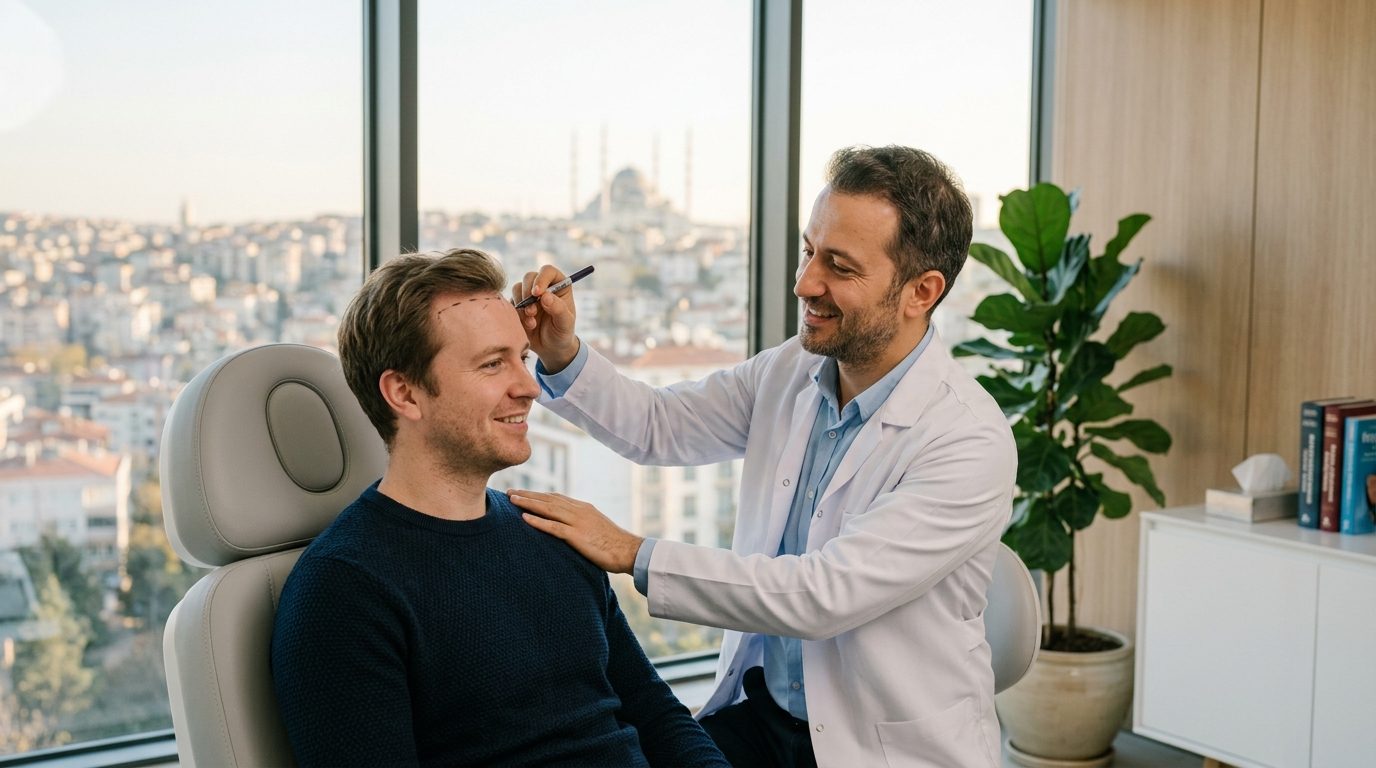
Hair transplant cost: UK vs Turkey (2026), from clinics' own prices
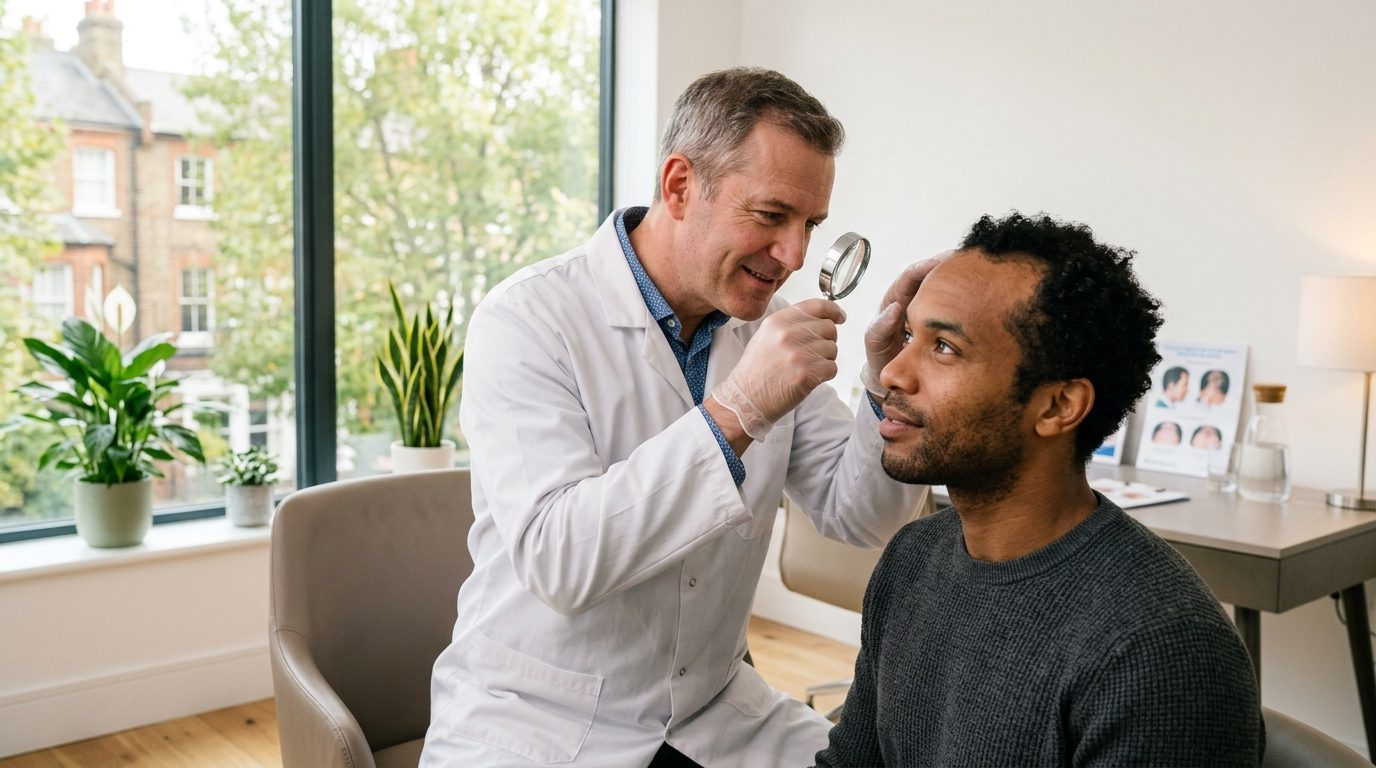
Cheapest hair transplant abroad (2026): clinics' published prices by country