


A hair transplant in Dubai costs £6,000–£10,000 for most cases, close to UK private prices and three to five times Turkey's price. This guide explains what the Dubai premium buys, how it compares on cost and regulation, and the type of patient it suits.
Dubai is the premium end, and priced like it
Most destinations in this cluster compete on price. Dubai does not. A 3,000-graft FUE procedure that costs £1,900–£2,450 in Turkey is typically £6,000–£10,000 in Dubai — level with, and sometimes above, a private UK clinic. If you came here expecting the usual medical-tourism discount, Dubai will surprise you.
| Grafts | Dubai | UK private | Turkey | Saving vs UK |
|---|---|---|---|---|
| 2,000 (FUE) | £5,000–£8,000 | £5,000–£8,000 | £1,490–£1,840 | 0–20% |
| 3,000 (FUE) | £6,000–£10,000 | £7,000–£12,000 | £1,900–£2,450 | 10–25% |
| 4,000+ (FUE) | £8,000–£13,000 | £10,000–£17,000 | £2,400–£3,400 | 15–30% |
Already have a clinic in mind? See what the official records say about it →
The saving against the UK is modest and inconsistent. Against Turkey there is no saving at all — you pay a large premium. So the case for Dubai is never "it's cheap." It is something else. Compare the maths with our hair transplant abroad cost guide and the Turkey cost breakdown.
Considering a particular clinic? See what the official records say about it, free →
Ask us about a hair transplant abroad, free
Tell us what you're looking into. We send your enquiry to relevant, pre-vetted clinics, and up to 3 that can help contact you directly.
Thera is free for patients. No clinic can pay to change the prices we publish.
What the premium actually buys
Dubai's pitch is polish and oversight, not discount. The emirate's healthcare is regulated by the Dubai Health Authority, which licenses clinics and practitioners and is generally regarded as stricter and more transparent than the wider region. Clinics court an affluent international clientele, so the experience — consultation, facilities, hotel standard, aftercare — is built to a high finish.
For hair transplants specifically, that framing matters because the biggest risk anywhere is technician-led surgery. The International Society of Hair Restoration Surgery warns about clinics where an unqualified operator, not a doctor, performs the procedure. A tightly licensed market where a named, credentialled surgeon does the work is worth more here than the marble lobby. Dubai clinics tend to lead on both — but confirm the surgeon, not the brochure.
The travel-and-lifestyle angle
Dubai's other draw is that plenty of Britons already go there. It is a familiar destination with direct flights of around seven hours, English spoken everywhere, and a recovery environment of high-end hotels. Patients who combine a transplant with a holiday, a stopover, or a work trip find the logistics easy in a way that a Turkey-only trip is not.
That said, hair-transplant recovery is not beach-friendly. The scalp is sensitive for the first week or two, direct sun and swimming are off-limits while grafts settle, and Dubai's heat is a genuine consideration rather than a perk. If you picture recuperating by a pool, temper it. The transplanted hair sheds within weeks, regrowth starts around month three or four, and the full result lands at 12–18 months regardless of where you had it done.
There is also the value question to sit with honestly. At £6,000–£10,000 you are paying UK-level money in a city where much of the premium goes on facilities and finish rather than the surgery itself. That is fine if a polished experience is what you want. But it is worth asking whether the same budget spent at a strong surgeon-led clinic elsewhere — with a holiday added separately — would leave you better off. For some patients the answer is still Dubai; for others the framing changes the decision entirely.
Dubai vs Turkey vs the UK, decided plainly
Three positions, three different buyers.
- Turkey is the value choice: 70–80% below the UK, the deepest experience and volume, but the widest quality spread, so vetting is on you. The Turkey medical tourism guide covers how to check a clinic there.
- The UK is the proximity choice: full domestic regulation and easy follow-up, at £7,000–£12,000 for a mid-size case.
- Dubai is the premium choice: UK-level pricing, strong regulation via the Dubai Health Authority, and a high-finish experience — for people to whom the saving was never the point.
If price is your driver, Dubai is the wrong list to be on — look at Turkey, or the EU-regulated middle ground of Poland and Hungary. If a polished, well-regulated experience in a familiar city matters more than the last few thousand pounds, Dubai earns its place.
Who Dubai genuinely suits
Be honest with yourself about which camp you are in. Dubai makes sense if you already travel there or have reason to be in the region; if you want tight regulation and a premium experience and can absorb UK-level cost; or if a large saving matters less to you than confidence and comfort. It suits higher-budget patients who would otherwise go private in the UK and quite reasonably ask, "for similar money, where would I rather have it done?"
It does not suit the patient chasing the biggest possible discount. For that person, the premium is money spent on finish rather than outcome, and the ISHRS's advice — check that a qualified surgeon performs the surgery — matters more than any postcode. Weigh Dubai against every alternative in our best country for a hair transplant comparison, and read the hair transplant safety guide before you commit anywhere.
Frequently Asked Questions
How much does a hair transplant cost in Dubai?
Typically £6,000–£10,000 for a mid-size 3,000-graft FUE procedure, rising to £8,000–£13,000 for large cases. That is roughly level with UK private prices and three to five times the £1,900–£2,450 the same graft count costs in Turkey. Dubai is a premium destination, not a discount one.
Why is Dubai so much more expensive than Turkey?
Higher operating costs, an affluent target market and premium facilities. Dubai clinics are not trying to undercut Turkey — they compete on regulation, finish and experience. The Dubai Health Authority oversees a tightly licensed market, and clinics price for a clientele that is not primarily saving-driven.
Is a hair transplant in Dubai safe?
Dubai's healthcare is regulated by the Dubai Health Authority, generally seen as strict and transparent, which supports quality. But no market removes the need to confirm a qualified surgeon performs your procedure, as the ISHRS advises. Vet the individual surgeon and clinic, not just the emirate's reputation.
Is it worth flying to Dubai for a hair transplant?
Mainly if you already travel there or value a premium, well-regulated experience over cost. The saving against the UK is small and there is none against Turkey. For patients chasing the biggest discount, Dubai is the wrong choice; for those prioritising oversight and comfort, it can be worth it.
How long is the trip and recovery?
Flights are around seven hours from the UK. The procedure is usually one long day, with a first wash before you fly home, so plan three to four nights minimum. Full results take 12–18 months. Avoid sun, heat and swimming while grafts settle, so a poolside recovery is not realistic.
Clinics UK patients look at
The four with the most Google reviews among the hair transplant clinics we hold. Each has a free page with its records.
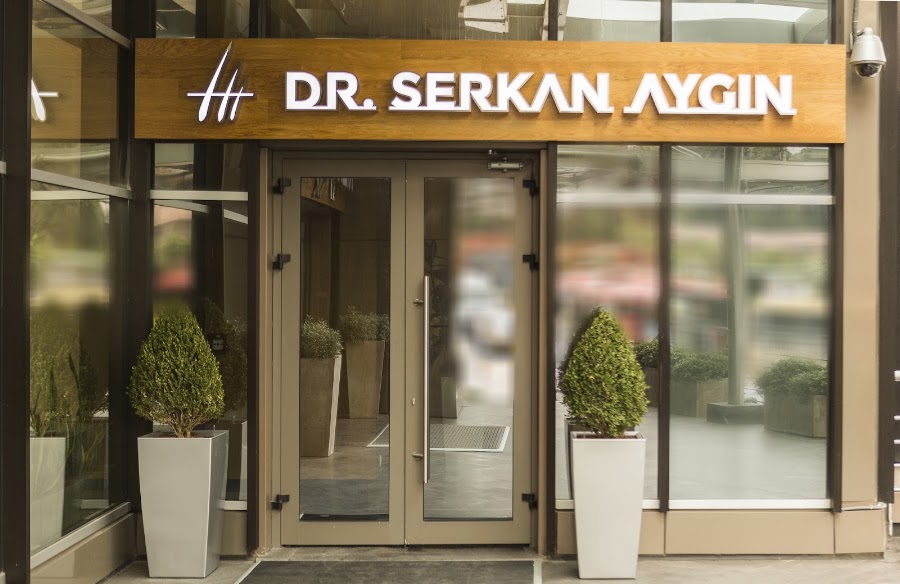 Dr. Serkan Aygin ClinicIstanbul (Şişli), Turkey
 Esteworld Altunizade Surgical ComplexIstanbul (Altunizade, Üsküdar — Asian side), Turkey
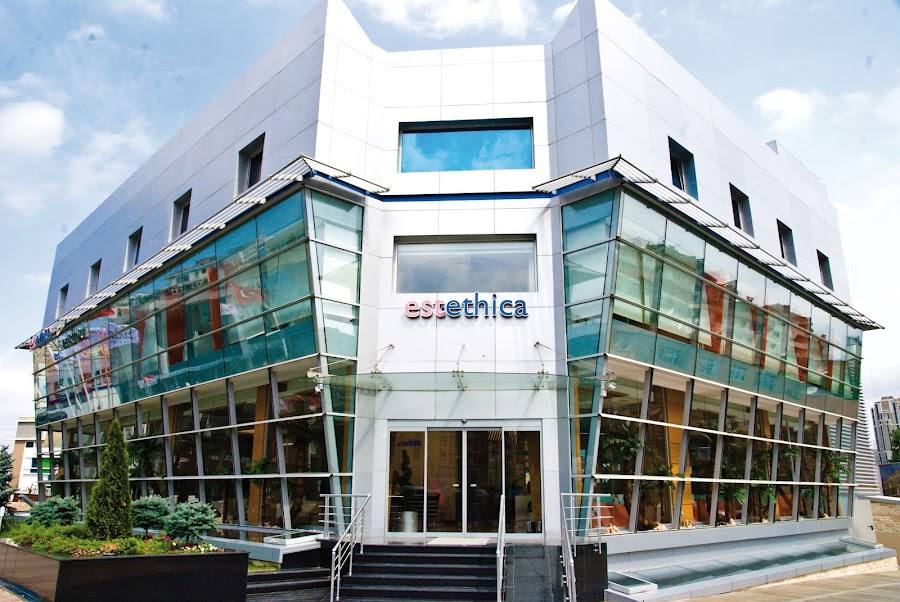 estethica AtaşehirIstanbul (Küçükbakkalköy, Ataşehir — Asian side), Turkey
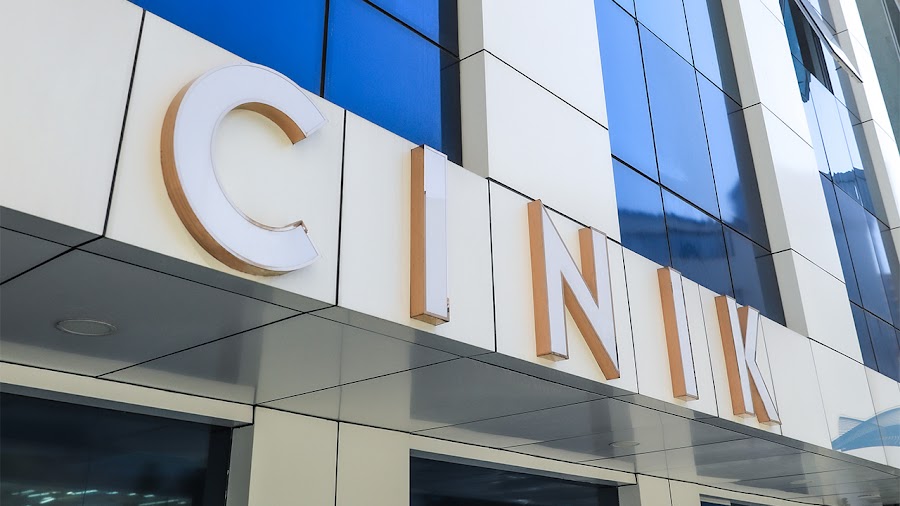 Dr. Cinik Hair HospitalIstanbul (Beşiktaş), Turkey
Written by Saher Shodhan
Saher Shodhan is the founder of Thera Travel, which publishes what the official records show about clinics abroad, each fact with the date it was checked, and answers patients' enquiries, free. More about Thera → How we write and check our guides →
Related posts
Hair transplant cost: UK vs Turkey (2026), from clinics' own prices
Cheapest hair transplant abroad (2026): clinics' published prices by country