

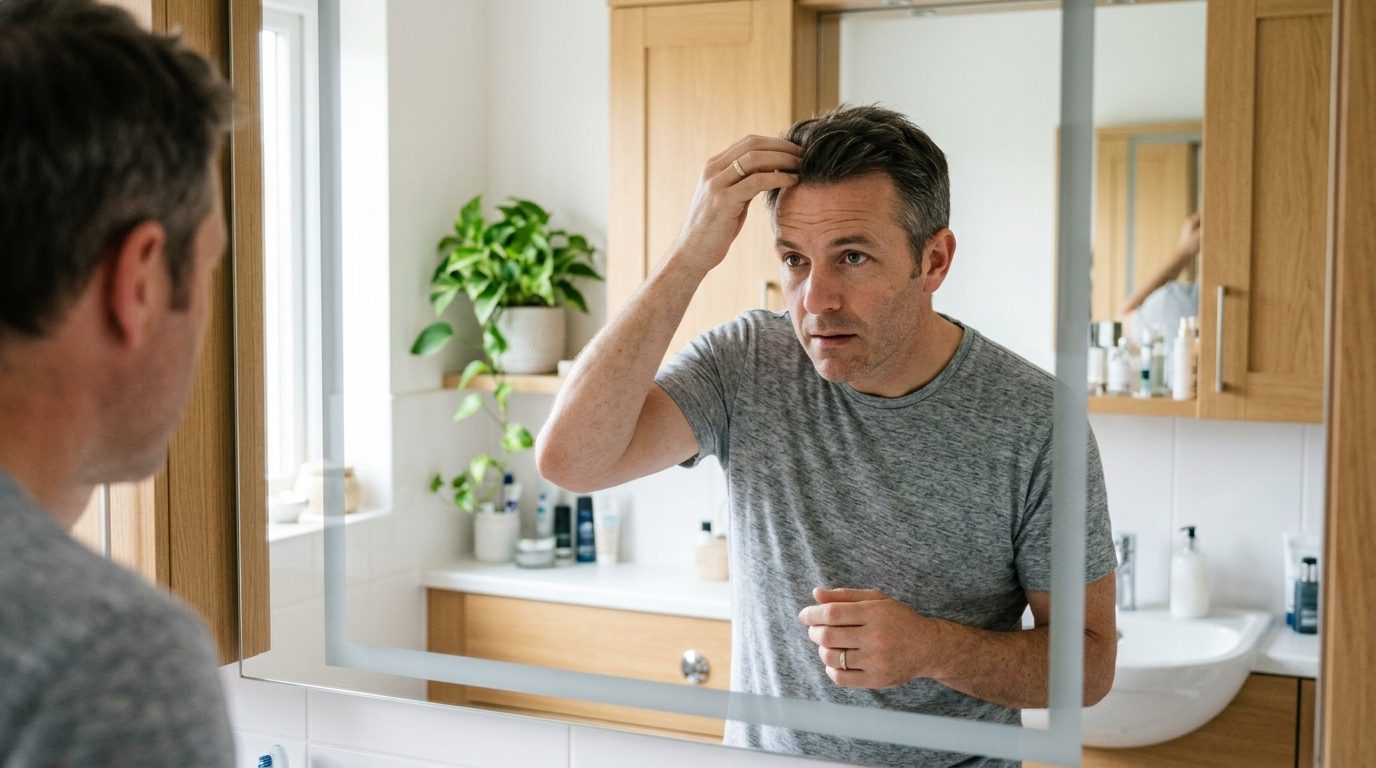
Transplanted hair is permanent because it comes from DHT-resistant donor follicles that keep growing for life. But the native hair around it can still thin, so a transplant lasts without being a cure. Here is what permanence really means, and whether you need medication alongside.
The short answer, and the honest caveat
Yes, a hair transplant lasts a lifetime, but only the transplanted hair does. The follicles taken from the back and sides of your head are genetically resistant to the hormone that causes male-pattern loss, so once relocated they behave the same way they did before: they keep growing. That is why a transplant is called permanent.
The caveat is the hair a transplant does not touch. Your original, non-transplanted hair around the graft site is not resistant, and it can carry on thinning with age. A transplant restores; it does not stop the underlying condition. Understanding that distinction is the difference between a happy result at ten years and a disappointing one.
Ask us about a hair transplant abroad, free
Tell us what you're looking into. We send your enquiry to relevant, pre-vetted clinics, and up to 3 that can help contact you directly.
Thera is free for patients. No clinic can pay to change the prices we publish.
Why donor hair resists loss: the DHT explanation
Male-pattern baldness is driven by dihydrotestosterone (DHT), a byproduct of testosterone that gradually shrinks sensitive follicles until they stop producing visible hair. Not every follicle is sensitive. The hair at the back and lower sides of the scalp, the "donor" zone, is largely DHT-resistant, which is why men who go bald on top usually keep a horseshoe of hair at the back.
The principle a transplant relies on is called donor dominance: a follicle keeps its own genetic characteristics when moved. Take a resistant follicle from the back of the head, place it at the hairline, and it stays resistant in its new home. This is well established in hair-restoration medicine and is why transplanted hair does not simply fall out again from the same process that caused the original loss.
So the permanence is real, and it is biological rather than a marketing claim. The transplanted follicles will shed once after surgery, then regrow from around month three or four, and continue for life.
What "lasts forever" does and doesn't cover
| What happens | Transplanted hair | Native (untouched) hair |
|---|---|---|
| DHT sensitivity | Resistant, keeps growing | Can still thin with age |
| Sheds after surgery | Yes, then regrows | N/A |
| Full result timeline | 12–18 months | Ongoing loss possible |
| Needs medication to keep | No | Sometimes, on advice |
Already have a clinic in mind? See what the official records say about it →
The table shows the real risk to a long-term result: not the grafts failing, but native hair thinning around them. Someone transplanted young with aggressive loss can, a decade on, have a healthy transplanted hairline with visible thinning behind it. That is not a failed transplant; it is untreated ongoing loss. Our hair transplant before and after guide sets out the realistic timeline for the grafts themselves.
Considering a particular clinic? See what the official records say about it, free →
Do you need medication alongside a transplant?
Often, yes, but it is a clinical decision for a doctor rather than a clinic upselling. Because a transplant does nothing for your native hair, some surgeons recommend medication such as finasteride or minoxidil to protect the surrounding hair from thinning further. The NHS notes these treatments are generally not available on the NHS for pattern baldness, so they are usually bought privately and taken indefinitely to keep any benefit.
The logic is straightforward. If native hair keeps thinning and you have only had the hairline transplanted, you may need a second procedure years later to fill the gap that appears. Medication can slow that, reducing the odds of a touch-up. Whether it suits you depends on your age, the pace of your loss and your health, which is why a GP or dermatologist should decide, not a graft quote.
Why a good result can still need a second procedure
A transplant lasting forever does not always mean one is enough. Two situations lead to a second procedure, and neither means the first failed.
The first is progressive native loss, as above: the transplant holds, but hair behind it thins and a later session fills the gap. The second is planning. Surgeons often stage large restorations, especially in younger patients, because donor hair is finite and it is safer to be conservative early than to overharvest the donor zone. The ISHRS warns against overharvesting, which can leave the donor area visibly thin.
This is why timing and honest planning matter more than the sticker price. A clinic that promises a permanent full head in one session regardless of your age and loss pattern is overselling. Read the hair transplant safety guide for how to spot that, and the hair transplant abroad cost guide for how graft count and staging affect cost.
Getting a lasting result from a clinic abroad
Most UK patients travel for the procedure, and permanence depends heavily on who does it. A qualified surgeon designs a hairline that will still look natural in twenty years, accounting for future native loss; an unqualified operator chasing volume may not. The ISHRS specifically warns about technician-run clinics where a doctor does not perform the surgery.
If EU regulation matters to you, our Turkey vs Europe comparison weighs it against cost, and the best country for a hair transplant guide covers the wider choice. Wherever you go, the wider medical tourism in Turkey guide explains the vetting that protects a lifetime result.
Frequently Asked Questions
Do hair transplants really last a lifetime?
The transplanted hair does, because it comes from DHT-resistant donor follicles that keep growing after they are moved, a principle called donor dominance. What a transplant does not do is stop your native, non-transplanted hair thinning with age, so the overall look can change even though the grafts themselves are permanent.
Will I go bald again after a transplant?
Not in the transplanted area, which is resistant to the hormone that causes pattern loss. But untreated native hair around the grafts can keep thinning, which is why some patients take medication alongside on medical advice, and why younger patients with aggressive loss may need a second procedure years later.
Do I have to take finasteride forever after a transplant?
That is a decision for a GP or dermatologist. Medication does not protect the grafts, which are already resistant; it protects your remaining native hair from thinning further. Any benefit reverses if you stop, so it is taken indefinitely. Whether it suits you depends on your age, loss pattern and health.
Why does a transplanted hairline sometimes look thin later?
Usually because native hair behind the transplanted zone has kept thinning, leaving the transplant looking isolated. The grafts have not failed. This is progressive loss the transplant was never going to stop, and it is why honest surgeons plan for future loss when designing the hairline.
Can a hair transplant fail?
Grafts can fail to take if aftercare is poor or the surgery is badly done, for example by an unqualified operator, which the ISHRS warns about. A well-performed transplant with good aftercare has a high survival rate. Most disappointment comes from ongoing native loss or unrealistic expectations rather than graft failure.
How long until the transplant looks final?
The transplanted hair sheds within weeks, regrows from around month three or four, and reaches its full, permanent result at 12 to 18 months. Any clinic promising visible density within weeks is misrepresenting how transplants heal.
See also: hair transplant cost in the UK and Turkey.
Clinics UK patients look at
The four with the most Google reviews among the hair transplant clinics we hold. Each has a free page with its records.
 Dr. Serkan Aygin ClinicIstanbul (Şişli), Turkey
 Esteworld Altunizade Surgical ComplexIstanbul (Altunizade, Üsküdar — Asian side), Turkey
 estethica AtaşehirIstanbul (Küçükbakkalköy, Ataşehir — Asian side), Turkey
 Dr. Cinik Hair HospitalIstanbul (Beşiktaş), Turkey

Written by Saher Shodhan
Saher Shodhan is the founder of Thera Travel, which publishes what the official records show about clinics abroad, each fact with the date it was checked, and answers patients' enquiries, free. More about Thera → How we write and check our guides →
Related posts
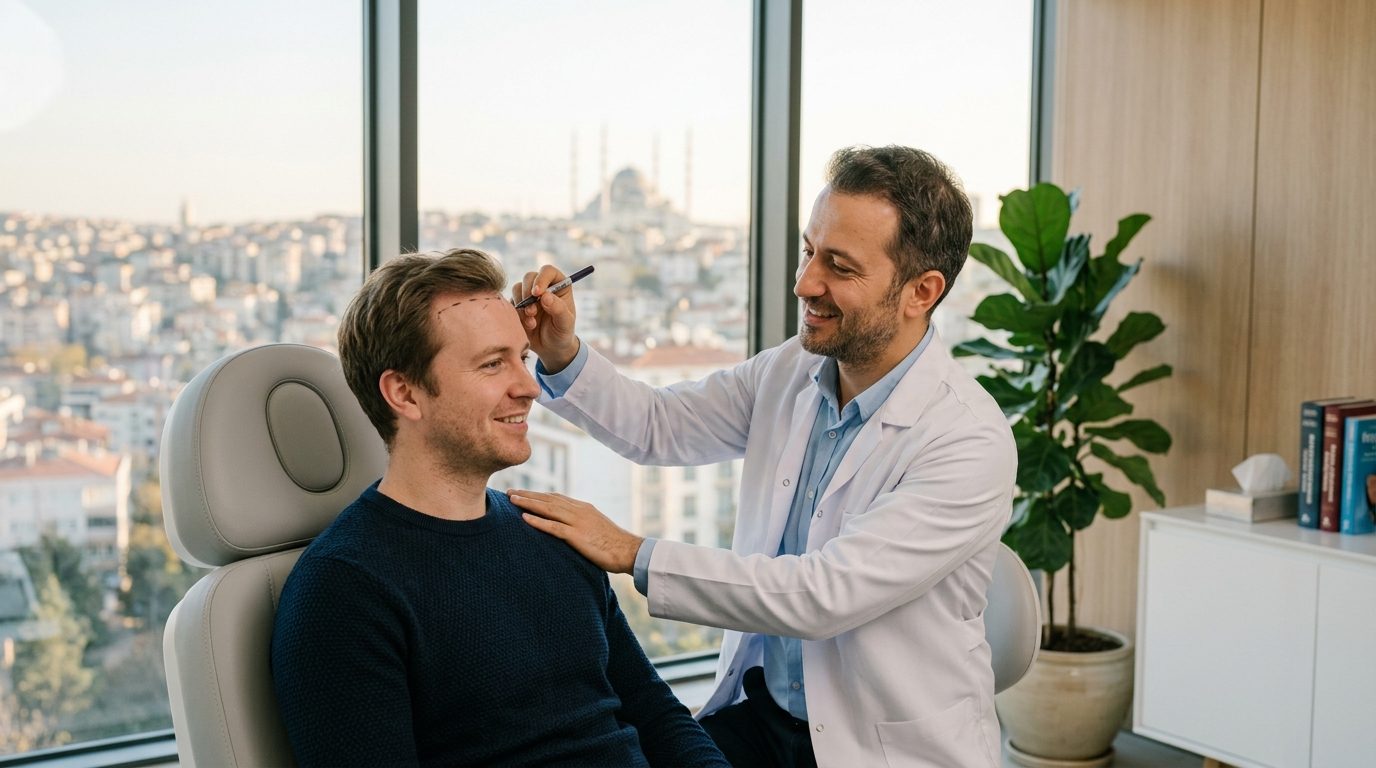
Hair transplant cost: UK vs Turkey (2026), from clinics' own prices

Cheapest hair transplant abroad (2026): clinics' published prices by country