

Ankle Replacement Cost in Poland
A 2026 Guide for UK Patients
Home › Guides › Ankle Replacement Cost in Poland: A 2026 Guide for UK Patients

Executive Summary
Total ankle replacement in Poland costs around £6,000 to £8,000 in a fixed-price package, compared to £14,000 to £18,000 at a UK private hospital. Ankle replacement is a specialist procedure done by relatively few UK surgeons, which contributes to long waits and high private fees. This page covers what's included in the Polish package, the difference between replacement and ankle fusion, and what to think about before deciding.
For a full overview of ankle replacement abroad — clinics, what's included, recovery timelines and how to book — see our Ankle Replacement Surgery Abroad guide.
Ankle replacement is the orthopaedic procedure where the gap between supply and demand is most painful. There are roughly 700 to 1,000 total ankle replacements done each year in the UK, performed by a small number of specialist foot and ankle surgeons. NHS waits in many ICBs run beyond two years, and private fees sit at a level that puts the procedure out of reach for a lot of people who'd otherwise be excellent candidates.
If you've been told to wait, or quoted £15,000 plus, this is the realistic alternative.
What ankle replacement costs in the UK and Poland
| UK Private (typical) | Poland (typical) | |
|---|---|---|
| Total ankle replacement | £14,000 – £18,000 | £6,000 – £8,000 |
| Ankle fusion (arthrodesis) | £9,000 – £13,000 | £4,500 – £6,500 |
| Revision ankle replacement | £18,000 – £24,000 | £8,500 – £11,000 |
Already have a clinic in mind? See what the official records say about it →
These are all-inclusive figures for the package. UK private quotes generally don't include pre-op imaging beyond what your consultant has already arranged, and they don't include the substantial post-op physiotherapy you'll need either way.
For a typical UK patient flying out to Poland for total ankle replacement, the all-in cost (procedure, flights, ten nights of accommodation including a companion) usually lands between £8,500 and £10,500. That's a saving of around £6,000 to £9,000 compared to the equivalent at a UK private hospital.
Ask us about an operation abroad, free
Tell us what you're looking into. We send your enquiry to relevant, pre-vetted clinics, and up to 3 that can help contact you directly.
Thera is free for patients. No clinic can pay to change the prices we publish.
Replacement or fusion — and why the choice matters
Two main surgical options for severe end-stage ankle arthritis:
Total ankle replacement. The damaged joint is replaced with a metal-and-plastic implant, similar in concept to a knee or hip replacement. You keep ankle motion. Modern implants (Stryker Inbone, Zimmer Trabecular Metal, Wright Medical Infinity) have fifteen to twenty year survivorship in the right patients. Best for older, lower-demand patients with arthritis affecting only the ankle joint itself.
Ankle fusion (arthrodesis). The two bones of the ankle are permanently joined together, eliminating motion at the joint. Sounds worse than it is — pain relief is excellent and most patients walk well, but with reduced motion you'll feel on uneven ground. Best for younger, higher-demand patients who'll outlive the wear life of an implant, or patients with more complex deformity.
There's a real clinical debate about which is right for which patient. A Polish foot and ankle surgeon will look at your imaging and history and recommend; if you've already had a UK consultant make a recommendation, the Polish surgeon will usually agree, but they'll explain their reasoning in writing.
Ankle replacement is the more expensive of the two because the implant itself is several thousand pounds. If your imaging suggests fusion is the right call, you'll save further.
What's in the Polish package
Total ankle replacement packages at Polish clinics typically include:
- Pre-op video consultation with the operating surgeon
- Pre-op imaging review (or fresh CT scan on arrival, often standard for ankle replacement)
- Blood tests and ECG
- The procedure itself, including the implant
- Anaesthetist (usually general anaesthetic with regional block for post-op pain control)
- Five to seven nights as an inpatient
- Cast or walking boot
- Crutches and initial physiotherapy
- Airport transfers
- English-speaking coordinator and post-op follow-up coordination
- Translated operative notes for your UK GP and physio
Plan separately for: flights (around £100 to £150 return), accommodation (around £40 to £60 a night for a serviced apartment, and you'll want a companion), UK physiotherapy after the procedure, and travel insurance covering planned surgery abroad.
What recovery actually looks like
Ankle replacement recovery is longer than knee or hip, because the joint sees a lot of load every time you walk. Realistic milestones:
- Days 1 to 5 in Poland: Inpatient stay, leg elevated, cast or walking boot fitted. Crutches provided. Pain management adjusted.
- Days 5 to 10: Discharge, return travel home. Cleared to fly seven to ten days after surgery, in a walking boot, on crutches.
- Weeks 1 to 6 at home: Non-weight-bearing or partial weight-bearing in the boot, depending on the surgeon's protocol. Wound care via your GP.
- Weeks 6 to 12: Progressive weight-bearing, transition out of the boot, physio working on range of motion and gait.
- Months 3 to 6: Strengthening, return to walking distances of any meaningful length.
- Months 6 to 12: Continued improvement, return to most activities except high-impact sport.
Most patients describe the first six weeks as the hard part. The pain relief from getting rid of an arthritic ankle is usually obvious within days; the patience required for the bone to integrate around the implant is the harder bit.
Why ankle replacement is harder to get in the UK
Three reasons UK private waits and prices for ankle replacement are higher than for hip or knee:
- Volume. UK surgeons doing total ankle replacement need to maintain a minimum case load to stay current. Most NHS centres concentrate the work in a small number of foot and ankle specialists.
- Implant cost. Ankle implants are more expensive per unit than hip or knee implants because the volume is much smaller. The implant alone can be £3,500 to £5,000 in the UK.
- Specialist demand. With a small number of surgeons doing the procedure privately, there's no real downward pressure on price.
Polish clinics that do high volumes of foot and ankle work — including for German, Scandinavian and increasingly UK patients — buy implants in higher volumes and pass the savings along.
Frequently Asked Questions
Is ankle replacement surgery in Poland safe?
The procedure itself is the same as in the UK. The variables that matter — surgeon experience, implant brand, theatre standards — are not regional. Ask the clinic which implant it uses (Stryker, Wright Medical and Zimmer are established brands) and for the named surgeon's CV, including any fellowship training, before you commit.
How much will I save compared to going private in the UK?
Most patients save between £6,000 and £9,000 on the procedure, even after accounting for travel costs and accommodation for a companion. Ankle replacement has one of the largest UK-versus-Poland price gaps of any orthopaedic procedure.
Will I be able to fly home in a cast or boot?
Yes. Most patients are cleared to fly seven to ten days after surgery, in a walking boot, on crutches, and with the leg elevated where possible. An aisle seat is recommended. The clinic coordinates wheelchair assistance through both airports.
Will my GP look after me when I get home?
Yes. You'll come home with full operative notes in English, follow-up imaging recommendations, and contact details for the operating surgeon. NHS physiotherapy referrals are made via your GP in the normal way. Suture removal at the GP surgery is straightforward.
What's the difference between ankle replacement and ankle fusion in cost?
Replacement is the more expensive procedure (£6,000 to £8,000 in Poland versus £4,500 to £6,500 for fusion) because of the implant cost. Whether replacement or fusion is right for you depends on your age, activity level, and the specifics of your imaging. The Polish surgeon will recommend, and you can have your UK consultant review the recommendation before you decide.
What if the implant fails years later?
Modern ankle implants have around 80% to 90% survival at ten years in the right patients. If revision is needed, it can be done either in the UK or back at the Polish clinic. Polish revision pricing is usually 20% to 30% above primary replacement pricing, which is still substantially below UK private revision rates.
What's the wait once I confirm a booking?
Typically four to eight weeks from quote to surgery, depending on the surgeon's availability and your scheduling preferences. Routine cases get the earliest dates; complex deformity correction takes longer to plan.
How to check a clinic before you book
If you've been told to wait two years on the NHS, or quoted £15,000 plus at a UK private hospital, a written quote from a Polish foot and ankle clinic that does this surgery regularly is worth comparing. Before you commit to one:
- Find the clinic on Poland's official register of healthcare providers, under the legal name on the quote.
- Get the surgeon's name in writing, check them on the Polish medical register, and ask how many ankle replacements they do a year.
- Read the reviews, including the low-rated ones, and check that the Google listing is the actual hospital.
- Get the quote itemised in writing, naming the implant and showing what is and isn't included.
- Ask what happens if something goes wrong once you are home.
Our 15 questions to ask a clinic help with the wording. Thera Travel doesn't recommend a clinic. You can see what the records say about a Polish clinic, free.
Clinics we hold in Poland
The orthopaedic clinics and hospitals in Poland that have a free summary page: the register entry we found, the Google listings and any published prices. Thera is free for patients. No clinic can pay to change the prices we publish.
Nowy Targ (Małopolska, ~90 km south of Kraków)


Jelenia Góra


Warsaw

Komorowice (near Wrocław)
Clinics UK patients look at
The four with the most Google reviews among the orthopaedic clinics we hold. Each has a free page with its records.
 Apollo Hospitals, Greams Road, ChennaiChennai, India
 KIMS-Sunshine Hospitals, BegumpetHyderabad (Begumpet), India
 Yashoda Hospitals, SomajigudaHyderabad (Somajiguda, Raj Bhavan Road), India
 Yashoda Hospitals, MalakpetHyderabad (Malakpet, Nalgonda X Roads), India

Written by Saher Shodhan
Saher Shodhan is the founder of Thera Travel, which publishes what the official records show about clinics abroad, each fact with the date it was checked, and answers patients' enquiries, free. More about Thera → How we write and check our guides →
Related posts
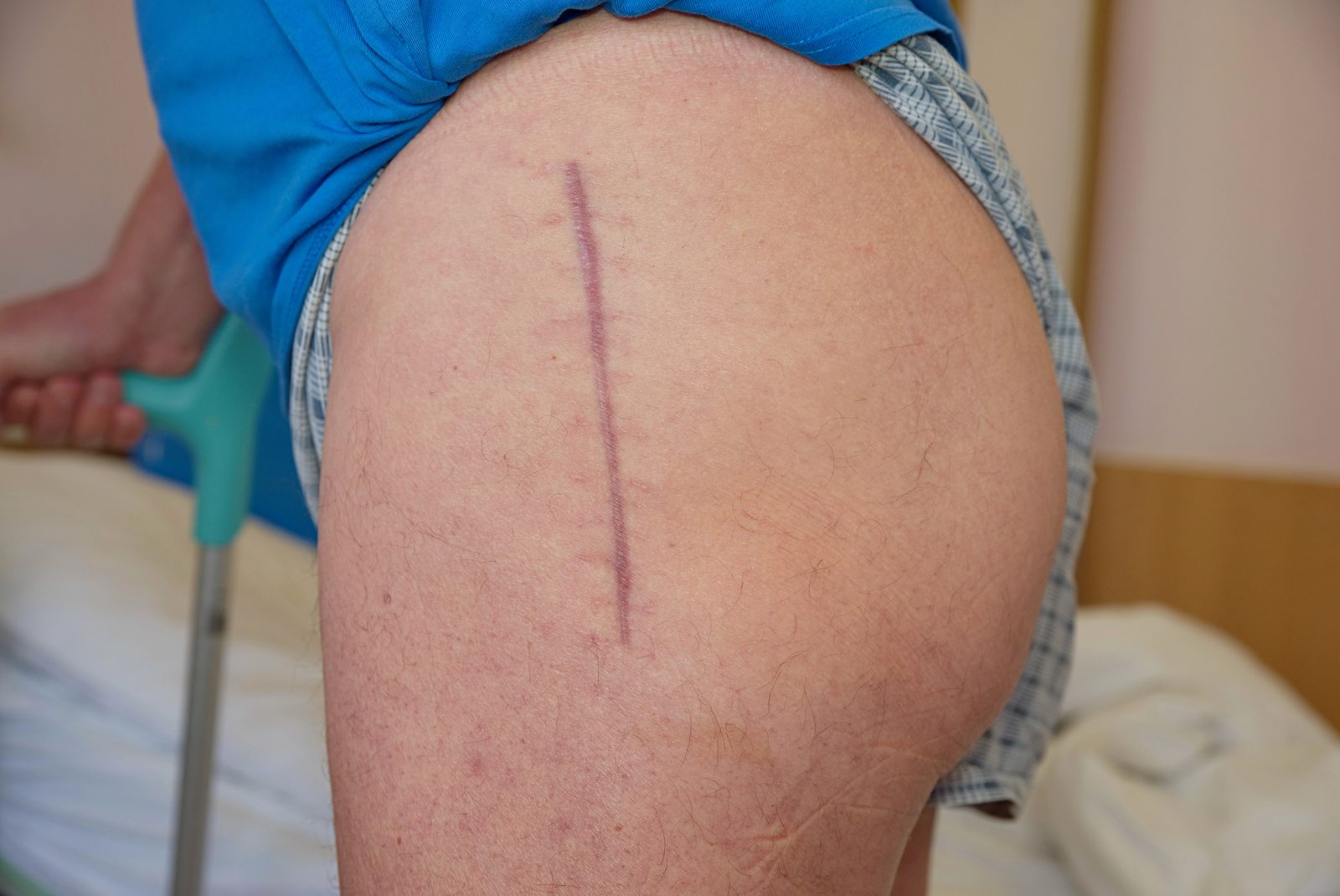
Hip and knee replacement abroad from Ireland: costs, waits and HSE refunds

Hip resurfacing cost in the UK (2026)