

Afro Hair Transplant Abroad
Cost & Specialist Care (2026)
Home › Guides › Afro Hair Transplant Abroad: Cost & Specialist Care (2026)
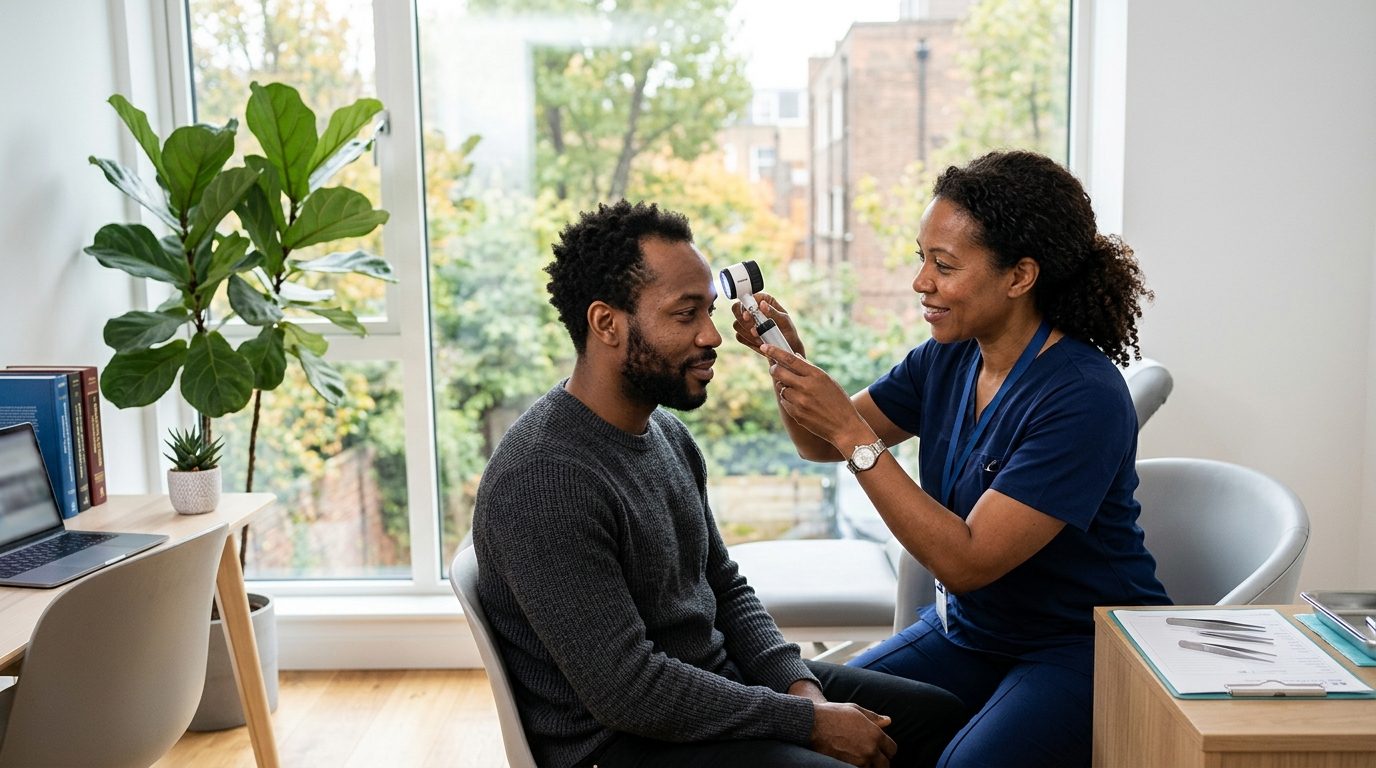
An Afro hair transplant abroad costs £1,600–£3,400 in Turkey, against £6,000–£17,000 in the UK. Curly, coiled hair needs a surgeon experienced in the technique. This guide covers real 2026 prices, why Afro hair is harder to transplant, and how to choose the right clinic.
How much does an Afro hair transplant cost abroad?
An Afro hair transplant uses the same follicular unit extraction (FUE) method as any other, and it is priced the same way: by the graft, with the country setting the base rate. Turkey is where most UK patients travel, though the clinic's experience with Afro-textured hair matters more here than the destination does.
| Grafts | Turkey | UK private | Typical saving |
|---|---|---|---|
| 2,000 (FUE) | £1,600–£2,000 | £6,000–£8,000 | 65–75% |
| 3,000 (FUE) | £2,000–£2,600 | £8,000–£12,000 | 70–80% |
| 4,000+ (FUE) | £2,600–£3,400 | £11,000–£17,000 | 70–80% |
Already have a clinic in mind? See what the official records say about it →
Afro-hair cases often sit at the upper end of these ranges, because the extraction is slower and a genuinely experienced surgeon commands a higher rate. That premium is worth paying. Turkish packages usually include a hotel, transfers, medication and aftercare. For the wider picture, see our hair transplant abroad cost guide and the Turkey cost breakdown.
Considering a particular clinic? See what the official records say about it, free →
Ask us about a hair transplant abroad, free
Tell us what you're looking into. We send your enquiry to relevant, pre-vetted clinics, and up to 3 that can help contact you directly.
Thera is free for patients. No clinic can pay to change the prices we publish.
Why Afro hair is harder to transplant
The difference is under the skin. In tightly curled and coiled hair, the follicle itself is curved, so the root beneath the surface bends in a direction the surgeon cannot see. During FUE extraction, a punch that goes straight down can cut across a curved follicle and damage the graft. This is called transection, and the transection rate is higher in Afro-textured hair than in straight hair.
The International Society of Hair Restoration Surgery (ISHRS), which sets hair-restoration standards, stresses that transplanting Afro and tightly curled hair requires surgeons experienced in the technique precisely because of this raised risk. An experienced operator adjusts the punch angle and size, works more slowly and reads the curl direction to protect the graft. An inexperienced one loses a higher share of follicles to transection, which wastes your limited donor supply and thins the result.
Afro hair also has one real advantage. Because the curl gives more visual coverage per graft, a well-placed Afro transplant can look dense with fewer grafts than a comparable straight-hair case. The catch is that this only works if the grafts survive extraction, which brings the whole question back to surgeon experience.
Keloid scarring and donor planning
Some patients with Afro-textured hair are more prone to keloid or raised scarring. FUE leaves only tiny dot marks rather than a linear scar, which lowers the risk compared with older strip-harvest methods, but a good surgeon will still ask about your scarring history and examine the donor area before planning. If you have a known keloid tendency, raise it at consultation. This is exactly the kind of individual assessment that a rushed, technician-led clinic tends to skip.
Choosing a clinic with Afro-hair experience
The single most important decision is not the country or the price. It is whether the surgeon has a real track record with Afro-textured hair. Vet for it directly.
- Ask to see before-and-after cases of Afro or tightly curled hair specifically, not straight-hair results.
- Confirm in writing that a qualified surgeon, not an unsupervised technician, performs the extraction. The ISHRS warns about technician-run clinics where a non-doctor does the surgery.
- Ask how the clinic manages transection risk in curly hair, and what punch technique they use. A clinic that does this often will have a clear answer.
- Raise any keloid or raised-scarring history and ask how they account for it.
- Get the graft count, technique and aftercare plan in writing before you pay.
The NHS will not fund correction of a cosmetic procedure done privately abroad, so this vetting is your whole safety net. Our hair transplant safety guide and the Turkey medical tourism guide set out the full checklist.
Recovery and results
Afro hair transplant recovery follows the same pattern as any FUE case. Small crusts form around each graft over the first few days, the transplanted hairs shed within two weeks, regrowth begins around month three or four, and the full result settles at 12 to 18 months. Most cases are a single trip of three to four nights.
The one thing to plan for is styling during regrowth. Keep to gentle handling and follow your clinic's written aftercare, and avoid tight styles that pull on the donor or recipient area until the surgeon clears it.
Frequently Asked Questions
How much does an Afro hair transplant cost abroad in 2026?
Most UK patients pay £1,600–£3,400 in Turkey depending on graft count, against £6,000–£17,000 privately in the UK. Afro cases often sit at the upper end of the range because extraction is slower and an experienced surgeon charges more, but the saving against the UK still runs into thousands.
Is Afro hair harder to transplant?
Yes. Tightly curled hair has curved follicles beneath the skin, so a straight extraction punch can cut across the root and damage the graft, a problem called transection. The ISHRS stresses that Afro-textured hair needs a surgeon experienced in the technique to keep this loss low and protect your limited donor supply.
How do I find a clinic experienced with Afro hair?
Ask to see before-and-after cases of Afro or tightly curled hair specifically, not straight-hair results. Confirm a qualified surgeon performs the extraction, ask how they manage transection risk in curly hair, and raise any keloid scarring history. A clinic that does this work often will answer these clearly.
Do I need fewer grafts with Afro hair?
Sometimes. The curl gives more visual coverage per graft, so a well-placed Afro transplant can look dense with fewer grafts than a straight-hair case. That advantage only holds if the grafts survive extraction, which again depends on the surgeon's experience with curly hair.
Are keloid scars a risk with an Afro hair transplant?
Some patients with Afro-textured hair are more prone to keloid scarring. FUE leaves tiny dot marks rather than a linear scar, which lowers the risk, but you should raise any keloid history at consultation so the surgeon can assess the donor area and plan accordingly.
Will the NHS help if my Afro hair transplant abroad goes wrong?
No. The NHS does not fund correction of cosmetic procedures done privately abroad. A written aftercare plan and thorough vetting of a surgeon experienced in Afro-textured hair before you book are your only real safety net, which is why we recommend reading the safety guide first.
Clinics UK patients look at
The four with the most Google reviews among the hair transplant clinics we hold. Each has a free page with its records.
 Dr. Serkan Aygin ClinicIstanbul (Şişli), Turkey
 Esteworld Altunizade Surgical ComplexIstanbul (Altunizade, Üsküdar — Asian side), Turkey
 estethica AtaşehirIstanbul (Küçükbakkalköy, Ataşehir — Asian side), Turkey
 Dr. Cinik Hair HospitalIstanbul (Beşiktaş), Turkey
Written by Saher Shodhan
Saher Shodhan is the founder of Thera Travel, which publishes what the official records show about clinics abroad, each fact with the date it was checked, and answers patients' enquiries, free. More about Thera → How we write and check our guides →
Related posts
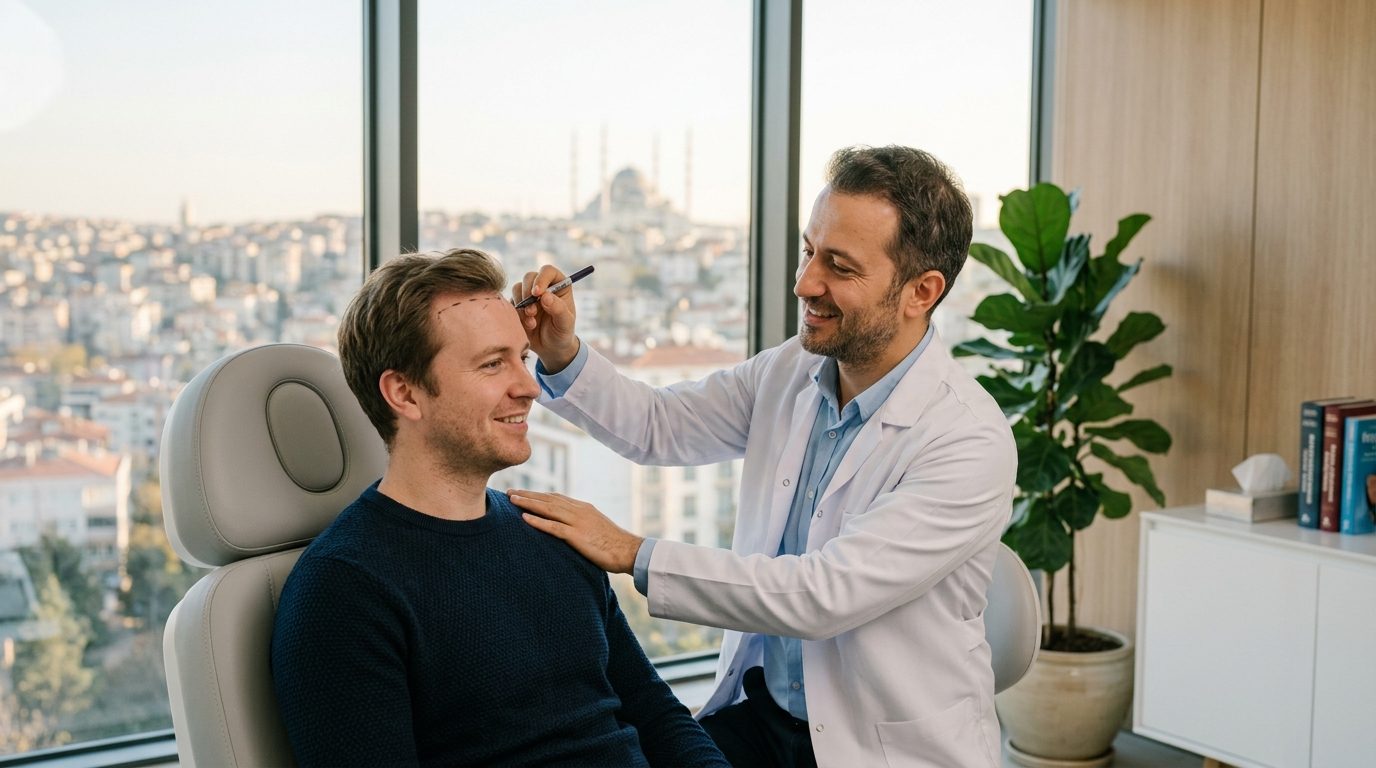
Hair transplant cost: UK vs Turkey (2026), from clinics' own prices
Cheapest hair transplant abroad (2026): clinics' published prices by country