

High Tibial Osteotomy Surgery Abroad
Living with persistent knee pain due to arthritis or joint misalignment can make everyday life frustrating.
Home › Orthopaedics › High Tibial Osteotomy Surgery Abroad

What happens, step by step
Anaesthesia
You’ll receive either general or spinal anaesthetic to ensure you're comfortable and pain-free throughout the procedure.
Incision and Exposure
A small cut is made just below the kneecap to access the top of the tibia.
Bone Realignment
The surgeon creates a small wedge in the tibia, gently opens the gap, and adjusts the bone angle to correct alignment.
Fixation
A metal plate and screws are used to hold the bone in its new position while it heals.
Closure
The incision is closed with stitches and covered with a sterile dressing.
The surgery typically takes 1 to 2 hours, followed by a hospital stay of 2 to 3 nights, where you’ll receive early physiotherapy and pain management.
Price Comparison: EU vs UK
Remember to add flights, accommodation and any implant cost when you compare. For a detailed guide on what’s included and what to expect, see our breakdown of high tibial osteotomy costs.
Ask us about an operation abroad, free
Tell us what you're looking into. We send your enquiry to relevant, pre-vetted clinics, and up to 3 that can help contact you directly.
Thera is free for patients. No clinic can pay to change the prices we publish.
What Recovery Looks Like After HTO Surgery
High Tibial Osteotomy (HTO) recovery takes place gradually over several months. It’s designed to relieve pressure on the damaged part of your knee and slow the progression of arthritis. Your rehabilitation plan will be personalised, but most patients follow a similar structure.
Week 1–2
- You’ll need to use crutches to keep weight off the healing bone.
- Ice packs and leg elevation are essential to manage swelling and improve comfort.
- You’ll stay on prescribed pain relief and antibiotics, and your dressing will be checked regularly.
- Most patients remain in a private hospital room for 2–3 days post-op before flying home or continuing inpatient rehab.
Week 3–6
- Physiotherapy begins under the guidance of a specialist, either locally or back in the UK.
- You’ll work on improving joint mobility with gentle range-of-motion exercises.
- Weight-bearing will be increased gradually, guided by X-rays and your surgeon’s advice.
- Muscle stimulation and hydrotherapy may be recommended depending on your recovery setting.
Week 6–12
- Most patients start walking short distances unaided as bone healing progresses.
- You’ll shift focus to strengthening the quadriceps, hamstrings, and glutes through light gym-based exercises.
- Some patients may begin low-resistance cycling to boost mobility without strain.
3–6 months
- You may return to low-impact sports like swimming, cycling, or using the elliptical trainer.
- Improvements in walking comfort, stability, and knee alignment are usually noticeable by now.
- Long-term outcomes depend heavily on following your rehab plan and maintaining strength around the joint.
Ask the clinic whether your care includes inpatient physio while abroad and a written outpatient rehab plan for when you return home.
Where Do UK Patients Go for High Tibial Osteotomy?
UK patients looking at HTO abroad often consider orthopaedic centres in Central and Eastern Europe, including:
Kaunas, Lithuania
A Baltic city with private orthopaedic clinics, some with English-speaking care teams. Kaunas is well connected by air, and some patients stay a few extra days for rehabilitation.
Katowice, Poland
A regional hub in southern Poland with a number of private hospitals. Some orthopaedic teams here carry out lower limb realignment surgery such as HTO, and some offer fixed-fee packages. There are direct flights from the UK.
Prague, Czech Republic
A long-established destination for surgery, with private hospitals a short drive from the international airport.
Whichever destination you look at, check:
- Flight options from your nearest UK or Irish airport
- Whether staff speak English, from admission to discharge
- Whether the hospital regularly does realignment and joint preservation procedures
Hospitals in the same city can differ a great deal, so compare the individual clinic and surgeon. You can browse clinics by country.
Is High Tibial Osteotomy Surgery Overseas Safe?
It can be, when it is done at an accredited private clinic by a surgeon who performs this operation regularly. Whether a particular clinic meets that bar is for you to check, not to assume.
Questions to ask:
- How many HTO procedures does the surgeon perform each year?
- Is the clinic on its country's official register, and does it hold the ISO or JCI accreditation it claims?
- What infection control and sterilisation protocols does it follow?
- What pre-operative assessments and imaging will you have?
- Is there 24/7 nursing care during your hospital stay?
- Will the medical team speak English?
Thera Travel never recommends a clinic.
Can I Pay With Finance?
Some clinics offer payment plans, and regulated UK lenders offer medical loans. Thera Travel does not arrange finance, so read the terms carefully.
What’s Included In The Price?
Some clinics include pre-surgery tests, post-op follow-up and everything in between, but not all do, and in Poland the implant may be extra. Ask for an itemised quote in writing.
How Quickly Can You Be Treated?
Clinics abroad can often operate within about two weeks, and most within 2 to 4 weeks, though this varies by clinic and surgeon.
How to Check a Clinic Before You Book
Five steps before you pay a deposit:
- Check the register: find the clinic on its country's official register, under the legal name on the quote
- Check the surgeon: get their name in writing and look them up on their professional register
- Read the reviews: include the low-rated ones, and check the Google listing is the actual hospital
- Get the quote itemised: in writing, including the implant and what is not covered
- Plan for problems: ask what happens if something goes wrong once you are home
See the 15 questions to ask a clinic for the full list.
Related Guides
- High Tibial Osteotomy Cost in Poland: What UK Patients Actually Pay in 2026
- NHS High Tibial Osteotomy Waiting Time: What Patients Are Actually Facing in 2026
What it costs: HTO (knee osteotomy) cost
Clinics UK patients look at
The four with the most Google reviews among the orthopaedic clinics we hold. Each has a free page with its records.
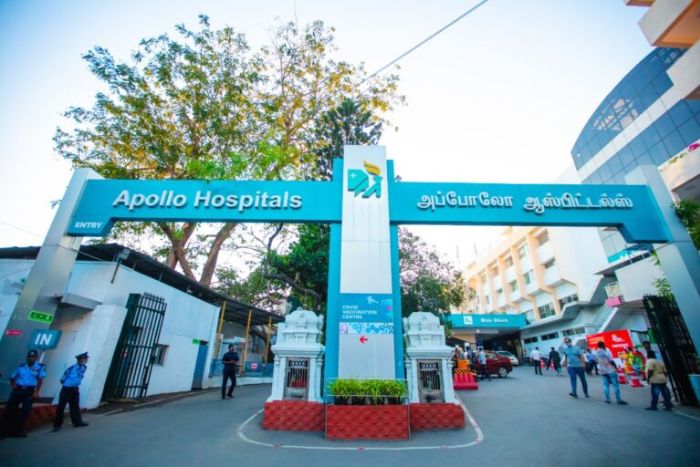 Apollo Hospitals, Greams Road, Chennai
 KIMS-Sunshine Hospitals, Begumpet
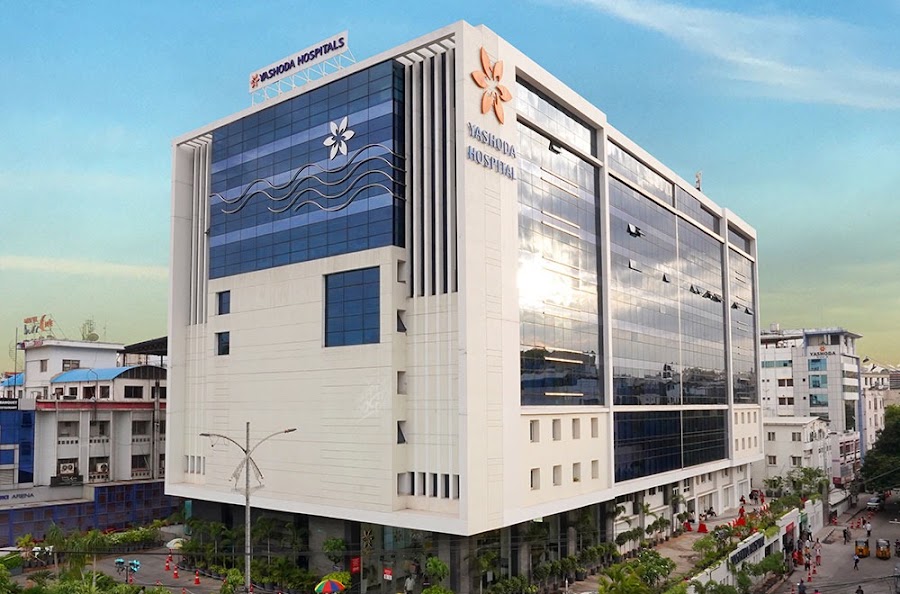 Yashoda Hospitals, Somajiguda
 Yashoda Hospitals, Malakpet