

Arthroscopic Knee Surgery Abroad
Arthroscopic (or keyhole) knee surgery is a minimally invasive procedure used to treat pain, stiffness, or limited mobility caused by issues like torn cartilage, ligament damage, or loose bone fragments inside the joint.
Home › Orthopaedics › Arthroscopic Knee Surgery Abroad
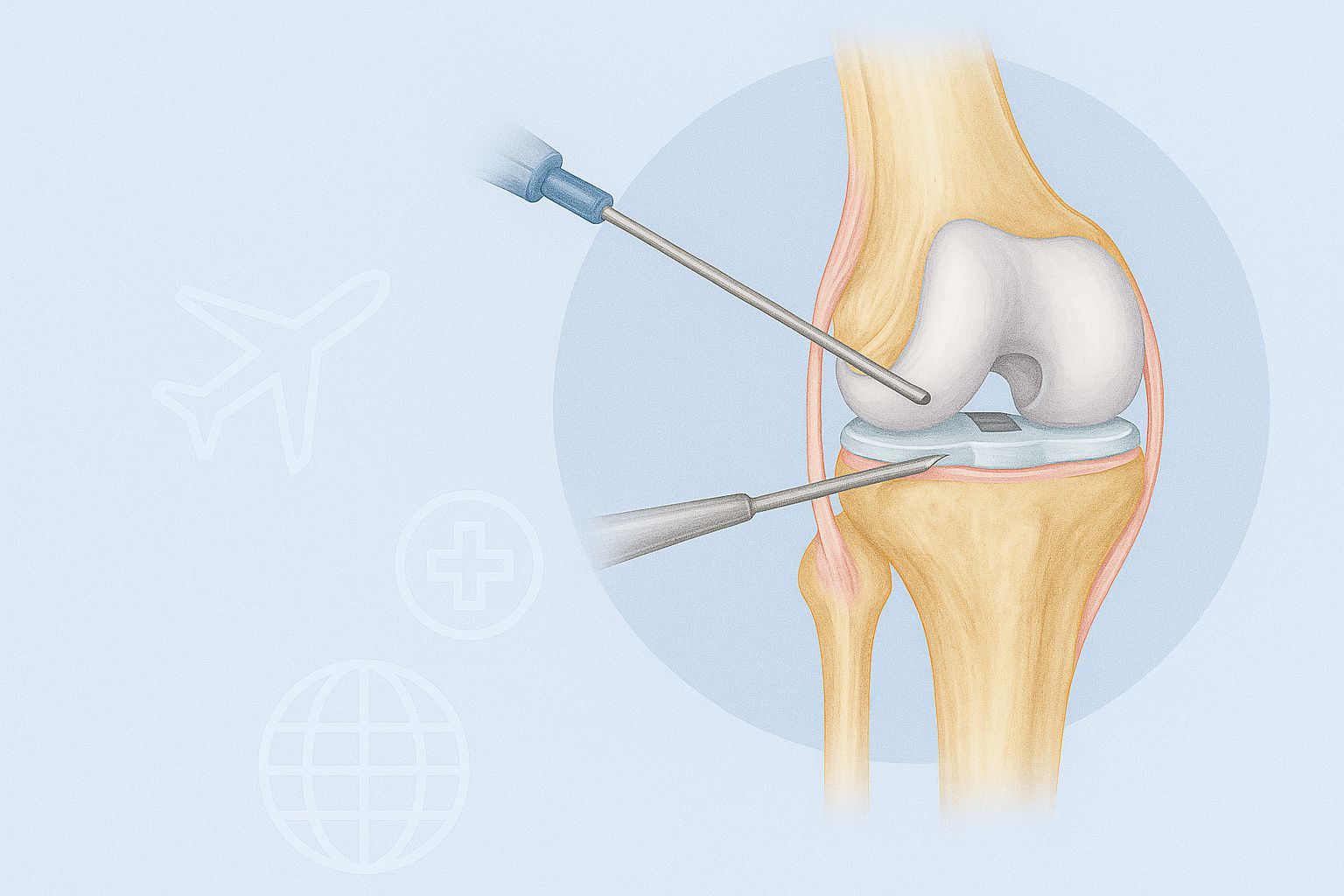
What happens, step by step
Consultation and Planning
• Detailed assessment with your orthopaedic surgeon, including MRI or diagnostic imaging if needed.
• Personalised surgical plan developed based on your symptoms and lifestyle.
• General anaesthetic is typically used so you’re fully asleep and pain-free throughout the procedure.
Keyhole Incisions
• Surgeon makes 2–3 tiny incisions (5–10mm) to access the knee joint.
• A miniature camera (arthroscope) provides a live view inside the joint.
• Specialised tools are inserted through the incisions to carry out the procedure.
Joint Assessment and Repair
• The surgeon examines cartilage, meniscus, and ligaments for damage.
• Common issues treated include torn meniscus, cartilage fragments, and inflammation.
• Damaged tissue is trimmed, repaired, or smoothed using precise instruments.
Closure and Dressing
• Instruments and camera are removed, and incisions are closed with sutures or adhesive strips.
• A sterile dressing is applied to keep the area clean and protected.
• You’ll be monitored post-op before being discharged (same day or next morning).
Recovery and Rehabilitation
• Physiotherapy begins within 24–48 hours to restore movement and prevent stiffness.
• Most patients walk unaided within days and return to light activity within 2–4 weeks.
• Ask whether follow-up includes virtual check-ins and a written rehab plan.
Price Comparison: EU vs UK
Whether you need a diagnostic procedure or a more advanced intervention, keyhole knee surgery abroad usually costs much less than in a UK private hospital. Quality varies between clinics, so check the one you are considering before you book. For more information on full joint replacement options, see our detailed guide to knee surgery replacement costs.
Ask us about an operation abroad, free
Tell us what you're looking into. We send your enquiry to relevant, pre-vetted clinics, and up to 3 that can help contact you directly.
Thera is free for patients. No clinic can pay to change the prices we publish.
What Happens During Knee Arthroscopy?
- A tiny camera (arthroscope) is inserted through a small incision.
- Saline is used to expand the joint for visibility.
- The surgeon removes or repairs damaged tissue (e.g., meniscus).
- The procedure usually takes 30–90 minutes under spinal or general anaesthesia.
- Small stitches close the incision.
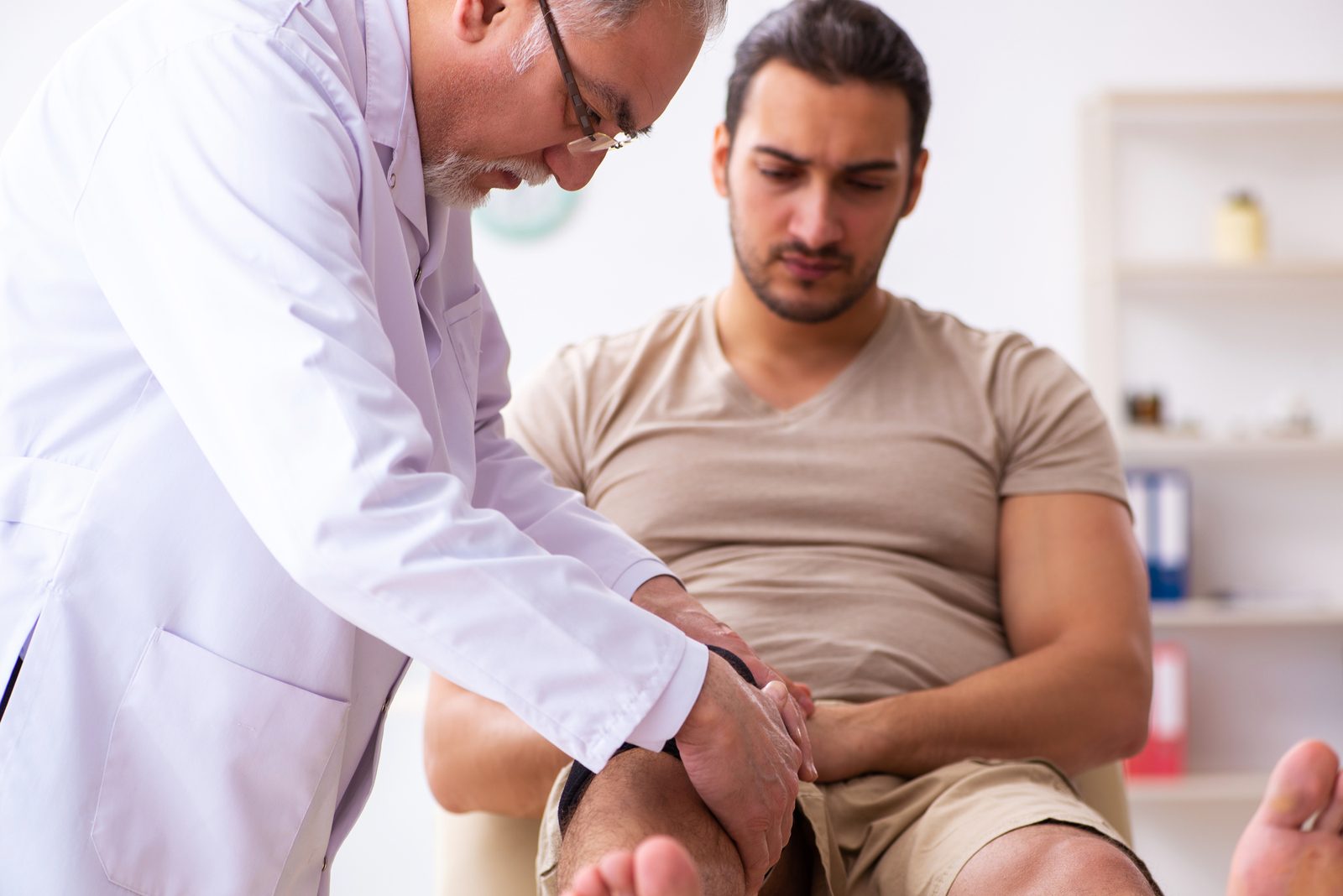
Common conditions treated:
- Meniscus tears (horizontal, radial, complex)
- Ligament injuries (minor repairs)
- Loose cartilage fragments
- Synovial inflammation
What Recovery Looks Like After Meniscus or Keyhole Surgery
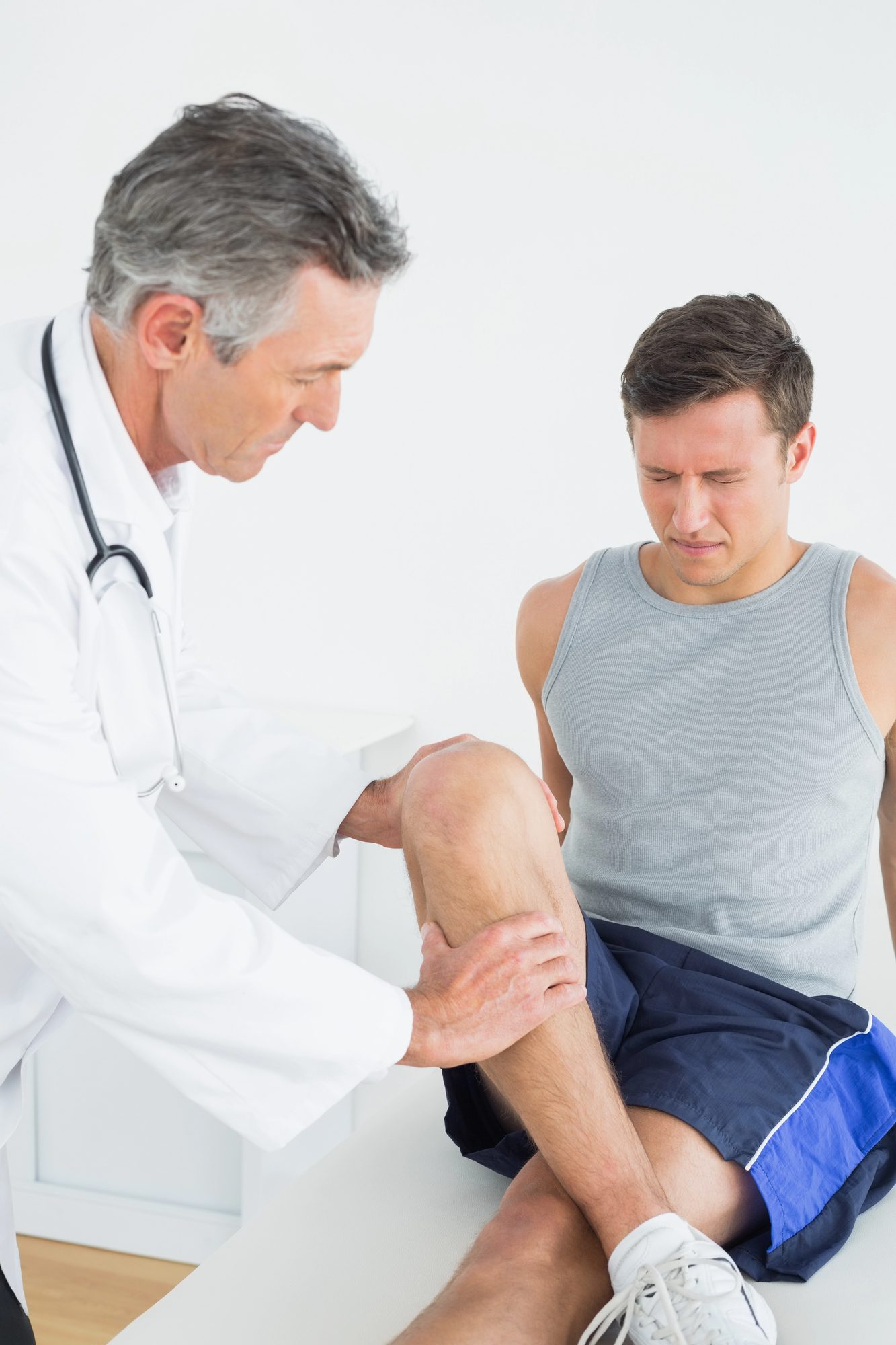
Week 1–4:
- Primary goals are to control swelling and pain using ice, elevation, and prescribed medication.
- Begin gentle range-of-motion exercises.
- Walking may begin with crutches, typically weaned off by the end of Week 2 for most patients.
- Most patients can return to sedentary work or desk-based tasks by Week 3, depending on their progress and surgeon advice.
Week 4–8:
- Physiotherapy becomes more structured, with a focus on restoring full range of motion and beginning light strength exercises (e.g., bodyweight squats, straight-leg raises).
- Some patients may start using a stationary bike or swimming (with no twisting or kicking motions).
- Stiffness and occasional discomfort are normal but should continue to improve.
Week 8–12:
- Most patients resume low-impact sports or fitness activities such as cycling, aqua therapy, elliptical training, or gentle yoga.
- Physiotherapy focuses on regaining neuromuscular control and building quadriceps strength.
- Return to light manual jobs or prolonged standing may be possible by Week 10, depending on surgeon clearance.
Month 3 onwards:
- Full functional recovery is expected for the majority of patients.
- Return to higher-impact activity (e.g., running, racket sports) may be considered after a successful clinical assessment.
- Ongoing home exercise and maintenance routines are advised to ensure long-term joint health.
Additional Notes:
- Crutches or a knee brace may be needed for 1–2 weeks, depending on procedure complexity.
- Rehab options include outpatient physiotherapy or daily in-clinic sessions if you stay abroad for longer recovery.
- Adherence to physiotherapy significantly impacts long-term outcomes; most clinics provide a take-home recovery plan.
Where Do UK Patients Go for Knee Arthroscopy?
Destinations UK patients often consider include:
- Southern Poland, around Kraków
Private orthopaedic clinics in and near Kraków, which has direct flights from the UK. Some include a private hospital room in the price, so check what yours covers. One UK patient wrote:
“The facilities were spotless, and I had surgery within 10 days of making an enquiry. It felt like a private UK hospital, but much more affordable.” - Riga, Latvia
Orthopaedic clinics that carry out joint and sports injury procedures, including arthroscopy, some with English-speaking staff for international patients. Flights to Riga are available from most major UK airports. One UK patient wrote:
“I travelled from Birmingham to Riga, had keyhole knee surgery, and was back home in four days. The surgeon explained everything clearly, and the team was exceptional throughout.”
Experiences vary, and clinics in the same city can differ a great deal. You can browse clinics by country and see what the records say about each.
Is Arthroscopic Knee Surgery Overseas Safe?
Knee arthroscopy is a common procedure, and in a well-run clinic abroad it can be as safe as the same operation done privately in the UK. Clinics in Poland, Lithuania and the Czech Republic are regulated under EU healthcare rules, but standards still vary from clinic to clinic. Things to check:
- Whether the clinic holds the ISO 9001 or JCI accreditation it claims, and its entry on its country's official register.
- Whether the surgeon is on their professional register. Some surgeons at larger centres are also on the UK General Medical Council (GMC) register.
- How many arthroscopies the surgeon does a year, and their complication rate. Some surgeons at major centres report over 400 arthroscopies annually, with complication rates under 1%, according to clinic data.
One patient, Robert L. from Gloucester, wrote: “I was nervous about travelling to Riga, but the care was better than any I’d experienced in the UK. The hospital was spotless, the staff were kind, and I was home in five days walking without pain."
One patient's experience is not the whole picture, so it is worth asking any clinic about:
- Language: whether the surgical and nursing teams speak English
- Rooms and nursing: whether you get a private room and 24/7 nurse cover
- Price: whether the fee is fixed and agreed in writing, and what could be charged on top
Thera Travel never recommends a clinic. If you have a clinic in mind, see what its official records show, free.
Can I Pay With Finance?
Some clinics offer payment plans, and some approved UK lenders offer medical loans. Thera Travel does not arrange finance, so read the terms carefully.
What’s Included In The Price?
Many clinics quote one price covering everything from the arrival transfer to post-op physiotherapy, but not all do. Ask for an itemised quote in writing.
How Quickly Can You Be Treated?
Once you are cleared for surgery, clinics abroad can often schedule knee arthroscopy within two to four weeks, depending on availability.
How to Check a Clinic Before You Book
Whether it is keyhole surgery or other knee surgery abroad, the same checks apply:
Step-by-step:
- Check the register: find the clinic on its country's official register, under the legal name shown on the quote.
- Check the surgeon: get their name in writing and look them up on their professional register.
- Read the reviews: include the low-rated ones, and make sure the Google listing is the actual hospital rather than an agent.
- Get the quote itemised: in writing, showing what is included and what is not.
- Plan for coming home: ask what happens if something goes wrong once you are back, and make sure you get written recovery instructions and a copy of your treatment records for your GP or physiotherapist.
For a fuller list, see the 15 questions to ask a clinic.
Patient Reviews & Experiences
Read reviews on more than one site, including the low-rated ones, and check which Google listing belongs to the actual hospital. How we check a clinic explains how we read and count reviews.
Related Guides
- Meniscus Repair Cost in Poland: A 2026 Guide for UK Patients
- Cost of Meniscus Repair in Poland vs UK Private: Fast, Affordable Knee Surgery Without the NHS Wait
- Latvia vs UK Private for Meniscus Repair: Fast Knee Surgery in Latvia Without the Wait
- How Much Does Arthroscopic Knee Surgery Cost?
See also: published hip and knee prices abroad.
What it costs: Knee arthroscopy cost in the UK
Clinics UK patients look at
The four with the most Google reviews among the orthopaedic clinics we hold. Each has a free page with its records.
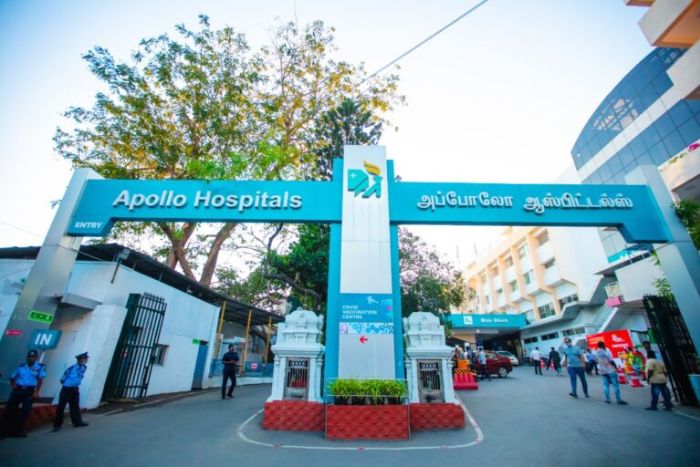 Apollo Hospitals, Greams Road, Chennai
 KIMS-Sunshine Hospitals, Begumpet
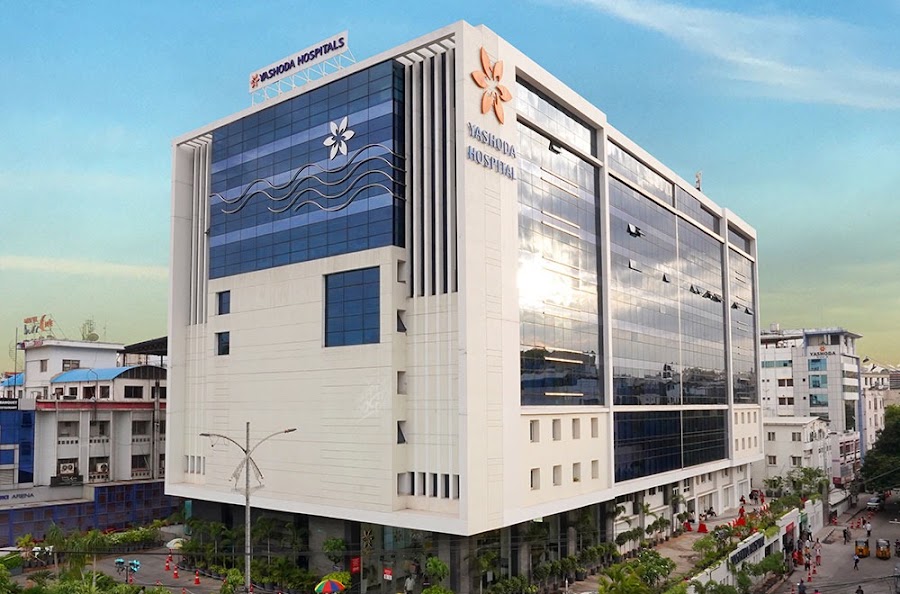 Yashoda Hospitals, Somajiguda
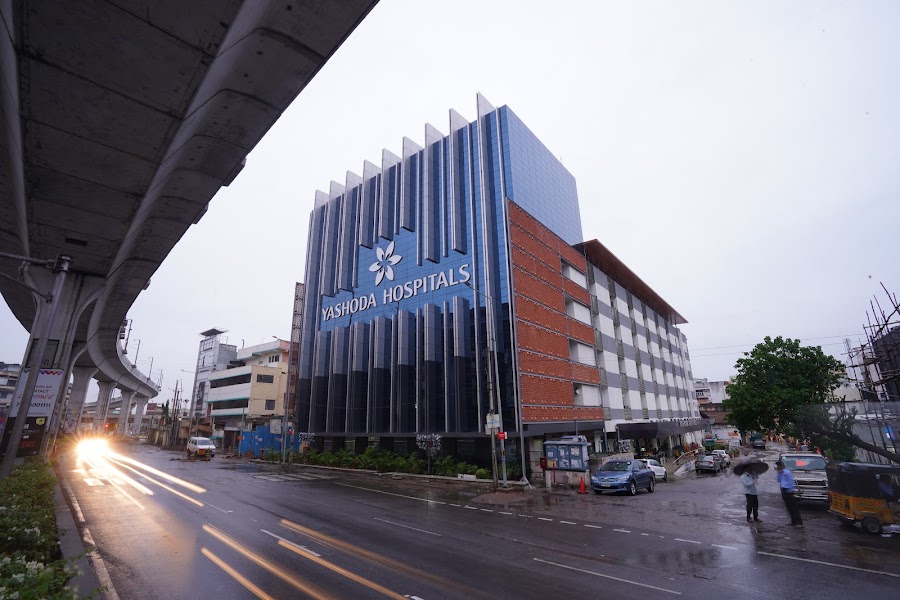 Yashoda Hospitals, Malakpet