

Veneers in Hungary
Cost and UK comparison
Veneers in Hungary typically costs £230–£470 (per tooth), against £700–£1,400 at a UK private clinic — a saving of roughly 67%.
 Budapest. Photo Godot13, CC BY-SA 4.0
| Where | Typical price (GBP) |
|---|---|
| United Kingdom (private) (per tooth) | £700 – £1,400 |
| Hungary (Budapest) | £230 – £470 |
| Potential saving | £230 – £1,170 (~67%) |
Indicative 2026 ranges, not quotes. Hungary prices include a single lab-made veneer. Porcelain sits at the lower end; premium E-max at the top. Research confidence: high. UK figures are typical private self-pay prices.
The gap in the figures above is mostly structural, not a difference in quality. Hungarian clinics carry lower staff, premises and lab costs than a UK high street practice, and Budapest has decades of experience treating overseas patients, so the work is priced for a competitive market. Cosmetic veneers are not generally available on the NHS, so UK patients are comparing an abroad quote against a UK private fee rather than against a subsidised one.
The figures shown are per veneer, and a smile makeover usually means several. Against that saving you should weigh flights, accommodation, time off work, and the fact that any correction or repair later on means either travelling again or paying a UK dentist to take over someone else's work. A comparison is a starting point for shortlisting, not a substitute for a clinical assessment.
What the price covers, and what it does not
The quoted amount is for a single lab-made veneer, with porcelain at the lower end of the range and premium E-max at the top. It does not usually include your consultation and imaging, any preparatory work such as treating decay or gum disease, a whitening or gum treatment to match the shade, or a night guard if you grind your teeth.
It also excludes travel, hotel and the second trip most clinics require between preparation and fitting. Ask for a written, itemised treatment plan after an assessment, and ask specifically what happens to the price if the dentist finds you need a crown or root canal rather than a veneer.
Materials and how to read a clinic's claims
Porcelain and E-max are both established materials; E-max tends to be stronger and is often chosen for single front teeth or heavier bites. Composite veneers are a different, less durable proposition and should not be presented to you as equivalent. A clinic should tell you which brand of ceramic it uses, which lab makes the work, and what warranty applies if a veneer fails.
Look for a clinic registered with the Hungarian health authority, dentists whose qualifications and GDC or equivalent registration you can verify, and reviews from patients whose treatment matches yours. Verified reviews are more useful than volume: a handful of detailed accounts of the same procedure tell you more than a wall of unattributed praise.
The "Turkey teeth" problem, and how to avoid it
The cautionary stories that circulate online usually involve healthy teeth being aggressively filed down and fitted with crowns marketed as veneers, often in a single rushed visit. The material was rarely the problem; the treatment planning was. This is a real risk and it is worth taking seriously.
The protection is procedural. Insist on a diagnosis before a plan, ask how much enamel will be removed and why, be wary of any clinic that agrees to a large number of veneers without seeing X-rays, and treat a same-week turnaround as a reason to ask more questions rather than fewer.
Aftercare once you are home
Establish before you book who handles a debonded or chipped veneer, whether the guarantee requires you to return to Budapest, and who pays for that trip. Ask for your records, X-rays and the material details in writing so a UK dentist can work from them.
It is sensible to have a UK dentist you can see for routine checks and emergencies, and to tell them what you are planning. Some are willing to take on maintenance of overseas work; others are not, so it is better to know beforehand.
Common questions
Is dental treatment in Hungary safe?
Hungarian dentistry is regulated and Budapest clinics routinely treat overseas patients, but standards vary between practices as they do in the UK. Safety comes from checking the individual clinic's registration, the treating dentist's qualifications and verified reviews of the same procedure.
Does the quoted price cover the whole treatment?
No — the figures above are per veneer, and exclude consultation, imaging, any preparatory dental work, travel and accommodation. A firm total only comes after a clinical assessment.
What happens if something goes wrong after I get home?
Ask each clinic for its written guarantee and whether honouring it requires you to return to Hungary. Arrange a UK dentist for routine care first, and confirm they are willing to see you about overseas work.
Is it worth travelling for veneers?
It can be, when several veneers are involved and the saving comfortably outweighs flights, accommodation and time off work. It is less compelling for a single tooth, or if you would struggle to travel again for an adjustment.
Ask us about dental treatment abroad, free
Tell us what you're looking into.
Thera is free for patients. No clinic can pay to change the prices we publish.
Clinics UK patients look at
The four with the most Google reviews among the dental clinics we hold. Each has a free page with its records.
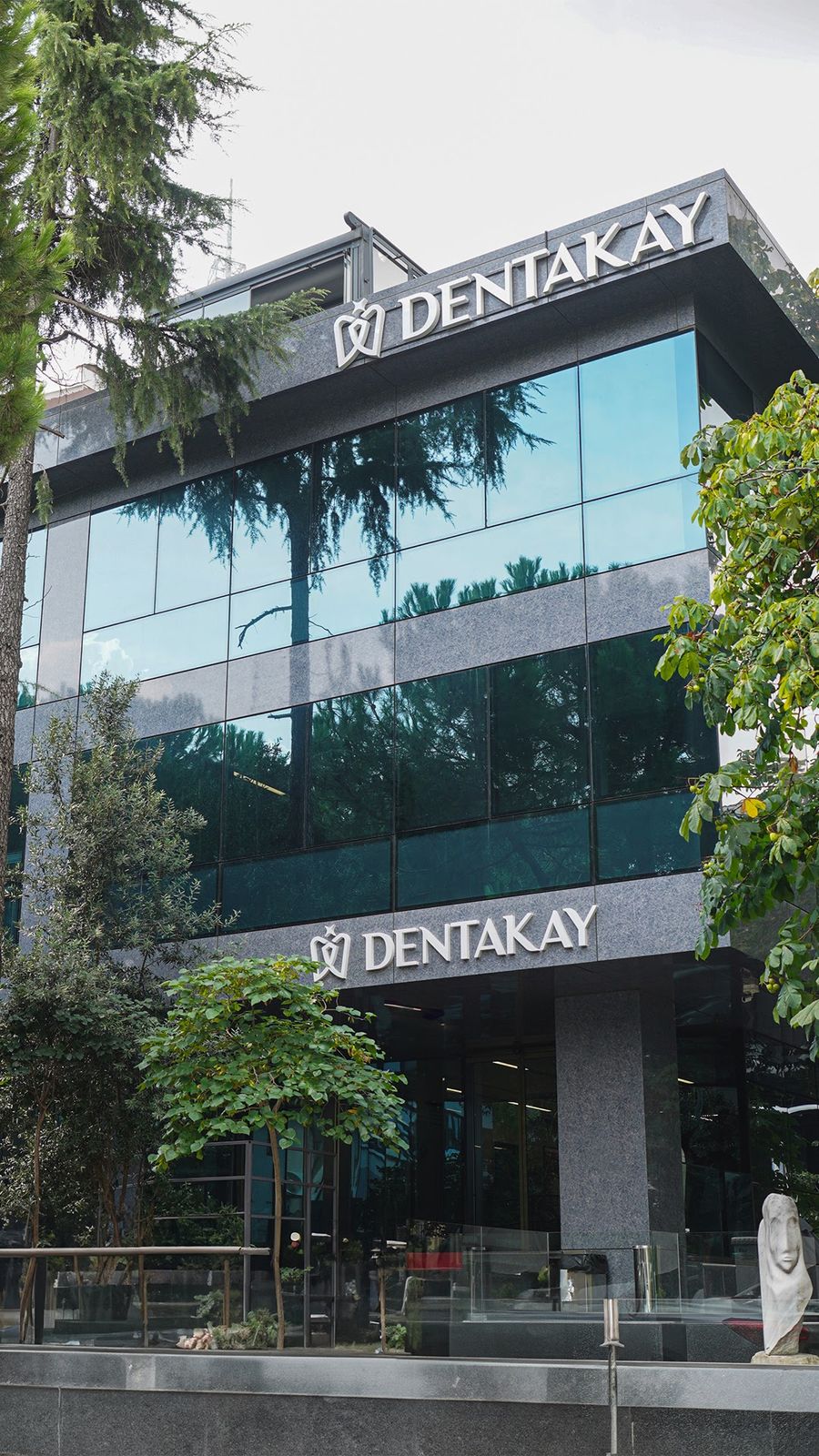 Dentakay Dental Clinic
 Attelia Oral and Dental Health Center
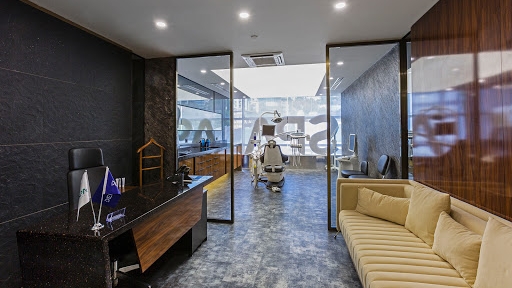 DentSpa
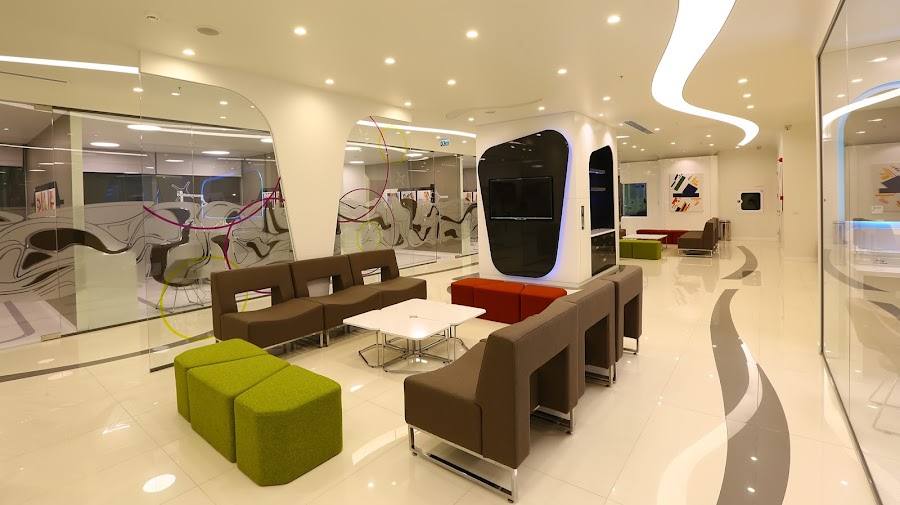 Esnan Dental Clinics Topkapı (Istanbul)
