

Shoulder replacement in Lithuania
Cost and UK comparison
Shoulder replacement in Lithuania typically costs £3,200–£6,400, against £12,000–£16,000 at a UK private clinic, a saving of roughly 66%.
 Vilnius. Photo Scotch Mist, CC BY-SA 4.0
| Where | Typical price (GBP) |
|---|---|
| United Kingdom (private) | £12,000 – £16,000 |
| Lithuania (Kaunas & Vilnius) | £3,200 – £6,400 |
| Potential saving | £5,600 – £12,800 (~66%) |
Indicative 2026 ranges, not quotes. Lithuania prices include the implant, surgeon and anaesthesia and a hospital stay. The higher figures reflect the JCI-accredited Vilnius clinics. Research confidence: medium. UK figures are typical private self-pay prices.
For UK private prices hospital by hospital, and the NHS route, see shoulder replacement cost in the UK. For another Baltic option, see shoulder replacement in Latvia against the UK, and for every destination, shoulder replacement surgery abroad.
The gap in the figures above is not a gap in quality. Lithuanian hospitals pay lower wages, lower premises costs and lower insurance premiums than UK private groups, and several buy the same implants from the same manufacturers. Where the price sits within that range usually reflects the hospital rather than the surgeon: the higher figures are typically the JCI-accredited Vilnius clinics, which are audited against an international patient-safety standard.
The other reason UK patients look abroad is timing. The NHS is not meeting its 18-week referral-to-treatment standard for planned orthopaedic surgery, and mean waits for major joint replacement have been running well beyond it. Against that, travelling has real costs the table cannot show you: flights, a companion, time off work, and the fact that your follow-up will happen a long way from the surgeon who operated. Those are the trade-offs to weigh, not the headline saving on its own.
What the price covers, and what it does not
The quoted packages generally include the implant itself, the surgeon's and anaesthetist's fees, theatre time and a short inpatient stay. That is the bulk of the cost, which is why the comparison is meaningful rather than a partial figure dressed up as a total.
Read carefully for what sits outside it. Pre-operative imaging and blood tests, physiotherapy beyond the ward, a longer stay if recovery is slower than expected, treatment of a complication, flights, accommodation and your companion are commonly extra. No clinic can price your shoulder from a web form: a firm quote follows a clinical assessment, usually a review of your scans and a consultation, and the implant chosen (anatomic, reverse or a resurfacing) changes the figure.
How to judge a clinic from the UK
Start with accreditation, because it is the one thing you can verify without medical training. JCI accreditation means an external body has inspected infection control, consent, medication safety and record-keeping. Then ask the surgeon directly how many shoulder replacements they perform in a year, what proportion are reverse, which implant systems they use and what their revision and infection rates are. A surgeon who answers plainly is telling you something useful.
Treat verified reviews as evidence rather than decoration: patients whose treatment has been confirmed, describing the same procedure you are having, are worth far more than a wall of unattributed praise. Comparing several accredited clinics side by side is also a check in itself, because an outlier price or a vague inclusion list stands out quickly.
Aftercare and getting home
Shoulder replacement recovery is largely rehabilitation, and rehabilitation happens at home. Before you book, establish who will remove any dressings, who supervises your physiotherapy in the UK and whether your GP will take on routine post-operative care. Many will, but ask rather than assume. Arrange private physiotherapy in advance if NHS provision is uncertain.
Ask the clinic for its written guidance on fitness to fly and expect to stay locally for several days first. Confirm in writing how the surgeon can be reached afterwards, what happens if a complication appears once you are home, who pays for a return visit, and whether medical travel insurance covering a planned procedure is available to you.
Common questions
Is shoulder replacement in Lithuania safe?
Accredited Lithuanian hospitals work to international patient-safety standards and use mainstream implants, but safety is clinic-specific rather than country-specific. Verify accreditation and the individual surgeon's shoulder caseload before committing.
What is included in the quoted price?
Typically the implant, surgeon and anaesthesia fees, theatre time and a hospital stay. Imaging, extended physiotherapy, complications, flights and accommodation are usually separate, so ask for the exclusions in writing.
Who looks after me when I get home?
You will need UK physiotherapy and someone to handle routine wound and stitch care, so confirm arrangements with your GP or a private physiotherapist before you travel. Ask the clinic how the surgeon can be contacted after discharge.
Is it worth travelling for this?
It can be, if the saving is large enough to absorb travel and rehabilitation costs and you are comfortable with follow-up at a distance. If your case is complex or your general health is unstable, treatment closer to home may be the sounder choice.
Ask us about an operation abroad, free
Tell us what you're looking into.
Thera is free for patients. No clinic can pay to change the prices we publish.
Clinics UK patients look at
The four with the most Google reviews among the orthopaedic clinics we hold. Each has a free page with its records.
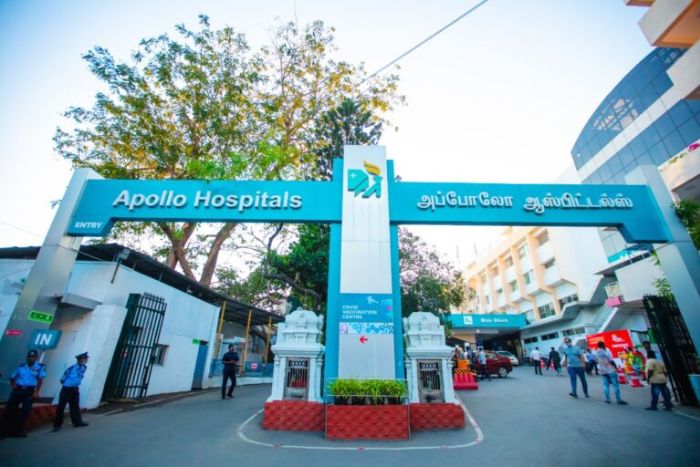 Apollo Hospitals, Greams Road, Chennai
 KIMS-Sunshine Hospitals, Begumpet
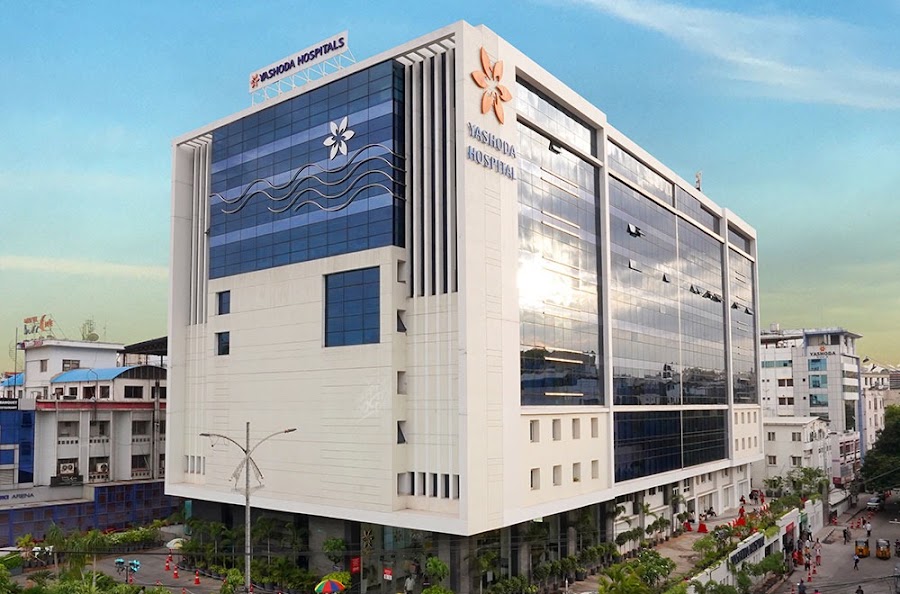 Yashoda Hospitals, Somajiguda
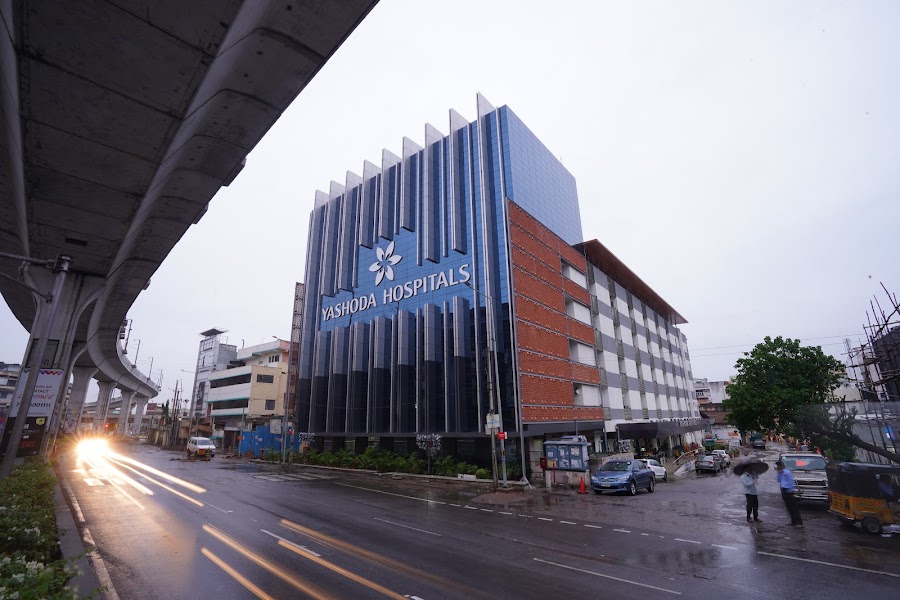 Yashoda Hospitals, Malakpet
