

Shoulder replacement in India
Cost and UK comparison
Shoulder replacement in India typically costs £4,700–£7,900, against £12,000–£16,000 at a UK private clinic — a saving of roughly 55%.
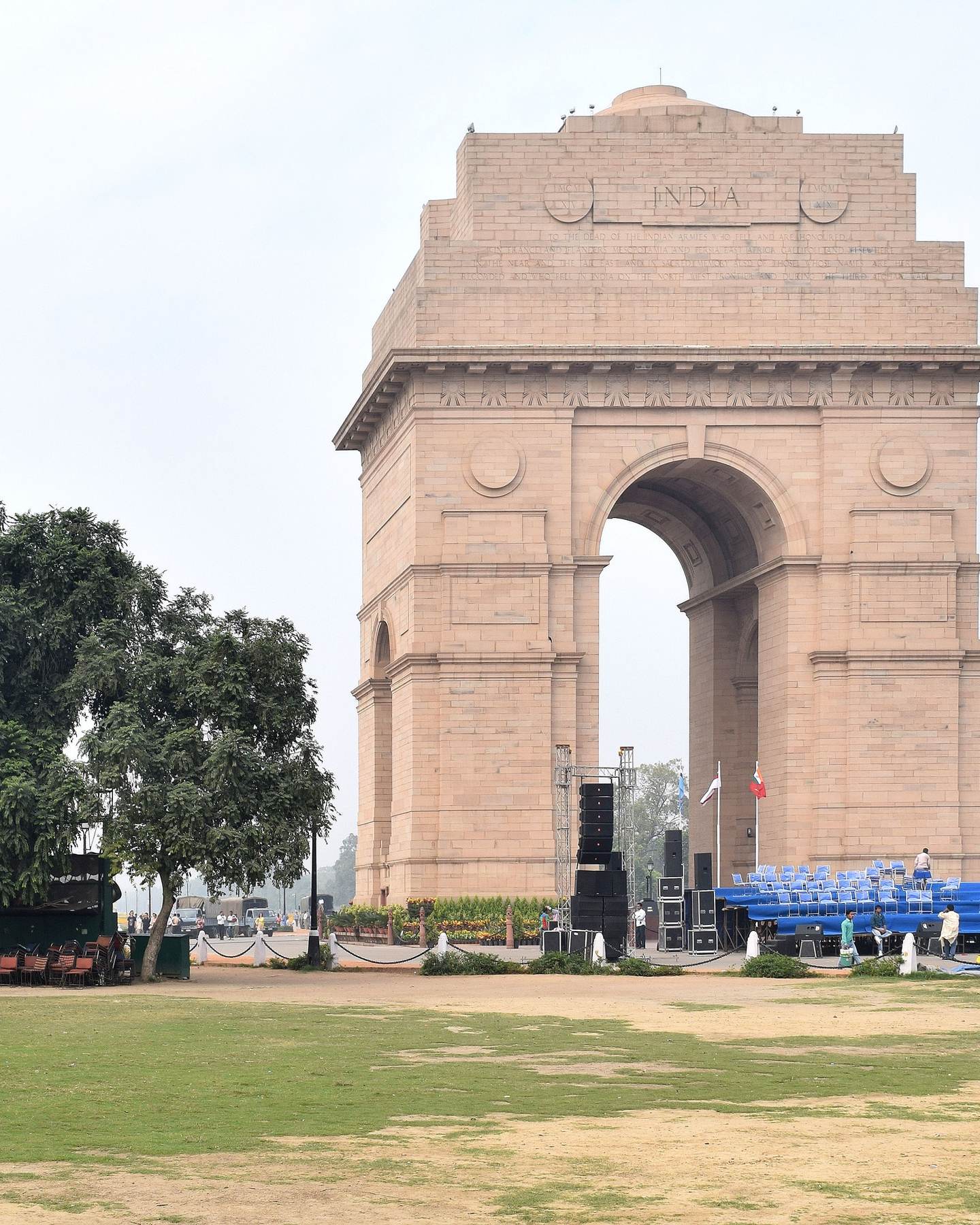 New Delhi. Photo Nikhilb239, CC BY-SA 4.0
| Where | Typical price (GBP) |
|---|---|
| United Kingdom (private) | £12,000 – £16,000 |
| India (Delhi, Mumbai & Chennai) | £4,700 – £7,900 |
| Potential saving | £4,100 – £11,300 (~55%) |
Indicative 2026 ranges, not quotes. India prices include the shoulder prosthesis, surgeon and anaesthesia, and roughly a 3-night stay. Reverse or imported prostheses sit at the top of the range. Research confidence: medium. UK figures are typical private self-pay prices.
The gap in the figures above is mostly structural rather than clinical. Staff costs, facility overheads and insurance liabilities are far lower in Delhi, Mumbai and Chennai than in the UK private sector, and the larger hospital groups run high volumes of joint replacement work. The implant itself is often the same brand a UK surgeon would use, which is why prostheses at the top of the range — reverse designs, or imported components — narrow the difference.
The other pressure is time. The NHS is currently missing its 18-week referral-to-treatment standard for a substantial share of patients, and mean waits for major joint replacement now run well beyond that target. For someone in daily shoulder pain, the decision is rarely price alone; it is price set against months of waiting, and against the fact that any surgery abroad puts distance between you and the surgeon who operated on you.
What the price covers, and what it does not
The quoted package typically covers the shoulder prosthesis, the surgeon's and anaesthetist's fees, and a short inpatient stay of around three nights. That is the operation, not the episode of care. Flights, airport transfers, accommodation for a companion, and any hotel nights before admission or after discharge sit outside it, as do pre-operative imaging, blood work and consultations carried out in the UK.
Two other items are worth budgeting for separately: physiotherapy, which is the largest determinant of how well a replaced shoulder functions, and the cost of an extended stay if recovery is slower than expected. Ask in writing what happens to the price if a reverse prosthesis proves necessary once the joint is assessed, or if a longer admission is clinically indicated. No figure quoted online is a firm quote until a surgeon has seen your imaging.
How to judge a hospital from the UK
Start with accreditation. Joint Commission International or NABH accreditation does not guarantee an outcome, but it does mean infection control, consent processes and adverse-event reporting have been audited against a published standard by someone other than the hospital. Then look at the individual surgeon rather than the brand: shoulder arthroplasty is a subspecialty, and you want annual volume in shoulders specifically, not general orthopaedic caseload.
Verified reviews matter because they are traceable to a real, completed treatment rather than a marketing page. Read the mixed ones closely. Complaints about communication, discharge information or unexpected add-ons tell you more about how a hospital behaves when things go sideways than a wall of five-star ratings does.
Aftercare and the flight home
This is the genuine weakness of treating abroad, and it should be planned for before you book. Agree with your surgeon how long to remain in India before flying, arrange a written discharge summary and implant details you can hand to a UK clinician, and confirm who reviews your wound and answers questions once you are home. Ask your GP in advance whether they will manage follow-up, and check whether the hospital offers remote review.
If a revision is ever needed, it will most likely happen in the UK, and NHS or private surgeons will want records. Keep them. Travel insurance for pre-planned surgery abroad is a separate product from standard cover, and standard policies generally exclude it.
Weighing it against waiting
The honest comparison is not India against the NHS in principle, but India against your actual waiting time and your capacity to fund UK private care. Where the saving is large enough to cover travel, a companion and contingency with room to spare, and where you have a clear aftercare plan at home, travelling is a reasonable decision. Where it is marginal, staying is usually the simpler risk.
Common questions
Is shoulder replacement in India safe?
Outcomes at accredited hospitals with high-volume shoulder surgeons are broadly comparable to UK private practice, but safety depends on the specific hospital and surgeon rather than the country. Check JCI or NABH accreditation and the surgeon's shoulder arthroplasty caseload.
What is actually included in the quoted price?
Usually the prosthesis, surgeon and anaesthesia fees and a short inpatient stay of a few nights. Flights, accommodation, companion costs, physiotherapy and any extended admission are normally extra.
Who looks after me when I get home?
Arrange this before you travel: ask your GP whether they will handle follow-up and wound checks, and make sure you leave India with a full discharge summary and implant details. Some hospitals offer remote review, but you should confirm it rather than assume it.
Is it worth travelling rather than waiting for the NHS?
It depends on your current waiting time, your pain levels and whether the saving comfortably absorbs travel and contingency costs. If the margin is thin, the convenience of being treated near home usually outweighs it.
Ask us about an operation abroad, free
Tell us what you're looking into.
Thera is free for patients. No clinic can pay to change the prices we publish.
Clinics UK patients look at
The four with the most Google reviews among the orthopaedic clinics we hold. Each has a free page with its records.
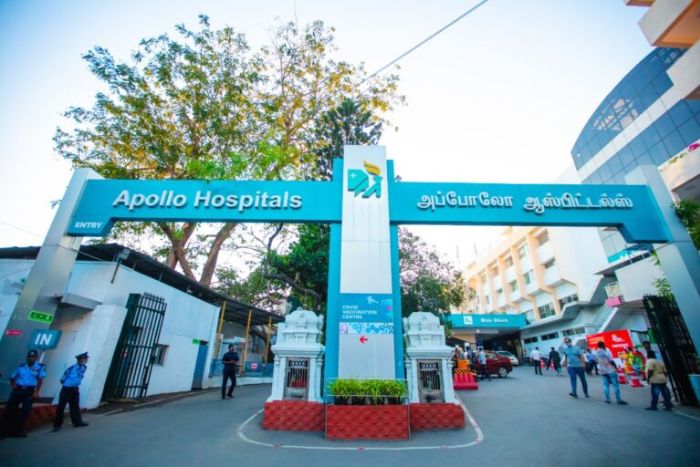 Apollo Hospitals, Greams Road, Chennai
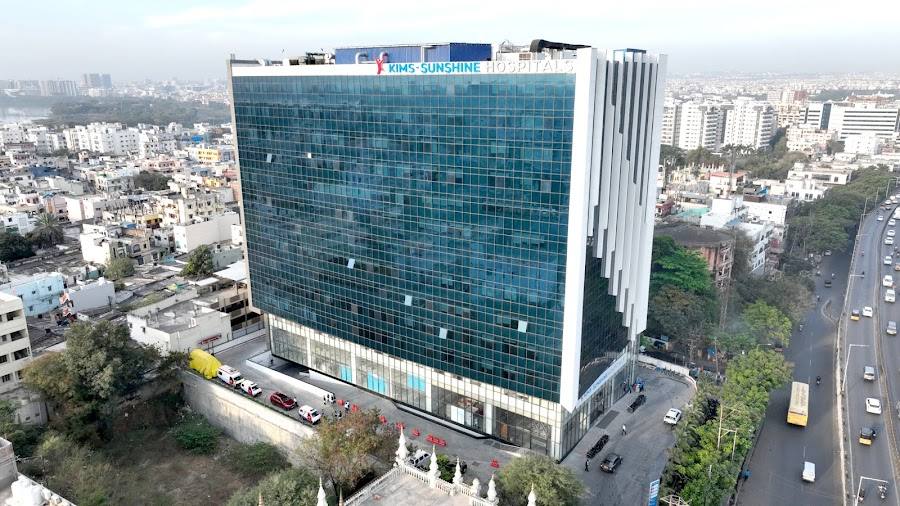 KIMS-Sunshine Hospitals, Begumpet
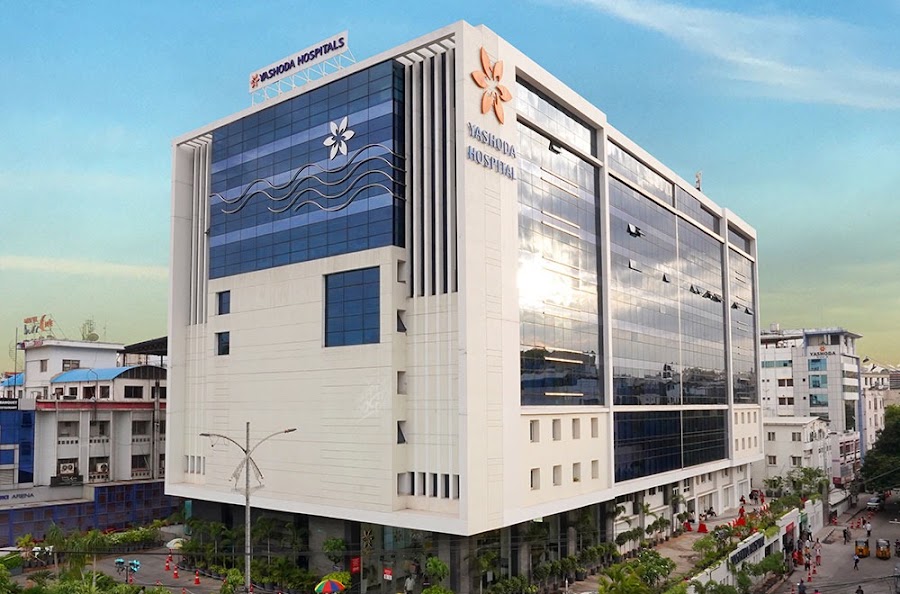 Yashoda Hospitals, Somajiguda
 Yashoda Hospitals, Malakpet
