

Total knee replacement in India
Cost and UK comparison
Total knee replacement in India typically costs £3,300–£5,500, against £12,000–£17,000 at a UK private clinic — a saving of roughly 70%.
 New Delhi. Photo Nikhilb239, CC BY-SA 4.0
| Where | Typical price (GBP) |
|---|---|
| United Kingdom (private) | £12,000 – £17,000 |
| India (Delhi, Mumbai & Chennai) | £3,300 – £5,500 |
| Potential saving | £6,500 – £13,700 (~70%) |
Indicative 2026 ranges, not quotes. India prices include the knee implant, surgery and anaesthesia, roughly a 6-night stay and inpatient medication. Imported high-flex implants sit at the top of the range. Research confidence: high. UK figures are typical private self-pay prices.
The gap in the figures above is mostly structural, not clinical. Staffing, facilities and insurance overheads cost far less in Delhi, Mumbai and Chennai than in the UK, and the larger private hospitals there perform joint replacement in high volumes. The implant itself is often the same brand a UK surgeon would use; imported high-flex designs sit at the upper end of the range quoted.
Set against that is the reason many UK patients look abroad at all: the NHS is currently missing its 18-week standard for planned surgery, and mean waits for hip and knee replacement run well beyond it. The question is not simply whether treatment abroad costs less than UK private care — it plainly does — but whether you can manage a long-haul recovery, and whether your aftercare at home is arranged before you fly.
What the price covers, and what it does not
The quoted package typically includes the knee implant, the surgery and anaesthesia, roughly a six-night inpatient stay and medication given during that stay. That is a genuine, well-defined bundle rather than a headline figure.
It does not usually include flights, hotel nights before or after discharge, visas, travel insurance that will accept planned surgery, physiotherapy once you are home, or treatment for a complication that emerges after you leave. Nor is any quote firm until a surgeon has reviewed your imaging and medical history — weight, prior surgery, bone quality and comorbidities all change the plan and sometimes the implant.
Judging a clinic from the UK
Start with accreditation. NABH accreditation is the Indian national standard; JCI is the international one. Either tells you the hospital submits to external inspection of infection control, consent and record-keeping. Then look at the surgeon rather than the brand: annual knee replacement volume, fellowship training, and whether they will speak to you directly before you commit.
Verified reviews matter because they are tied to a booking that actually happened, which is what separates them from testimonials chosen by a clinic. Comparing several accredited hospitals side by side also exposes the outlier — the quote that is far lower usually differs in implant, stay length or what happens if something goes wrong.
Aftercare and the flight home
This is the real risk, and it is worth being blunt about it. Knee replacement carries a small but genuine risk of infection and of venous thromboembolism, and long-haul flying too soon raises the latter. Ask your surgeon when they will clear you to fly, and expect to stay locally for a period after discharge rather than booking a return for the day you leave the ward.
Before you travel, speak to your GP about follow-up, wound review and onward physiotherapy. Ask the hospital what it does if a problem appears once you are home — remote review, a written revision policy, or a named UK contact are all reasonable things to expect in writing.
Weighing it up
Treatment abroad suits patients who are otherwise well, can take several weeks away from work, and have someone at home to help. It suits people with complex medical histories far less. Read the inclusions above against your own circumstances, and treat any quote as provisional until a clinical assessment confirms it.
Common questions
Is knee replacement surgery in India safe?
The larger accredited hospitals in Delhi, Mumbai and Chennai perform joint replacement in high volume and are inspected against NABH or JCI standards. Safety depends far more on the individual hospital and surgeon than on the country, which is why accreditation and case volume are worth checking directly.
What is actually included in the price?
Typically the implant, surgery and anaesthesia, around six nights as an inpatient and medication during that stay. Flights, accommodation outside the hospital, insurance and physiotherapy at home are separate.
Who looks after me when I get back to the UK?
You should arrange GP follow-up and physiotherapy before you fly, as NHS aftercare for surgery performed privately abroad is not guaranteed. Ask the hospital in writing what support it provides remotely and what its policy is if revision is needed.
Is it worth travelling rather than waiting for the NHS?
That depends on how much pain and immobility you are living with, since the 18-week standard is currently being missed and mean waits for knee replacement run well past it. If you are medically straightforward and can take the recovery time abroad, the saving is large; if your history is complex, staying in the UK may be the safer choice.
Ask us about an operation abroad, free
Tell us what you're looking into.
Thera is free for patients. No clinic can pay to change the prices we publish.
Clinics UK patients look at
The four with the most Google reviews among the orthopaedic clinics we hold. Each has a free page with its records.
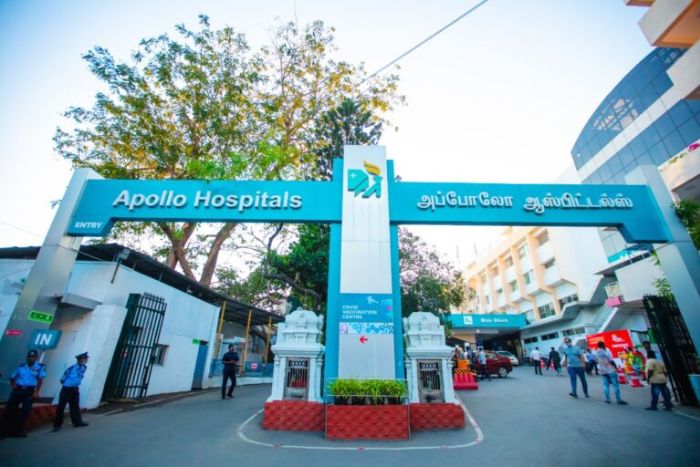 Apollo Hospitals, Greams Road, Chennai
 KIMS-Sunshine Hospitals, Begumpet
 Yashoda Hospitals, Somajiguda
 Yashoda Hospitals, Malakpet
